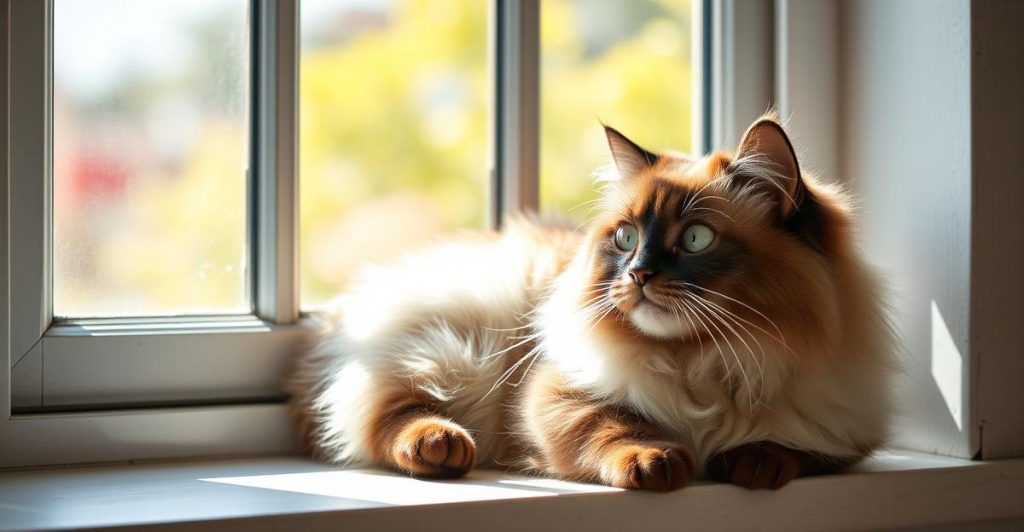

Bringing a new kitten into your home is like adding a burst of sunshine to your daily routine. Their tiny paws, curious whiskers, and endless energy can turn even the quietest apartment into a lively playground. Yet, as adorable as they are, kittens need a careful balance of fun and safety to grow into confident, well‑adjusted cats. In this guide we’ll share essential kitten care tips that keep your little explorer both playful and protected, turning every room into a safe adventure zone while nurturing their natural curiosity.
Design a Kitten‑Friendly Play Space
Before the first tumble of a rolling ball or the pounce on a feather wand, make sure the environment is set up for safe exploration. A kitten’s world is a series of “what’s that?” moments, and a well‑planned space can turn potential hazards into learning opportunities.
- Secure loose cords and strings. Hide or tape down electrical cords, and keep ribbons, shoelaces, and yarn out of reach—they’re tempting toys that can become choking hazards.
- Choose stable furniture. Kittens love to climb, so ensure bookshelves, cat trees, and play towers are anchored to the wall to prevent tipping.
- Cover sharp edges. Use corner protectors on coffee tables, TV stands, and low shelves where a curious kitten might bump into a hard edge.
- Create a designated “kitten zone.” A soft rug or a padded playpen can serve as a boundary where you can safely leave toys and accessories without worrying about spills or broken items.
- Remove toxic plants. Many houseplants, such as lilies and pothos, are unsafe if chewed. Replace them with cat‑safe varieties like spider plants or cat grass.
Enrich Their Environment With Interactive Toys
Play is a kitten’s primary way of learning about the world. Providing a variety of toys not only satisfies their hunting instincts but also helps develop coordination, confidence, and social skills.
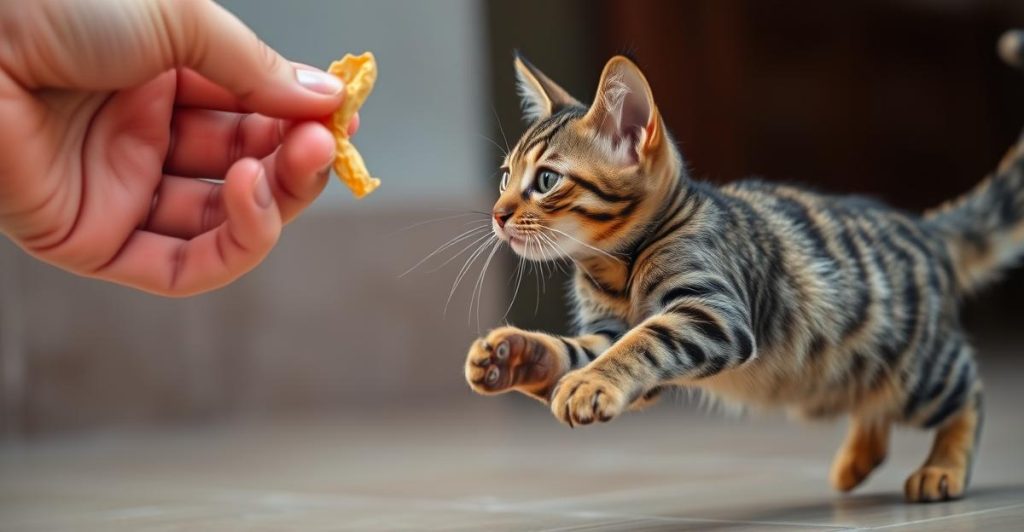
- Feather wands and laser pointers. These encourage pouncing and jumping, mimicking the chase of a real prey.
- Puzzle feeders. Even simple cardboard tubes or treat‑dispensing balls can turn snack time into a mental workout.
- Soft plush mice. Small, lightweight toys that can be tossed and batted around are perfect for indoor hunting games.
- Rotating toy basket. Swap out toys every few days to keep the novelty factor high and prevent boredom.
- DIY toys. Crumpled paper balls, paper bags with a few holes, or a cardboard box with tunnels can become instant favorites.
Establish a Routine That Balances Play and Rest
Kittens thrive on predictable schedules. A balanced routine helps them know when it’s time to explore, eat, or curl up for a catnap. Consistency also reduces stress, making your kitten feel secure and content.
- Scheduled play sessions. Aim for three short (10‑15 minute) interactive play periods each day—morning, afternoon, and evening. This mirrors a kitten’s natural burst‑of‑energy pattern.
- Quiet cuddle time. After play, offer a calm lap or a soft blanket where your kitten can wind down. Gentle petting helps reinforce the bond and signals that it’s time to rest.
- Feeding consistency. Offer meals at the same times each day. Even if you’re feeding a dry kibble, a set schedule helps regulate their energy levels.
- Designated bathroom area. Keep the litter box in a quiet, accessible spot and clean it daily. A clean box encourages good habits and reduces accidents.
- Night‑time wind‑down. Dim the lights an hour before bedtime and engage in slower, soothing play (like gentle feather wand strokes) to signal that the day is ending.
Encourage Safe Exploration With Supervised Outdoor Time
While many owners opt for an indoor‑only lifestyle, some kittens benefit from brief, supervised outdoor experiences. Whether you have a secure balcony or a fenced yard, a controlled “catio” can provide fresh air, new scents, and natural stimulation.
- Use a harness and leash. A well‑fitted harness gives your kitten the freedom to explore without the risk of slipping away.
- Set up a “catio.” A screened-in patio or a small, enclosed balcony area offers a safe outdoor enclave.
- Limit time. Start with five‑minute outings and gradually increase as your kitten becomes comfortable.
- Watch for hazards. Keep an eye out for birds, insects, or sudden noises that could startle your kitten.
- Bring a favorite toy. A familiar toy can help your kitten feel secure while navigating new terrain.
Indoor vs. Outdoor Play Activities: A Quick Comparison
| Aspect | Indoor Play | Outdoor Play (Supervised) |
|---|---|---|
| Safety Level | High – controlled environment, no traffic or predators. | Moderate – harness needed, watch for insects and weather. |
| Stimuli Variety | Limited to toys, sounds, and human interaction. | Rich – natural scents, sunlight, gentle breezes. |
| Physical Exercise | Depends on space; may need more vertical climbing options. | Natural running and jumping on varied terrain. |
| Social Interaction | Human‑focused; can include other indoor pets. | Potential encounters with birds or other outdoor animals (observe from a distance). |
| Risk of Accidents | Low, but watch for sharp objects and cords. | Higher – slipping, falling, or sudden scares. |
Teach Gentle Play and Positive Boundaries
Kittens learn from us what is acceptable to bite, scratch, or chase. By guiding their play early, you set the foundation for a well‑mannered adult cat.
- Redirect sharp claws. If your kitten tries to claw your skin, gently move them onto a scratching post or a soft toy.
- Use “time‑out” cues. A brief pause (30 seconds) when play gets too rough teaches that the behavior ends the fun.
- Reward calm behavior. Offer a treat or gentle praise when your kitten plays softly or settles down after excitement.
- Introduce “no‑touch” zones. Place a small piece of double‑sided tape on furniture edges you don’t want them to jump on; the texture discourages repeated attempts.
- Model appropriate play. Show them how to use toys rather than hands or feet. Keep your fingers out of the action line.
Maintain Hygiene and Grooming Habits Early
Good grooming habits start when your kitten is tiny. Regular brushing and gentle cleaning not only keep their coat shiny but also provide a calm bonding moment.
- Introduce a soft brush. Let your kitten sniff and paw at the brush before a brief, gentle stroke.
- Keep nails trimmed. Use a kitten‑sized nail clipper once a month, focusing only on the transparent tip to avoid the quick.
- Check ears weekly. Look for excess wax or debris; a soft cotton ball can be used to wipe the outer ear gently.
- Provide fresh water. A shallow water bowl encourages drinking and helps prevent dehydration.
- Schedule regular vet wellness visits. While we’re not offering medical advice, routine check‑ups are part of a holistic wellness plan.
Frequently Asked Questions
How much play time does a kitten need each day?
Most kittens thrive on three short, interactive sessions lasting 10‑15 minutes each. This mimics their natural burst‑of‑energy pattern and helps prevent overstimulation.
Is it safe to let my kitten roam the house unsupervised?
Yes, as long as you kitten‑proof the space—secure cords, remove toxic plants, and block off small gaps. Creating a designated safe zone with soft bedding and toys can keep them entertained while you’re away.
What are the signs that my kitten is feeling stressed?
Look for flattened ears, a tucked tail, excessive hiding, or sudden changes in appetite. Offering a quiet retreat, gentle petting, and a predictable routine can help restore calm.
When should I transition my kitten from a kitten‑specific diet to adult food?
Most kittens are ready to switch to adult cat food around their first birthday. Until then, continue offering a balanced kitten formula that supports growth and energy needs.
Disclaimer: This article is intended for informational and entertainment purposes only. It does not replace professional veterinary advice. Always consult a qualified vet for your cat's health and dietary needs.