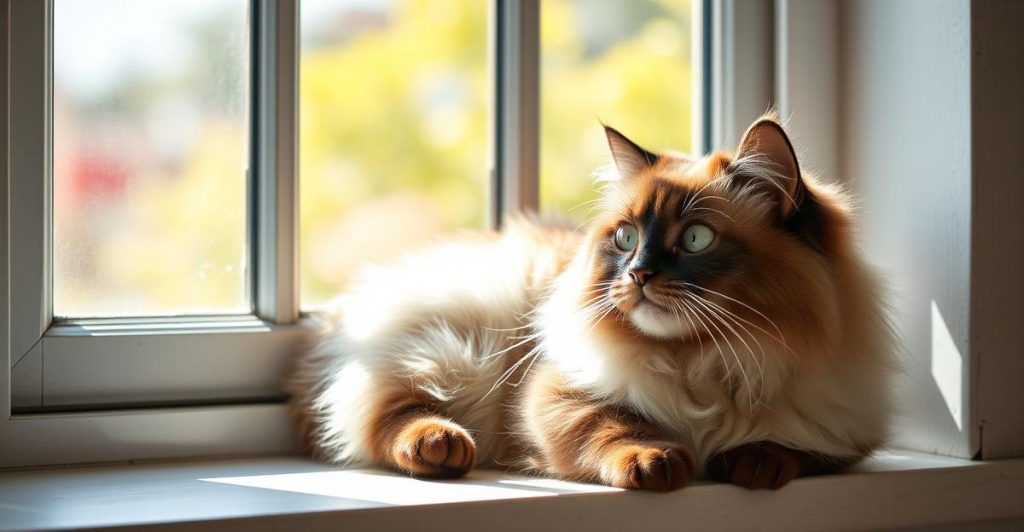

Discover the Most Playful Cat Breeds for Happy Homes
Imagine coming home after a long day and being greeted by a furry bundle of energy that darts, pounces, and twirls around your living room, turning every ordinary moment into a mini adventure. Playful cats not only bring endless smiles, they also help reduce stress, keep their bodies fit, and strengthen the bond you share. Whether you’re a seasoned cat parent or a first‑time adopter, knowing which breeds naturally love to play can make the decision‑making process a lot more fun. In this guide we’ll explore the most playful cat breeds, share tips on nurturing that zest for life, and help you create a home where every whisker wiggle feels like a celebration of joy.
Why Playfulness Matters in a Home Cat
Play isn’t just a pastime for felines; it’s a cornerstone of their overall well‑being. When a cat engages in regular, enthusiastic play, several positive outcomes emerge:
- Physical fitness: Chasing toys mimics hunting behavior, keeping muscles toned and joints supple.
- Mental stimulation: Puzzle toys and interactive games challenge problem‑solving skills, reducing boredom‑related mischief.
- Emotional balance: A cat that can release pent‑up energy through play is less likely to develop stress‑related habits such as over‑grooming or excessive meowing.
- Strengthened human‑cat bond: Shared play sessions create trust and reinforce positive associations with you.
Choosing a breed known for its playful nature can give you a head start, but remember that every cat has a unique personality. Providing the right environment and a variety of engaging activities will help any cat unleash its inner kitten.
Top Playful Cat Breeds Ranked
Below is a curated list of breeds that consistently score high on the “playfulness” scale. These felines love to chase, leap, and interact with their humans, making them perfect companions for active households.
- Bombay – With sleek black coats and bright amber eyes, Bombays are miniature panthers that adore interactive toys and love to perform acrobatic leaps.
- Abyssinian – Known as the “athlete of the cat world,” Abyssinians are curious explorers who enjoy climbing, puzzle feeders, and games that involve problem‑solving.
- Turkish Van – Often called the “swimming cat,” this breed enjoys water play and high‑energy games, especially those that involve chasing moving objects.
- Savannah – A cross between a domestic cat and the African serval, Savannahs are tall, spotted, and incredibly agile, thriving on fetch and obstacle courses.
- Oriental Shorthair – Their slender bodies and large ears make them excellent listeners and quick responders during interactive play sessions.
- Scottish Fold – While known for their distinctive folded ears, they also love gentle tug‑of‑war games and soft feather toys.
- Devon Rex – With large ears and a wavy coat, Devon Rex cats are playful pranksters who love to hide and pounce on unsuspecting feet.
- Japanese Bobtail – Their bobbed tails and lively personalities make them natural entertainers, often chasing laser pointers for hours.
Each of these breeds brings a unique flair to playtime, but the underlying trait is the same: a love for movement, exploration, and interaction. If you’re looking for a cat that will keep you on your toes, any of the above breeds are worth considering.
How to Encourage Play in Any Cat
Even if your cat isn’t from a traditionally “playful” breed, you can nurture a love for activity with a few simple strategies. Here are proven tips that work for most felines:
- Schedule short, frequent play sessions: Cats have bursts of energy followed by long rest periods. Aim for 5‑10 minutes, 2‑3 times a day.
- Rotate toys: Keep a stash of feather wands, crinkle balls, and interactive laser pointers, and swap them weekly to maintain novelty.
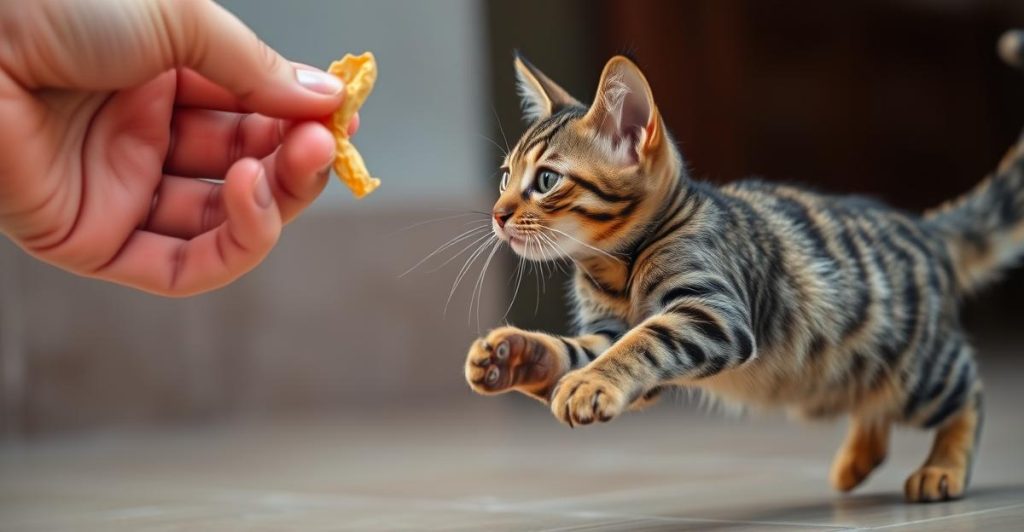
- Use the “prey‑stalk” technique: Drag a wand toy slowly across the floor, pause, then pounce. This mimics natural hunting behavior.
- Introduce puzzle feeders: These devices turn mealtime into a game, encouraging problem‑solving and movement.
- Create vertical space: Cat trees, shelves, and window perches let cats climb, jump, and observe, all of which stimulate playful instincts.
- End on a positive note: Finish each session with a gentle petting or treat, reinforcing that play is a rewarding experience.
Consistency is key. By integrating these habits into your daily routine, you’ll see even the most laid‑back cats develop a healthier, more playful demeanor.
Creating a Cat‑Friendly Play Environment
Designing a space where your cat can explore safely encourages spontaneous play and reduces the risk of accidents. Below are essential elements to consider when setting up a cat‑centric zone.
- Safe climbing structures: Choose sturdy cat trees with multiple platforms, scratching posts, and enclosed hideaways.
- Interactive zones: Dedicate a corner for puzzle toys, treat dispensers, and rotating feather wands.
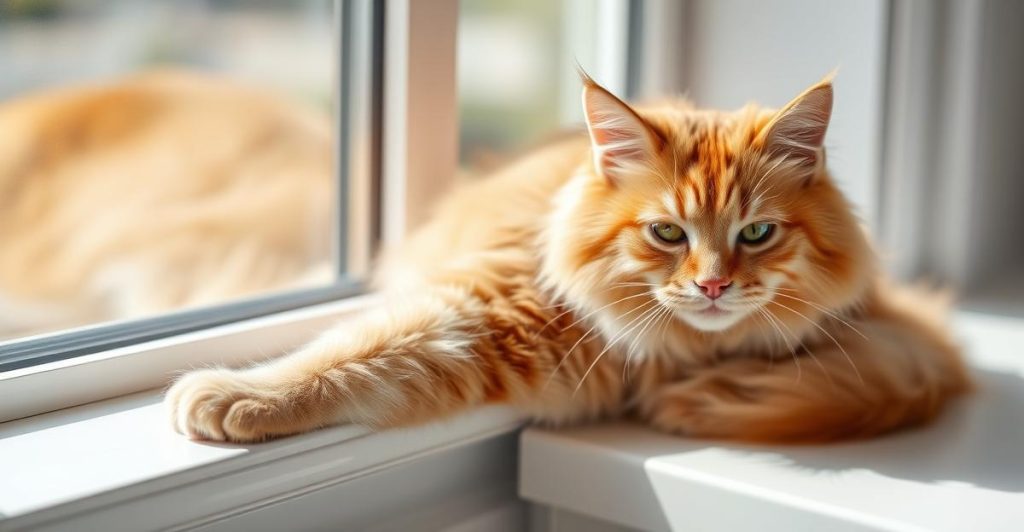
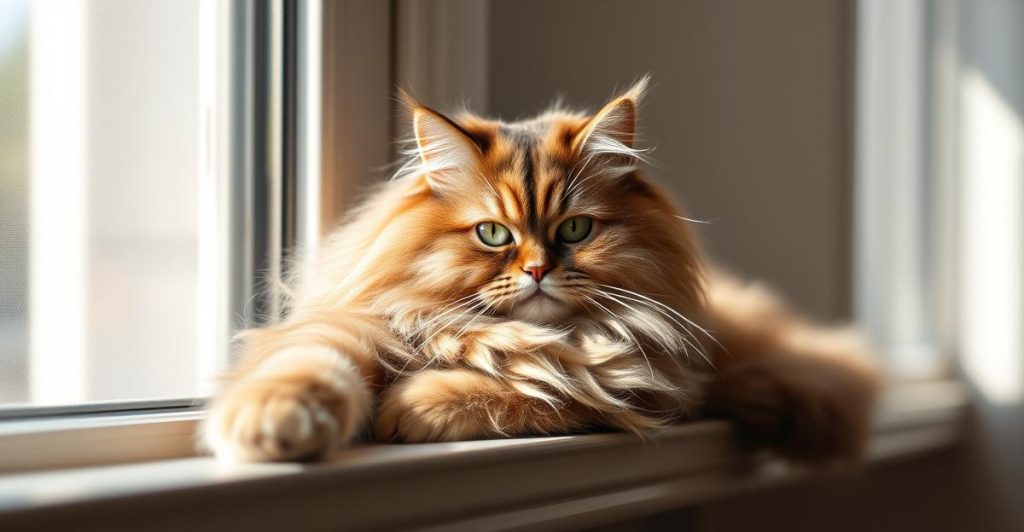
- Window views: Install a perch near a sunny window so your cat can watch birds, squirrels, and passing clouds.
- Non‑toxic plants: Cat‑grass or spider plants provide a safe chewing outlet and add a touch of greenery.
- Soft flooring: Area rugs or low‑pile carpets cushion jumps and protect claws.
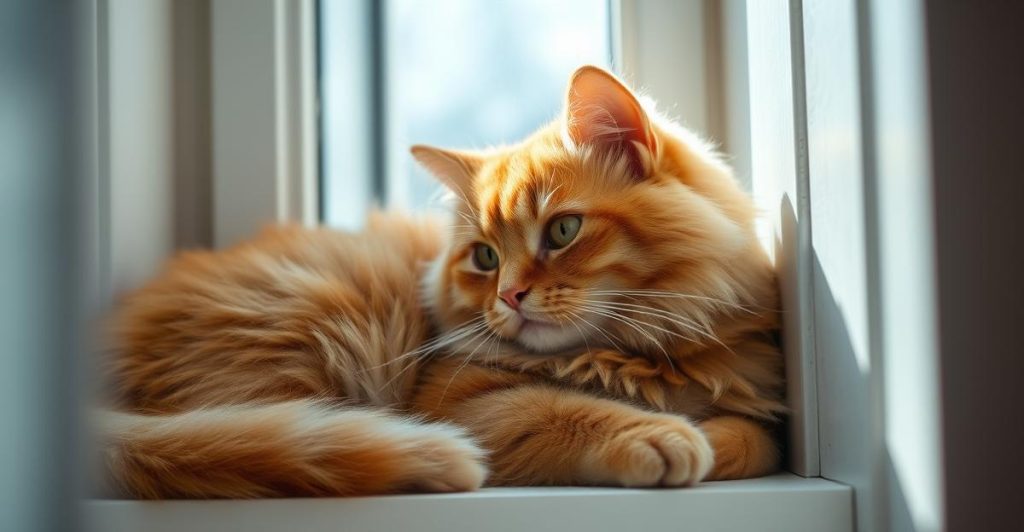
- Quiet retreat: A cozy bed or a covered cat cave offers a place to rest after a vigorous play session.
When each element is thoughtfully placed, your home becomes a playground that satisfies both the physical and mental cravings of your feline friend.
Indoor vs Outdoor Play Activities: A Quick Comparison
| Aspect | Indoor Play | Outdoor Play |
|---|---|---|
| Safety | Controlled environment; no traffic or predators. | Potential exposure to cars, wildlife, and parasites. |
| Stimuli Variety | Limited to toys, windows, and indoor scents. | Natural scents, varied terrain, and live prey-like movements. |
| Exercise Intensity | Can be high with interactive toys and climbing structures. | Often higher due to larger space and natural chasing. |
| Weather Dependence | Year‑round, unaffected by rain or temperature. | Seasonal; may need adjustments for heat, cold, or rain. |
| Supervision | Easy to monitor; can join in play. | Requires leashes, harnesses, or enclosed catios for safety. |
Both indoor and outdoor play have unique benefits. If you live in a safe, cat‑friendly neighborhood, a supervised outdoor “catio” can complement indoor activities, offering fresh air and new scents while keeping your cat protected.
Fun Games and Toys for Energetic Cats
Keeping playtime fresh is all about variety. Below are some crowd‑pleasing games and toys that have proven popular among the most playful cat breeds.
- Laser Pointer Chase: Move the dot across the floor and up walls; finish with a tangible toy so your cat can “catch” something.
- Feather Wand Ballet: Swing a wand in graceful arcs, encouraging your cat to leap and spin.
- Cat Tunnel Adventures: Set up a fabric tunnel with treats hidden at the far end.
- DIY Cardboard Castles: Cut and tape boxes into multi‑level forts for climbing and hide‑and‑seek.
- Interactive Puzzle Balls: Balls that roll unpredictably and release small treats when nudged.
- Hovering Hoverball: A battery‑powered ball that moves on its own, mimicking the erratic motion of prey.
- Fishing Pole Toys: Long rods with dangling feathers that simulate fish swimming.
- Catnip‑Infused Plushies: Soft toys that release a gentle scent, encouraging batting and cuddling.
Rotate these options regularly, and watch as your cat’s enthusiasm for play stays high. Remember to always supervise new toys until you’re confident they’re safe for unsupervised use.
Frequently Asked Questions
Which playful cat breed is best for an apartment?
For smaller living spaces, the Abyssinian, Oriental Shorthair, and Devon Rex are excellent choices. They thrive on interactive toys and vertical climbing structures, which can easily fit into an apartment without requiring large outdoor access.
How often should I schedule play sessions for a highly active cat?
Aim for three short sessions (5‑10 minutes each) spread throughout the day. This mirrors a cat’s natural burst‑and‑rest pattern and helps prevent overstimulation or fatigue.
Can I train my cat to fetch like a dog?
Yes! Many playful breeds, especially the Bengal and Savannah, enjoy fetch. Start with a lightweight toy, toss it a short distance, and reward your cat with praise or a treat when it brings the toy back. Consistency and positive reinforcement are key.
Is it okay to let my cat play with my children?
Absolutely, as long as both the child and cat understand gentle handling. Supervise interactions, teach kids to use soft toys instead of hands, and provide plenty of escape routes for the cat to retreat if needed.
Disclaimer: This article is intended for informational and entertainment purposes only. It does not replace professional veterinary advice. Always consult a qualified vet for your cat's health and dietary needs.