
There’s something magical about watching a contented indoor cat curl up in a sun‑splashed nook or chase a feathered wand with the pure joy of a kitten. Yet many cat owners wonder how to keep those whiskered companions mentally stimulated and physically happy without the great outdoors. The secret lies in creating a world of cozy corners and playful paths right inside your home. By weaving together thoughtful spaces, interactive toys, and a rhythm of daily routines, you can turn any apartment or house into a wonderland that satisfies your cat’s curiosity, nurtures its well‑being, and deepens the bond you share. Let’s explore how to enrich your indoor cat’s world, one delightful detail at a time.
Understanding Your Indoor Cat’s Natural Instincts
Even the most pampered indoor feline carries the DNA of a stealthy hunter, a climber, and a solitary explorer. Recognizing these innate drives helps you design enrichment that feels instinctual rather than forced.
- Hunting and Pouncing: Cats love to stalk, stalk, and pounce on moving objects. Fast, unpredictable motion triggers their predatory reflexes.
- Climbing and Surveying: Elevated perches give a sense of safety and a perfect lookout point for observing the room.
- Scratching and Stretching: Sharp claws need a healthy outlet, and a good stretch keeps muscles supple.
- Solitude and Privacy: While they enjoy interaction, cats also cherish quiet retreats where they can nap undisturbed.
When you align your enrichment plan with these drives, each addition to your home becomes a natural invitation for play, rest, and exploration.
Designing Cozy Corners: Restful Retreats
A cat’s favorite spot often combines comfort, warmth, and a sense of security. By curating several distinct “cozy corners,” you give your feline multiple options for relaxation throughout the day.
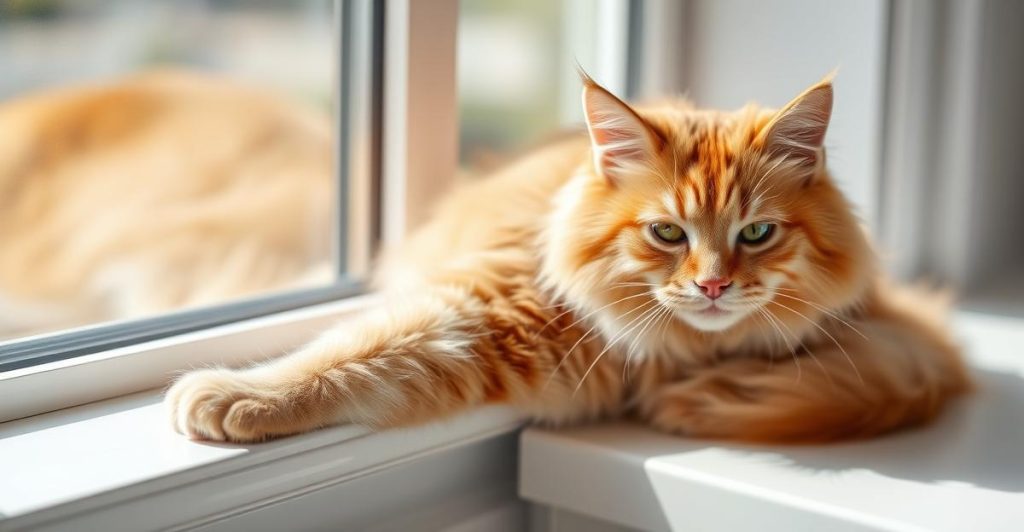
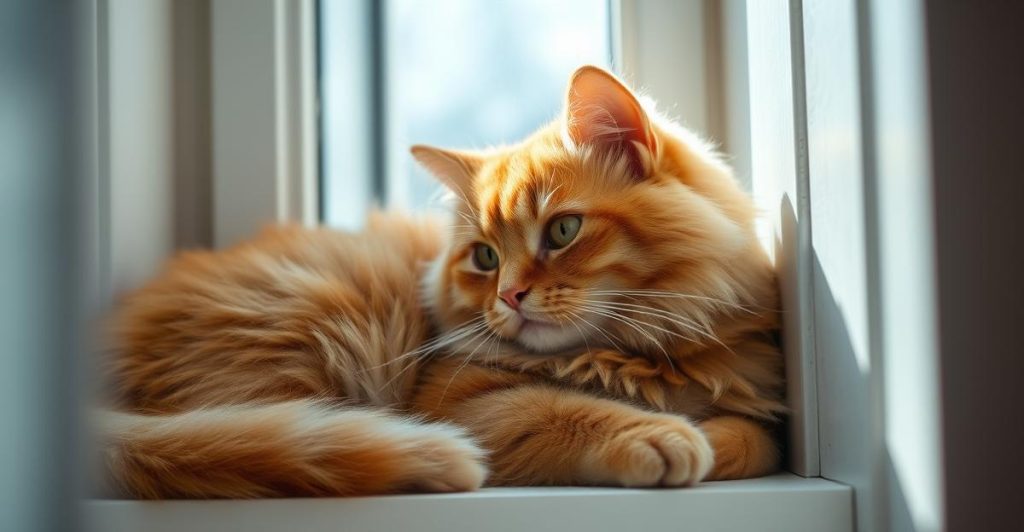
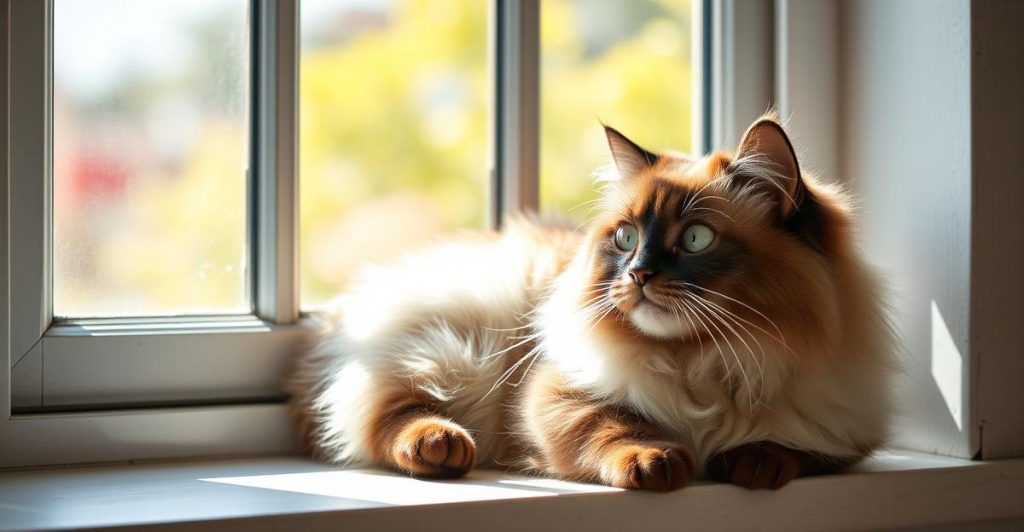
- Window Perches: Install a sturdy shelf or a commercial cat window perch near a sunny window. The ever‑changing view of birds, leaves, and passing people offers endless visual stimulation while providing a warm nap spot.
- Soft Hideaways: A plush, covered cat bed tucked behind a piece of furniture mimics a den. Add a blanket with your cat’s scent for extra reassurance.
- Elevated Boxes: Simple cardboard boxes or wooden crates mounted on a wall become private lofts. Cut a small entrance on one side and line the interior with a soft cushion.
- Heated Mats: In cooler climates, a low‑temperature cat mat offers gentle warmth without the risk of overheating.
Rotate these spots every few weeks to keep the environment fresh. Cats love novelty, but they also appreciate consistency, so maintain a few permanent favorites while experimenting with seasonal changes.
Playful Paths: Interactive Toys & DIY Adventures
Play is the heartbeat of indoor enrichment. It not only burns energy but also sharpens coordination and problem‑solving skills. Below are ideas ranging from store‑bought marvels to budget‑friendly DIY projects.
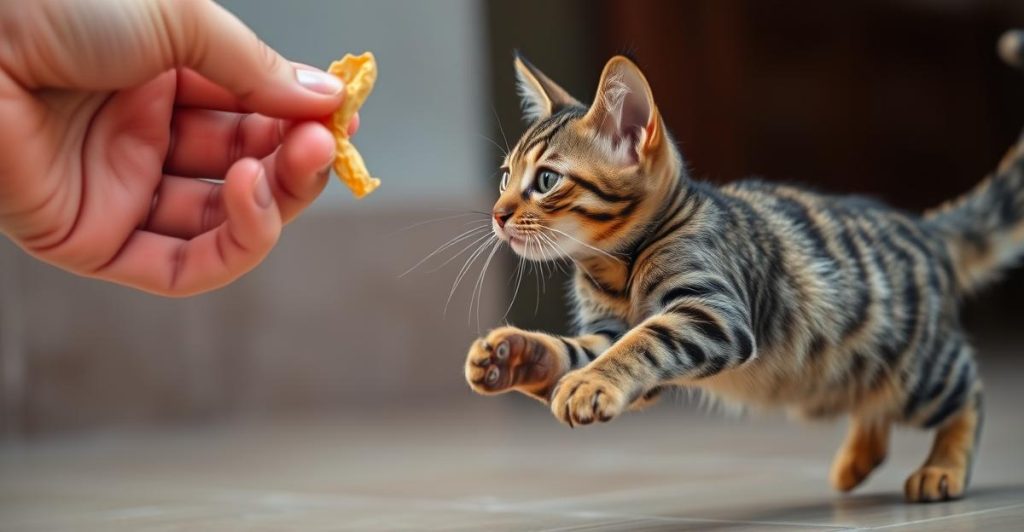
- Feather Wands & Laser Pointers: Short, fast bursts of movement mimic the erratic flight of a bird or insect. Keep sessions to 5‑10 minutes, allowing your cat to chase and pounce.
- Puzzle Feeders: Treat‑dispensing toys encourage gentle foraging. Fill them with kibble or small treats and let your cat figure out how to release the rewards.
- DIY Pom‑Pom Trail: String together a series of lightweight pom‑poms using a sturdy yarn. Hang the line across a doorway or between two pieces of furniture for an irresistible dangling target.
- Cardboard Castle: Connect multiple boxes with cut‑out doors to create a multi‑room maze. Cats love to explore tunnels, peek from hidden windows, and claim each chamber as their own.
- Rotating Toy Box: Keep a basket of varied toys—ribbons, crinkly balls, soft mice—and swap items weekly to maintain curiosity.
Remember, the goal isn’t to overwhelm your cat with endless toys but to offer a curated selection that sparks interest and encourages active play.
Scent and Sound: Sensory Enrichment for a Happy Cat
Beyond visual and tactile stimulation, cats experience the world through scent and hearing. Engaging these senses can transform an ordinary room into an adventure.
- Cat‑Safe Herbs: Sprinkle a few leaves of catnip, silvervine, or valerian on a favorite scratching post. These botanicals trigger a gentle euphoria without any health risk.
- Nature Soundtracks: Soft recordings of birdsong, rustling leaves, or gentle rain can provide a soothing backdrop, especially during quiet evenings.
- Rotating Scents: Place a small piece of fabric scented with a different safe herb each week. This rotation keeps the olfactory environment dynamic.
- Textured Fabrics: Offer a variety of materials—fleece blankets, woven baskets, sisal ropes—so your cat can choose the feel that best suits its mood.
These subtle sensory touches can reduce boredom, lower stress levels, and encourage exploratory behavior.
Routine and Rhythm: Daily Habits that Boost Well‑Being
Cats thrive on predictable patterns. Establishing a gentle daily rhythm helps them feel secure while still providing opportunities for enrichment.
- Morning Play Burst: A 10‑minute interactive session right after breakfast sets a positive tone for the day.
- Midday Window Watch: Open blinds or curtains for a brief period, allowing natural light and outdoor activity to filter in.
- Evening Wind‑Down: Dim the lights, play soft music, and offer a gentle grooming session to signal the transition to a calm night.
- Scheduled Rest Intervals: Place a cozy blanket on a high perch during nap times; cats often nap in short bursts, so multiple rest zones are beneficial.
- Hydration Refresh: Rotate water bowls or use a cat‑friendly fountain to encourage regular drinking, supporting overall wellness.
By weaving enrichment into these routine moments, you create a seamless flow where play, rest, and exploration feel natural rather than forced.
Monitoring Success: Simple Ways to Gauge Enrichment Effectiveness
It’s easy to assume that a new toy or perch is automatically beneficial, but observing your cat’s behavior offers the real feedback loop.
- Engagement Time: Note how long your cat interacts with a new toy or area. A sustained interest of 5‑15 minutes usually indicates genuine enjoyment.
- Body Language: Relaxed ears, slow blinking, and a soft tail tip signal contentment. Conversely, flattened ears or a flicking tail may suggest overstimulation.
- Activity Levels: A balanced mix of play and rest throughout the day suggests the enrichment is meeting both physical and mental needs.
- Preference Rotation: If a particular item falls out of favor, replace it with something fresh. Cats appreciate novelty but also cherish familiar comforts.
Keeping a brief journal of these observations can help you fine‑tune the indoor environment, ensuring that every corner remains a source of joy.
Comparison Table: Vertical vs. Horizontal Play Structures
| Feature | Vertical Play Structures (Cat Trees, Wall‑Mounted Shelves) | Horizontal Play Structures (Floor‑Level Tunnels, Play Mats) |
|---|---|---|
| Space Utilization | Maximizes vertical space; ideal for small apartments. | Occupies floor area; best for rooms with open floor plans. |
| Physical Benefits | Encourages climbing, stretching, and core strengthening. | Promotes crawling, low‑impact sprinting, and lateral movement. |
| Safety Considerations | Requires sturdy anchoring to prevent tipping. | Needs non‑slip backing to avoid sliding during vigorous play. |
| Cat Preference | Favored by cats who love high perches and surveying. | Appeals to cats who enjoy ground‑level exploration. |
| Ease of Cleaning | Often easier to dust; fewer hidden crevices. | May collect fur in tunnels; requires regular vacuuming. |
Frequently Asked Questions
How often should I rotate toys or enrichment items?
Rotating every two to three weeks keeps novelty high without overwhelming your cat. Observe which items spark the most interest and cycle out those that become ignored.
Can I use household objects as enrichment tools?
Absolutely! Simple items like paper towel rolls, shoelaces (supervised), and empty tissue boxes can become excellent DIY toys. Just ensure there are no small parts that could be swallowed.
My cat seems shy and avoids new spaces. How can I encourage exploration?
Place a favorite blanket or a few treats in the new area to create a positive association. Sit nearby and gently call your cat, allowing it to approach at its own pace.
Is it okay to leave interactive toys out all day?
Yes, as long as the toys are safe and free of loose strings or small pieces. Rotate the selection to prevent wear and maintain interest.
Disclaimer: This article is intended for informational and entertainment purposes only. It does not replace professional veterinary advice. Always consult a qualified vet for your cat's health and dietary needs.