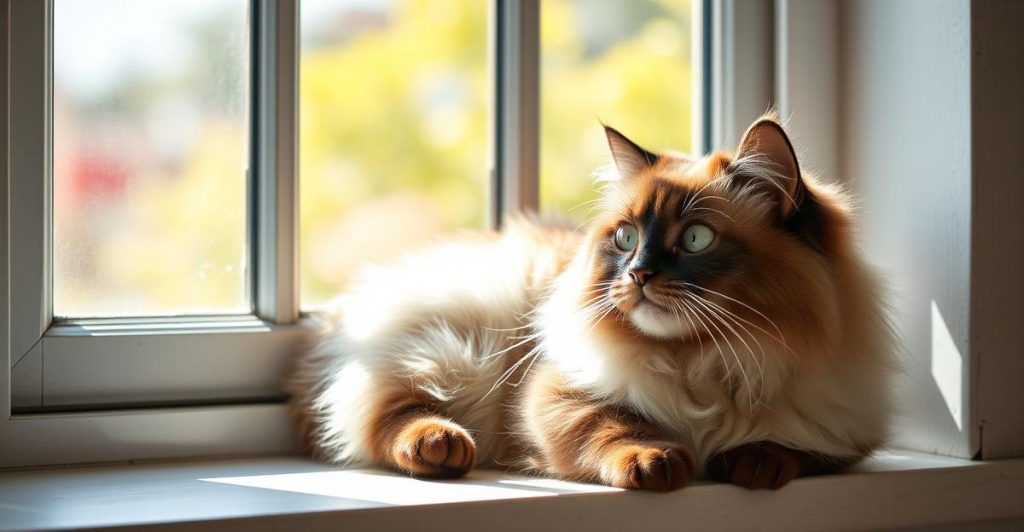

There’s nothing quite like watching a curious cat dip a paw into a bowl, splash a few droplets, and then sip with the same intensity they reserve for a favorite toy. That playful pause isn’t just adorable—it’s a clear sign that your feline friend is enjoying the simple pleasure of drinking. Yet, many cat owners underestimate how vital regular, enthusiastic drinking is for overall well‑being. By turning everyday hydration into a game, you can boost cat hydration while keeping your whiskered companion entertained, healthy, and purring with contentment. Below are fun, practical ideas that turn water from a boring necessity into a delightful part of your cat’s daily routine.
Why Hydration Matters for a Happy Cat
Even the most independent cats thrive when they have easy access to fresh water. Proper hydration supports:
- Shiny, soft fur that feels pleasant to the touch.
- Energy levels that let them chase laser pointers and feather wands for longer periods.
- Digestive comfort, helping food move smoothly through their system.
- Healthy skin that resists dryness and itching.
Think of water as the invisible fuel that powers those graceful leaps and gentle purrs. When cats drink regularly, they stay agile, playful, and ready for cuddle sessions. The goal isn’t to prescribe a strict regimen; it’s to weave hydration into the fabric of their day so that drinking feels as natural as a sunny nap.
Creative Water Sources Your Cat Will Love
Most cats are attracted to moving water because it mimics a natural stream. By offering a variety of water sources, you invite curiosity and encourage more frequent sipping.
- Pet fountains: Gentle circulation keeps water fresh and creates a soothing sound that many cats find irresistible.
- Ice cube treats: Pop a few ice cubes into a shallow dish. The slow melt adds a playful element and a burst of coolness on hot days.
- Water bowls with different textures: Ceramic, stainless steel, and glass each have a distinct feel and temperature. Rotating them can keep the experience novel.
- Drip toys: Small, pet‑safe drip dispensers simulate rain droplets, turning a water source into a mini‑game.
- Fresh tap water: Change the water at least once daily. A fresh scent and taste can entice even the pickiest sippers.
Place these options in various locations—near a sunny window, beside a favorite perch, or close to the feeding station. The more accessible the water, the more likely your cat will sip throughout the day.
Playful Feeding Techniques that Encourage Drinking
Turning mealtime into an interactive event can naturally boost cat hydration. Here are some fun ideas that blend feeding with drinking:
- Water‑infused puzzle feeders: Fill a treat‑dispensing puzzle with a small amount of water or low‑salt broth (ensure it’s plain, without onions or garlic). As the cat works to retrieve the kibble, a gentle splash encourages sipping.
- Layered bowl trick: Place a shallow dish of water directly beneath a shallow bowl of dry food. When the cat nudges the dry food, a few droplets may splash up, sparking curiosity.
- Frozen broth cubes: Freeze low‑sodium chicken broth in ice‑cube trays. Offer a cube alongside the regular meal; as it thaws, it releases flavorful moisture.
- “Water chase” games: Use a small, safe spray bottle to mist a short distance from the bowl. The glistening droplets can lure the cat to investigate and drink.
- Dual‑bowl set‑up: Position a bowl of water a few inches away from the food bowl. Some cats instinctively lap water after a bite, creating a seamless habit.
These techniques keep the feeding environment dynamic, turning a routine into a mini‑adventure that rewards both the palate and the playful spirit.
Incorporating Moisture‑Rich Foods and Treats
While water bowls are essential, adding moisture‑rich foods can further enhance daily intake without any extra effort on your part.
- Wet food toppers: A spoonful of high‑quality wet food placed on top of dry kibble adds a burst of moisture and flavor.
- Cat‑friendly smoothies: Blend a small amount of pureed pumpkin or cucumber with water. Serve a tiny spoonful as a refreshing treat.
- Homemade broth pops: Simmer chicken (no bones) in water, strain, and freeze the clear broth in mini molds. Offer a pop as a snack.
- Water‑laden toys: Some plush toys have a hollow core that can be filled with water. When the cat bats the toy, tiny splashes may entice a lick.
- Fresh fruit slices: Small pieces of cat‑safe fruits like cantaloupe or watermelon (seedless) provide juicy hydration—just a few bites at a time.
These additions are meant to complement regular water sources, not replace them. They provide variety, keep the palate interested, and subtly increase overall fluid intake.
Monitoring and Maintaining Healthy Hydration Habits
Even with playful tricks, it’s wise to keep an eye on your cat’s drinking patterns. Simple observations can help you ensure they stay content and hydrated.
- Watch the bowl: If water disappears quickly, your cat is likely enjoying it. If the bowl stays untouched for hours, consider rotating the location or trying a fountain.
- Check the litter box: Consistent, well‑formed urine is a good indicator of adequate fluid intake.
- Observe behavior: A happy, active cat that frequently drinks, grooms, and plays is a sign that hydration habits are on track.
- Refresh daily: Changing water at least once a day prevents stagnation and keeps the scent appealing.
- Seasonal tweaks: In hotter months, increase the number of water stations and consider chilled water bowls; in cooler months, keep bowls away from drafts to maintain a comfortable temperature.
These low‑effort checks help you stay attuned to your cat’s preferences, ensuring that playful feeding ideas continue to support a thriving, hydrated companion.
Wet vs Dry Food Moisture Comparison
| Feature | Wet Food | Dry Food |
|---|---|---|
| Typical Moisture Content | 70–80% water | 8–12% water |
| Texture | Soft, gravy‑like | Crunchy, kibble |
| Convenience | Needs refrigeration after opening | Shelf‑stable for months |
| Flavor Appeal | Highly aromatic, often more enticing | Less aromatic, but can be mixed with toppers |
| Hydration Contribution | Provides a significant portion of daily fluid | Minimal fluid; relies on separate water sources |
Seasonal Tips for Staying Hydrated
Weather changes can influence a cat’s drinking habits. Adjusting your approach keeps hydration enjoyable year‑round.
- Summer: Place bowls on tiled floors or use chilled fountains. Add a few ice cubes to a shallow dish for a cooling effect.
- Winter: Warm water slightly (room temperature) to avoid the chill that may deter sipping. Keep bowls away from heating vents that can cause rapid evaporation.
- Rainy days: Indoor cats may become less active. Offer extra water‑rich treats and keep a fountain running to maintain interest.
- Holiday travel: If you’re away, use an automatic water dispenser that refills regularly, ensuring your cat never runs out of fresh water.
By tailoring water play to the season, you reinforce the habit of drinking without it feeling like a chore.
FAQ
How often should I change my cat’s water?
Refreshing the water at least once a day keeps it tasting clean and appealing. If you have multiple water stations, check each one for debris and replace as needed.
Can I use flavored water for my cat?
Plain, fresh water is the safest choice. If you want a subtle flavor, a tiny splash of low‑sodium chicken broth (without onions or garlic) can be offered occasionally, but it should never replace regular water.
My cat prefers the faucet. Is that okay?
Many cats love the sound and movement of running water. A pet fountain mimics this experience and provides a continuous flow, making it a great alternative to a faucet.
Will adding ice cubes make my cat drink more?
Ice cubes add a playful element and a cool sensation that some cats enjoy, especially in warm weather. They can encourage extra sipping without any risk.
Disclaimer: This article is intended for informational and entertainment purposes only. It does not replace professional veterinary advice. Always consult a qualified vet for your cat's health and dietary needs.