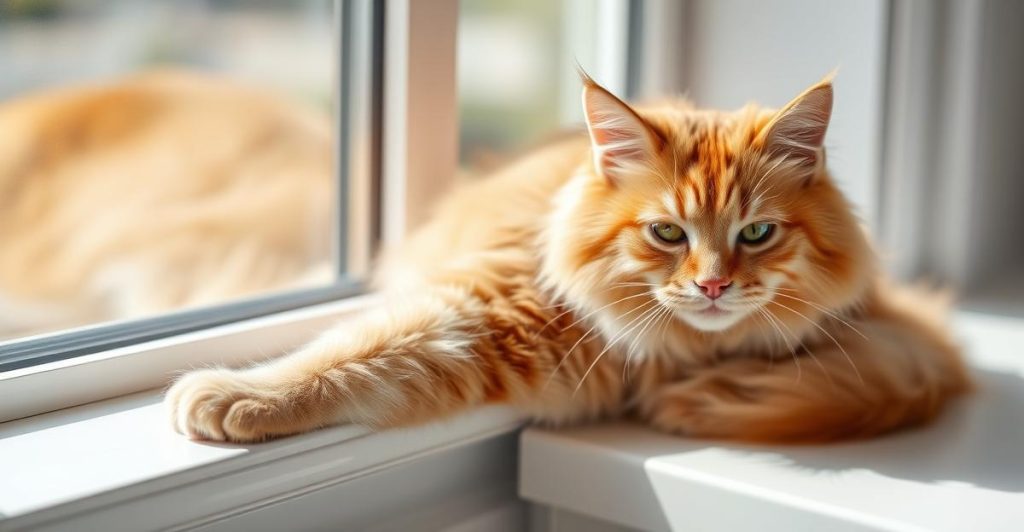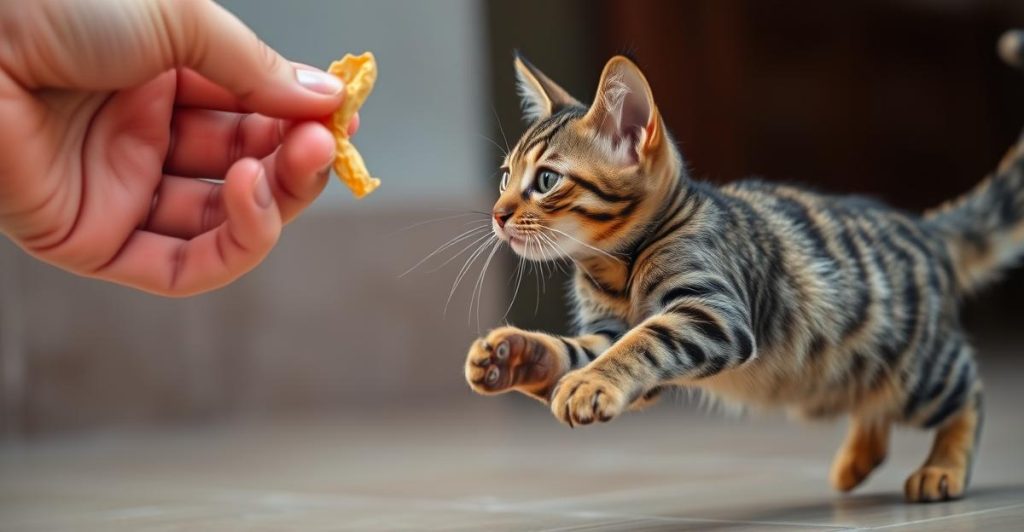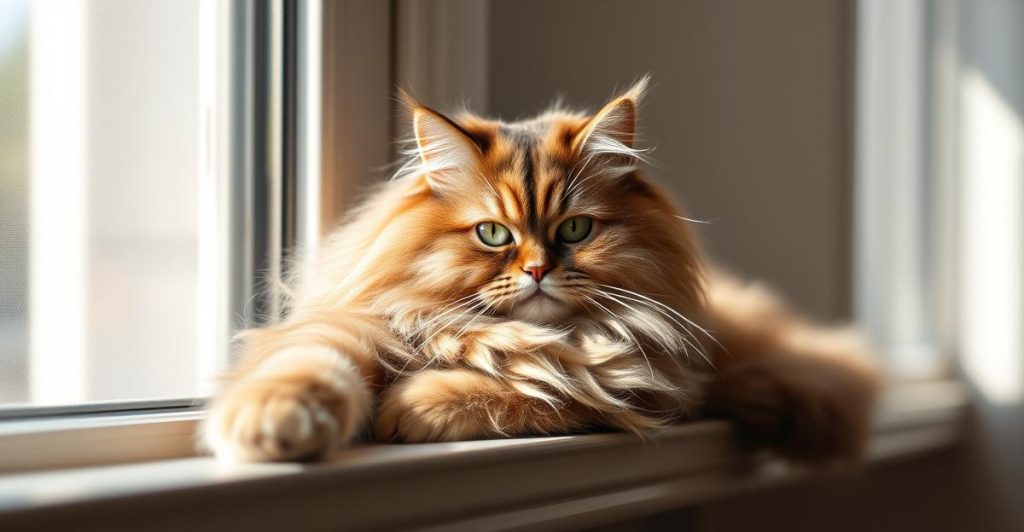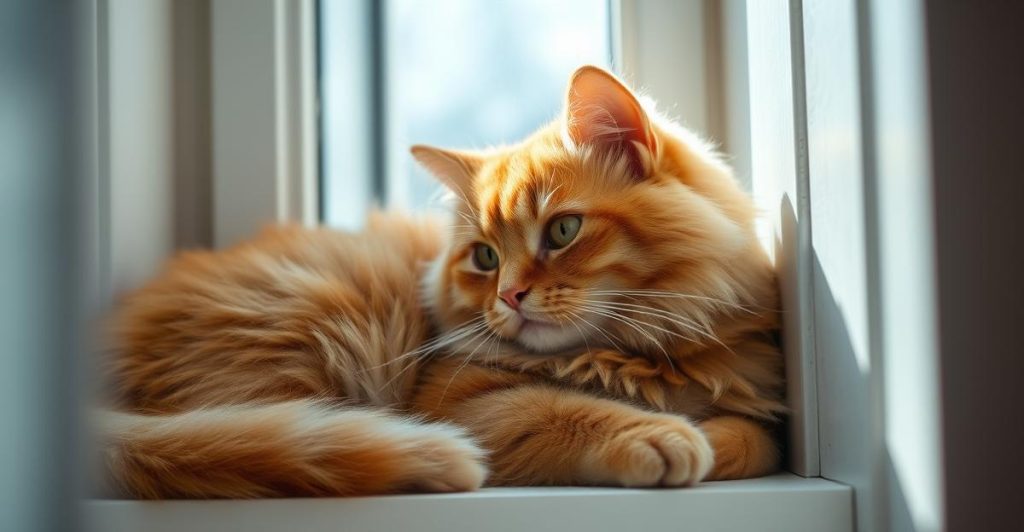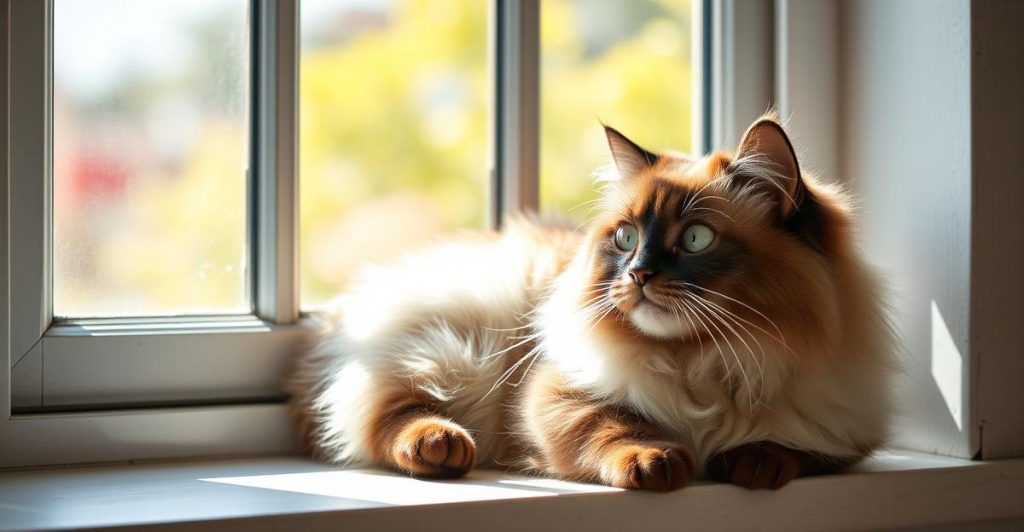

There’s something undeniably magical about the moment a Ragdoll cat decides to flop onto your lap, stretching out like a living, purring pillow. Their gentle eyes, silky coats, and laid‑back personalities make them one of the most beloved breeds for families, first‑time cat owners, and seasoned feline enthusiasts alike. Whether you’re already sharing your home with a fluffy Ragdoll or simply dreaming about adding one to your family, this guide will walk you through the playful charm, everyday habits, and lifestyle tips that keep these sweet companions happy and thriving.
What Makes the Ragdoll Cat So Irresistibly Playful?
The Ragdoll cat earned its name from a unique quirk: when picked up, they often go limp, like a ragdoll, trusting their human’s hands completely. This trusting nature pairs perfectly with an innate love of play. Here are a few traits that set the Ragdoll apart:
- Gentle temperament: Ragdolls are known for their calm, affectionate demeanor, making them eager participants in interactive games.
- Dog‑like loyalty: Many owners report that their Ragdoll follows them from room to room, eager to be included in every activity.
- Love of height: While they enjoy lounging, Ragdolls also love climbing to a perch where they can watch the world, turning any cat tree into a stage for playful antics.
- Interactive curiosity: From feather wands to puzzle toys, Ragdolls stay engaged when you introduce new challenges.
Understanding these natural tendencies helps you create a daily routine that satisfies both their need for affection and their playful spirit.
Creating a Play‑Friendly Environment
Designing a home that encourages safe, stimulating play doesn’t have to be complicated. Below are practical steps you can take to turn any living space into a cat‑centric wonderland.
- Strategic toy placement: Scatter a mix of interactive toys—such as feather wands, laser pointers, and soft balls—across your favorite rooms. Rotate them weekly to keep the novelty fresh.
- Cat‑friendly furniture: Invest in a sturdy cat tree with multiple levels, scratching posts, and cozy hideaways. Ragdolls love to perch high and then leap down for a game of chase.
- Window perches: Install a secure shelf or a hammock near a sunny window. The view of birds or passing cars adds visual stimulation and encourages gentle swatting practice.
- Safe indoor “hunting” zones: Use cardboard tunnels, paper bags, or crinkly paper rolls as makeshift hide‑outs where your Ragdoll can stalk and pounce.
Remember, the goal is to provide a variety of textures, heights, and interactive elements that keep your Ragdoll cat curious and content.
Daily Wellness Routines for a Happy Ragdoll
While Ragdolls are low‑maintenance compared to some high‑energy breeds, establishing a consistent wellness routine helps them stay relaxed and sociable. Below are simple habits that promote overall happiness.
- Gentle grooming sessions: Their semi‑long coat benefits from a weekly brush to prevent tangles. Turn grooming into a bonding moment by speaking softly and offering a treat afterward.
- Hydration stations: Place a shallow water bowl near a favorite resting spot. Some Ragdolls enjoy running water, so a small pet fountain can encourage regular drinking.
- Scheduled playtimes: Aim for two short (10‑15 minute) play sessions each day—once in the morning and once in the evening. This mirrors their natural hunting bursts and prevents boredom.
- Quiet cuddle time: After play, offer a calm lap or a soft blanket where your Ragdoll can unwind. Their love of human contact makes this a perfect way to end the day.
These routines are not only enjoyable for your cat but also strengthen the bond you share, turning everyday moments into cherished memories.
Feeding Habits That Complement Their Playful Lifestyle
Ragdoll cats thrive on a balanced diet that fuels their gentle energy and supports their beautiful coat. While we won’t prescribe specific medical diets, here are general feeding tips that align with an active, happy lifestyle.
- Consistent meal schedule: Offer meals at the same times each day—typically morning and evening—to create a predictable routine.
- Portion control: Use a measuring cup to serve appropriate portions based on your cat’s age and activity level. Over‑feeding can lead to a sluggish demeanor.
- Fresh water always: Change the water daily and keep the bowl clean to encourage regular drinking.
- Interactive feeding: Slow‑feed puzzle bowls turn mealtime into a mental challenge, keeping your Ragdoll engaged while promoting healthy eating habits.
Ragdoll Play vs. Rest: Indoor vs. Outdoor Activities
| Aspect | Indoor Play | Outdoor Play (Supervised) |
|---|---|---|
| Safety | Fully controlled environment; no exposure to traffic or predators. | Requires a secure, enclosed space or harness; potential for unexpected encounters. |
| Stimuli Variety | Can use toys, tunnels, and interactive gadgets. | Natural sounds, scents, and moving shadows provide richer sensory input. |
| Physical Exertion | Moderate; depends on play intensity and toy selection. | Higher; opportunities to chase, climb, and explore varied terrain. |
| Bonding Opportunities | Direct human interaction; easy to monitor and reward. | Shared outdoor adventures foster trust and confidence. |
| Maintenance | Easy to clean toys; minimal mess. | Potential for dirt, pollen, or minor injuries; requires post‑play grooming. |
Socializing Your Ragdoll Cat with Family and Guests
Ragdoll cats are natural people‑pleasers, often seeking out human companionship. However, proper socialization ensures they remain comfortable around new faces and bustling households.
- Gradual introductions: When guests arrive, let your Ragdoll approach at its own pace. Offer a treat or gentle petting to create a positive association.
- Family participation: Involve all family members in play sessions. This teaches the cat that every person is a source of fun and affection.
- Quiet zones: Provide a retreat—such as a covered cat bed—where the Ragdoll can escape if the activity becomes overwhelming.
- Positive reinforcement: Praise or reward calm behavior with soft words and a gentle scratch behind the ears.
By fostering a welcoming atmosphere, your Ragdoll cat will develop confidence and continue to be the affectionate companion you adore.
Travel Tips: Bringing Your Ragdoll Along for the Ride
While many Ragdoll owners consider them indoor‑only companions, occasional travel can be a rewarding experience for both cat and owner. Follow these guidelines to ensure a smooth journey.
- Secure carrier: Choose a well‑ventilated carrier that allows your cat to stand, turn, and lie down comfortably.
- Familiar scents: Place a favorite blanket or a piece of clothing with your scent inside the carrier to reduce anxiety.
- Short practice trips: Start with brief car rides to the local park, rewarding calm behavior with treats.
- Hydration stops: Offer water during longer trips, especially in warm weather.
- Maintain routine: Stick to feeding and play schedules as closely as possible, even while on the road.
With patience and preparation, your Ragdoll cat can enjoy the excitement of new surroundings while staying safe and comfortable.
Frequently Asked Questions
Do Ragdoll cats need a lot of exercise?
Ragdolls are moderately active. Short, engaging play sessions twice a day—using toys that encourage gentle pouncing and chasing—are usually sufficient to keep them fit and happy.
How often should I brush my Ragdoll’s coat?
A weekly brush helps prevent tangles and reduces shedding. During seasonal shedding periods, you may want to brush two to three times a week for optimal coat health.
Can a Ragdoll cat get along with other pets?
Yes! Ragdolls are known for their friendly disposition and often get along well with other cats and even dogs, especially when introductions are handled calmly and slowly.
Is a Ragdoll cat suitable for a busy household?
Absolutely. Their adaptable nature and love of human interaction make them great companions for families with varying schedules. Providing regular playtime and affection will ensure they feel secure and content.
Disclaimer: This article is intended for informational and entertainment purposes only. It does not replace professional veterinary advice. Always consult a qualified vet for your cat's health and dietary needs.