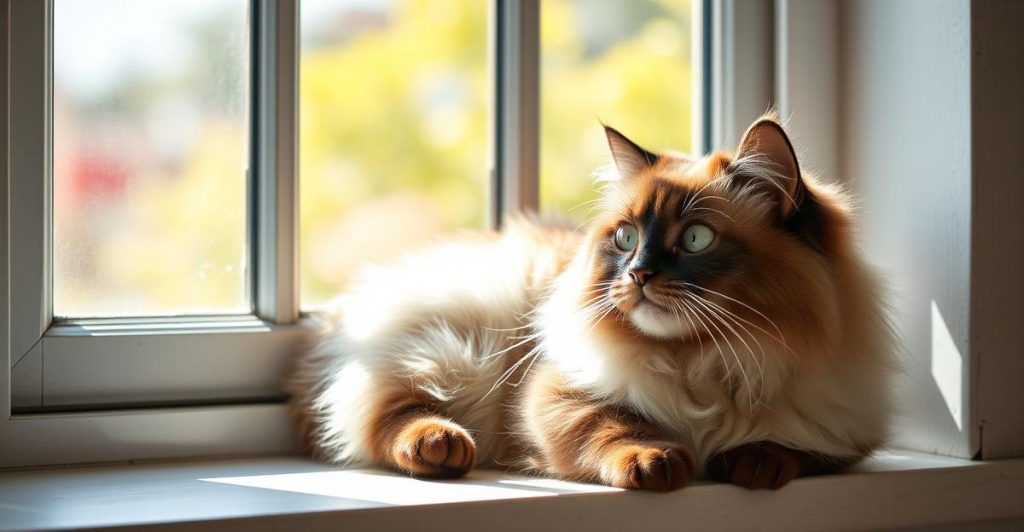

Ever caught your cat locked in a silent, unblinking stare at an empty wall, and wondered if they’ve discovered a secret portal? You’re not alone. Many cat owners experience the mysterious “cat stare” that seems to turn an ordinary room into a stage for feline curiosity. While it can feel puzzling—or even a little eerie—this behavior is actually a window into your cat’s natural instincts, sensory world, and desire for mental stimulation. In this article we’ll decode the reasons behind the cat stare, explore how to channel that focused energy into fun, enriching play, and give you practical tips to keep your whiskered companion happy, healthy, and endlessly entertained.
Understanding the Mystery: Why Do Cats Stare at Empty Walls?
Before you start brainstorming elaborate ghost‑hunting gear, it helps to remember that cats are hunters at heart. Their senses are finely tuned to detect the tiniest movements, sounds, and changes in light. A seemingly blank wall may actually be a canvas of subtle activity that only a cat can perceive.
- Micro‑movements: Even the slightest ripple in the air—caused by a draft, a distant insect, or a flicker of light—can catch a cat’s eye.
- Sound vibrations: High‑frequency noises, like the buzz of a fluorescent light or the hum of a refrigerator, are audible to cats but often go unnoticed by humans.
- Instinctual scanning: In the wild, a cat constantly surveys its environment for prey. The “cat stare” is a modern echo of that vigilance.
- Curiosity and boredom: When there isn’t enough stimulation, a cat may fixate on a wall as a way to fill the mental gap.
Understanding these triggers turns the cat stare from a mysterious habit into a clue about what your feline friend needs—more engagement, variety, and opportunities to exercise those keen senses.
What the Cat Stare Might Be Telling You
Each cat is unique, but the cat stare often carries a common set of messages. Decoding them can help you respond with the right type of play or enrichment.
- “I’m bored, let’s play!” A prolonged stare can be a gentle nudge for interactive fun.
- “I sense something, can you check it?” Your cat might be hearing a faint sound or seeing a shadow that you missed.
- “I’m feeling safe and relaxed.” A calm, steady gaze can also indicate contentment and a secure environment.
- “I need a mental workout.” Cats love puzzles; a stare can be the first step toward a brain‑boosting challenge.
By paying attention to the context—time of day, location, and your cat’s body language—you can better interpret the cat stare and respond in a way that strengthens your bond.
Turning the Stare into Interactive Play
The most rewarding way to redirect the cat stare is to transform it into a game that satisfies both predatory instincts and curiosity. Below are step‑by‑step ideas that turn a wall‑gazing session into a lively playtime ritual.
1. The “Shadow Chase” Game
Use a flashlight or a laser pointer to create a moving dot on the wall. Move it slowly at first, mimicking the subtle motion that may have originally caught your cat’s eye. As your cat becomes engaged, vary the speed and direction to keep the hunt exciting.
2. Interactive Wall Panels
Install a low‑profile, cat‑safe wall panel with pockets for feather toys or crinkly strips. When your cat stares, gently tap the panel to release a small surprise, encouraging a paw‑tap or a swipe.
3. Sound‑Stimulating Toys
Place a battery‑operated toy that emits soft rustling or chirping noises near the wall. The sound will complement the visual stimulus and invite your cat to investigate further.
4. DIY “Cat TV”
Set up a tablet or small screen on a wall at cat height and play looping videos of birds, fish, or small rodents. The moving images can capture the same attention a cat stare seeks, turning passive watching into active paw‑tracking.
Remember to keep each session short (5‑10 minutes) to avoid overstimulation. End the play with a gentle petting session or a treat to reinforce the positive connection.
Enriching the Environment for Curious Gaze
Beyond immediate play, a cat’s environment should offer ongoing opportunities for sensory discovery. Here are practical ways to make everyday spaces more engaging, turning any empty wall into a stage for exploration.
- Vertical spaces: Install cat shelves, a tall cat tree, or wall‑mounted perches. Height gives cats a new perspective and reduces the temptation to stare at static walls.
- Window views: Place a comfortable perch near a sunny window. Birds, passing cars, and changing weather provide a natural “cat TV” that satisfies curiosity.
- Rotating toys: Hang a set of feather wands or soft ribbons on a low hook near the wall. Rotate them weekly to keep the scent and texture fresh.
- Texture panels: Attach sections of sisal rope, carpet tiles, or textured fabric to a wall at cat level. Cats love to rub and knead different surfaces.
- Gentle scents: Use a few drops of cat‑safe essential oil (like valerian or catnip) on a small cloth placed near the wall. The subtle aroma can draw attention and encourage investigation.
By layering visual, auditory, and tactile stimuli, you create a dynamic environment that reduces the need for a cat to fixate on a single spot for entertainment.
Tools & Toys: Choosing the Right Playmates for the Cat Stare
Not every toy will convert a stare into action. Below is a quick guide to selecting the most effective options based on your cat’s preferences.
- Feather wands: Ideal for cats that love to chase airborne targets.
- Laser pointers: Perfect for quick, high‑energy chases, but always end with a tangible toy to avoid frustration.
- Interactive puzzle feeders: Combine mental stimulation with a tasty reward, turning curiosity into problem‑solving.
- Crinkle balls: Their noise mimics small prey and encourages batting.
- Catnip‑filled plush toys: Great for cats that respond to scent, providing a soothing yet stimulating experience.
Rotate toys every few days to keep the novelty factor high. A well‑curated toy collection can transform the cat stare from a puzzling habit into a springboard for joyful activity.
Indoor vs Outdoor Play Activities: Which Is Best for Your Cat?
| Aspect | Indoor Play | Outdoor Play |
|---|---|---|
| Safety | Controlled environment; no traffic or predators. | Potential exposure to cars, other animals, and parasites. |
| Stimuli Variety | Can be customized with toys, puzzles, and interactive walls. | Natural sounds, scents, and moving prey. |
| Physical Exercise | Depends on owner engagement; may need more active toys. | Higher opportunity for running, climbing, and jumping. |
| Weather Dependence | Year‑round activity regardless of weather. | Limited by rain, heat, or cold. |
| Bonding Time | Direct interaction with owner during play sessions. | Can be independent; less owner involvement. |
Most cats thrive with a blend of both indoor enrichment and safe, supervised outdoor experiences (like a catio or leash walks). Use the table above to tailor a play schedule that matches your cat’s personality and your lifestyle.
Creating a Routine: From Stare to Daily Play
Consistency is key. By integrating short, focused play sessions into your daily schedule, you turn the cat stare into a predictable cue for fun. Here’s a simple routine you can try:
- Morning check: Notice any wall‑gazing moments after breakfast. If you see a cat stare, launch a quick “shadow chase” with a flashlight for 5 minutes.
- Mid‑day enrichment: Place a puzzle feeder near the favorite staring spot. Let your cat work for a small treat while you’re away.
- Evening wind‑down: Use a laser pointer to create a final burst of activity before bedtime, followed by a calm petting session.
This routine not only satisfies the cat’s instinctual needs but also reinforces a positive association between the cat stare and interactive play.
When the Stare Persists: Observing Body Language
Occasionally, a cat may maintain a prolonged stare even after you’ve offered play. While we avoid medical diagnosis, it’s useful to watch for accompanying signals that indicate mood or comfort level:
- Ears forward or slightly rotated: Indicates curiosity and readiness to engage.
- Tail gently swishing: Shows excitement or anticipation.
- Slow blinking: A sign of trust and contentment.
- Rigid posture or flattened ears: May suggest overstimulation; give your cat space.
By reading these cues, you can decide whether to continue the play invitation or let your cat enjoy a quiet moment of observation.
FAQ
Why does my cat stare at a wall for minutes on end?
Cats have highly sensitive vision and hearing. Small movements, light changes, or high‑frequency sounds can capture their attention. The stare often signals curiosity, boredom, or a desire for mental stimulation.
Can I use a laser pointer safely?
Yes, as long as you always end the session with a tangible toy or treat. This prevents frustration because the cat can “catch” something physical after the chase.
How often should I engage my cat in play to reduce staring?
Short, frequent play sessions (5‑10 minutes) 2‑3 times a day are ideal. This mirrors a cat’s natural hunting bursts and keeps them mentally satisfied.
Is it normal for my cat to stare at a wall while I’m working from home?
Absolutely. Cats often seek moments of entertainment while you’re occupied. Use a quick interactive toy or a window perch to give them a safe outlet for curiosity.
Disclaimer: This article is intended for informational and entertainment purposes only. It does not replace professional veterinary advice. Always consult a qualified vet for your cat's health and dietary needs.