
Discover the Playful Charm of the Ragdoll Cat Breed
Imagine coming home after a long day and being greeted by a gentle, floppy‑shouldered feline who instantly curls up in your lap, purring like a tiny motor. That’s the everyday magic of Ragdoll cats. Known for their striking blue eyes, silky semi‑long coats, and a temperament that feels more like a loyal dog than a typical cat, Ragdolls bring a blend of elegance and playfulness to any household. Whether you’re a seasoned cat enthusiast or a first‑time pet parent, this guide will walk you through everything you need to know to welcome a Ragdoll into your life and keep them thriving with joy.
Origins and History: From Hollywood to Your Living Room
The story of Ragdoll cats begins in the 1960s with a California breeder named Ann Baker. While experimenting with a Siamese‑type male named Joseph, she noticed an unexpected trait: when picked up, the kitten would go limp, much like a ragdoll. This unique “floppy” response, combined with a calm disposition, sparked the creation of an entirely new breed.
Ragdolls quickly captured the hearts of movie producers and TV directors, making cameo appearances in several 1970s films. Their regal appearance and laid‑back nature made them perfect on‑screen stars, and the breed’s popularity surged worldwide. Today, Ragdolls are celebrated not only for their beauty but also for their sociable, affectionate personalities that fit seamlessly into modern family life.
Personality Profile: Why Ragdoll Cats Are the Ultimate Playful Companions
Ragdoll cats are often described as “dog‑like” because of their love for human interaction. Here are the key traits that make them stand out:
- Gentle Giants: Weighing between 10–20 pounds, they’re one of the larger domestic breeds, yet they move with a graceful, relaxed gait.
- Social Butterflies: They thrive on companionship and will often follow their owners from room to room.
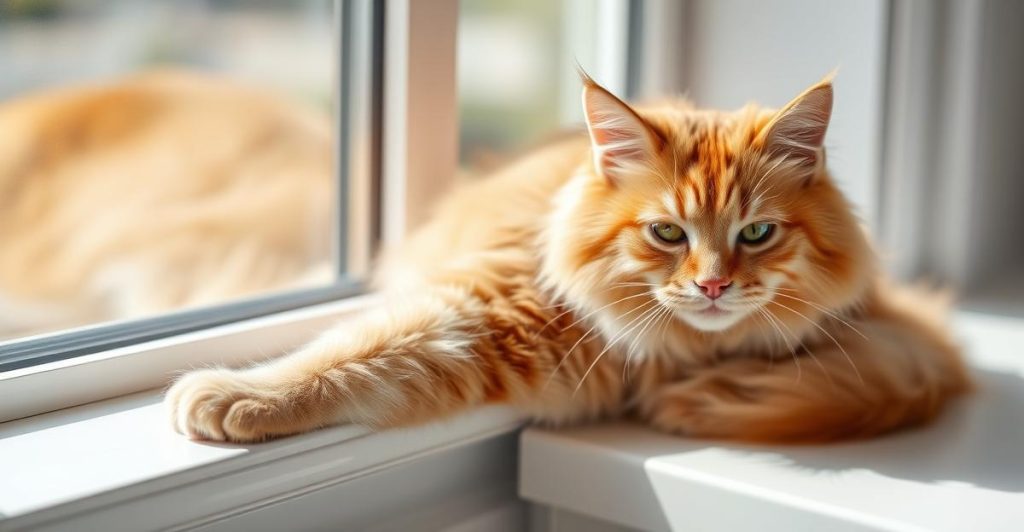
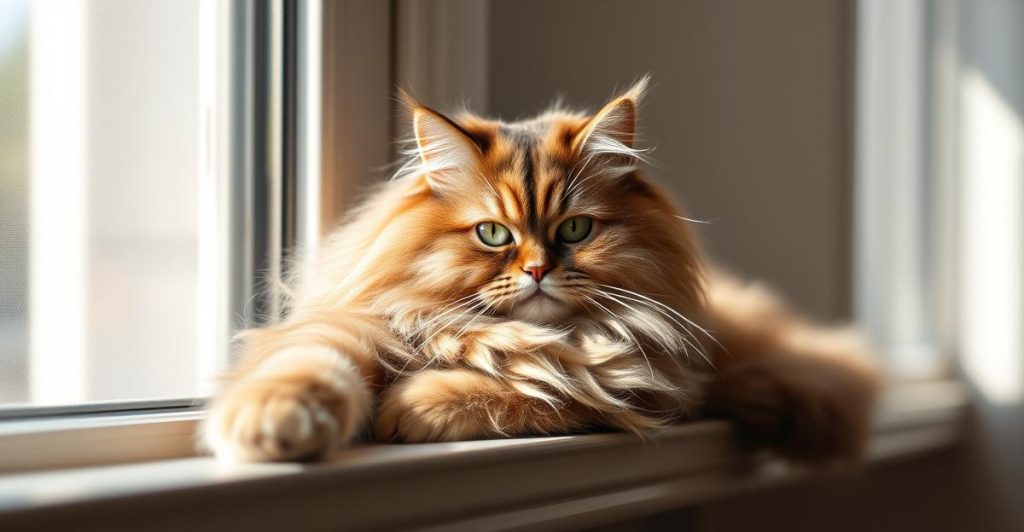
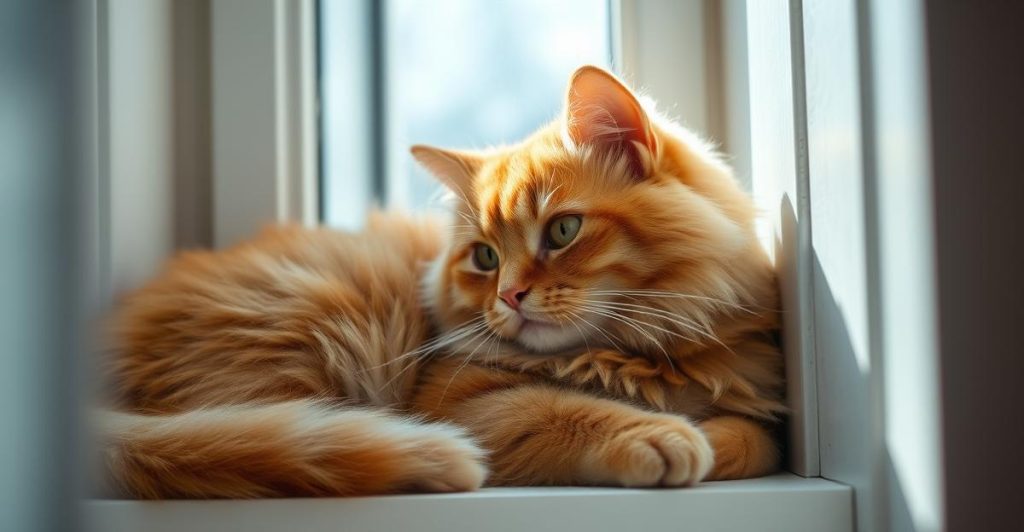
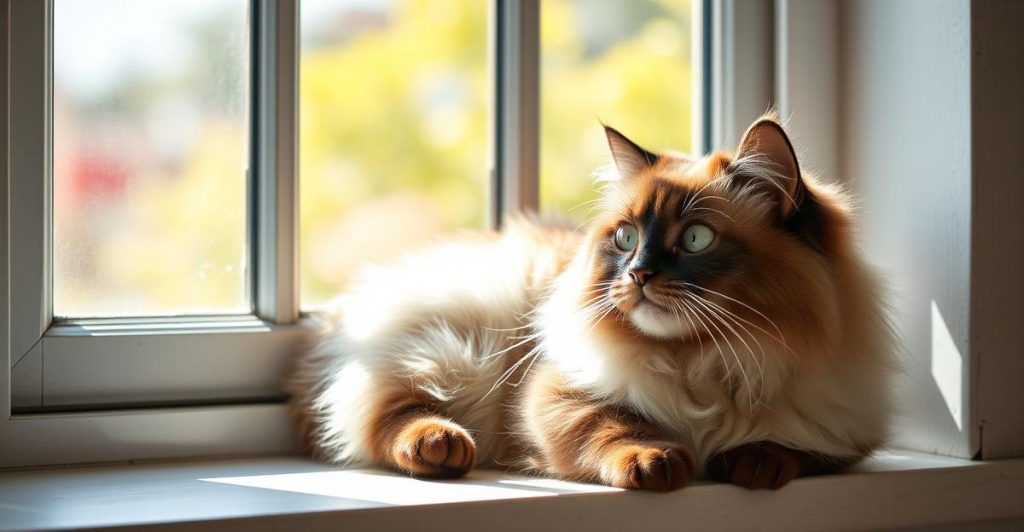
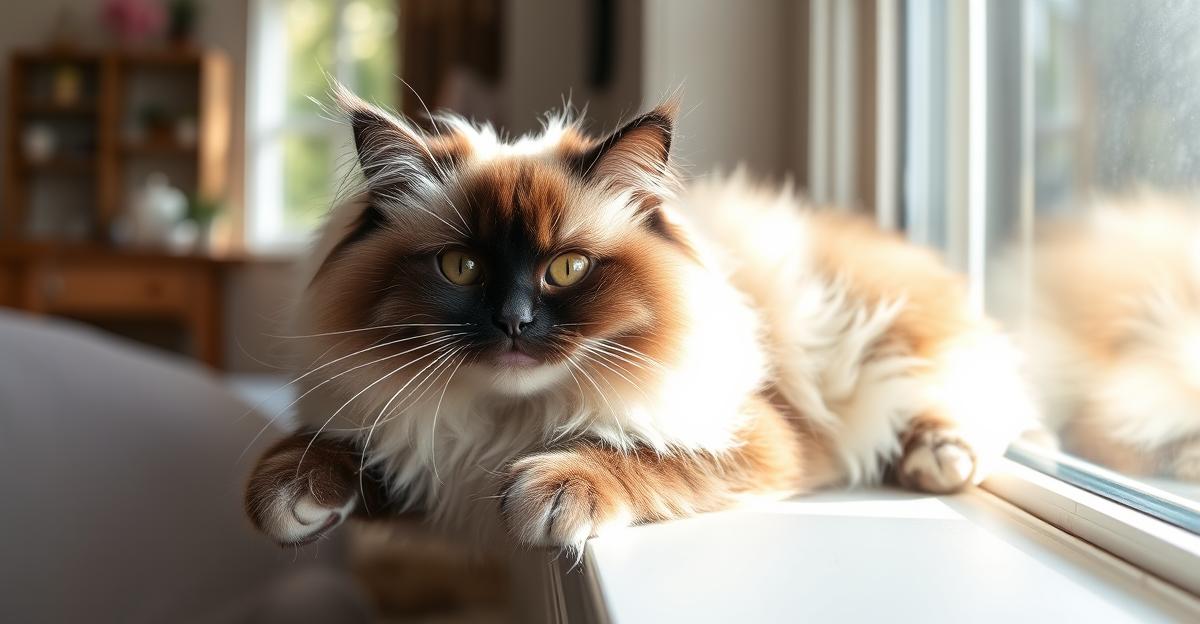
- Playful Yet Calm: While they love interactive toys, they also enjoy lounging on a sunny windowsill for hours.
- Adaptable: Whether you live in a bustling apartment or a spacious house, Ragdolls adjust well to various environments.
Because of these qualities, Ragdoll cats are especially suited for families with children, seniors seeking a calm companion, or anyone who wants a cat that actively participates in daily life.
Creating a Happy Home: Ideal Living Environment and Enrichment
Ragdoll cats flourish when their surroundings encourage both relaxation and gentle stimulation. Below are practical tips to set up a cat‑friendly space that promotes well‑being.
- Cozy Perches: Install sturdy cat trees or window shelves where your Ragdoll can bask in sunlight.
- Soft Bedding: Provide plush blankets or a dedicated cat bed that mimics the softness of a ragdoll’s fur.
- Interactive Toys: Feather wands, laser pointers, and puzzle feeders keep their curiosity alive without overstimulation.
- Safe Zones: Designate quiet corners for retreat when they need a moment of solitude.
- Vertical Space: Ragdolls love to climb; vertical scratching posts prevent furniture damage and satisfy natural instincts.
Remember, the key is balance: enough activity to keep them engaged, paired with ample opportunities for calm, restful lounging.
Grooming and General Care: Keeping That Silky Coat Shining
One of the most rewarding aspects of owning a Ragdoll is the luxurious feel of their semi‑long fur. While they don’t have an undercoat that mats easily, regular grooming helps maintain coat health and reduces shedding.
- Weekly Brushing: Use a wide‑tooth comb or a slicker brush to remove loose hair and prevent tangles.
- Baths (Occasional): Most Ragdolls enjoy a gentle bath once every few months, especially if they’ve been on an outdoor adventure.
- Nail Trimming: Trim the tips every 2–3 weeks to keep claws comfortable for both the cat and your furniture.
- Dental Care: Offer dental chews or brush with a cat‑safe toothpaste a few times a month to promote fresh breath.
- Ear Checks: Gently wipe the outer ear with a damp cotton ball weekly to remove wax buildup.
These simple routines not only keep your Ragdoll looking picture‑perfect but also strengthen the bond through gentle, shared moments.
Feeding and Hydration: Simple Strategies for Everyday Wellness
Ragdoll cats have hearty appetites and appreciate a balanced diet that supports their active yet relaxed lifestyle. Focus on the following principles to ensure they stay happy and energetic:
- Consistent Meal Times: Feed at the same times each day to create a predictable routine.
- Fresh Water: Keep a bowl of clean water refreshed daily; consider a cat water fountain to encourage drinking.
- High‑Quality Protein: Choose commercially available cat foods that list real meat as the first ingredient.
- Portion Control: Follow the manufacturer’s guidelines and adjust based on your cat’s activity level and body condition.
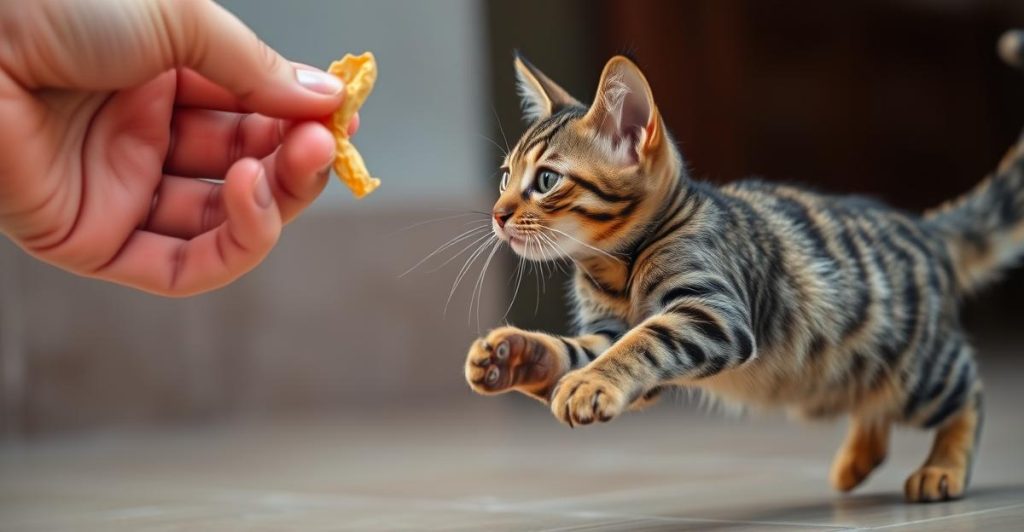
- Healthy Treats: Offer occasional cat‑friendly treats, such as freeze‑dried chicken or small pieces of cooked fish, for training and bonding.
By keeping meals simple, regular, and nutritionally sound, you’ll help your Ragdoll maintain a sleek coat, bright eyes, and a playful spirit.
Training, Play, and Socialization: Turning Playtime into Quality Time
Because Ragdoll cats are eager to please, they respond well to gentle training techniques. Here’s how to turn everyday interactions into enriching experiences:
- Clicker Training: Use a soft clicker followed by a treat to reinforce desired behaviors like “sit,” “high five,” or “come.”
- Recall Games: Call your cat’s name and reward them when they come to you; this builds a reliable response for safety.
- Interactive Play Sessions: Spend 10–15 minutes twice a day with feather wands or laser pointers to satisfy hunting instincts.
- Socializing with Guests: Introduce new people gradually, allowing the Ragdoll to approach at its own pace while offering treats.
- Gentle Handling: Practice picking up and holding your cat calmly; Ragdolls love being cradled, reinforcing their signature “floppy” trait.
These activities nurture confidence, strengthen trust, and keep your Ragdoll mentally sharp.
Indoor Play vs. Outdoor Exploration: Choosing the Right Activities for Your Ragdoll
| Aspect | Indoor Play | Outdoor Exploration |
|---|---|---|
| Safety | Fully controlled environment; no traffic or predators. | Requires supervised harness or secure catio; potential exposure to hazards. |
| Physical Exercise | Interactive toys, climbing trees, and laser play provide moderate activity. | Natural terrain, climbing branches, and chasing insects boost stamina. |
| Mental Stimulation | Puzzle feeders and rotating toys keep curiosity alive. | New scents, sounds, and sights stimulate sensory exploration. |
| Bonding Opportunities | Owner‑directed play strengthens human‑cat connection. | Shared outdoor time (e.g., walking on a leash) deepens trust. |
| Maintenance | Easy cleanup; minimal fur loss on furniture. | Potential for mud, pollen, or minor injuries; extra grooming needed. |
For most households, a balanced mix of indoor enrichment and supervised outdoor experiences offers the best of both worlds, keeping Ragdoll cats both safe and satisfied.
Frequently Asked Questions
Do Ragdoll cats get along with other pets?
Yes! Their gentle nature makes them excellent companions for other cats, dogs, and even small animals. Introduce new pets slowly, using scent swapping and short, supervised meetings to ensure a smooth transition.
How much exercise does a Ragdoll need each day?
Ragdolls enjoy moderate activity. Aim for two short play sessions (10–15 minutes each) plus opportunities for climbing and exploring. This routine helps maintain a healthy weight and a happy demeanor.
Are Ragdoll cats suitable for apartment living?
Absolutely. Their calm temperament and adaptability make them perfect for smaller spaces. Provide vertical enrichment (cat trees, shelves) and interactive toys to keep them mentally engaged.
What grooming tools work best for a Ragdoll’s coat?
A wide‑tooth comb for weekly brushing, followed by a slicker brush for occasional tangles, works well. A grooming glove can also be a fun, bonding alternative for daily petting.
Disclaimer: This article is intended for informational and entertainment purposes only. It does not replace professional veterinary advice. Always consult a qualified vet for your cat's health and dietary needs.