
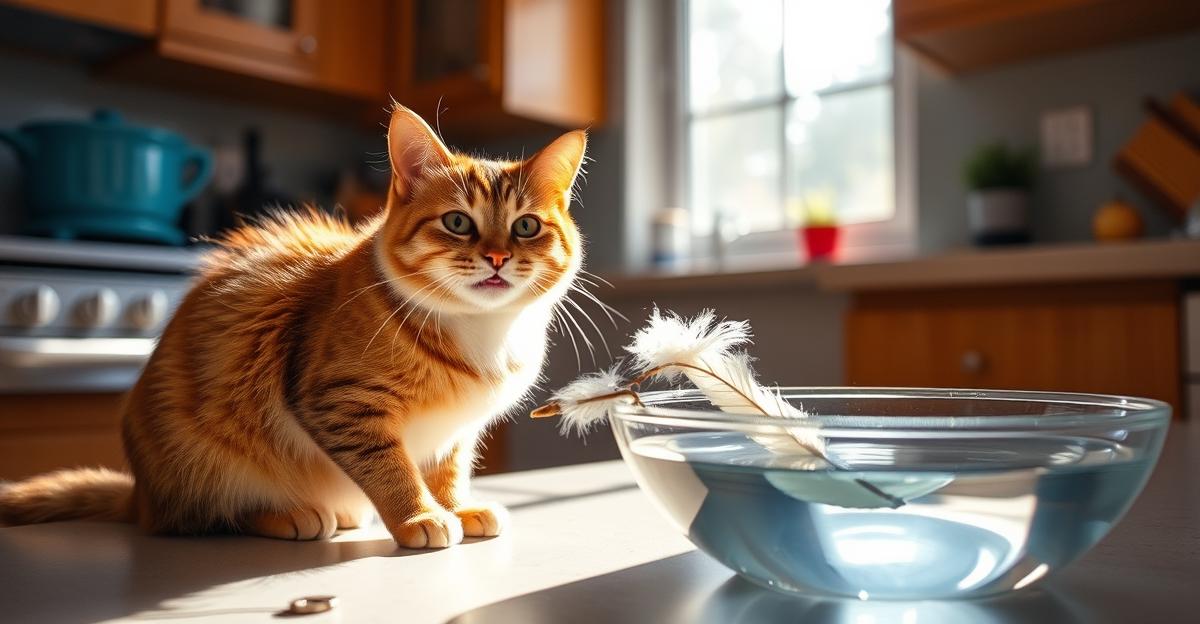
There’s nothing quite like the soft purr of a contented feline curled up in a sunny spot, eyes half‑closed, tail gently swaying. When your cat feels safe, stimulated, and well‑cared for, those moments become a daily celebration of a happy cat thriving in your home. Whether you’re a seasoned cat parent or just welcomed a new whiskered friend, the secret to lasting joy lies in simple, consistent habits that nurture both body and spirit. Below are ten practical, easy‑to‑implement ways to keep your cat’s days bright, active, and full of feline bliss.
Create a Predictable Routine for a Happy Cat
Cats are natural creatures of habit. A steady schedule helps them feel secure, reduces stress, and encourages playful curiosity. By aligning feeding, playtime, and quiet moments, you set the stage for a calm, confident companion.
- Same‑time meals: Offer breakfast and dinner at the same hours each day. Even a quick “good morning” cue signals it’s time to eat.
- Morning stretch session: Spend five minutes gently encouraging your cat to stretch with a feather wand or a rolling ball. This mirrors their natural sunrise activity.
- Evening wind‑down: Dim the lights an hour before bedtime and engage in low‑key petting. A quiet routine signals it’s time to settle.
- Consistent litter maintenance: Scoop the litter box at the same times each day. A clean box reinforces the feeling that their space is respected.
- Scheduled grooming: Brushing once or twice a week at a set time helps your cat associate grooming with comfort and bonding.
Enrich the Environment: Play, Scratch, and Explore
Stimulating surroundings keep a cat’s mind sharp and muscles toned. The goal isn’t just entertainment; it’s to provide outlets for natural instincts like hunting, climbing, and scratching.
- Vertical territory: Install wall‑mounted shelves or a cat tree. Even a simple cardboard box placed on a high surface invites climbing.
- Interactive toys: Rotate feather wands, laser pointers, and puzzle feeders weekly to keep curiosity alive.
- Scratching stations: Place sisal posts near favorite resting spots. Cats love to stretch and mark territory while keeping claws healthy.
- Window views: Set a perch near a sunny window with a bird feeder outside. Watching “outside TV” provides endless fascination.
- Hide‑and‑seek games: Tuck treats under cups or inside paper rolls. This taps into their natural foraging behavior.
Nourish with Balanced Hydration and Feeding Habits
Good nutrition isn’t just about the food you choose; it’s about how you present it and how often your cat drinks. Proper hydration and mindful feeding routines support a lively, energetic feline.
- Fresh water daily: Change the water at least once a day and consider a cat‑friendly fountain to encourage sipping.
- Scheduled feeding windows: Offer meals twice daily rather than free‑feeding. Predictable times help regulate energy levels.
- Portion control: Use a measuring cup to serve the recommended amount. Overeating can lead to sluggishness.
- Mix textures: Combine a small portion of wet food or broth with dry kibble a few times a week for variety and extra moisture.
- Interactive feeding: Use puzzle bowls that release kibble slowly, turning mealtime into a mental workout.
Grooming and Hygiene: Simple Steps to Shine
Regular grooming does more than keep the coat glossy; it strengthens the bond between you and your cat while preventing uncomfortable mats and skin issues.
- Brush weekly: A soft bristle brush works well for short‑haired cats, while a de‑shedding tool benefits longer coats.
- Check ears and eyes: A quick glance each day can spot debris or excess tear staining, which you can gently wipe with a damp cloth.
- Dental care: Offer dental chew toys or a cat‑safe toothpaste on a soft brush a few times a month to maintain fresh breath.
- Nail trimming: Trim the tip of each claw once a month if your cat doesn’t naturally wear them down on scratching posts.
- Bath alternatives: For cats that tolerate water, a quick sponge bath with a cat‑specific shampoo can be refreshing during hot months.
Social Interaction and Mental Stimulation
Even the most independent cat craves connection. Positive human interaction and mental challenges keep a cat emotionally balanced and eager to explore.
- Talk softly: Use a calm, melodic voice when you’re near your cat. They respond to tone and will often come for a gentle head‑butt.
- Training tricks: Teach simple commands like “sit” or “high five” using clicker training and tiny treats. It’s a fun way to engage their brain.
- Rotate toys: Keep a stash of toys hidden and swap them out weekly to maintain novelty.
- Cat‑friendly apps: Tablet games designed for cats—moving fish or fluttering insects—can provide short bursts of mental activity.
- Quiet cuddle time: Set aside a few minutes each day for lap snuggles or gentle stroking, reinforcing trust and affection.
Monitor and Celebrate Everyday Wellness
While we avoid medical diagnoses, paying attention to everyday signs helps you celebrate your cat’s happiness and catch subtle changes early.
- Energy levels: A playful, curious cat that explores its environment is a good indicator of contentment.
- Appetite and water intake: Consistent eating and drinking patterns suggest balanced well‑being.
- Litter box habits: Regular, clean elimination shows comfort with the environment.
- Vocalizations: Soft purrs, chirps, and occasional meows are signs of a cat feeling safe and engaged.
- Body language: A relaxed posture, slow blinking, and a gently swaying tail signal a happy cat ready for interaction.
Comparison Table: Indoor Play vs. Outdoor Play Activities
| Aspect | Indoor Play | Outdoor Play |
|---|---|---|
| Safety | Controlled environment, no traffic or predators. | Exposure to traffic, wildlife, and weather. |
| Stimulus Variety | Can be varied with toys, puzzles, and rotating accessories. | Natural scents, sounds, and moving prey‑like insects. |
| Physical Exercise | Requires active engagement from owner to mimic hunting. | Opportunities for sprinting, climbing, and jumping. |
| Supervision | Owner can directly monitor behavior and intervene. | Less direct oversight; relies on cat’s self‑regulation. |
| Weather Dependence | Unaffected by rain, heat, or cold. | Limited during extreme weather conditions. |
Frequently Asked Questions
How often should I change my cat’s water?
Refreshing the water at least once a day keeps it appealing and encourages regular drinking, which supports overall vitality.
What is the best way to introduce a new toy?
Present the toy during a short play session, using movement or sound to spark interest. Rotate the toy after a few days to maintain excitement.
Can I let my cat explore the backyard safely?
If you have a secure, fenced area, supervised outdoor time can provide valuable stimulation. Always watch for potential hazards and consider a harness for added safety.
Why does my cat sometimes stare at walls?
Cats may focus on subtle movements, shadows, or sounds that are invisible to us. It’s a normal curiosity that adds to their mental enrichment.
Disclaimer: This article is intended for informational and entertainment purposes only. It does not replace professional veterinary advice. Always consult a qualified vet for your cat's health and dietary needs.