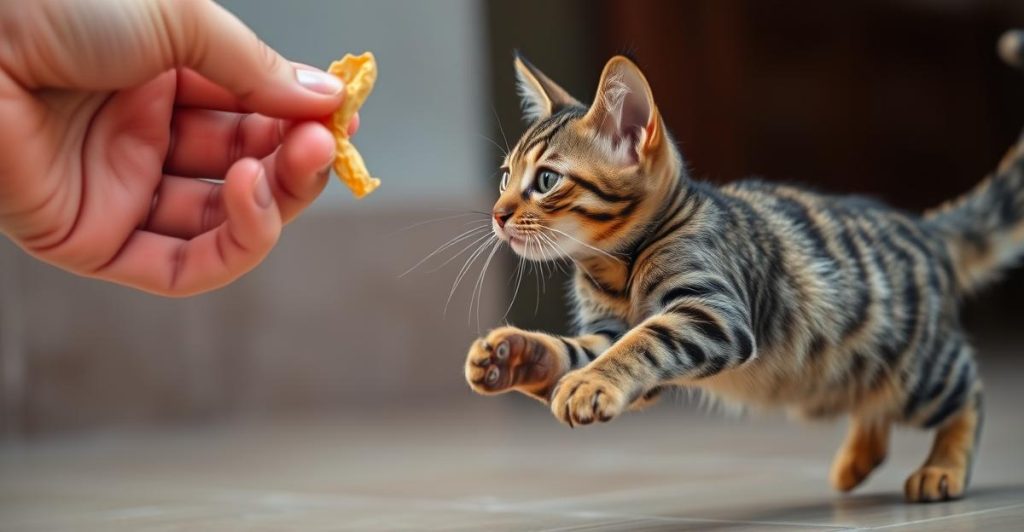

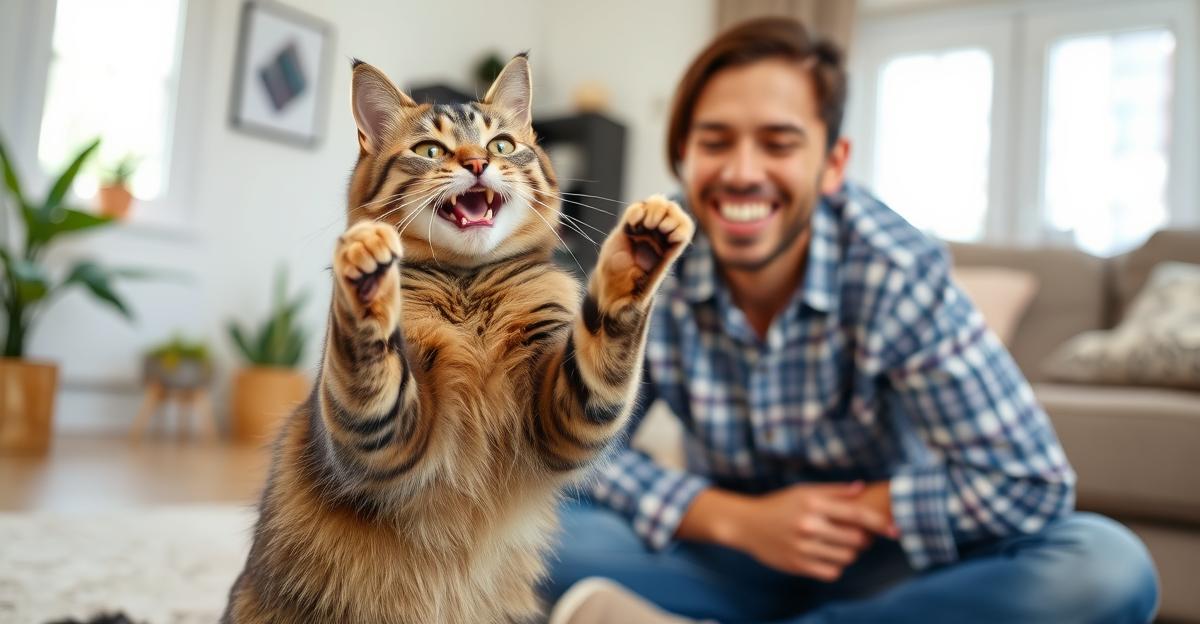
Imagine the delight of watching your whiskered companion proudly perform a tiny high‑five or gracefully spin on command, all while you share a burst of laughter and bonding. Teaching cat tricks isn’t just a party trick—it’s a wonderful way to boost mental stimulation, strengthen the human‑feline connection, and sprinkle everyday moments with playful joy. Whether you have a curious kitten or a seasoned senior cat, simple, positive training can turn ordinary routines into extraordinary fun. Let’s explore how to introduce cat tricks that feel natural, rewarding, and perfectly suited to your cat’s personality.
Why Teaching Cat Tricks Enriches Your Cat’s Life
Cats are natural hunters and explorers, constantly seeking mental challenges and physical outlets. When you engage them in structured play like cat tricks, you tap into these instincts in a safe, controlled environment. The benefits go beyond the occasional applause:
- Boosted Confidence: Successfully mastering a new move reinforces a cat’s sense of competence.
- Enhanced Bonding: Shared training sessions create trust and deepen your relationship.
- Improved Focus: Short, rewarding tasks help sharpen attention spans.
- Physical Activity: Many tricks involve gentle stretching or jumping, supporting overall wellness.
- Stress Relief: Interactive play releases endorphins, keeping both cat and owner relaxed.
Remember, the goal is joy, not perfection. Celebrate each tiny step, and you’ll notice a happier, more engaged feline friend.
Getting Started: Setting the Stage for Success
Before diving into specific cat tricks, create a training environment that feels safe and inviting. Here are the essential prep steps:
- Choose a Quiet Space: A calm room free from sudden noises helps your cat stay focused.
- Gather Low‑Value Treats: Small, soft morsels like freeze‑dried chicken or catnip‑infused kibble work best as quick rewards.
- Use a Clicker or Verbal Marker: A consistent sound (a clicker or a short “yes!”) signals the exact moment your cat does something right.
- Keep Sessions Short: Aim for 3‑5 minutes per session, 1‑2 times a day. Cats have short attention spans, and brief bursts keep enthusiasm high.
- Observe Body Language: Look for signs of contentment—slow blinking, relaxed ears, and a gently swaying tail. If your cat seems stressed, pause and try later.
By establishing a predictable routine, you lay the groundwork for learning without overwhelming your cat.
Easy “Sit” and “Come” Tricks for Beginners
Just like dogs, cats can learn basic commands such as “Sit” and “Come.” These foundational tricks are excellent stepping stones because they rely on simple body cues and can be practiced anywhere.
Teaching “Sit”
Step 1 – Capture the Position: Hold a treat just above your cat’s head and slowly move it backward. Most cats will naturally sit to keep balance while following the treat.
Step 2 – Mark the Moment: As soon as the cat’s hindquarters touch the floor, click the clicker (or say “yes!”) and give the treat.
Step 3 – Add a Cue Word: Once the motion is consistent, introduce a verbal cue like “Sit” just before you move the treat.
Step 4 – Practice and Fade Treats: Gradually reduce treat frequency, rewarding with praise or a gentle petting session.
Teaching “Come”
Step 1 – Choose a Safe Distance: Start 3‑4 feet away. Call your cat’s name followed by a clear “Come.”
Step 2 – Lure with a Treat: When your cat moves toward you, click and reward. If they hesitate, gently coax with a favorite toy.
Step 3 – Increase Distance: Slowly extend the range, always rewarding the moment they arrive.
Step 4 – Make It Fun: End each session with a quick play burst, reinforcing that “Come” leads to enjoyable interaction.
These simple commands not only look impressive but also give you reliable ways to call your cat inside or guide them away from potential hazards.
Playful Pounce and High‑Five: Fun Interactive Tricks
Once your cat is comfortable with basic commands, you can add a dash of flair. Tricks that mimic natural hunting behavior—like pouncing or batting—are especially engaging.
High‑Five
- Step 1 – Offer Your Hand: Hold a treat in your closed fist and present your palm to the cat.
- Step 2 – Encourage Contact: Most cats will paw at the treat. When the paw touches your hand, click and reward.
- Step 3 – Add the Cue: Introduce “High‑Five” just before presenting your hand.
- Step 4 – Practice: Gradually open your hand after the paw makes contact, turning the gesture into a true high‑five.
Pounce Through a Hoop
All you need is a lightweight hoop (like a hula‑hoop) and a favorite toy.
- Step 1 – Position the Hoop: Place it on the floor and toss a toy through it.
- Step 2 – Capture the Jump: When your cat leaps through, click and reward.
- Step 3 – Raise the Challenge: Slightly elevate the hoop or move it to a new spot to keep the game fresh.
This trick encourages agility, builds confidence, and provides a satisfying burst of exercise.
Using Clicker and Treats Wisely
Positive reinforcement is the heart of cat training. Here’s how to keep treats and clickers both effective and healthy:
- Keep Treats Tiny: Treats should be no larger than a pea; this prevents over‑feeding while maintaining motivation.
- Mix Up Rewards: Rotate between treats, gentle petting, and a few seconds of play to keep your cat guessing.
- Timing Is Everything: The click or verbal marker must occur the instant the desired behavior happens—this builds a clear association.
- Stay Consistent: Use the same cue word and marker each time; consistency speeds up learning.
- End on a Positive Note: Finish each session with a successful trick and a reward, even if it’s just a soft chin rub.
Keeping Training Sessions Positive and Safe
Training should always feel like a game, not a chore. Follow these guidelines to ensure safety and enjoyment for both you and your cat:
- Watch for Over‑Stimulation: If your cat’s ears flatten or tail flicks rapidly, pause and give a calm break.
- Avoid Physical Force: Never lift or push a cat into a position; let them move voluntarily.
- Use Soft Surfaces: Conduct sessions on carpet or a soft mat to protect joints during jumps.
- Stay Patient: Some cats may need several attempts before “getting” a trick. Celebrate micro‑successes.
- Maintain a Routine: Consistency helps cats anticipate training time, reducing anxiety.
When training feels like a shared adventure, both you and your cat will look forward to the next round of cat tricks.
Comparison Table: Indoor Play vs. Outdoor Exploration
| Aspect | Indoor Play (Cat Tricks) | Outdoor Exploration |
|---|---|---|
| Safety | Controlled environment; minimal risk of traffic or predators. | Higher exposure to hazards (cars, other animals). |
| Stimulus Variety | Can use toys, hoops, and interactive puzzles. | Natural scents, varied terrain, sunlight. |
| Physical Exercise | Focused bursts (pounce, high‑five, jump). | Longer bouts of running and climbing. |
| Training Opportunities | Ideal for teaching cat tricks and commands. | Less structured; more spontaneous play. |
| Weather Dependence | Year‑round, regardless of weather. | Limited by rain, extreme heat, or cold. |
Frequently Asked Questions
Can older cats learn new tricks?
Absolutely! Senior cats may move a bit slower, but they still enjoy mental challenges. Use gentler movements, keep sessions very short, and reward extra patience with extra affection.
How often should I practice cat tricks?
Two short sessions per day (3‑5 minutes each) are ideal. Consistency beats length; brief, frequent practice reinforces learning without causing fatigue.
What if my cat loses interest halfway through?
Take a break and try a different trick or a new toy. Sometimes switching the reward type (from treats to a favorite feather wand) rekindles enthusiasm.
Do I need special equipment for training?
Not at all. A clicker, a handful of tiny treats, and everyday household items like a soft ball or a lightweight hoop are enough to start teaching cat tricks.
Disclaimer: This article is intended for informational and entertainment purposes only. It does not replace professional veterinary advice. Always consult a qualified vet for your cat's health and dietary needs.