
Playful Ways to Keep Your Kitten Happy and Healthy
Bringing a new kitten into your home is like opening a tiny, furry gift box of curiosity and energy. One moment they’re snoozing in a sunbeam, the next they’re pouncing on a stray sock, turning everyday objects into thrilling adventures. As any cat lover knows, a content kitten isn’t just a joy to watch—it’s a sign of good overall wellness. In this guide we’ll explore practical, fun‑filled strategies that boost kitten happiness while supporting their natural instincts, social development, and physical vitality. Whether you’re a first‑time cat parent or a seasoned feline enthusiast, these ideas will help you create a playful environment that keeps your little explorer thriving.
Understanding Kitten Play Needs
Kittens are born with a powerful drive to explore, hunt, and interact. Play isn’t just a pastime; it’s a critical component of their growth, helping them develop coordination, confidence, and social skills. Below are the core reasons why play matters for kitten happiness:
- Physical development: Jumping, climbing, and sprinting strengthen muscles, improve balance, and promote healthy joints.
- Instinctual fulfillment: Hunting simulations satisfy natural predatory instincts, reducing frustration and potential mischief.
- Social bonding: Interactive play with humans or littermates teaches communication cues and builds trust.
- Stress reduction: Engaging activities release endorphins, keeping anxiety at bay during life changes like moving or new family members.
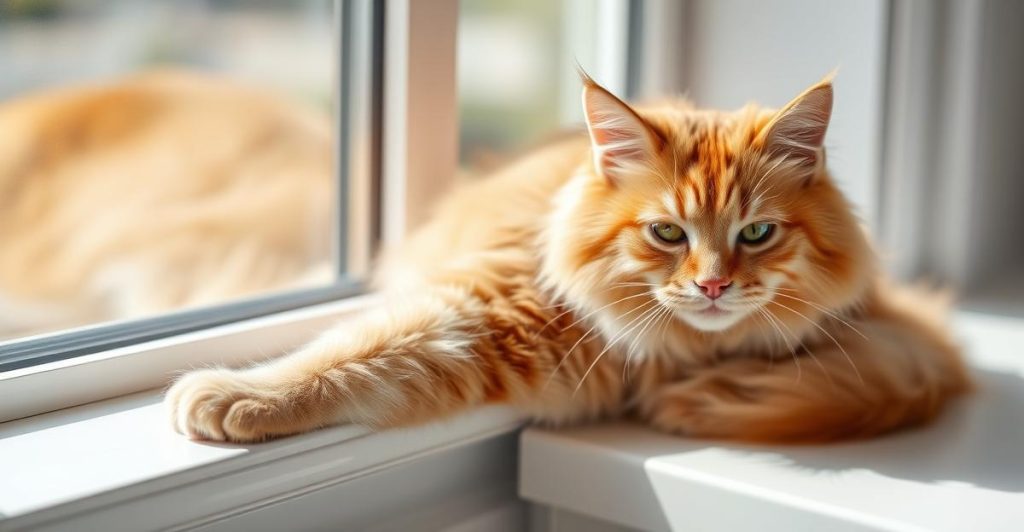
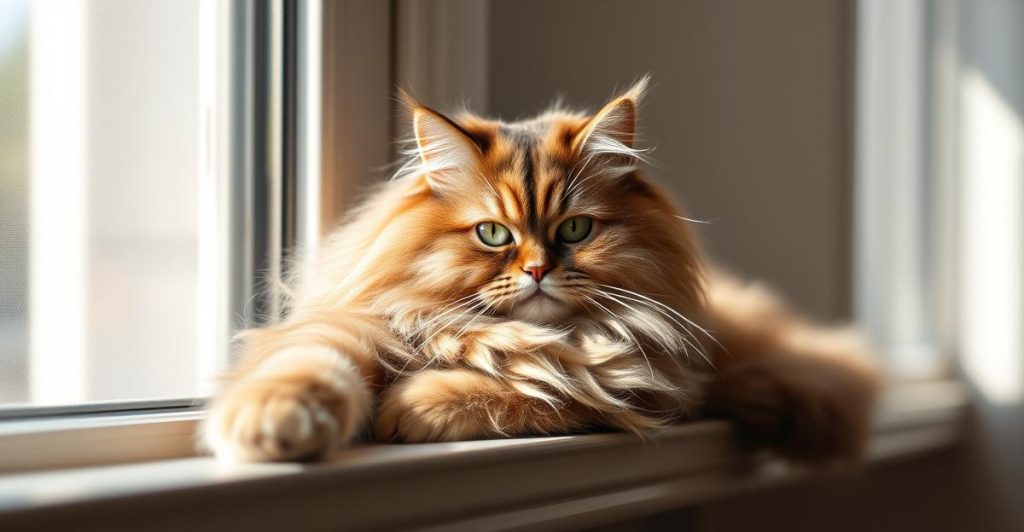
When a kitten feels safe and stimulated, you’ll notice bright eyes, a relaxed posture, and a willingness to explore further—all hallmarks of genuine kitten happiness.
Safe and Stimulating Play Environments
Creating a kitten‑friendly space is the first step toward a joyful, active life. Below are essential elements to consider when setting up a play zone:
- Secure boundaries: Use baby gates or playpens to confine the area, preventing accidental slips from high surfaces.
- Soft flooring: Rugs, carpet squares, or interlocking foam tiles cushion paws during high‑energy leaps.
- Vertical territory: Install cat trees, wall‑mounted shelves, or sturdy scratching posts to satisfy climbing urges.
- Varied textures: Provide a mix of plush toys, crinkly paper, and rope‑like strings to keep tactile interest high.
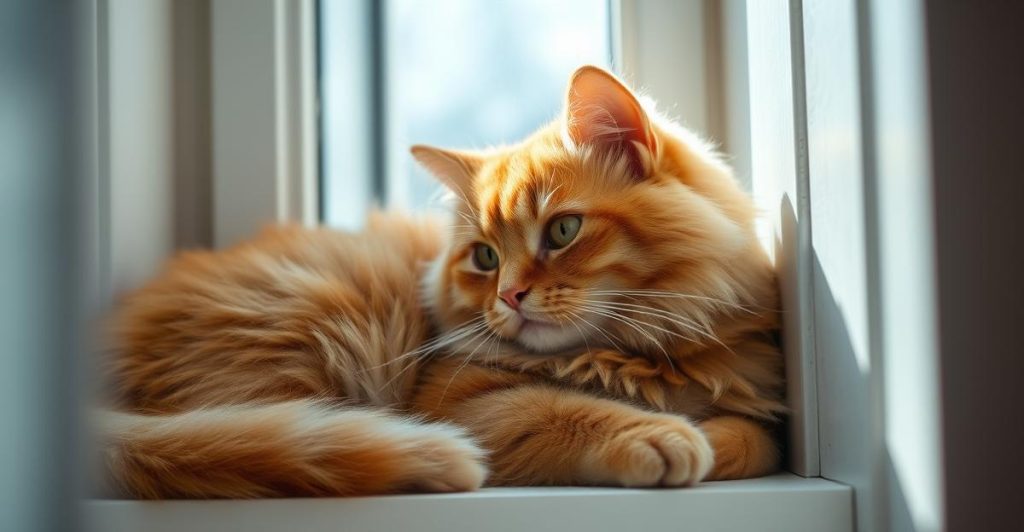
- Quiet corners: A cozy hideaway with a blanket gives a retreat for moments when the kitten needs a calm break.
Remember, safety isn’t about limiting fun—it’s about ensuring that each adventure ends with a happy, uninjured kitten. Regularly inspect toys for loose parts, and rotate items weekly to keep the environment fresh and engaging.
Creative Play Ideas for Every Day
Now that the stage is set, it’s time to fill it with activities that spark curiosity and encourage movement. Below are daily play routines that blend simplicity with imagination, all aimed at boosting kitten happiness:
Morning Energy Burst
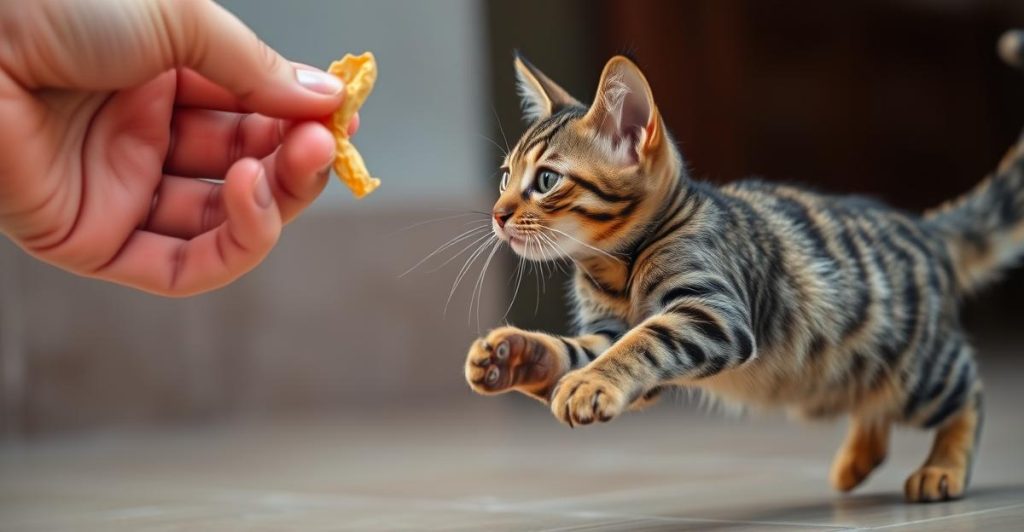
- Laser chase: A gentle, slow‑moving red dot across the floor mimics a fleeing insect. Keep sessions short (5‑7 minutes) to avoid overstimulation.
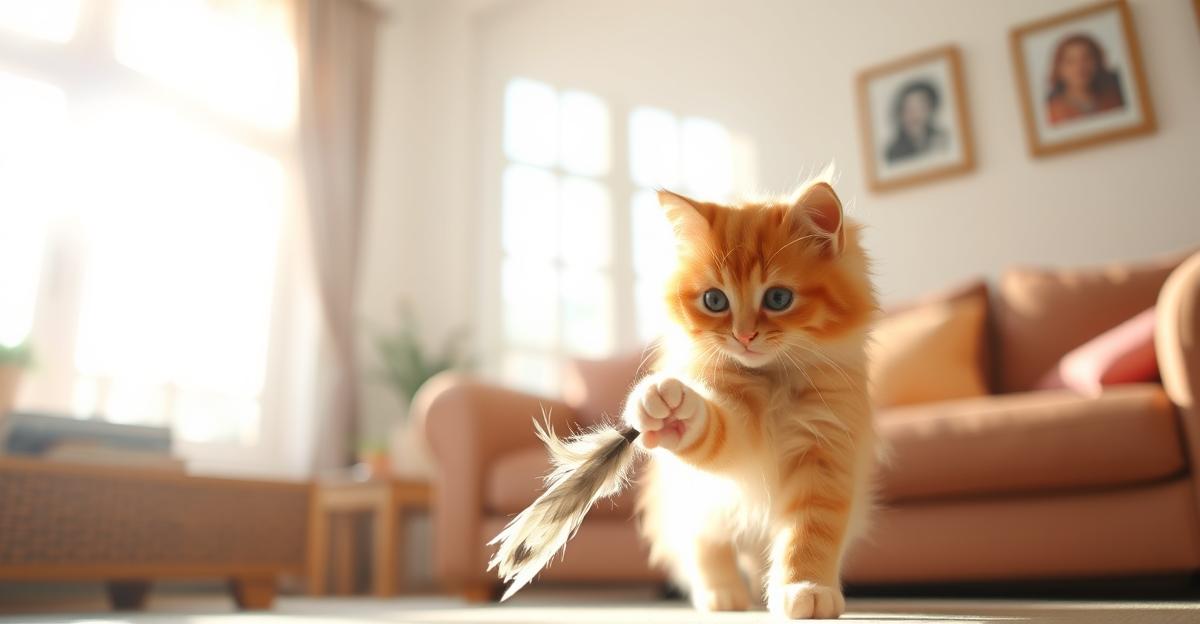
- Feather wand dance: Wave a feather‑tipped wand in unpredictable arcs, encouraging the kitten to leap, pounce, and stretch.
- Paper tunnel sprint: Roll a cardboard tube into a tunnel and place a few treats at the exit. The kitten will dash through, combining scent work with exercise.
Midday Mental Stimulation
- Interactive puzzle toys: Simple treat‑dispensing balls or sliding puzzles engage problem‑solving skills while rewarding curiosity.
- Hide‑and‑seek: Conceal a soft toy under a cup or behind a cushion, then reveal it slowly, teaching the kitten the joy of discovery.
- Sound play: Crinkle a paper bag or shake a small bell‑filled plush. The gentle noise triggers hunting instincts without startling the kitten.
Evening Wind‑Down
- Gentle grooming session: Use a soft brush to mimic mother cat grooming, reinforcing trust and providing a calming end to the day.
- Storytime snuggle: Sit on the floor with a book or soft music, allowing the kitten to curl up nearby. The rhythmic environment promotes relaxation.
- Low‑light chase: Dim the lights and use a soft glow toy that moves slowly, encouraging a calm, graceful hunt before bedtime.
Mixing these routines ensures that your kitten experiences a balanced blend of physical exertion, mental challenges, and soothing moments—all essential ingredients for lasting kitten happiness.
Building Positive Behavior Through Play
Play is also a powerful teacher. By guiding a kitten’s energy toward appropriate outlets, you shape habits that last a lifetime. Here are practical tips for reinforcing good behavior while keeping fun at the forefront:
- Reward desired actions: When the kitten uses a scratching post instead of furniture, praise verbally and offer a small treat.
- Redirect unwanted bites: If a nibble occurs during a play session, pause briefly, then offer a chew‑safe toy to satisfy the urge.
- Consistent cue words: Use a short phrase like “playtime” before initiating a session, and “stop” when it’s time to pause. Consistency helps the kitten understand boundaries.
- Short, frequent sessions: Kittens have brief attention spans. Five‑minute bursts spread throughout the day prevent overstimulation and keep enthusiasm high.
- Positive end‑of‑play signal: End each session with a gentle petting or a calm voice, signaling that playtime is complete and fostering a sense of security.
By integrating these strategies, you’ll notice fewer misbehaviors such as aggressive pouncing on hands, and more cooperative, confident interactions—clear signs that your kitten’s happiness is thriving.
Monitoring Happiness and Well‑Being
Even without medical diagnostics, you can gauge a kitten’s overall contentment through observable behaviors. Keep an eye on the following indicators:
- Playful posture: A relaxed spine, ears forward, and a gentle swish of the tail suggest excitement and comfort.
- Vocal cues: Soft chirps, trills, or gentle meows during interaction often signal joy and curiosity.
- Appetite and hydration: A steady interest in fresh water and regular feeding times reflect normal routine and satisfaction.
- Grooming habits: Light, regular self‑grooming shows a kitten feels secure; over‑grooming can indicate stress.
- Social engagement: Approaching you for cuddles, following you around, or initiating play are all positive social signs.
When you notice a consistent pattern of these happy behaviors, you can feel confident that your daily play strategies are working. If you ever observe sudden changes—like a loss of interest in toys or a shift in energy levels—consider a gentle check‑in with a trusted veterinarian to rule out any underlying concerns.
Indoor vs Outdoor Play Activities: A Quick Comparison
| Aspect | Indoor Play | Outdoor Play |
|---|---|---|
| Safety | Controlled environment; minimal risk of traffic or predators. | Exposure to weather, traffic, and wildlife; requires supervision or a secure enclosure. |
| Stimuli Variety | Limited to household objects; can be enhanced with toys and climbing structures. | Natural scents, sounds, and moving shadows provide richer sensory experiences. |
| Exercise Intensity | Can be high with interactive toys, laser pointers, and climbing trees. | Often includes more running and jumping due to open space. |
| Social Interaction | More focused on human‑kitten bonding; easier to manage multiple cats. | Potential encounters with other animals; can encourage natural social behaviors. |
| Convenience | Accessible year‑round; no weather constraints. | Season‑dependent; may require additional gear like harnesses or catios. |
FAQ
How often should I schedule play sessions for my kitten?
Aim for 4‑6 short sessions each day, lasting about 5‑10 minutes each. This matches a kitten’s natural burst of energy and helps prevent overstimulation.
What are the safest toys for a curious kitten?
Choose toys without small detachable parts, such as soft plush mice, feather wands, and rubber balls. Avoid strings longer than 6 inches unless you supervise closely.
Can I let my kitten explore the backyard safely?
If you have a secure, enclosed catio or use a well‑fitted harness with a leash, outdoor exploration can be a wonderful enrichment activity. Always supervise and ensure the area is free from hazards.
My kitten seems bored with the same toys—what should I do?
Rotate toys weekly to keep novelty high. Introducing simple DIY toys like a crumpled paper ball or a cardboard box with cut‑out doors can reignite curiosity without extra cost.
Disclaimer: This article is intended for informational and entertainment purposes only. It does not replace professional veterinary advice. Always consult a qualified vet for your cat's health and dietary needs.