
Imagine walking into your living room and finding a tranquil oasis where your feline friend can lounge, explore, and nap in pure bliss. A well‑designed cat sanctuary not only satisfies a cat’s instinctual need for safe, elevated hideaways, but it also enriches your home with a touch of whimsy and calm. Whether you share a tiny studio apartment or a spacious house, creating a cozy cat sanctuary is an artful blend of comfort, curiosity, and clever use of space. In this guide we’ll walk you through every step— from picking the perfect nook to adding playful touches—so you can craft a haven that keeps your cat purring and your home feeling harmonious.
Understanding the Need for a Cat Sanctuary
Cats are natural explorers, but they also cherish security. In the wild, a cat’s territory is a patchwork of safe perches, hidden tunnels, and soft bedding. Translating those instincts into a home environment means giving your cat a dedicated sanctuary where it can retreat, observe, and recharge without feeling exposed.
- Security: A private spot reduces stress and promotes confidence.
- Exercise: Vertical spaces encourage climbing, stretching, and natural movement.
- Stimulation: Varied textures and toys keep the mind sharp.
- Bonding: A shared, well‑planned area strengthens the human‑cat connection.
When a cat feels safe, it’s more likely to display its playful side, maintain a healthy weight through activity, and exhibit the relaxed body language that tells you it’s truly content.
Choosing the Perfect Spot
The first step in building a cat sanctuary is scouting the right location. Look for areas that naturally draw your cat’s attention—sun‑lit windows, quiet corners, or even under‑used furniture. Keep these factors in mind:
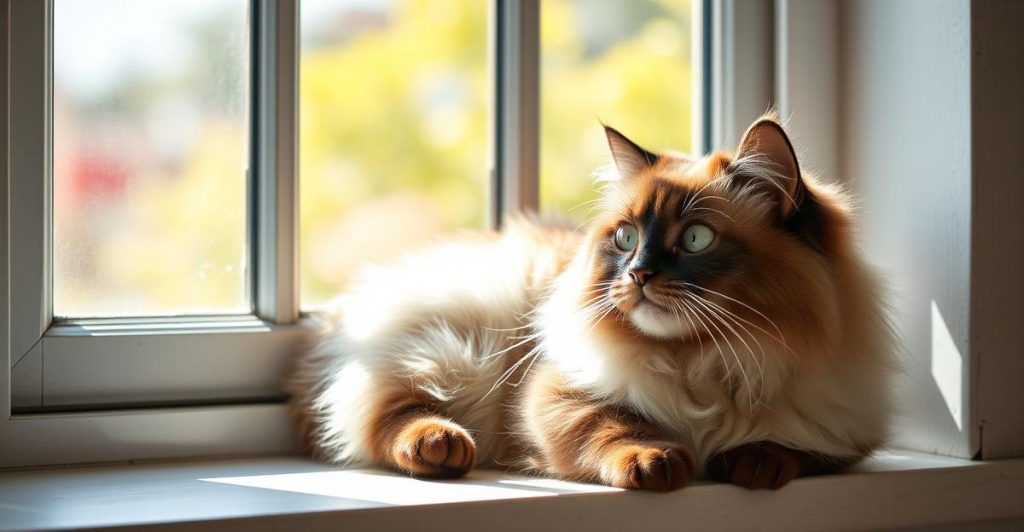
- Natural Light: Cats love basking in warm sunlight; a sunny windowsill can become a prime lounging zone.
- Quietness: Choose a low‑traffic area to minimize sudden noises that could startle your cat.
- Safety: Avoid spots near cords, heavy objects, or places where the cat could slip.
- Visibility: A spot where you can see your cat helps you monitor its wellbeing while still offering privacy.
Once you’ve identified the ideal nook, think vertically. Even a small shelf can become a lofty perch, while a sturdy bookshelf can double as a climbing tower when you add a few strategic modifications.
Essential Elements of a Cat Sanctuary
A cat sanctuary thrives on a mix of comfort, enrichment, and practicality. Below are the core components every cat‑friendly haven should include.
Comfortable Bedding
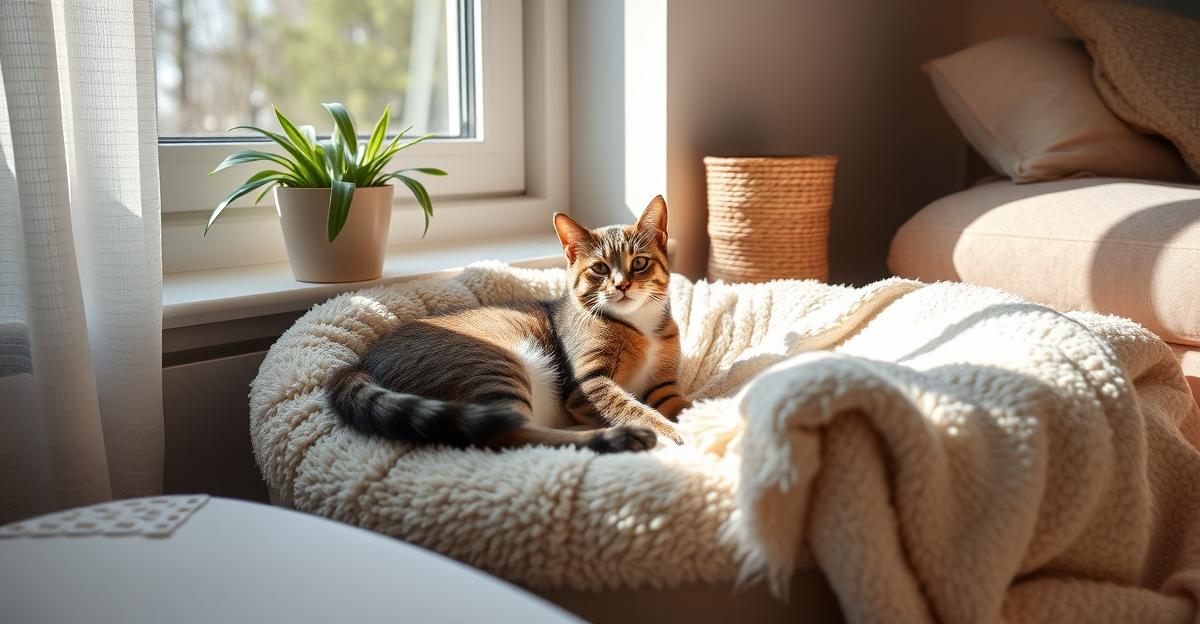
- Soft, washable blankets or a plush cat bed placed on a raised platform.
- Memory‑foam pads for joint support, especially for senior cats.
- Rotate bedding locations weekly to keep the scent fresh and inviting.
Vertical Space
- Wall‑mounted shelves or cat trees that allow your cat to survey the room.
- Sturdy cat condos with multiple levels for climbing and hiding.
- DIY options: repurpose a sturdy ladder or install floating wooden planks.
Interactive Toys & Scratching Surfaces
- Hang feather wands or puzzle toys from the ceiling to stimulate hunting instincts.
- Include a sisal‑wrapped post or a cardboard scratching pad to protect furniture.
- Rotate toys every few days to maintain novelty.
Cozy Hideaways
- Enclosed cat caves, igloo‑style beds, or a simple cardboard box with a soft blanket.
- Place hideouts near the sanctuary’s main perch so your cat can retreat without leaving the area.
Fresh Water Station
- Use a shallow, wide water bowl to encourage drinking.
- Consider a small pet fountain for moving water, which many cats find appealing.
- Refresh water daily to keep it clean and inviting.
DIY Enrichment Ideas
Personalizing a cat sanctuary doesn’t have to break the bank. Creative, low‑cost projects can add layers of interest that keep your cat engaged for hours.
- Window Perch Shelf: Secure a sturdy wooden board with brackets under a sunny window. Add a soft cushion and watch your cat become a sun‑bather.
- Cardboard Castle: Cut and tape together multiple boxes to form a multi‑room castle. Cut small entrance holes and line the interior with a plush blanket.
- Hanging Feather Toy: Tie a feather or soft fabric strip to a thin dowel and suspend it from the ceiling using a removable hook.
- Rotating Puzzle Box: Place a treat inside a small box with a removable lid. Change the lid’s position daily to keep the challenge fresh.
- Nature‑Inspired Scent Trail: Gently rub a dry brush on cat‑safe herbs like catnip or valerian, then drag the brush across a low‑profile walkway leading to the sanctuary.
These projects not only enrich the environment but also give you a sense of accomplishment as you watch your cat discover each new feature.
Maintaining a Calm and Safe Environment
Once your cat sanctuary is up and running, ongoing maintenance ensures it remains a haven for relaxation and play. Consistency is key—regular cleaning, periodic updates, and attentive observation will keep the space fresh and inviting.
- Cleaning Routine: Vacuum or sweep around the sanctuary weekly to remove hair and dust. Wash bedding and blankets every two weeks.
- Safety Checks: Inspect shelves, brackets, and DIY structures for wobble or wear. Tighten screws and replace any frayed cords.
- Rotation of Toys: Swap out toys and hideaways every few weeks to prevent boredom.
- Seasonal Adjustments: Add a lightweight blanket in winter or a cooling mat in summer to maintain comfort.
- Observation: Spend a few minutes each day watching how your cat uses the sanctuary. Adjust height, placement, or accessories based on its preferences.
By keeping the sanctuary tidy, safe, and ever‑changing, you’ll nurture a space where your cat feels secure, entertained, and deeply content.
Budget‑Friendly Upgrades for the Long‑Term
Even if you’re working with a modest budget, small upgrades can dramatically enhance the sanctuary’s appeal. Here are a few cost‑effective ideas that add value without a hefty price tag.
- Velcro‑Backed Fabric Panels: Attach soft fabric panels to the sides of a cat tree for added comfort and a tactile surface.
- Reusable Silicone Mats: Place these under water bowls or feeding stations for easy cleaning and slip resistance.
- LED Light Strips: Install low‑intensity, warm‑colored LED strips along the edges of shelves to create a gentle glow that encourages nighttime exploration.
- Recycled Fabric Toys: Cut old t‑shirts into strips and braid them into durable, washable toys.
- Adjustable Shelf Brackets: Use brackets that can be moved up or down as your cat grows or as you rearrange the space.
These upgrades not only extend the life of your sanctuary but also keep the environment dynamic, ensuring your cat continues to feel delighted and engaged.
Indoor vs Outdoor Play Activities
| Aspect | Indoor Play | Outdoor Play (Secure Enclosed Area) |
|---|---|---|
| Safety | Fully controlled environment; no traffic hazards. | Requires a secure, predator‑free enclosure. |
| Stimuli Variety | Can use toys, tunnels, and interactive puzzles. | Natural scents, sunlight, and gentle breezes. |
| Space Requirements | Vertical solutions maximize limited floor area. | Needs a dedicated fenced or screened space. |
| Weather Impact | Unaffected by rain, heat, or cold. | Seasonal adjustments needed (shade, shelter). |
| Maintenance | Easy to clean; toys can be washed regularly. | Regular checks for debris, pests, and safety. |
Frequently Asked Questions
What size should a cat sanctuary be?
The sanctuary should accommodate at least one comfortable perch, a hiding spot, and a play area. For a single cat, a space roughly 3 × 3 feet works well, while multiple cats benefit from a larger, multi‑level setup that offers several distinct zones.
Can I use any type of fabric for bedding?
Choose soft, breathable fabrics like cotton or fleece that are machine‑washable. Avoid materials that shed excessively or have loose threads that could be swallowed.
How often should I rotate toys and accessories?
Rotating every 2–3 weeks keeps novelty high and encourages natural hunting instincts. Store extra toys in a sealed container and swap them out regularly.
Is a cat tree necessary if I have shelves?
Shelves provide excellent vertical space, but a cat tree adds texture, scratching surfaces, and a dedicated climbing structure. If space allows, combining both offers the richest experience.
Disclaimer: This article is intended for informational and entertainment purposes only. It does not replace professional veterinary advice. Always consult a qualified vet for your cat's health and dietary needs.