
Welcome, fellow cat enthusiast! Whether you’re a seasoned cat parent or just beginning to share your home with a whiskered wonder, turning everyday cat care into a joyful routine is all about weaving love, curiosity, and a dash of play into the fabric of daily life. By sprinkling thoughtful cat care tips throughout your day, you’ll notice a happier, more relaxed feline companion who thrives on the rhythm you create together. Let’s explore how simple, intentional actions can transform ordinary moments into lasting bonds and a vibrant, contented cat‑life.
Setting the Stage: Crafting a Calm and Inviting Home
A peaceful environment sets the tone for your cat’s overall well‑being. Cats are sensitive to noise, lighting, and the flow of activity in the house. By curating a calm space, you lay the groundwork for a routine that feels safe and inviting.
- Designate a quiet zone: Choose a low‑traffic corner with a soft blanket or a cozy cat bed where your cat can retreat whenever the household buzzes.
- Soft lighting: Use warm, dimmable lamps in the evenings to mimic the natural sunset, helping your cat wind down.
- Background sounds: Low‑volume classical music or nature sounds can soothe a nervous cat and make routine tasks like grooming feel more relaxed.
- Consistent scent cues: A dab of lavender on a cotton ball (out of your cat’s reach) or a favorite feline‑friendly pheromone diffuser can signal “home sweet home.”
When your home feels like a sanctuary, your cat will naturally gravitate toward the routines you set, turning ordinary care moments into moments of contentment.
Daily Rituals: Simple Practices That Strengthen Your Bond
Rituals are the heartbeat of a thriving cat‑care routine. By incorporating a few predictable actions each day, you give your cat a sense of security and anticipation.
- Morning greeting: As soon as you rise, spend a minute sitting on the floor, offering gentle pets and a soft “good morning.” Cats love the predictability of a warm welcome.
- Scheduled feeding: Serve meals at the same times each day. Even if you’re offering dry kibble, a consistent schedule helps your cat’s internal clock stay balanced.
- Midday check‑in: A brief session of interactive play or a quick brush can break up the day, keeping your cat engaged and reinforcing your presence.
- Evening wind‑down: Dim the lights, turn off loud electronics, and engage in a low‑key activity like gentle petting or a short grooming session to signal bedtime.
These small, repeatable actions build trust and make your cat look forward to each part of the day, turning care into a shared celebration.
Playtime Power: Turning Fun into Fitness
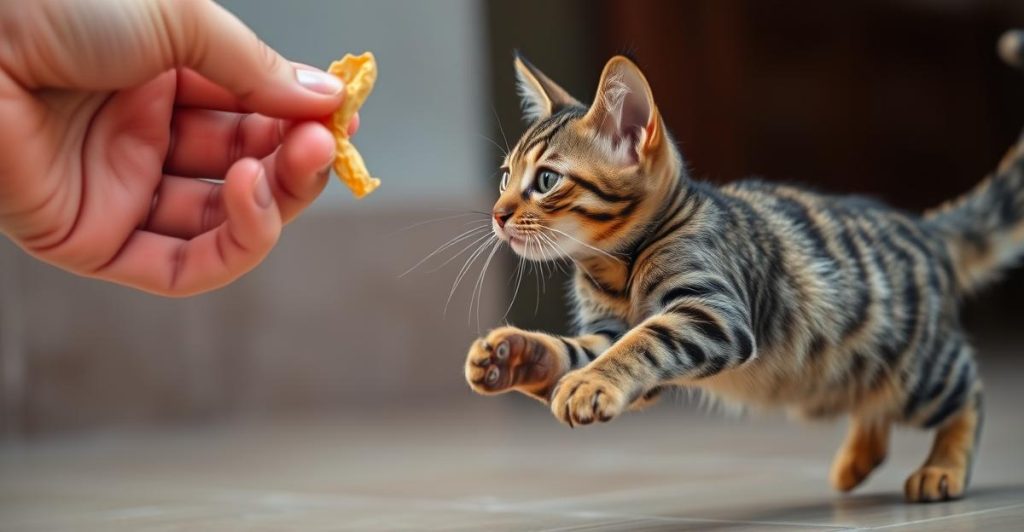
Play isn’t just entertainment; it’s essential exercise and mental stimulation. By integrating purposeful play into your routine, you keep your cat agile, curious, and emotionally satisfied.
- Short, frequent bursts: Aim for three to five 5‑minute play sessions spread throughout the day rather than one long marathon. Cats naturally prefer quick bursts of activity.
- Rotate toys: Keep a stash of feather wands, laser pointers, and crinkle balls, swapping them weekly to maintain novelty.
- Incorporate hunting instincts: Hide a treat or a favorite toy under a paper towel or inside a cardboard box and let your cat “hunt” for it.
- Use vertical space: A sturdy cat tree or wall‑mounted perch encourages climbing, stretching, and a sense of territory.
When play feels like a game rather than a chore, both you and your feline friend will look forward to these lively interludes, reinforcing a joyful routine.
Grooming and Hygiene: Making It a Relaxing Experience
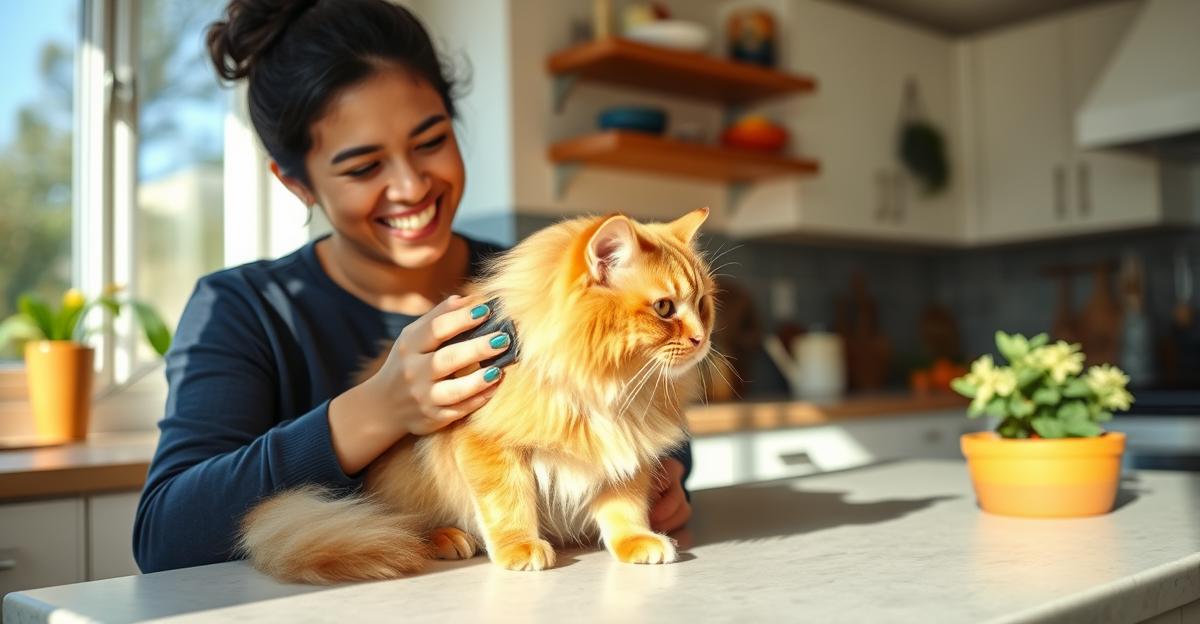
Regular grooming isn’t just about keeping fur tidy; it’s a bonding opportunity that promotes relaxation and reduces stress. Approach grooming as a calm, shared ritual.
- Choose the right tools: A soft bristle brush for short‑haired cats and a slicker brush for longer coats work best. A gentle approach prevents accidental tugging.
- Start slow: Begin with a light stroke on the head, then gradually move to the back and tail, watching your cat’s body language for signs of comfort.
- Combine with treats: Offer a small, healthy treat after each grooming session to create a positive association.
- Maintain a routine: Aim for a quick brush once a day or a thorough grooming session two to three times a week, depending on coat length.
By turning grooming into a soothing, predictable part of the day, you reinforce trust and help your cat feel cared for and secure.
Enriching the Environment: Toys, Perches, and Exploration
Environmental enrichment keeps a cat’s mind sharp and its body active. Small adjustments to your home can transform everyday spaces into adventure zones.
- Window perches: Install a comfortable perch near a sunny window. Watching birds or passing people provides endless entertainment.
- Interactive puzzle feeders: These toys combine feeding with problem‑solving, encouraging gentle mental exercise.
- Cardboard forts: Simple cardboard boxes can become secret hideouts. Cut entry holes and add a soft blanket for a cozy retreat.
- Rotate scenery: Occasionally move a favorite toy or change the location of a scratching post to keep the environment fresh.
When your cat’s surroundings are rich with stimulating options, everyday life becomes a series of delightful discoveries, reinforcing a happy, engaged routine.
Comparison Table: Indoor Play vs. Outdoor Exploration
| Aspect | Indoor Play | Outdoor Exploration |
|---|---|---|
| Safety | Controlled environment, no traffic or predators. | Potential exposure to hazards; requires supervision or a secure enclosure. |
| Physical Exercise | Can be high‑intensity with toys, climbing trees, and laser play. | Natural running, jumping, and climbing on varied terrain. |
| Mental Stimulation | Stimulated by rotating toys, puzzle feeders, and interactive games. | Stimulated by scents, sounds, and unpredictable wildlife. |
| Weather Dependence | Year‑round access regardless of weather. | Limited by rain, heat, or cold; may need seasonal adjustments. |
| Bonding Opportunities | Owner‑guided play strengthens connection. | Supervised outdoor sessions can also deepen trust. |
Frequently Asked Questions
How often should I change my cat’s toys?
Rotating toys every 1‑2 weeks keeps them novel and exciting. You don’t need to replace every toy—simply swap a few out and reintroduce others later.
What’s the best time of day for a grooming session?
Many cats enjoy grooming after a short play burst when they’re slightly tired but still alert. Early evening, before the household winds down, often works well for most families.
Can I use human foods as treats?
Occasionally, small pieces of plain cooked chicken or tuna can be a special reward. Always avoid seasonings, onions, garlic, or any ingredient known to be unsafe for cats.
How do I know if my cat is happy with the routine?
Signs of contentment include a relaxed posture, slow blinking, gentle purring, and a willingness to engage in play or grooming. If your cat consistently seeks out your company and displays these behaviors, your routine is likely hitting the right notes.
Disclaimer: This article is intended for informational and entertainment purposes only. It does not replace professional veterinary advice. Always consult a qualified vet for your cat's health and dietary needs.