
Welcoming a new kitten into your home is like opening a door to endless curiosity, soft purrs, and playful mischief. Every day offers a fresh chance to nurture that tiny bundle of fur into a confident, happy kitten who radiates joy with every swish of its tail. By weaving simple routines, enriching environments, and gentle bonding moments into your daily life, you can turn ordinary moments into extraordinary memories. In this guide we’ll explore practical, heart‑warming strategies that keep your kitten’s spirit bright, its paws busy, and its heart full of contentment. Let’s dive into the playful secrets that turn ordinary kitten care into a daily celebration of happiness.
Creating a Stimulating Environment
A kitten’s world is a canvas of textures, sounds, and scents waiting to be explored. Providing a safe yet stimulating space sets the foundation for a happy kitten that feels secure and curious.
- Vertical playgrounds: Install cat trees, wall shelves, or sturdy bookshelves. Kittens love to climb and observe from high points.
- Soft hideaways: Offer cozy boxes, fabric tents, or a plush kitten cave where they can retreat when they need a quiet moment.
- Interactive toys: Rotate feather wands, crinkle balls, and puzzle feeders to keep novelty fresh.
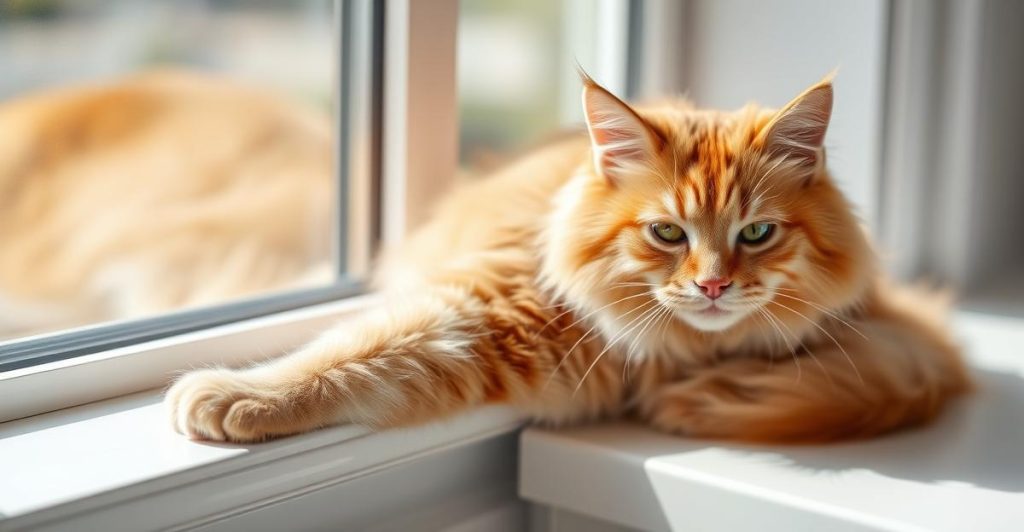
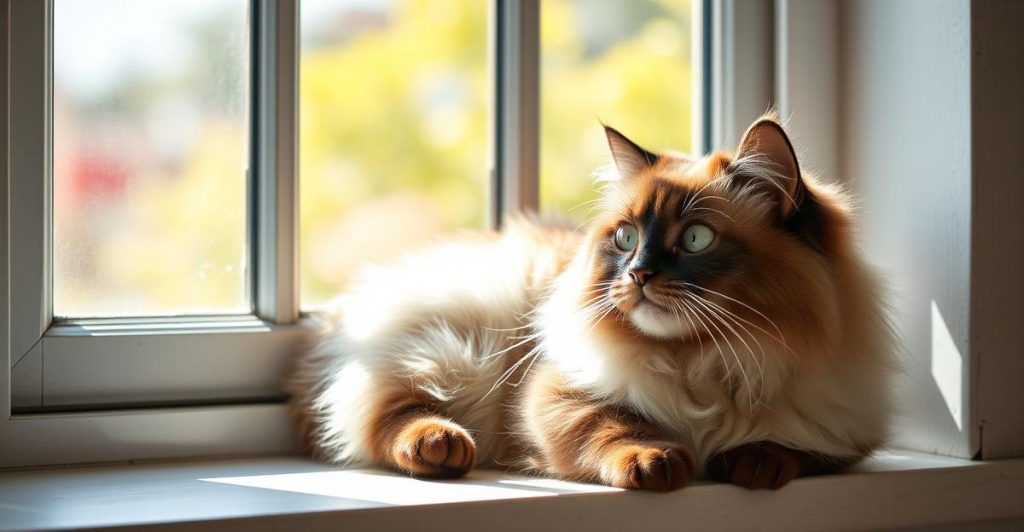
- Window views: Place a perch near a sunny window so your kitten can watch birds, leaves, and passing clouds.
- Safe textures: Lay down a mix of short‑pile rugs, sisal scratching posts, and plush blankets for varied tactile experiences.
By mixing vertical and horizontal play zones, you give your kitten the freedom to choose how it wants to explore, fostering confidence and contentment.
Playtime Routines that Keep Your Kitten Joyful
Play is the language of a kitten’s happiness. Short, frequent bursts of interactive play not only burn off that boundless kitten energy but also strengthen the bond between you and your furry friend.
- Two‑minute bursts: Aim for 5‑10 minutes of active play several times a day. Kittens have short attention spans, so keep sessions lively.
- Chase the red dot: Laser pointers (used responsibly) can trigger a kitten’s predatory instincts in a safe, indoor setting.
- Feather wands and ribbons: Mimic the movement of birds or insects, encouraging jumping, pouncing, and graceful acrobatics.
- Hide‑and‑seek: Tuck a favorite toy under a blanket and let your kitten “hunt” it out.
- Gentle tug‑of‑war: Use a soft rope toy for a controlled game that satisfies the kitten’s desire to bite and pull.
Consistency is key. A predictable play schedule helps your kitten know when to expect fun, reducing anxiety and reinforcing a sense of routine.
Gentle Grooming and Bonding Practices
Grooming isn’t just about keeping a coat shiny; it’s an intimate ritual that tells your kitten, “You are safe, and I care for you.” Simple grooming habits can boost a kitten’s mood and strengthen trust.
- Daily brush‑outs: Use a soft, kitten‑friendly brush to remove loose hair and stimulate circulation. Keep sessions brief and praise often.
- Soft paw massages: Gently rub the pads of your kitten’s paws. This mimics the comforting pressure they receive from their mother.
- Ear checks: Lightly wipe the outer ear with a damp cotton ball to keep it clean and to get your kitten accustomed to handling.
- Calm voice and eye contact: Speak softly and blink slowly (“cat kiss”) to convey affection without startling your kitten.
- Routine nail trims: Introduce a nail clipper gradually, rewarding with treats after each gentle trim.
When grooming becomes a positive, predictable experience, your kitten learns to associate touch with love, leading to a calmer, happier demeanor.
Feeding Fun: Hydration and Treats for a Happy Kitten
Nutrition is the fuel for playful adventures, but it can also be a source of enrichment. Turning mealtime into a mini‑game encourages natural foraging instincts and keeps your kitten engaged.
- Scheduled meals: Offer small, frequent meals (3‑4 times a day) to match a kitten’s fast metabolism and keep energy steady.
- Water stations: Place a shallow water bowl near favorite play spots; consider a pet water fountain to entice drinking.
- Interactive feeding toys: Use puzzle feeders or treat‑dispensing balls that require gentle nudging to release kibble.
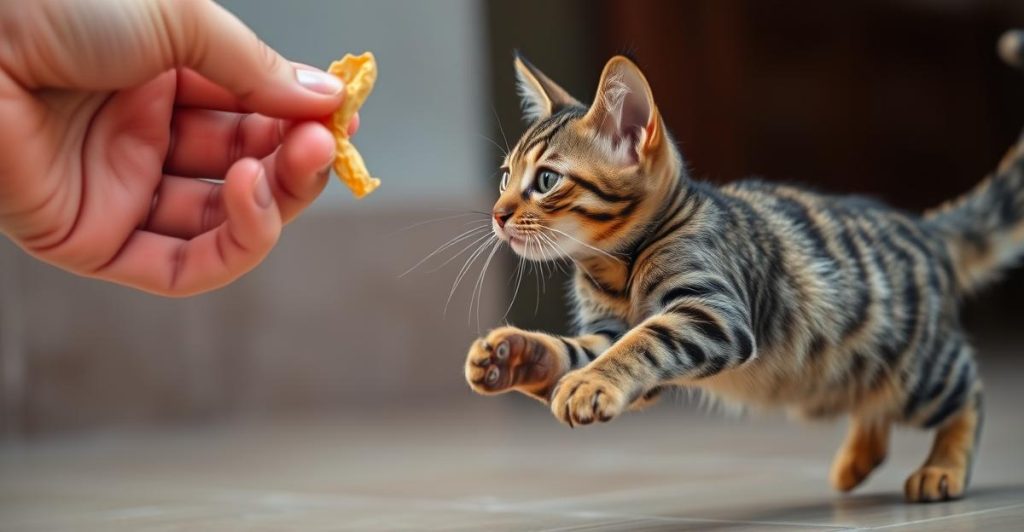
- Healthy treats: Offer tiny pieces of cooked chicken, freeze‑dried fish, or commercial kitten treats as rewards during training.
- Meal variety: Rotate flavors or textures (soft morsels vs. crunchy bits) to maintain interest without altering nutritional balance.
Remember, the goal is to make eating a joyful, stimulating part of the day, reinforcing the association between food and positive experiences.
Socialization and Safe Exploration
A well‑socialized kitten grows into a confident cat who enjoys meeting new people, other pets, and new environments. Gentle exposure, paired with positive reinforcement, creates a happy kitten ready to explore the world.
- Human interaction: Invite family members to sit quietly and let the kitten approach at its own pace. Offer soft petting and treats for calm behavior.
- Other pets: If you have other cats or dogs, introduce them gradually using a barrier (baby gate) and swap bedding to share scents.
- New rooms: Open a door to a new room for short periods, allowing the kitten to sniff and explore while you supervise.
- Sound exposure: Play low‑volume recordings of household noises (vacuum, doorbell) to desensitize the kitten over time.
- Travel practice: Place a soft carrier in a sunny spot, leave the door open, and place a blanket inside. Let the kitten explore it voluntarily.
Patience is essential. Each successful social encounter adds a layer of confidence, turning curiosity into calm assurance.
Comparison of Indoor vs. Outdoor Play Activities
| Aspect | Indoor Play | Outdoor Play (Supervised) |
|---|---|---|
| Safety | Fully controlled environment; no traffic or predators. | Requires supervision; exposure to weather, insects, and potential hazards. |
| Stimuli Variety | Limited to toys, windows, and indoor textures. | Natural scents, varied terrain, birds, and sunlight. |
| Physical Exercise | Can be intense with climbing structures and interactive toys. | Offers open‑space running and jumping, mimicking wild play. |
| Social Interaction | Easy to introduce other indoor pets and family members. | Potential encounters with neighborhood cats or friendly dogs. |
| Convenience | Play can happen anytime, rain or shine. | Depends on weather and safe outdoor access. |
Frequently Asked Questions
How often should I play with my kitten each day?
Aim for 5‑10 minutes of active play 3‑5 times daily. Short bursts match a kitten’s attention span and keep energy levels balanced.
What are the best toys for a happy kitten?
Feather wands, crinkle balls, soft plush mice, and puzzle feeders are excellent choices. Rotate toys weekly to maintain novelty.
Can I let my kitten explore the outdoors safely?
Supervised outdoor time on a harness or in a secure, enclosed garden can provide enriching sensory experiences. Always keep a close eye on your kitten and ensure the area is free from hazards.
How do I know my kitten is comfortable with grooming?
A happy kitten will stay relaxed, may purr, and will not try to escape or bite during gentle brushing. Positive reinforcement with treats helps build a pleasant association.
Disclaimer: This article is intended for informational and entertainment purposes only. It does not replace professional veterinary advice. Always consult a qualified vet for your cat's health and dietary needs.