
Cozy Corners and Playful Paths to Transform Your Home for Indoor Cats
There’s nothing quite like the soft purr of a contented cat curled up in a sun‑splashed spot, eyes half‑closed, tail flicking lazily. For many of us, our feline friends are the heartbeats of our homes, and we want to give them a life that’s as rich and joyful as any outdoor adventure—without ever having to open the front door. Creating a sanctuary that sparks curiosity, encourages gentle exercise, and nurtures a sense of security is the secret to indoor cat happiness. In the next few pages, we’ll walk through practical, budget‑friendly ideas that turn ordinary rooms into wonderlands where your cat can explore, play, and unwind at will.
1. Mapping the Perfect Playground: Zones of Exploration
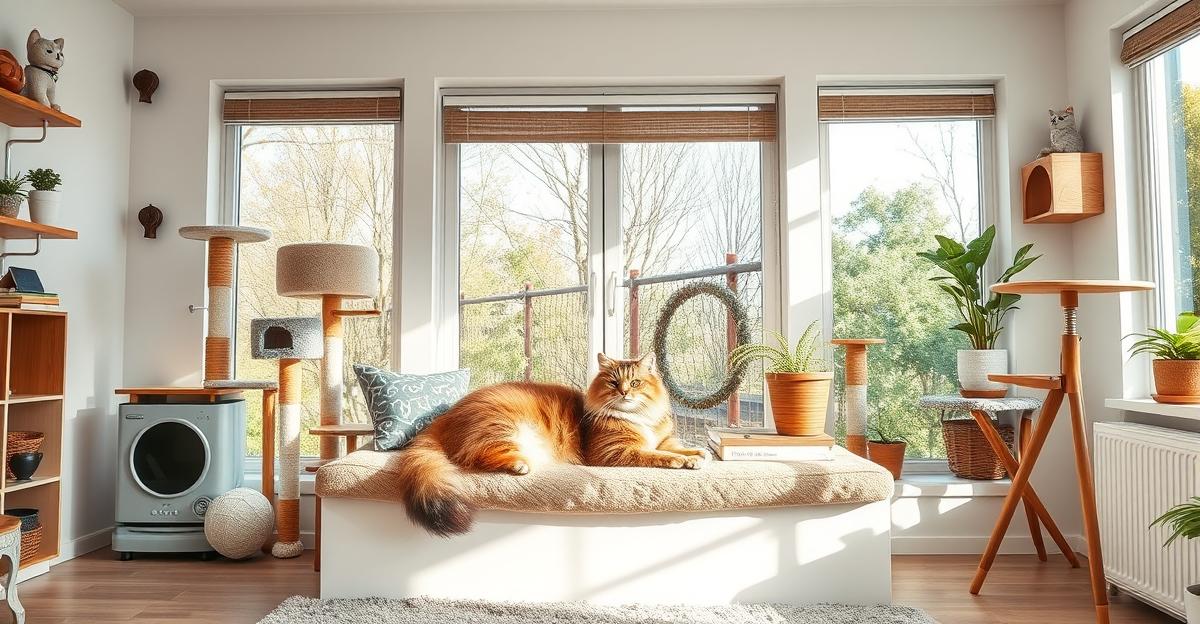
Think of your home as a giant puzzle, with each piece representing a different type of activity. By deliberately assigning zones for climbing, scratching, lounging, and hunting‑style play, you give your cat clear cues about where to go and what to do. This not only reduces boredom but also channels natural instincts into safe, satisfying outlets.
- Vertical Territory: Cats love to survey their domain from a height. Install a few sturdy wall‑mounted shelves or a cat tree near a window to provide a perch with a view.
- Horizontal Hideaways: Soft blankets, low‑profile cat caves, and cardboard forts create cozy retreats for nap‑time and quiet observation.
- Interactive Play Area: Dedicate a corner for toys, feather wands, and puzzle feeders. Rotate items weekly to keep the space fresh.
- Scratching Sanctuary: Place a mix of vertical and horizontal scratching posts in high‑traffic zones to protect furniture and satisfy claw‑maintenance needs.
When each zone is clearly defined, your cat learns to move fluidly from one activity to the next, mimicking the natural flow of a day spent outdoors.
2. Harnessing Light and Shadow for Mental Stimulation
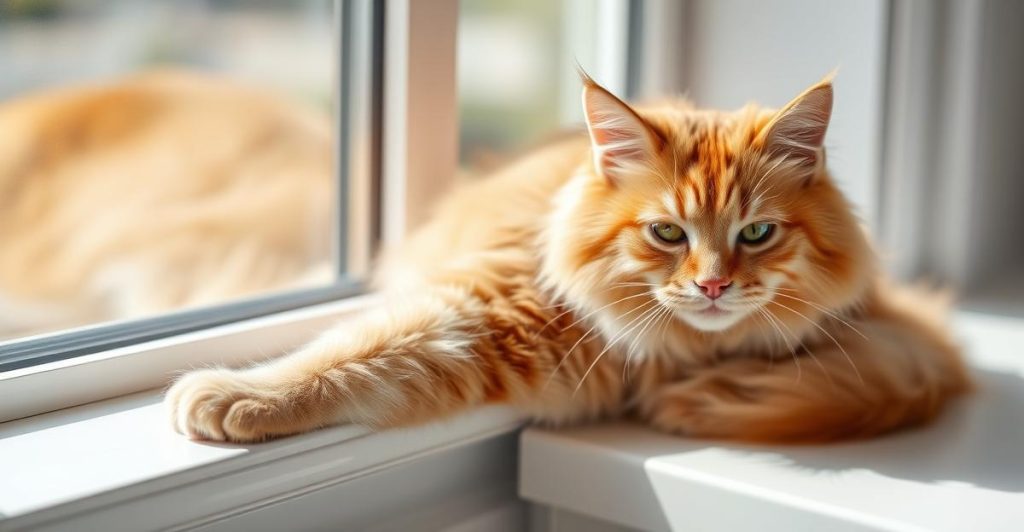
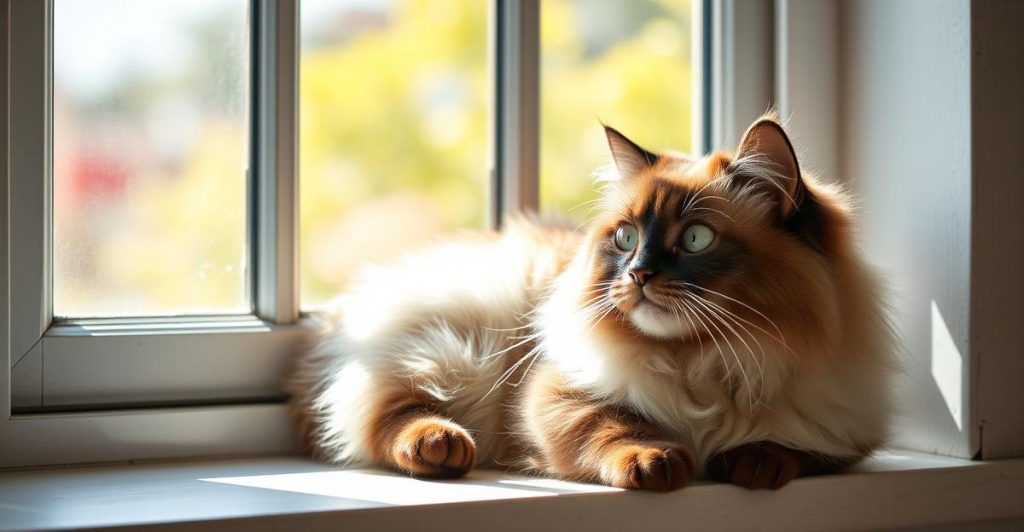
Sunlight is more than just a warm blanket; it’s a natural mood enhancer for both humans and cats. By strategically positioning perches and play equipment near sunny windows, you invite your cat to bask in the light, watch the world outside, and engage in “window‑watching” rituals that keep them mentally sharp.
- Install a window perch at a comfortable height, preferably with a clear view of bird feeders or garden activity.
- Use sheer curtains to diffuse harsh glare while still allowing natural light to filter in.
- Place a laser pointer or feather wand near the window during sunrise or sunset for a quick burst of chase‑the‑light excitement.
- Swap out seasonal decorations (e.g., autumn leaves, holiday ornaments) on the windowsill to provide ever‑changing visual stimuli.
Even on cloudy days, a well‑placed LED “sun lamp” can simulate natural light cycles, helping to regulate your cat’s internal rhythm and promote a calm, contented demeanor.
3. DIY Enrichment Projects That Won’t Break the Bank
You don’t need expensive gadgets to keep an indoor cat thrilled. Simple, hands‑on projects can become the centerpiece of your cat’s daily routine, fostering a sense of accomplishment for both you and your furry companion.
- Cardboard Castle: Cut and tape together cardboard boxes of varying sizes, then cut doorways and windows. Add a soft blanket inside for a perfect hideout.
- Paper Bag Maze: Arrange grocery bags in a maze pattern on the floor, leaving flaps open for your cat to explore and pounce through.
- Feather Wand Station: Hang a short dowel from a wall hook and attach a feather toy at the end. Your cat can bat at it independently, encouraging solo play.
- Treat Puzzle Bottle: Use an empty plastic bottle, poke small holes, and fill it with kibble or treats. Your cat will roll it around to release the goodies.
These projects are not only inexpensive but also customizable. Adjust the difficulty level as your cat ages, ensuring that the challenges remain engaging without becoming frustrating.
4. Curating a Sensory‑Rich Environment
Our whiskered friends experience the world through a blend of scent, sound, and touch. By enriching each of these senses, you can deepen the bond you share and boost overall happiness.
- Scents: Sprinkle a few cat‑mint leaves or dried lavender (in a sealed pouch) near resting spots. Rotate scents every few weeks to keep the olfactory experience fresh.
- Sounds: Play low‑volume nature recordings—birdsong, gentle rain, or rustling leaves—to create a calming backdrop.
- Textures: Offer a variety of fabrics—plush blankets, sisal rope, and faux‑fur mats—so your cat can choose the feel that suits their mood.
- Temperature: Keep a small heated pad (designed for pets) in a cooler room during winter, and a cool tile surface for summer days.
When you pay attention to these subtle sensory cues, you’ll notice your cat’s body language shift toward relaxed, confident postures—a clear sign of indoor cat happiness.
5. Balancing Activity and Rest: The Rhythm of a Happy Indoor Cat
Even the most energetic kitten needs downtime, and a well‑balanced schedule helps prevent overstimulation. By establishing predictable routines, you give your cat a sense of security while still encouraging regular bursts of activity.
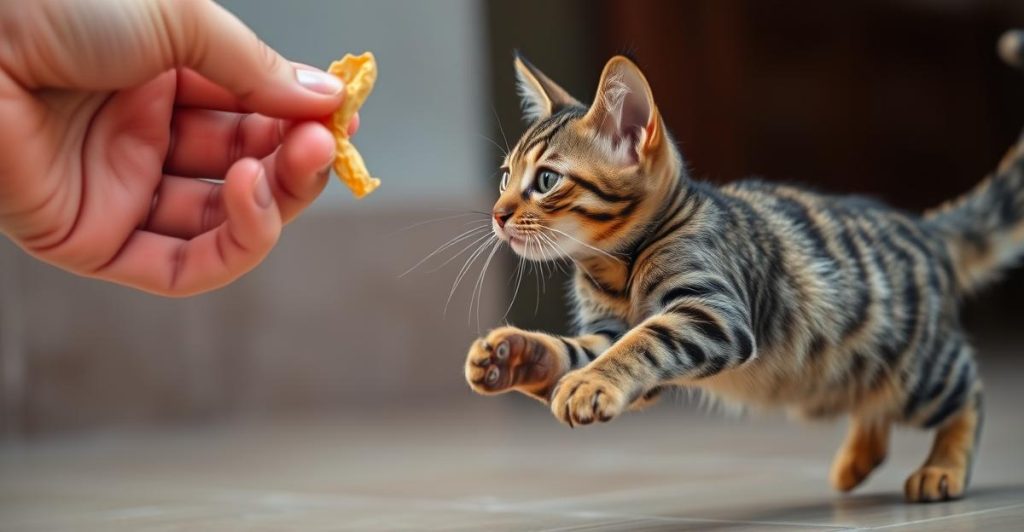
- Morning Play Burst: Spend 10‑15 minutes engaging in interactive toys right after breakfast.
- Mid‑Day Exploration: Rotate a new toy or rearrange a cardboard maze during your lunch break.
- Evening Wind‑Down: Dim the lights, play soft music, and offer a gentle grooming session to signal bedtime.
- Scheduled Rest Spots: Keep a few favorite sleeping areas ready, each with a different temperature or texture, so your cat can choose based on how they feel.
When activity and rest are harmoniously interwoven, your cat’s energy levels stay balanced, leading to fewer unwanted behaviors such as excessive meowing or over‑grooming.
Comparison Table: Indoor Play Activities vs. Outdoor‑Inspired Play Activities
| Aspect | Indoor Play Activities | Outdoor‑Inspired Play Activities |
|---|---|---|
| Space Requirement | Compact; works in apartments or small rooms | Requires larger open areas or safe outdoor enclosures |
| Safety Level | Fully controlled; no risk of traffic or predators | Potential exposure to hazards; requires supervision |
| Equipment Needed | Cat trees, wand toys, puzzle feeders, cardboard forts | Cat harness, outdoor cat patio, feathered toys on sticks |
| Stimulus Type | Visual (window birds), auditory (nature sounds), tactile (scratchers) | Natural scents, live insects, varying terrain |
| Time Investment | Short bursts (5‑15 min) throughout the day | Longer sessions (30‑60 min) during safe outdoor periods |
| Impact on Happiness | High when varied and interactive; promotes mental agility | High when combined with fresh air; mimics natural hunting cycles |
6. Involving the Whole Household: Making Everyone a Cat‑Friendly Ally
When every family member understands the importance of a cat‑centric environment, the whole home becomes a collaborative playground. Simple habits can turn everyday moments into opportunities for enrichment.
- Gentle Door Opens: Teach children to open doors slowly, allowing the cat to decide whether to explore new rooms.
- Shared Play Time: Allocate a “cat‑hour” each evening where everyone participates in a rotating toy rotation.
- Respect Rest Zones: Place a small sign or mat near favorite sleeping spots to remind guests not to disturb.
- Routine Cleaning: Keep litter boxes tidy and replace bedding regularly; a clean environment contributes to overall contentment.
When the household works together, you’ll notice a calmer cat who feels secure, loved, and eager to engage with each person in the home.
Frequently Asked Questions
How many play sessions does an indoor cat need each day?
Most indoor cats thrive on 2‑3 short interactive sessions (5‑15 minutes each) plus occasional solo play with puzzle toys. Adjust the frequency based on your cat’s age and energy level.
What’s the best way to introduce a new scratching post?
Place the post near a favorite resting spot or a piece of furniture your cat already scratches. Sprinkle a bit of catnip or use a feather wand to draw attention, encouraging the cat to investigate and use the new surface.
Can I use regular household plants as enrichment?
Only if the plants are non‑toxic to cats. Safe options include cat grass, spider plant, and valerian. Avoid lilies, poinsettias, and philodendrons, which can be harmful.
How do I know if my cat is truly happy?
Look for relaxed body language: slow blinking, a soft purr, kneading with paws, and a loose, upright tail. A cat that seeks out interaction, explores new toys, and chooses comfortable resting spots is typically experiencing indoor cat happiness.
Disclaimer: This article is intended for informational and entertainment purposes only. It does not replace professional veterinary advice. Always consult a qualified vet for your cat's health and dietary needs.