

Cozy Corners and Playful Paths for Happy Indoor Cats
There’s a special kind of joy that fills a home when a cat finds the perfect sun‑lit perch, a hidden tunnel, or a favorite feather wand. Creating an environment where your feline friend can explore, relax, and thrive is the heart of indoor cat happiness. Whether you’re a seasoned cat parent or just starting out, this guide will walk you through the simple yet powerful ways to turn every room into a sanctuary of comfort and fun.
Designing the Ideal Cozy Corner
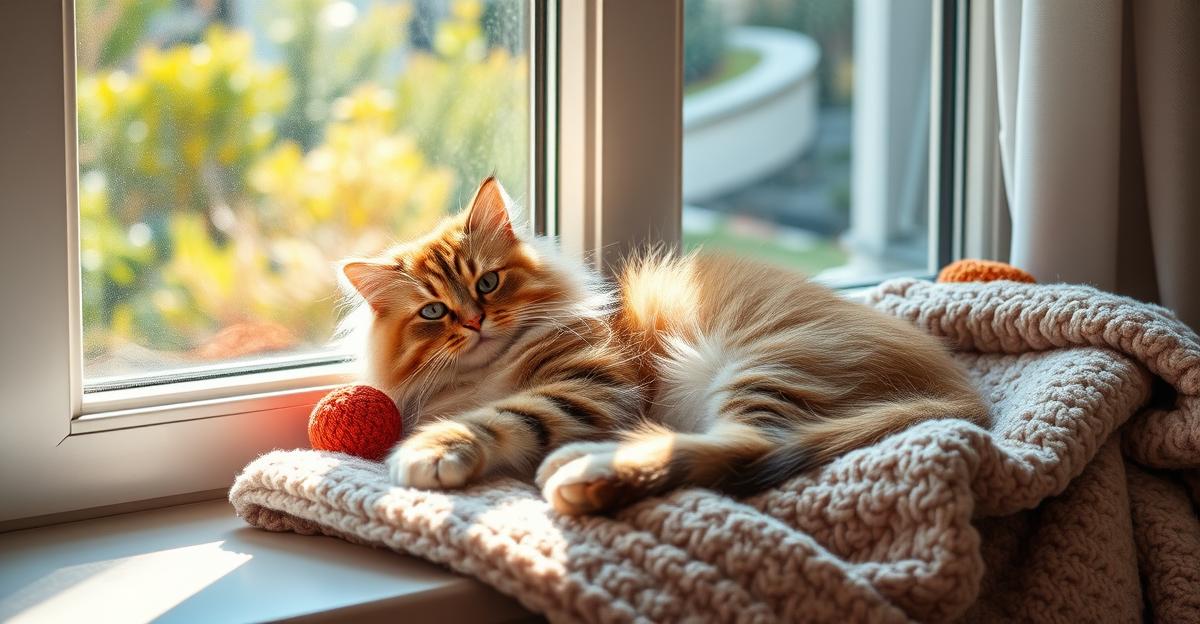
Every cat loves a spot that feels like their own private retreat. The secret to indoor cat happiness often starts with a well‑placed, inviting nook where your cat can observe the world, nap undisturbed, and feel secure.
- Choose the right location: Look for sunny windowsills, quiet corners away from heavy foot traffic, or a spot near a favorite family member’s chair.
- Layer textures: Combine a soft blanket, a plush pillow, and a sturdy cat bed to give your cat options for different moods.
- Elevate the space: Cats love height. Use a cat tree, a wall‑mounted perch, or a repurposed bookshelf to give them a higher viewpoint.
- Add a sense of security: Enclose the corner with a low side panel or a cozy cat cave to mimic a den‑like feel.
- Keep it tidy: Regularly wash blankets and rotate toys to keep the area fresh and inviting.
When you notice your cat gravitating toward a particular spot, that’s a clear sign you’ve hit the sweet spot for indoor cat happiness. Reinforce the area with a few of their favorite toys or a gentle scent of catnip to make it even more appealing.
Stimulating Play Paths for Daily Adventure
Play isn’t just a way to burn off energy; it’s a vital component of a cat’s mental and emotional well‑being. By designing playful pathways throughout your home, you can keep your indoor cat engaged, curious, and content.
- Rotate toys weekly: Swap out feather wands, laser pointers, and crinkly balls to keep curiosity alive.
- Incorporate vertical play: Install wall‑mounted climbing shelves or a multi‑level cat tree that encourages leaping and stretching.
- Create “hunt” zones: Hide small treats or toy mice in cardboard boxes, paper bags, or under a rolled towel.
- Use interactive feeders: Puzzle bowls that require pawing or nudging can turn mealtime into a playful challenge.
- Schedule short burst sessions: Five‑minute play intervals several times a day mimic the natural hunting rhythm of wild ancestors.
Remember, the goal isn’t to exhaust your cat but to provide mental stimulation that mirrors the unpredictable nature of outdoor exploration. A well‑planned play path can transform a quiet apartment into an exciting adventure park for your feline companion.
Enriching the Environment with Sensory Delights
Cats experience the world through a rich tapestry of senses. By thoughtfully adding sensory elements, you deepen the connection your cat feels with its indoor kingdom, boosting overall happiness.
- Visual stimulation: Place a bird feeder outside a window where your cat can watch feathered visitors. A simple garden birdbath works wonders.
- Auditory enrichment: Soft background music designed for cats or the gentle hum of a white‑noise machine can soothe anxious moments.
- Olfactory variety: Rotate scents such as catnip, silvervine, or a dab of safe essential oil (e.g., lavender) on a cloth near their favorite perch.
- Tactile textures: Lay down a sisal scratching post, a rubber mat, or a woven rug to give paws diverse surfaces to explore.
- Temperature comfort: Offer a heated cat pad in colder months and a cool, tiled spot during summer heat.
These sensory touches not only keep boredom at bay but also help your cat develop confidence and contentment in its indoor surroundings.
Building Strong Bonds Through Routine and Interaction
Consistency is the cornerstone of indoor cat happiness. By establishing gentle routines and engaging in daily interaction, you reinforce trust and deepen the human‑cat bond.
- Morning greeting ritual: Spend a few minutes petting or playing as soon as you wake up, signaling a positive start to the day.
- Scheduled grooming sessions: Even if your cat isn’t a heavy shedder, a brief brush can be a soothing bonding moment.
- Quiet reading time: Place a comfortable lap blanket and read aloud. Your calm voice can be a soothing backdrop for your cat.
- Evening wind‑down: Dim lights, soft music, and a gentle cuddle session help transition your cat into a relaxed night.
- Respect personal space: Allow your cat to retreat when it desires; forcing interaction can create stress.
These small, predictable actions create a sense of security that encourages your cat to explore, play, and rest with confidence.
Choosing Play and Rest Activities: A Quick Comparison
Solo Toys vs. Interactive Play
| Aspect | Solo Toys | Interactive Play |
|---|---|---|
| Engagement Level | Low to moderate – cat initiates play | High – owner participation stimulates cat |
| Time Commitment | Minimal – can be left out for hours | Short bursts – 5‑10 minutes per session |
| Benefits | Encourages independent hunting instincts | Strengthens human‑cat bond, provides mental challenge |
| Best For | Cats who enjoy self‑directed play | Cats that thrive on social interaction |
| Examples | Rolling balls, feather wands left on the floor, catnip mice | Laser pointer chase, feather wand with owner, puzzle feeder |
Both solo toys and interactive play have a place in a happy indoor cat’s routine. Mixing them throughout the day keeps the environment fresh and satisfies both independent and social play needs.
Seasonal Adjustments for Year‑Round Comfort
Just as humans adjust their wardrobes with the seasons, indoor cats benefit from subtle changes that keep them comfortable throughout the year.
- Winter warmth: Add a soft, insulated cat bed or a heated pad near a sunny window. Keep water bowls from freezing by using a ceramic dish.
- Spring freshness: Rotate fresh bedding, open windows for a gentle breeze (ensure screens are secure), and introduce new spring‑time toys like butterfly‑shaped wands.
- Summer coolness: Place a cooling mat or a shallow dish of cool water for paws. Offer frozen treats made from diluted broth.
- Fall coziness: Reintroduce plush blankets, scented with mild autumnal aromas like cinnamon (ensure non‑toxic), and schedule extra cuddle sessions as evenings get longer.
Adapting the environment to seasonal changes shows your cat that you’re attuned to its comfort, reinforcing the feeling of safety and happiness.
FAQ
How often should I change my cat’s bedding?
For optimal indoor cat happiness, aim to wash or replace bedding at least once a week. If you notice any odors, stains, or shedding buildup, freshen it up sooner to keep the area inviting.
What’s the best way to prevent my indoor cat from getting bored?
Rotate toys regularly, introduce new climbing shelves, and vary play sessions with both solo and interactive activities. Changing the environment every few weeks keeps curiosity alive.
Can I let my cat have access to the kitchen while cooking?
Yes, as long as you keep hazardous foods and hot surfaces out of reach. Providing a safe perch nearby allows your cat to observe the activity, which can be mentally stimulating.
How do I know if my cat is feeling stressed indoors?
Signs of stress may include excessive grooming, hiding, or sudden changes in appetite. Offering additional cozy spots, gentle play, and a predictable routine can help alleviate tension.
Disclaimer: This article is intended for informational and entertainment purposes only. It does not replace professional veterinary advice. Always consult a qualified vet for your cat's health and dietary needs.