
10 Simple Ways to Keep Your Cat Happy and Vibrant
There’s nothing quite like the soft purr of a contented cat curled up on your lap, eyes half‑closed, tail flicking in a relaxed rhythm. Whether you’re a first‑time cat parent or a seasoned feline enthusiast, the goal is always the same: a happy cat that bounces with curiosity, explores with confidence, and radiates calm in every corner of your home. In this guide we’ll walk through ten practical, everyday habits that turn ordinary moments into joyful experiences for your whiskered companion. These tips focus on creating a balanced routine, enriching the environment, and nurturing the bond that makes every cat feel truly at home.
1. Create a Predictable Daily Rhythm
Cats thrive on consistency. While they love spontaneous bursts of play, a predictable schedule for feeding, cleaning, and interactive time helps them feel secure. When a cat knows when to expect meals, fresh water, and attention, anxiety fades and confidence rises. Here’s how to set a rhythm that keeps your cat smiling:
- Meal Times: Offer meals at the same times each day. Even if you use an automatic feeder, keep the schedule steady.
- Play Sessions: Schedule two short play bursts—one in the morning and one in the evening—to match their natural hunting peaks.
- Quiet Time: Designate a calm period before bedtime for gentle petting or a grooming brush.
- Cleaning Routine: Scoop the litter box at consistent intervals, ideally after meals and play.
By aligning these daily moments, you give your cat a reliable framework that encourages relaxation and a sense of belonging.
2. Enrich the Environment with Sensory Stimulation
Every cat is a born explorer, and a stimulating environment can turn a simple room into an adventure park. Sensory enrichment not only prevents boredom but also promotes natural behaviors that keep a cat feeling vibrant.
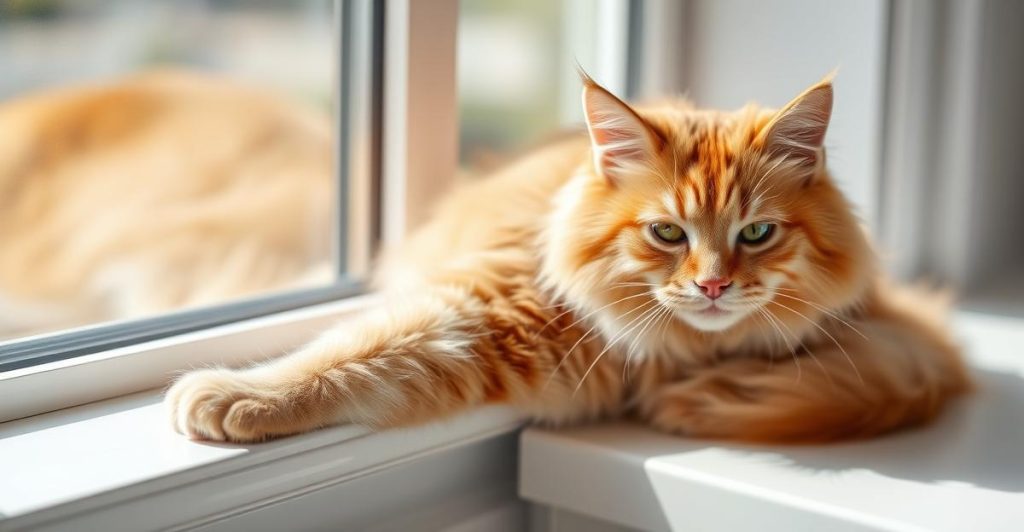
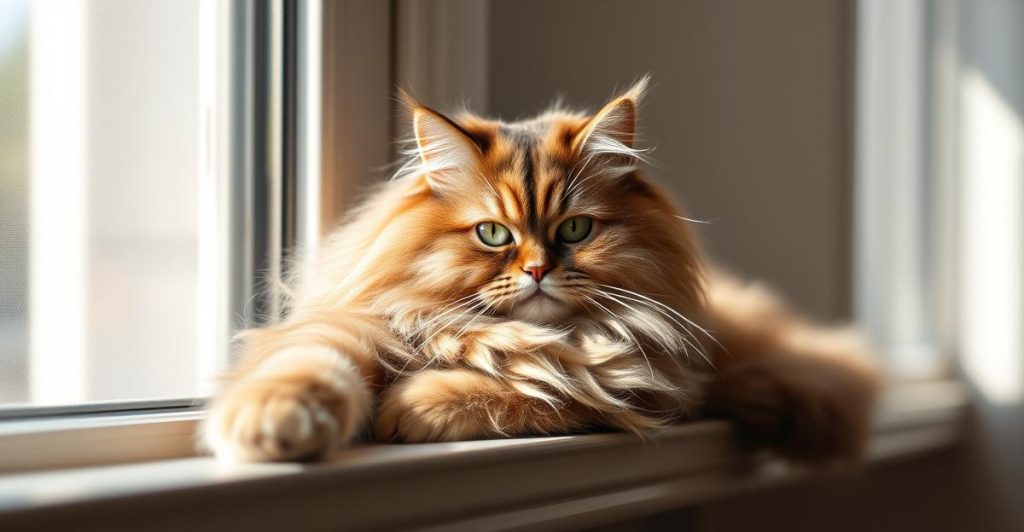
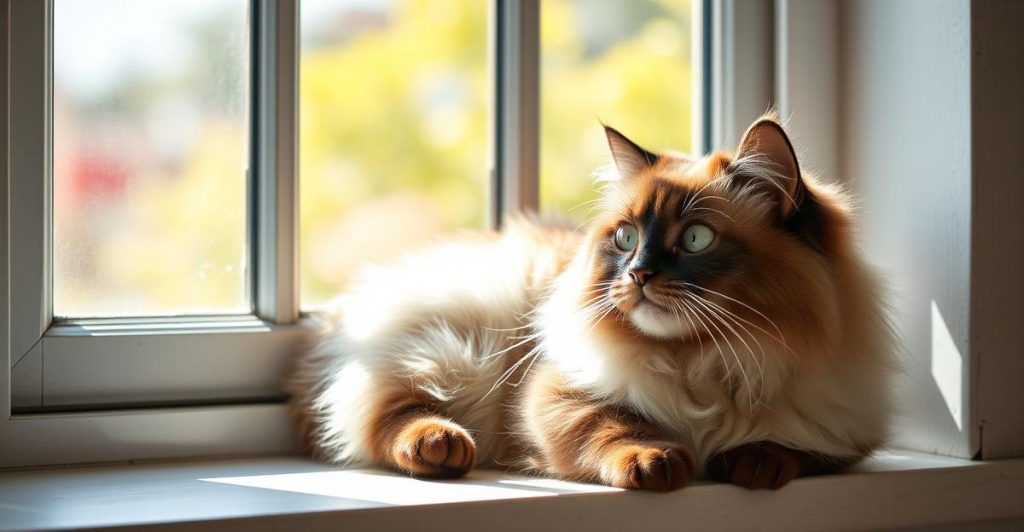
- Vertical Spaces: Install cat trees, shelves, or window perches so your cat can observe the world from above.
- Interactive Toys: Rotate toys weekly—feather wands, crinkly balls, and puzzle feeders keep curiosity alive.
- Window Views: Place a bird feeder outside a sunny window to provide a live “TV channel” of feathered friends.
- Textures: Offer a mix of soft blankets, sisal scratching posts, and carpeted mats for varied foot sensations.
When your cat can climb, watch, and pounce, the everyday routine becomes a series of delightful discoveries.
3. Prioritize Playful Exercise and Mental Challenges
Physical activity is the cornerstone of a happy cat’s life. Regular play mimics hunting instincts, burns excess energy, and strengthens the bond between you and your feline friend. Here are some low‑stress, high‑fun ideas:
- Laser Chase: Use a safe, low‑intensity laser pointer for short bursts of sprinting. End each session with a tangible toy so your cat can “catch” something.
- Feather Wand Duels: Mimic the flutter of birds by waving a feather wand in unpredictable patterns.
- Paper Bag Hide‑and‑Seek: Place a crinkly paper bag on the floor and let your cat investigate the rustling sounds.
- DIY Puzzle Boxes: Hide a favorite treat under a cup or inside a cardboard box with a small opening, encouraging problem‑solving.
Remember to keep play sessions brief (5‑10 minutes) and frequent, aligning with your cat’s natural bursts of energy.
4. Offer Balanced Hydration and Fresh Water
Staying hydrated is essential for a cat’s overall vitality. While water isn’t a medical topic, the simple habit of providing clean, moving water can make a big difference in a cat’s willingness to drink, supporting a bright, alert demeanor.
- Multiple Water Stations: Place at least two water bowls in different rooms to encourage exploration.
- Running Fountain: Cats are often attracted to the sound and motion of a water fountain, which can entice them to drink more often.
- Freshness Matters: Change the water daily and clean the bowls to prevent mineral buildup.
- Low‑Profile Bowls: Use wide, shallow dishes that are easy for whiskers to navigate without feeling cramped.
By making water an inviting part of the environment, you support a happy cat who feels comfortable and refreshed.
5. Keep Grooming Simple and Positive
Regular grooming is both a bonding activity and a way to maintain a sleek coat. When approached with patience, grooming becomes a soothing ritual rather than a chore.
- Gentle Brushing: Use a soft‑bristle brush once or twice a week to remove loose fur and reduce hairballs.
- Positive Reinforcement: Offer a small treat after each grooming session to create a positive association.
- Short Sessions: Keep brushing to 2‑3 minutes at a time, especially for cats who are new to the routine.
- Check Paws and Ears: Take a quick glance at paws and ears while brushing; a quick pat with a damp cloth can keep them clean.
A relaxed grooming routine contributes to a glossy coat, reduced shedding, and a deeper sense of trust between you and your cat.
6. Foster Social Interaction on Your Terms
Every cat has a unique social style. Some love lap cuddles, while others prefer a gentle head‑butt from a distance. Respecting those preferences while offering opportunities for connection keeps the relationship healthy and rewarding.
- Read Body Language: Look for slow blinks, relaxed ears, and a gently swaying tail as signs your cat is open to interaction.
- Offer Choice: Place a cozy blanket on your lap and let the cat decide whether to join you.
- Talk Softly: A calm, melodic voice can soothe a cat and encourage a sense of safety.
- Playful Touch: Lightly stroke the base of the neck or under the chin, areas many cats find especially pleasant.
When you match your cat’s social cues, you nurture a bond that feels natural and rewarding for both parties.
7. Provide Safe Exploration Opportunities
Curiosity is a cat’s driving force. Offering safe, supervised outdoor experiences—or indoor equivalents—lets a cat satisfy its explorer spirit without unnecessary risks.
- Leash Training: Introduce a lightweight harness and leash in short, indoor sessions before venturing outside.
- Cat‑Safe Enclosures: Use a screened patio or “catio” to give fresh air and sunshine while staying protected.
- Indoor “Safari”: Hide treats in cardboard boxes, paper bags, or under rugs for a mini‑hunt.
- Rotating Scents: Place a small dish of cat‑mint or valerian in a new spot each week to spark interest.
These controlled explorations keep the mind sharp and the heart happy, turning ordinary days into mini‑adventures.
8. Keep the Litter Box Clean and Inviting
A clean litter box is a cornerstone of a content cat’s routine. While not a medical discussion, maintaining a tidy box reduces stress and encourages consistent use.
- Daily Scooping: Remove clumps at least once a day to keep the area fresh.
- Multiple Boxes: Provide one more box than the number of cats in the household, placed in quiet, accessible spots.
- Right Substrate: Choose a low‑dust, unscented litter that matches your cat’s preference.
- Easy Access: Ensure the box has low sides for kittens or older cats, and avoid placing it near noisy appliances.
A well‑maintained litter box becomes a stress‑free zone, reinforcing a calm and happy demeanor.
9. Celebrate Seasonal Changes with Tailored Activities
Each season brings new sensory experiences. Adjusting activities to match the weather keeps your cat engaged year‑round.
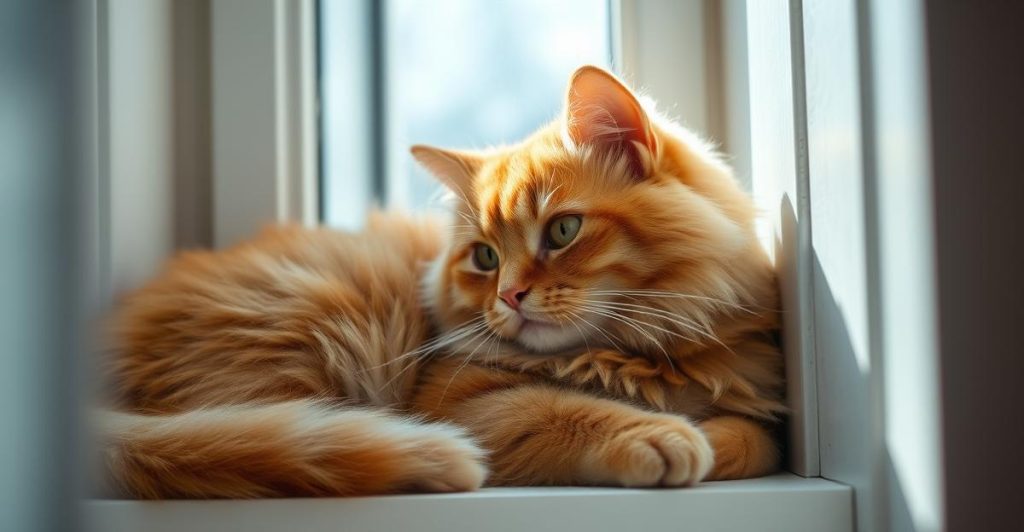
- Winter Warmth: Offer a heated pad or a sunny window perch to chase away the chill.
- Spring Freshness: Rotate fresh herbs like cat‑mint on a low shelf for a natural scent boost.
- Summer Cool‑Down: Provide a shallow bowl of cool water or a chilled tile for lounging.
- Fall Exploration: Scatter fallen leaves (clean, pesticide‑free) in a safe indoor play area for tactile fun.
Adapting to the rhythm of the year shows your cat that you’re attentive to its comfort and curiosity, fostering a vibrant, happy life.
10. Show Appreciation Through Simple Rituals
Small, consistent gestures can make a big difference in a cat’s emotional wellbeing. Think of these as daily “thank‑you” notes to your furry friend.
- Morning Greeting: Open the bedroom door with a gentle “good morning” and a soft pet.
- Evening Wind‑Down: Dim the lights, play soft music, and give a brief brush before bedtime.
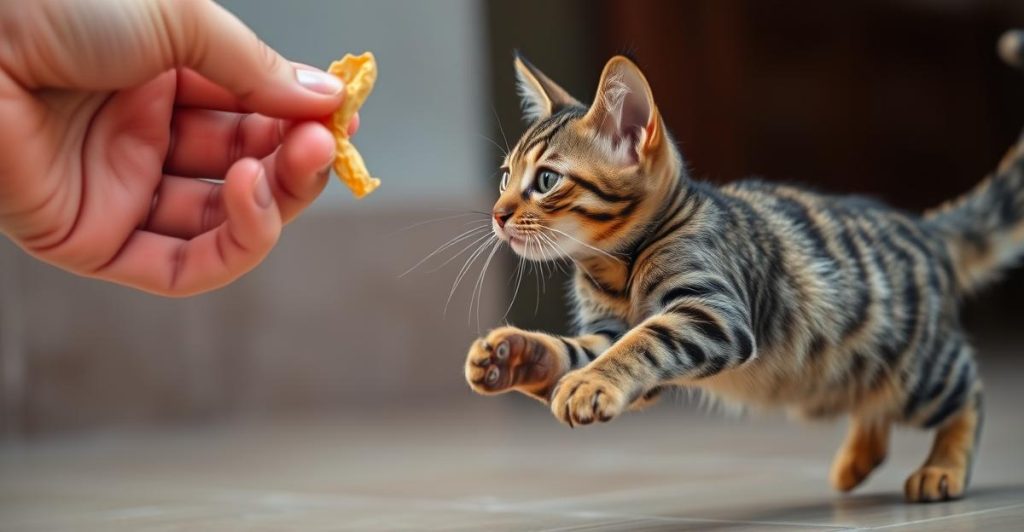
- Treat Moments: Offer a tiny piece of cooked chicken or a cat‑safe treat after a successful play session.
- Photo Sessions: Capture candid moments; the extra attention reinforces a sense of being loved.
These rituals weave a tapestry of trust and affection, ensuring your cat feels cherished every day.
Comparison Table: Indoor Play vs. Outdoor Play Benefits
| Aspect | Indoor Play | Outdoor Play |
|---|---|---|
| Safety | Fully controlled environment; no traffic or predators. | Requires supervision or a secure enclosure to prevent escapes. |
| Stimuli Variety | Can be enriched with toys, puzzles, and window views. | Natural scents, sounds, and moving objects like insects. |
| Weather Dependence | Unaffected by rain, heat, or cold. | Needs adjustment for extreme temperatures. |
| Exercise Intensity | Can be high with interactive toys and climbing structures. | Often includes spontaneous sprints and jumps. |
| Social Interaction | Opportunities for human‑cat bonding. | Potential encounters with other animals (birds, insects). |
Frequently Asked Questions
How often should I change my cat’s water?
Refreshing the water at least once a day keeps it appealing and helps maintain a happy cat that drinks regularly. If you use a fountain, clean it weekly according to the manufacturer’s instructions.
What are the signs that my cat is truly enjoying playtime?
Look for a relaxed body posture, ears forward or gently sideways, a soft swishing tail, and repeated engagement with the toy. A cat that returns to the same toy or initiates play is showing clear enjoyment.
Can I combine indoor and outdoor activities safely?
Yes! Many owners use a secure “catio” or a harness for short, supervised outings. Pair these with daily indoor enrichment to give a balanced mix of stimuli and exercise.
How do I know if my cat prefers a particular type of treat?
Observe the cat’s reaction: a quick, eager consumption and a satisfied purr indicate a favorite. Rotate flavors occasionally to keep interest high without over‑feeding.
Disclaimer: This article is intended for informational and entertainment purposes only. It does not replace professional veterinary advice. Always consult a qualified vet for your cat's health and dietary needs.