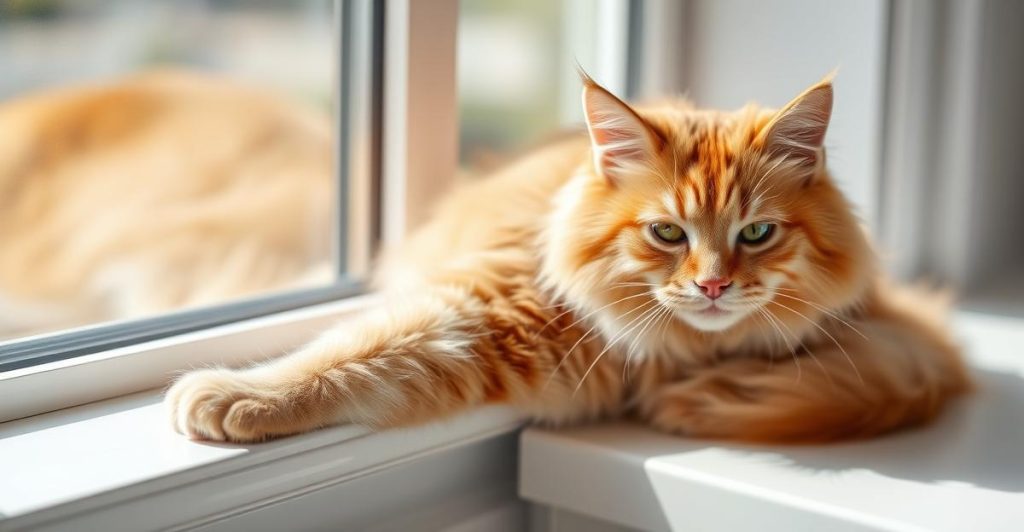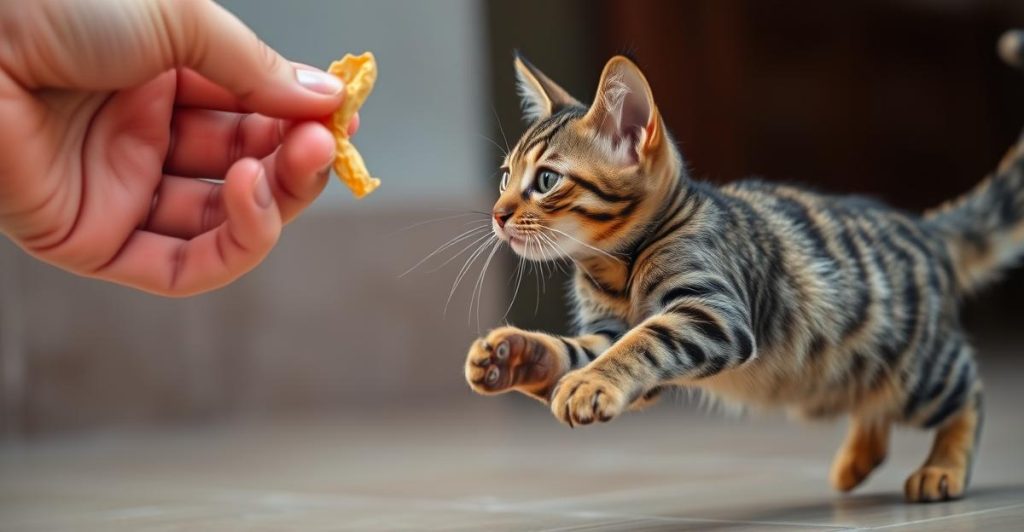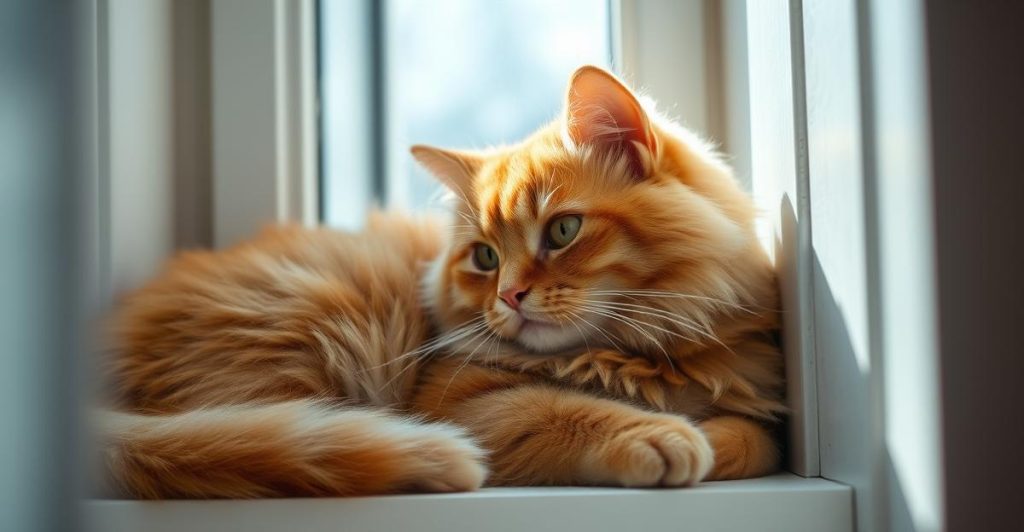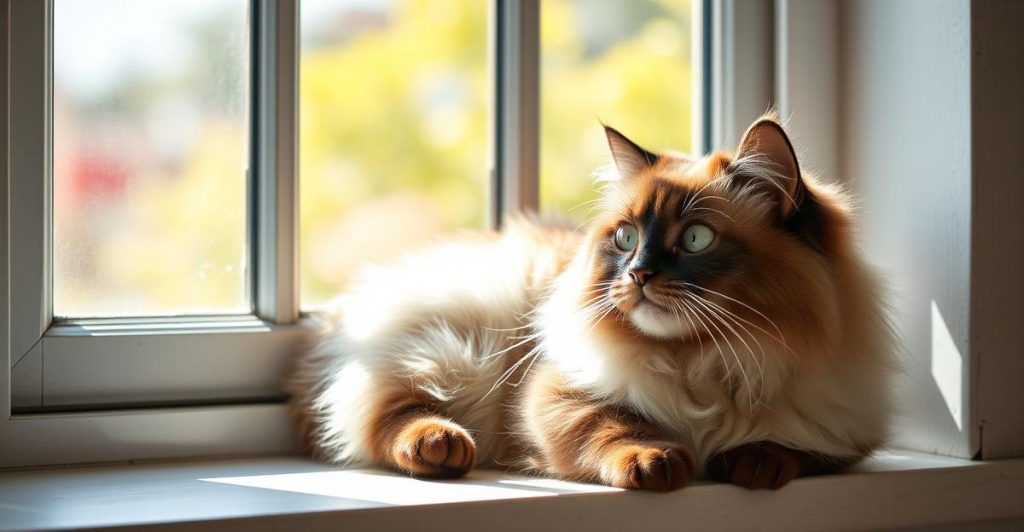

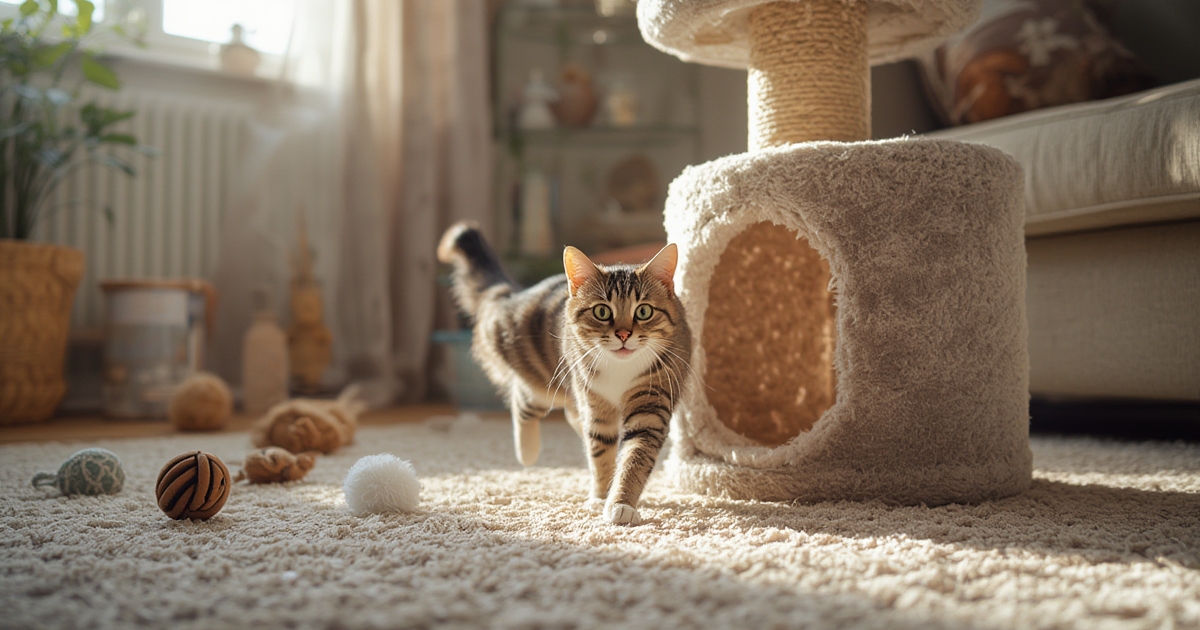
There’s nothing quite like watching an indoor cat curl up in a sun‑lit window, but many owners wonder how to keep their feline friends truly happy and healthy when the great outdoors is off‑limits. Understanding the unique needs of indoor cats is the first step toward creating a home that satisfies both body and mind. From enriching play areas to balanced nutrition, every detail contributes to a thriving indoor lifestyle. Below you’ll discover expert‑backed tips that turn any apartment or house into a feline paradise, ensuring your indoor cats live longer, healthier, and more contented lives.
Understanding the Unique Needs of Indoor Cats
Physical Health Considerations
Indoor cats often have lower activity levels than their outdoor counterparts, which can lead to weight gain and related health issues. Regular monitoring of weight, body condition score, and activity helps prevent obesity, diabetes, and arthritis.
- Schedule a weekly weigh‑in to track any changes.
- Use a calibrated food measuring cup for portion control.
- Incorporate short, frequent play sessions to boost metabolism.
Because indoor cats are less exposed to parasites, routine deworming and flea prevention may be less frequent, but a yearly vet check‑up is still essential to catch hidden problems early.
Mental Stimulation and Behavior
Felines are natural hunters with strong instincts to stalk, pounce, and explore. When those drives go unmet, indoor cats can develop boredom‑related behaviors such as excessive meowing, over‑grooming, or destructive scratching.
- Rotate toys every few days to keep novelty high.
- Introduce scent trails using cat‑safe herbs like catnip or silvervine.
- Provide safe “hunting” opportunities with feather wands or laser pointers.
Understanding these behavioral cues helps you tailor enrichment that matches each cat’s personality, reducing stress and promoting a calm, confident indoor cat.
Building an Enriching Environment
Vertical Space and Climbing Opportunities
Cats love to observe their domain from a height. Installing cat trees, wall‑mounted shelves, or window perches gives indoor cats a sense of security and territory.
- Choose sturdy, stable cat trees that can support a 15‑lb cat.
- Secure floating shelves with brackets; test for wobble before use.
- Place perches near sunny windows for natural warmth.
Vertical space also encourages exercise, as cats will jump, stretch, and balance throughout the day.
Safe Exploration Zones
Designate a “cat‑only” room or corner where your indoor cats can explore without hazards. Remove toxic plants, secure cords, and store small objects out of reach.
- Use baby gates to limit access to high‑traffic areas.
- Cover electrical outlets with safety plugs.
- Provide a variety of textures—carpet, sisal, and rubber mats—to stimulate paws.
These zones let cats satisfy their curiosity while keeping them safe from household dangers.
Interactive Toys and Puzzle Feeders
Interactive toys mimic prey behavior, offering mental challenges and physical activity. Puzzle feeders turn mealtime into a problem‑solving event, slowing eating speed and providing enrichment.
- Choose toys that move unpredictably, such as battery‑operated mice.
- Introduce treat‑dispensing balls that release kibble as they roll.
- Rotate puzzle difficulty as your cat becomes more adept.
Regularly updating these tools prevents habituation and keeps indoor cats engaged.
Nutrition and Hydration Strategies for Indoor Cats
Choosing the Right Food
Indoor cats have different caloric needs than outdoor cats because they expend less energy. Selecting a diet formulated for indoor cats helps manage weight while delivering essential nutrients.
- Look for foods labeled “weight management” or “indoor formula.”
- Prioritize high‑protein, moderate‑fat recipes with added fiber.
- Avoid excessive carbohydrates, which can contribute to obesity.
Always consult your veterinarian to tailor the diet to your cat’s age, health status, and activity level.
Hydration Tips
Many indoor cats prefer dry food, which can lead to inadequate water intake. Proper hydration supports kidney health and urinary tract function.
- Place multiple water bowls in different rooms.
- Consider a cat water fountain; moving water encourages drinking.
- Mix a small amount of wet food or broth into dry kibble.
Monitoring urine color—light straw to clear—is a simple way to assess hydration status.
Comparison of Wet vs Dry Cat Food
| Option | Main Benefit | Potential Drawback | Best For |
|---|---|---|---|
| Dry Cat Food | Convenient, long shelf life, helps clean teeth | Lower moisture; may contribute to dehydration | Busy owners, cats that self‑feed |
| Wet Cat Food | High moisture, palatable, supports urinary health | Shorter shelf life after opening, more expensive | Indoor cats needing extra hydration, picky eaters |
Daily Care Routines and Preventive Health
Grooming and Litter Box Maintenance
Regular grooming reduces hairballs and keeps the coat healthy. Even short‑haired indoor cats benefit from weekly brushing.
- Use a soft‑bristle brush to remove loose fur.
- Check ears for wax buildup; clean with a vet‑approved solution.
- Trim nails once a month or provide a scratching post to naturally wear them down.
The litter box should be scooped daily, with a full change of litter weekly. A clean box prevents urinary issues and encourages consistent use.
Exercise and Play Schedule
Consistency is key. Set aside two to three dedicated play sessions each day, each lasting 10–15 minutes.
- Morning: Interactive wand toy to burn off early energy.
- Afternoon: Puzzle feeder or treat‑dispensing toy.
- Evening: Light laser chase or feather teaser before bedtime.
These routines not only keep indoor cats physically fit but also reinforce the bond between cat and caregiver.
Regular Vet Check‑ups
Even without outdoor exposure, indoor cats need preventive care. Annual veterinary exams should include dental checks, vaccinations, and blood work to monitor organ function.
- Vaccinate against feline viral rhinotracheitis, calicivirus, and panleukopenia.
- Discuss parasite prevention based on your region.
- Ask about dental cleanings; plaque can accumulate even indoors.
Early detection of issues like kidney disease or hyperthyroidism greatly improves outcomes for indoor cats.
Managing Common Behavioral Challenges
Scratching Furniture
Scratching is a natural behavior for claw maintenance and territory marking. Provide ample alternatives to protect your furniture.
- Place sisal‑wrapped scratching posts near favorite resting spots.
- Use catnip or pheromone spray to attract cats to the posts.
- Cover vulnerable furniture with double‑sided tape or a protective slipcover.
Reward your cat with treats when they use the appropriate surfaces.
Nighttime Activity
Many indoor cats are more active at dusk and dawn. If nighttime meowing or play disrupts sleep, adjust the evening routine.
- Engage in a vigorous play session an hour before bedtime.
- Offer a small, protein‑rich snack to satisfy hunting instincts.
- Provide a cozy, dimly lit sleeping area away from the bedroom.
Consistent scheduling helps shift activity to daylight hours, promoting better rest for both cat and owner.
Aggression and Stress
Stress can arise from changes in the household, new pets, or lack of stimulation. Recognize signs such as flattened ears, hissing, or sudden aggression.
- Introduce new stimuli gradually; use a pheromone diffuser.
- Maintain a predictable feeding and play schedule.
- Provide separate resources—food bowls, litter boxes, and resting spots—for multi‑cat homes.
If aggression persists, consult a veterinarian or certified animal behaviorist for tailored guidance.
FAQ
How often should I feed my indoor cat?
Most adult indoor cats do well with two measured meals per day, spaced about 12 hours apart. Adjust portions based on activity level and body condition, and consult your vet for specific caloric needs.
Why does my indoor cat meow at night?
Nighttime meowing often stems from excess energy, hunger, or boredom. A pre‑bedtime play session, a small protein snack, and a consistent routine can reduce nighttime vocalizations.
How can I train a kitten to use the litter box?
Place the kitten in the litter box after meals, play, and naps. Use a shallow, non‑clumping litter for easy digging, and praise or reward the kitten each time it uses the box correctly.
What are the best toys for indoor cats?
Interactive toys that mimic prey—feather wands, laser pointers, and battery‑operated mice—are excellent. Puzzle feeders and treat‑dispensing toys also provide mental stimulation.
Is it necessary to give my indoor cat supplements?
Generally, a balanced commercial diet provides all essential nutrients. Supplements may be recommended for specific health issues, such as joint support for older cats, but only under veterinary guidance.