

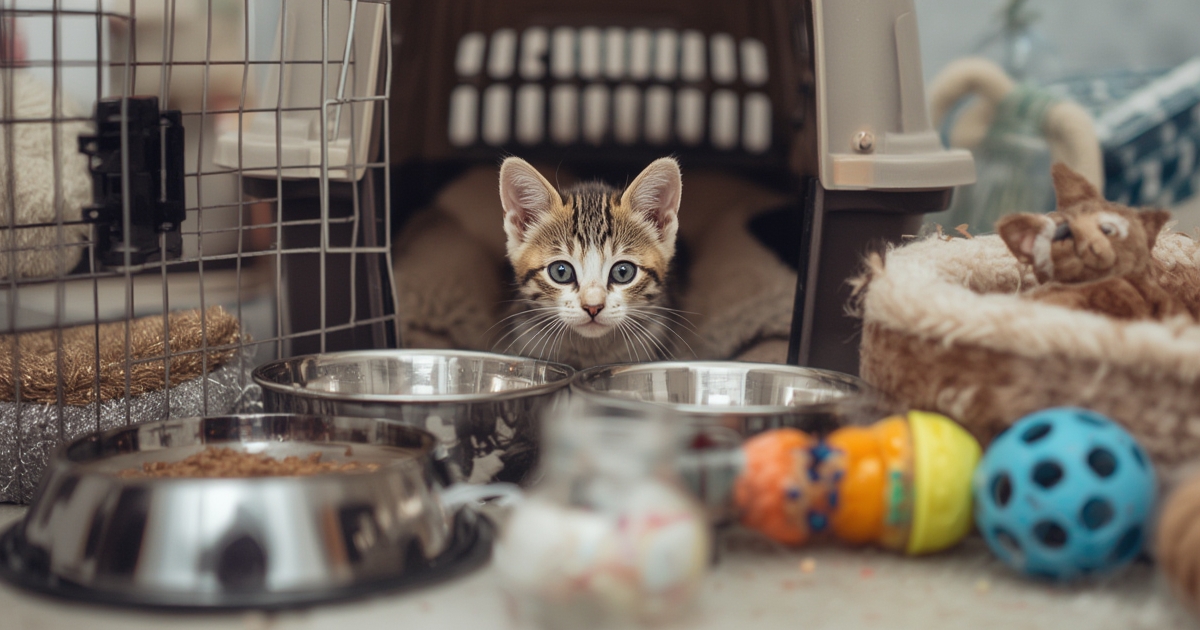
Understanding the First Weeks of Kitten Care
Bringing home a tiny, whiskered bundle of energy is both exhilarating and a little daunting. Kitten care starts the moment you open the carrier, because those first weeks lay the foundation for a healthy, confident cat. During this critical period, proper nutrition, safe surroundings, and gentle handling are essential to support rapid growth and social development.
New owners often wonder how to balance feeding schedules, litter training, and playtime without overwhelming the little one. The good news is that a clear checklist can turn uncertainty into confidence, ensuring your kitten thrives in its new home.
Essential Daily Routine for Kitten Care
A consistent daily routine helps a kitten feel secure and reduces stress-related behaviors. Below is a step‑by‑step guide you can follow from sunrise to bedtime.
Morning Wake‑Up and Hydration
- Offer fresh water as soon as you wake up; kittens need constant access to clean water.
- Check the water bowl for debris and replace it if it looks dirty.
- Provide a small portion of wet kitten food (about 1–2 tablespoons) to jump‑start metabolism.
Feeding Schedule and Nutrition
Nutrition is the cornerstone of kitten care. Kittens require higher protein, fat, and calorie density than adult cats because they are growing at a rapid rate.
Most veterinarians recommend feeding three to four small meals per day until the kitten is six months old. Below is a quick comparison of the two most common types of kitten food.
Comparison of Wet vs. Dry Kitten Food
| Food Type | Main Benefit | Potential Drawback | Best For |
|---|---|---|---|
| Wet Kitten Food | High moisture content supports hydration; palatable flavor encourages eating | Shorter shelf life after opening; higher cost per serving | Kittens that are picky eaters or need extra fluids |
| Dry Kitten Food | Convenient, long shelf life; helps keep teeth clean | Lower moisture; may be less appealing to some kittens | Busy owners who need easy storage and portion control |
Midday Play and Socialization
- Set aside 15–20 minutes for interactive play using wand toys, feather teasers, or laser pointers.
- Rotate toys every few days to keep curiosity high.
- Introduce gentle handling: hold the kitten’s paws, ears, and mouth for short periods to desensitize them to future grooming and vet visits.
Afternoon Litter Box Check
- Keep the litter box in a quiet, low‑traffic area.
- Scoop waste at least twice a day; kittens have small bladders and may need a clean box after each use.
- Use non‑clumping, unscented litter to avoid respiratory irritation.
Evening Feeding and Wind‑Down
- Offer a second meal of wet food or a mix of wet and dry, depending on your kitten’s appetite.
- Gradually reduce play intensity to signal bedtime.
- Provide a soft, warm sleeping spot—such as a kitten‑size bed or a blanket in a quiet corner.
Creating a Safe and Stimulating Home Environment
A kitten’s curiosity can turn everyday objects into potential hazards. Proper kitten care includes kitten‑proofing your home and providing enrichment that mimics natural hunting behaviors.
Kitten‑Proofing Essentials
- Electrical cords: Bundle and hide cords with protective sleeves; chewable cords are a major danger.
- Small objects: Pick up hair ties, rubber bands, and small toys that could be swallowed.
- Plants: Remove toxic houseplants like lilies, poinsettias, and philodendrons.
- Windows: Install secure screens; kittens love to perch and may attempt to jump out.
- Balconies and terraces: Keep doors closed or use a pet barrier to prevent falls.
Enrichment Ideas for Indoor Kittens
Providing mental and physical stimulation reduces boredom and prevents destructive behavior.
- Cat trees with multiple levels and scratching posts.
- Interactive puzzle feeders that release kibble when the kitten solves a simple task.
- Window perches that let the kitten watch birds or passing traffic.
- Rotating a “cat tunnel” or cardboard boxes to create new hideaways.
Designated Safe Zones
Every kitten needs a retreat where they can relax without interruption.
- Choose a low‑traffic room and set up a cozy bed with a soft blanket.
- Place a low‑profile litter box nearby for easy access.
- Include a few favorite toys within arm’s reach to encourage self‑play.
Health Checks and Preventive Care
Proactive health monitoring is a vital part of kitten care. Early detection of issues can prevent serious problems later in life.
Vaccinations and Veterinary Visits
- First vet visit: typically at 6–8 weeks of age for a wellness exam and initial vaccinations.
- Core vaccines: feline viral rhinotracheitis (FVR), calicivirus (FCV), and panleukopenia (FPV) – given every 3–4 weeks until 16 weeks old.
- Rabies vaccine: administered at 12 weeks (or as required by local law) and boosted annually or triennially.
- Schedule follow‑up visits for deworming, flea control, and a comprehensive health check.
Parasite Prevention
Both internal and external parasites can affect a kitten’s growth and comfort.
- Fleas: Use a veterinarian‑approved kitten‑safe topical or oral product starting at 8 weeks.
- Heartworm: Discuss preventive options if you live in an endemic area.
- Intestinal worms: Regular deworming every 2–3 weeks until 12 weeks old, then monthly.
Early Warning Signs to Watch For
Knowing what “normal” looks like helps you spot problems quickly.
- Changes in appetite or water intake.
- Frequent vomiting or diarrhea.
- Persistent coughing, sneezing, or nasal discharge.
- Lethargy, trembling, or difficulty walking.
- Unusual lumps, bumps, or skin lesions.
If you notice any of these signs, contact your vet promptly. Early intervention often leads to a smoother recovery.
Behavior Basics and Socialization
Understanding a kitten’s natural instincts makes kitten care more rewarding and reduces unwanted behaviors.
Reading Body Language
- Tail up: Confidence and greeting.
- Tail puffed: Fear or overstimulation.
- Ears forward: Curiosity and interest.
- Ears flattened: Anxiety or aggression.
- Slow blink: Trust and affection.
Gentle Training Techniques
Positive reinforcement works best with kittens because harsh corrections can damage the bond.
- Use treats or praise immediately after desired behavior (e.g., using the litter box).
- Redirect scratching from furniture to a designated scratching post.
- Teach “come” by calling the kitten’s name and rewarding when they approach.
- Never punish a kitten for accidents; instead, clean the area thoroughly to remove scent.
Socialization with Humans and Other Pets
Early exposure to a variety of gentle experiences builds confidence.
- Invite calm, cat‑friendly visitors to interact under supervision.
- Introduce other pets slowly, using a barrier like a baby gate, and reward calm behavior.
- Expose the kitten to different textures (carpet, wood, tile) to reduce fear of new surfaces.
Managing Common Behavioral Issues
Even well‑socialized kittens may exhibit challenges.
- Nighttime meowing: Ensure the kitten has a full belly before bedtime and a safe, comfortable sleeping area.
- Excessive biting: Provide appropriate chew toys and gently withdraw attention when play becomes too rough.
- Scratching furniture: Use double‑sided tape or a citrus spray on furniture and place a scratching post nearby.
Checklist Summary: Your Daily Kitten Care Quick Reference
- Provide fresh water and a balanced meal (wet + dry) 3–4 times daily.
- Clean the litter box at least twice a day.
- Engage in 15–20 minutes of interactive play.
- Inspect the environment for hazards and kitten‑proof as needed.
- Offer a safe sleeping spot and maintain a consistent bedtime routine.
- Monitor health signs and schedule veterinary appointments.
- Use positive reinforcement to guide behavior and socialization.
Frequently Asked Questions
How often should I feed my kitten?
Kittens under six months old should be fed three to four small meals a day. After six months, you can transition to two meals daily, but always follow the feeding guidelines on the food package and adjust based on your kitten’s activity level and body condition.
Why does my kitten meow at night?
Nighttime meowing is often a sign of hunger, boredom, or a need for reassurance. Make sure the kitten has a full meal before bedtime, provide a safe night‑time toy, and consider a gentle night‑light to reduce anxiety.
How can I train a kitten to use the litter box?
Place the litter box in a quiet, accessible location and keep it clean. After meals and naps, gently place the kitten in the box. Praise or reward with a treat when they use it. Avoid scolding accidents; instead, clean the area thoroughly to remove scent.
When should I start grooming my kitten?
Begin grooming as soon as you bring the kitten home. Short, gentle sessions with a soft brush help the kitten get used to the process. For short‑haired kittens, weekly brushing is sufficient; long‑haired breeds may need daily brushing to prevent matting.
What vaccinations does a kitten need?
Core vaccines include feline viral rhinotracheitis, calicivirus, panleukopenia, and rabies. These are typically given in a series starting at 6–8 weeks of age, with boosters every 3–4 weeks until the kitten is about 16 weeks old. Your veterinarian will tailor the schedule to your kitten’s health and lifestyle.
Is it safe to let my kitten roam outdoors?
While outdoor access provides exercise, it also exposes kittens to predators, disease, and traffic. Most experts recommend keeping kittens indoors or providing a secure, enclosed outdoor enclosure (catio) to balance safety with enrichment.