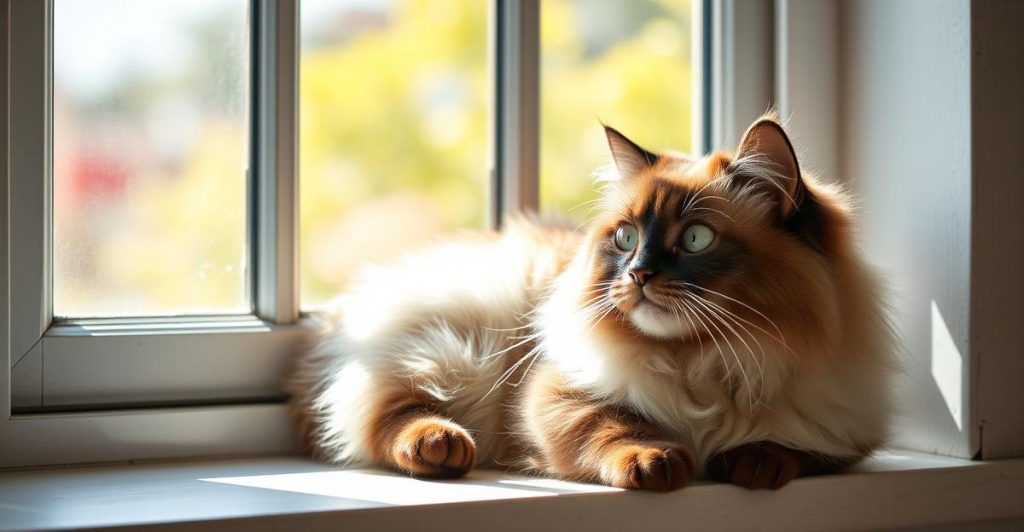

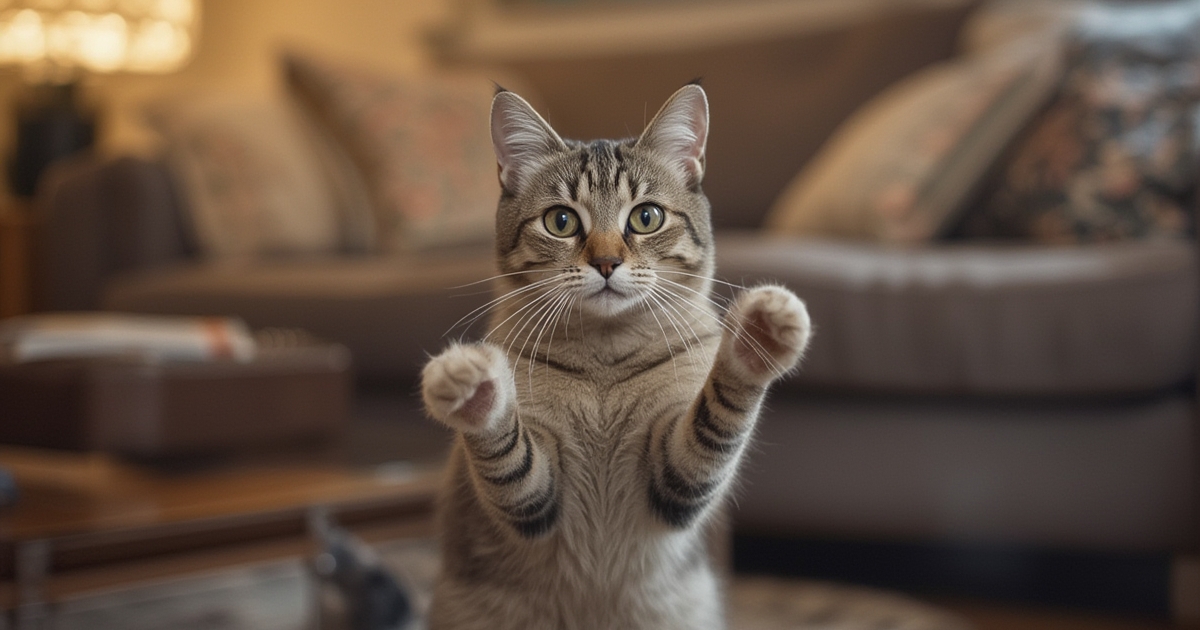
Ever watched your feline friend stare intently at a spot on the wall, twitch its tail, or give you a slow blink and wonder what secret code they’re using? Decoding cat body language is the key to a happier, healthier relationship with your pet. By learning to read these subtle cues, you can respond with confidence, reduce stress, and create a home environment that meets your cat’s emotional and physical needs. This guide reveals the most common signals, practical tips for everyday cat care, and the best ways to support your cat’s well‑being through nutrition, enrichment, and preventive health.
Understanding the Basics of Cat Body Language
Cats communicate primarily through posture, ear position, tail movement, and facial expressions. Unlike dogs, they rarely use vocalizations to convey complex emotions, so paying close attention to their physical cues is essential for effective cat care.
Key Body Parts and What They Say
- Ears: Forward ears indicate curiosity or confidence, while flattened ears signal fear or aggression.
- Eyes: Slow blinking is a sign of trust and affection; dilated pupils can mean excitement, surprise, or stress.
- Tail: A relaxed, upright tail shows contentment; a puffed tail means the cat feels threatened.
- Body posture: A low, crouched stance often precedes a pounce, whereas a stretched-out position signals relaxation.
Recognizing these basics lays the foundation for interpreting more complex cat body language patterns that affect daily cat behavior and health.
Decoding Common Signals in Everyday Situations
Even seasoned cat owners can misinterpret signals, leading to unnecessary stress for both pet and owner. Below are the most frequent scenarios and what the cat’s body language is really saying.
When Your Cat Approaches You
- Tail upright with a gentle curve: Your cat is greeting you and feels safe.
- Slow head bump: A friendly “hello” and a request for attention.
- Quick, darting movements: The cat may be overstimulated and needs a break.
Signs of Stress or Discomfort
- Flattened ears, twitching tail, and a hunched back often indicate fear.
- Rapid blinking or “air‑puffing” (when a cat blows out a puff of air) can be a warning sign.
- Hiding under furniture with ears turned back suggests anxiety; consider a calm environment and a vet check if it persists.
Playful vs. Aggressive Behavior
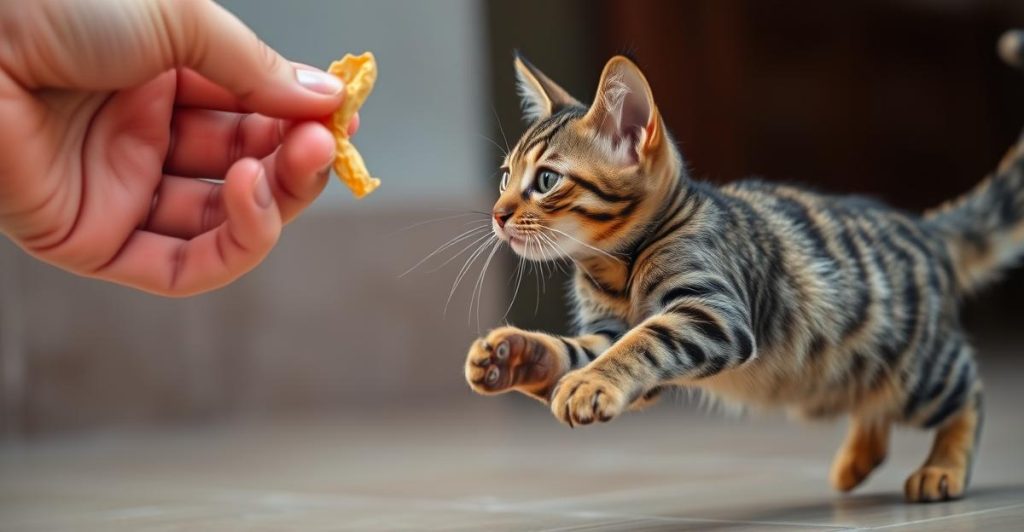
Playful cat body language includes a relaxed body, upright tail, and intermittent pouncing. Aggression, however, is marked by a stiff body, low growl, and a tail that lashes rapidly. Knowing the difference helps you intervene appropriately and prevent injuries.
How to Respond to Your Cat’s Signals
Responding correctly to cat body language strengthens trust and promotes better cat health. Here are actionable steps for common cues.
Positive Reinforcement for Desired Behaviors
- When your cat greets you with a relaxed tail, offer a gentle petting session and a small treat.
- Use clicker training paired with a calm voice to reinforce calm behavior during vet visits.
- Reward slow blinking with a soft “good job” whisper, reinforcing the bond.
De‑Escalating Stressful Situations
- Give your cat space if you notice flattened ears and a puffed tail; avoid direct eye contact.
- Provide a safe hiding spot, such as a covered cat bed, and use pheromone diffusers to soothe anxiety.
- Play calming music or white noise to reduce environmental stressors.
Encouraging Playful Interaction
Use interactive toys like feather wands or laser pointers to channel hunting instincts. Observe the cat’s tail and ear positions to ensure the play stays within a comfortable intensity level.
Creating an Enriching Indoor Environment
Indoor cats rely heavily on environmental enrichment to stay physically active and mentally stimulated. A well‑designed space reduces boredom, prevents obesity, and supports positive cat body language.
Essential Enrichment Elements
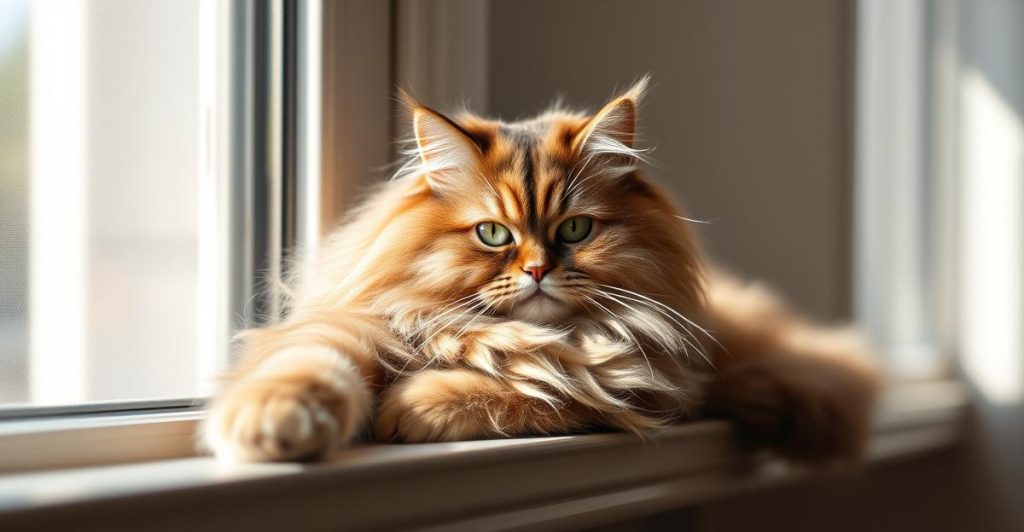
- Vertical space: Install cat trees, shelves, or window perches to satisfy climbing instincts.
- Scratching posts: Place them near sleeping areas to encourage natural claw maintenance.
- Interactive toys: Rotate toys weekly to keep interest high.
- Safe outdoor views: A bird feeder outside a window provides visual stimulation.
Routine Maintenance for a Happy Indoor Cat
- Clean litter boxes daily; a dirty box can cause stress and lead to inappropriate elimination.
- Schedule regular play sessions (10‑15 minutes, 2‑3 times daily) to mimic hunting bursts.
- Offer puzzle feeders to slow eating and engage problem‑solving skills.
Nutrition and Health Tips That Support Positive Behavior
Good cat nutrition directly influences mood, energy levels, and overall cat health. A balanced diet helps maintain a sleek coat, healthy weight, and stable behavior.
Choosing the Right Cat Food
Look for high‑protein, low‑carbohydrate formulas that mimic a natural feline diet. Wet food adds moisture, which is vital for urinary health, while dry kibble can aid dental health if appropriate.
Supplements for Stress Reduction
- Omega‑3 fatty acids (fish oil) support brain health and can reduce anxiety.
- L‑theanine or calming blends containing valerian and chamomile may help nervous cats.
- Probiotics promote gut health, which is linked to mood regulation.
Hydration Matters
Dehydration can cause urinary tract issues, leading to discomfort and aggressive body language. Provide fresh water daily, consider a cat water fountain, and incorporate wet food into meals.
Regular Veterinary Check‑Ups
Annual exams catch health problems early, preventing pain‑induced changes in cat body language. Discuss any sudden behavioral shifts with your vet to rule out underlying medical issues.
Comparison of Indoor vs. Outdoor Cat Lifestyle
Comparison of Indoor and Outdoor Cat Care
| Aspect | Main Benefit | Potential Drawback | Best For |
|---|---|---|---|
| Indoor Cats | Protected from traffic, predators, and parasites | Higher risk of obesity and boredom | Owners seeking safety and control |
| Outdoor Cats | Natural exercise, mental stimulation | Exposure to diseases, injuries, and environmental hazards | Experienced owners with secure yards |
Practical Daily Routine for Optimal Cat Care
Integrating cat body language awareness into your daily routine ensures a harmonious household. Below is a sample schedule that blends feeding, play, grooming, and observation.
- Morning (7‑9 am): Offer fresh water, serve a portion of wet food, and observe your cat’s greeting posture. If the tail is upright, give a brief petting session.
- Mid‑day (12‑1 pm): Clean the litter box, rotate a toy, and check for signs of stress such as flattened ears.
- Afternoon (3‑4 pm): Engage in a 10‑minute interactive play using a wand toy; watch for rapid tail flicks indicating overstimulation.
- Evening (6‑8 pm): Serve the main meal, provide a puzzle feeder, and spend quiet time with slow blinks to reinforce trust.
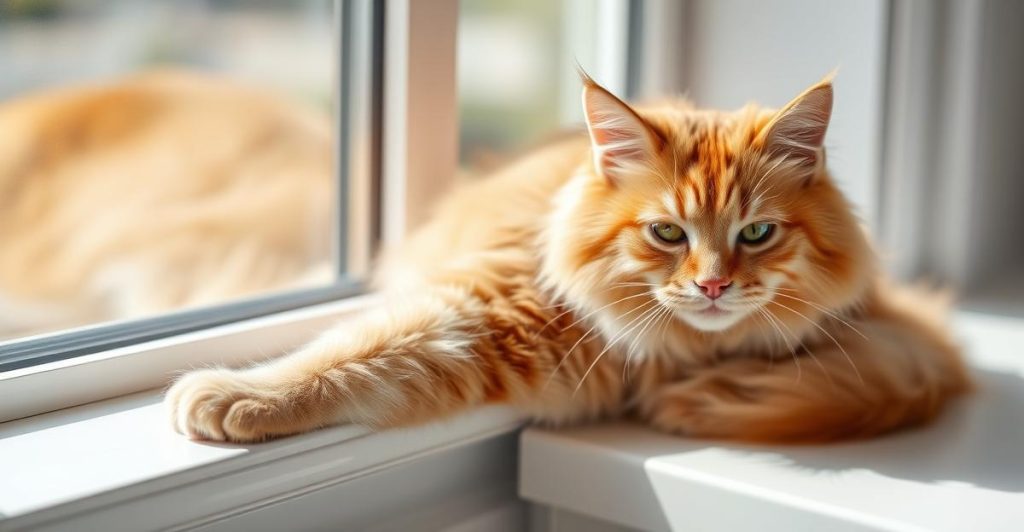
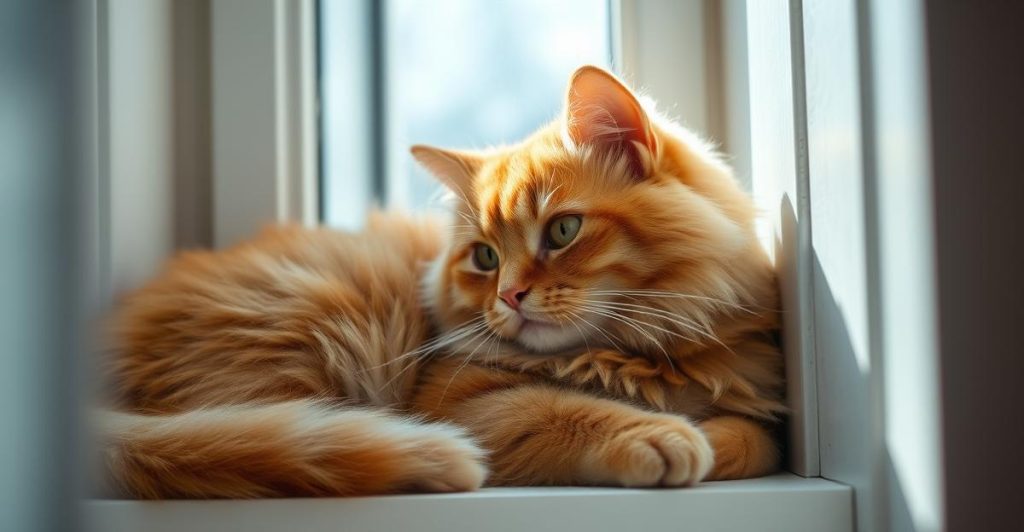
- Night (10‑11 pm): Ensure the cat has a comfortable sleeping perch; a relaxed cat will curl with a loosely curled tail.
Consistently monitoring cat body language throughout the day helps you adjust care quickly, preventing minor issues from becoming major health concerns.
Tips for Multi‑Cat Households
- Provide separate feeding stations to reduce competition; observe each cat’s ear position during meals.
- Give each cat individual vertical space to prevent territorial disputes.
- Watch for subtle signs of stress, such as a low‑frequency hiss, and intervene with calming pheromones.
Travel and Vet Visits
Transport stress can manifest as a tucked tail and wide eyes. Use a carrier with familiar bedding, cover it partially, and speak in a soothing tone. Offer a treat once you arrive at the vet to create a positive association.
Key Takeaways for Interpreting Cat Body Language
Understanding cat body language empowers you to meet your cat’s physical and emotional needs. By observing ears, eyes, tail, and posture, you can differentiate between curiosity, affection, stress, and aggression. Pair this knowledge with proper nutrition, enrichment, and regular veterinary care, and you’ll enjoy a deeper bond and a healthier, happier cat.
Frequently Asked Questions
How often should I feed my adult cat?
Most adult cats thrive on two meals per day, spaced about 12 hours apart. Adjust portions based on activity level, weight goals, and the caloric content of the food.
Why does my cat stare at walls for long periods?
Staring can be a sign of curiosity, a response to subtle movements (like insects), or a symptom of cognitive changes in older cats. If the behavior is new and accompanied by other changes, consult your vet.
What does a slow blink from my cat mean?
A slow blink is a sign of trust and affection. You can return the gesture to reinforce the bond.
How can I help a shy cat feel more comfortable?
Provide safe hiding spots, use pheromone diffusers, and let the cat approach on its own terms. Avoid sudden movements and loud noises.
My cat is constantly swatting at my hands—what does this indicate?
Swatting can be play aggression or overstimulation. Ensure you have plenty of interactive toys, and stop petting if you notice tail flicks or flattened ears.
Is it normal for a cat to knead on my lap?
Yes. Kneading is a comforting behavior that originates from kittenhood, when they kneaded their mother’s belly to stimulate milk flow.
Can diet affect my cat’s behavior?
Absolutely. Diets low in protein or high in carbs can lead to lethargy and irritability. High‑quality protein and omega‑3 fatty acids support stable mood and energy.