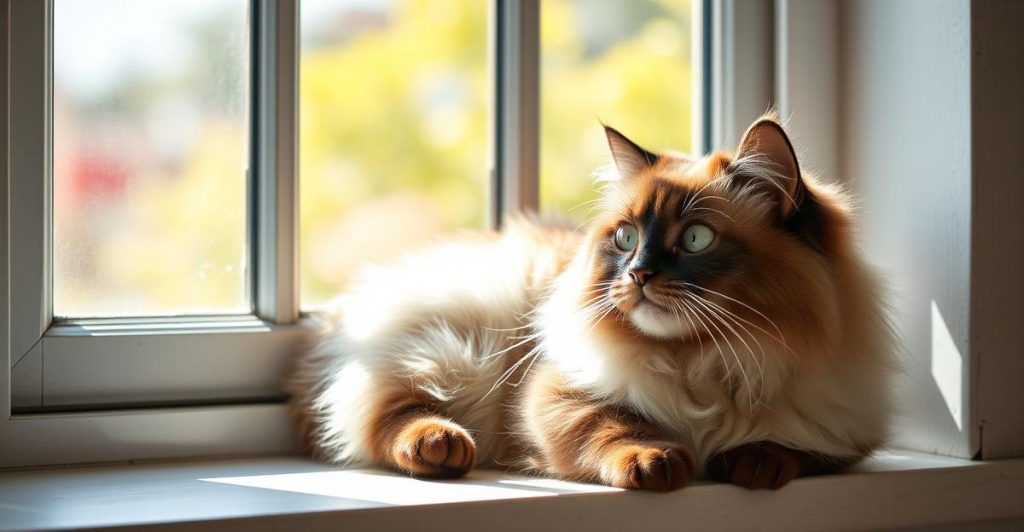

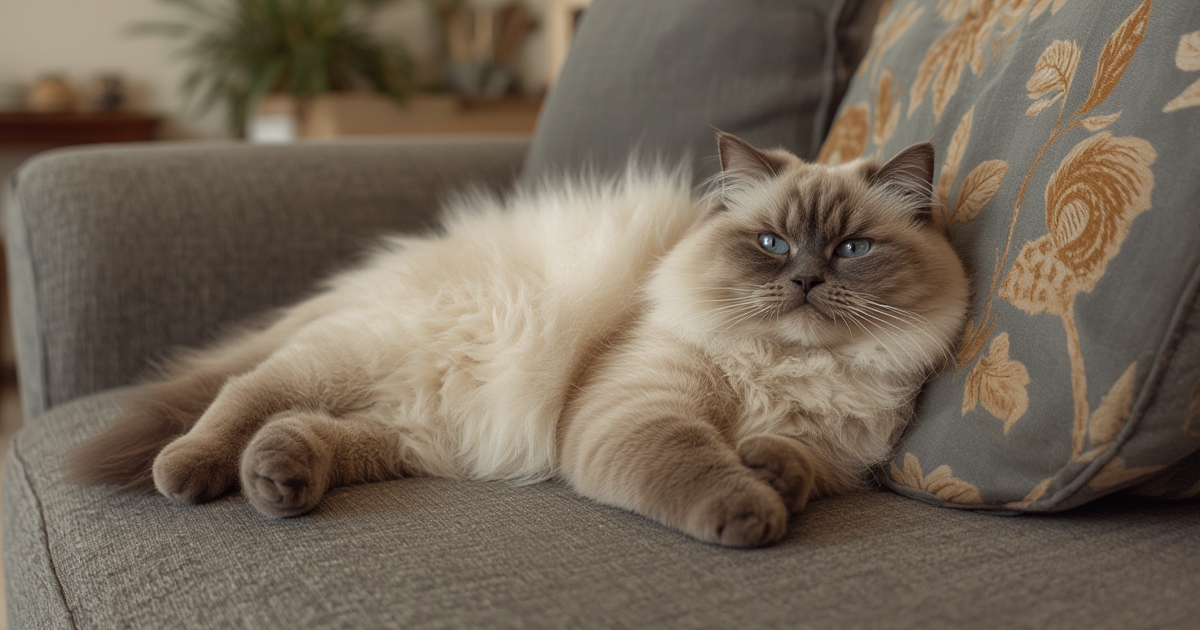
Why Indoor Cat Breeds Matter
Choosing the right indoor cat breed can transform a small apartment into a thriving feline sanctuary. When you focus on indoor cat breeds, you’re selecting companions that thrive in a safe, controlled environment while still expressing their natural instincts. Understanding the temperament, activity level, and grooming needs of these breeds helps you create a happy, healthy home for your cat. In this guide, we’ll explore the top 10 cat breeds perfect for indoor living in 2026, along with practical care tips, health considerations, and enrichment ideas that keep indoor cats thriving.
Top 10 Indoor Cat Breeds for 2026
These breeds have earned a reputation for being adaptable, affectionate, and low‑maintenance—ideal qualities for indoor cat owners. Below, each breed is highlighted with its personality traits, grooming needs, and why it shines in an indoor setting.
1. British Shorthair
The British Shorthair is known for its plush, dense coat and calm demeanor. They enjoy lounging in sunny spots and are content with moderate play sessions. Their low‑energy nature makes them perfect for apartment living.
2. Ragdoll
Ragdolls are gentle giants who love to be cradled. Their docile temperament and tendency to follow owners from room to room create a strong bond, especially in indoor environments where they can safely explore.
3. Russian Blue
With a striking blue coat and emerald eyes, the Russian Blue is both elegant and intelligent. They are shy around strangers but become devoted companions once trust is built, thriving in quiet indoor spaces.
4. Scottish Fold
Famous for their folded ears, Scottish Folds are playful yet calm. They enjoy interactive toys and are adaptable to both small flats and larger homes, making them versatile indoor cat breeds.
5. Exotic Shorthair
Often called the “short‑haired Persian,” the Exotic Shorthair combines a sweet personality with low grooming demands. They love to cuddle and are content with short, daily play sessions.
6. Burmese
Burmese cats are social, vocal, and love being the center of attention. Their high energy can be channeled through puzzle feeders and climbing structures, keeping indoor life exciting.
7. Chartreux
This French breed boasts a thick, water‑repellent coat and a calm, confident attitude. Chartreux cats are independent yet affectionate, thriving in indoor environments where they can observe from a perch.
8. Birman
Known as the “Sacred Cat of Burma,” Birmans are gentle, people‑oriented, and love to be near their owners. Their medium activity level makes them ideal for indoor families seeking a devoted companion.
9. Sphynx
The hairless Sphynx craves warmth and human contact. Their unique skin requires regular bathing, but they excel in indoor settings where temperature can be controlled and affection is abundant.
10. Maine Coon (Indoor‑Only)
While traditionally an outdoor breed, the Maine Coon can adapt to indoor life when provided with ample vertical space and enrichment. Their friendly nature and large size make them a striking addition to any indoor home.
Essential Care Tips for Indoor Cats
Even the most low‑maintenance indoor cat breeds require a routine that supports physical health, mental stimulation, and emotional well‑being. Below are key areas every indoor cat owner should address.
Feeding and Nutrition
- Offer a balanced diet tailored to age, activity level, and any breed‑specific sensitivities.
- Provide fresh water at all times; consider a pet fountain to encourage hydration.
- Use puzzle feeders to slow eating and provide mental enrichment.
Environmental Enrichment
- Install vertical climbing shelves or a cat tree to satisfy natural climbing instincts.
- Rotate toys weekly to keep curiosity alive.
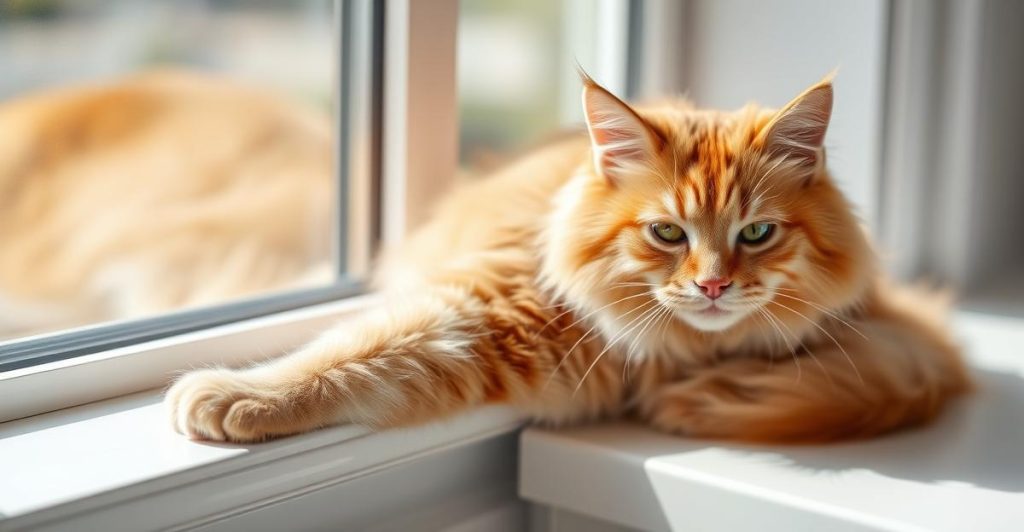
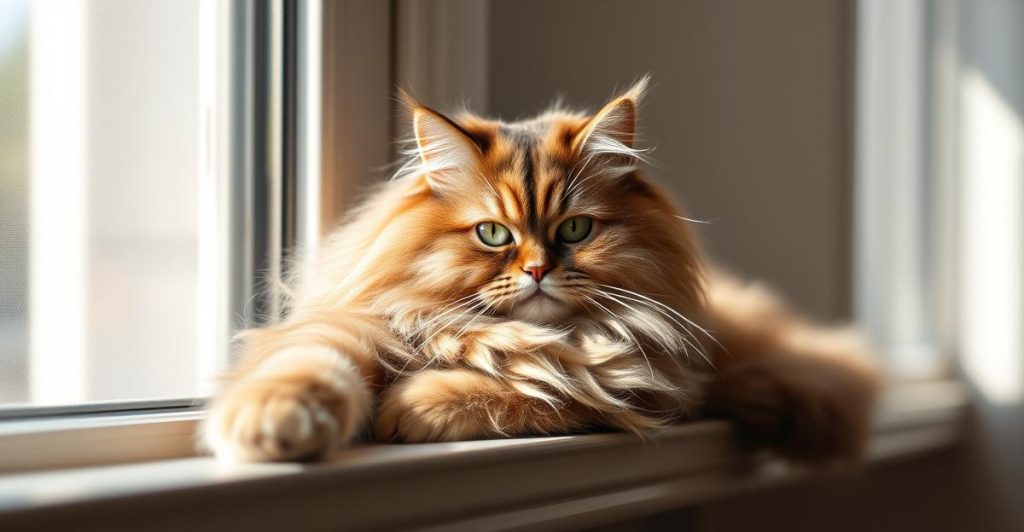
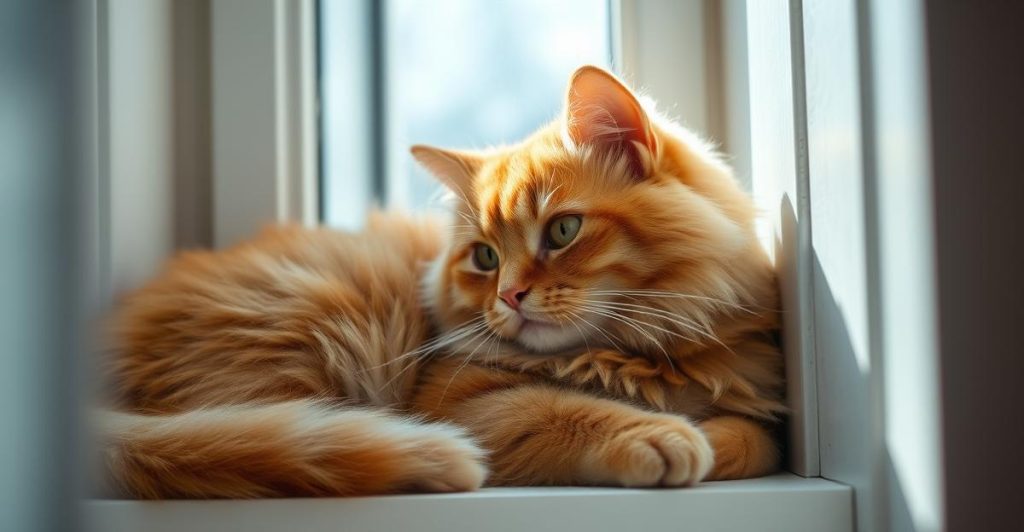
- Set up a window perch with a view of the outdoors for visual stimulation.
Litter Box Management
- Choose a low‑dust, clumping litter for easy cleanup.
- Place the litter box in a quiet, low‑traffic area.
- Maintain a 1:1 ratio of litter boxes to cats, plus one extra.
Grooming Basics
- Brush short‑haired breeds weekly; long‑haired breeds may need daily grooming.
- Trim nails every 2–3 weeks to prevent overgrowth.
- Check ears and teeth during each grooming session for signs of infection.
Health Monitoring
- Schedule annual veterinary exams, even for indoor cats.
- Keep vaccinations up to date, especially for feline viral rhinotracheitis, calicivirus, and panleukopenia.
- Watch for changes in appetite, litter habits, or behavior that could signal health issues.
Choosing the Right Indoor Cat Breed for Your Lifestyle
Matching a cat’s temperament and care needs with your daily routine ensures a harmonious home. Consider factors such as activity level, grooming demands, and social preferences before deciding.
Key Decision Factors
- Activity Level: High‑energy breeds (e.g., Burmese) need more playtime and interactive toys.
- Grooming Frequency: Low‑shedding breeds (e.g., Russian Blue) suit owners with limited grooming time.
- Allergies: Hairless breeds like the Sphynx may be better for allergy‑sensitive households.
- Space Availability: Larger breeds (e.g., Maine Coon) require vertical space and sturdy furniture.
Comparison of Indoor vs Outdoor Cat Care
| Aspect | Indoor Cat Care | Outdoor Cat Care | Best For |
|---|---|---|---|
| Safety | Protected from traffic, predators, and disease | Exposed to cars, fights, parasites | Owners prioritizing longevity |
| Exercise | Requires toys, climbing structures, play sessions | Natural hunting and roaming | Active owners who can provide enrichment |
| Health Risks | Lower risk of infectious diseases; higher obesity risk | Higher risk of injuries and parasites | Owners willing to manage diet and activity |
| Longevity | Typically 12‑15 years or more | Average 7‑10 years | Families seeking long‑term companions |
Common Health Concerns for Indoor Cats
While indoor cats avoid many outdoor hazards, they face unique health challenges that owners should monitor.
Obesity and Weight Management
Limited space can lead to reduced activity. Use portion‑controlled feeding, schedule regular play, and consider weight‑monitoring tools.
Dental Disease
Stagnant diets and lack of natural chewing can cause tartar buildup. Provide dental treats and schedule professional cleanings annually.
Urinary Tract Issues
Low moisture intake and stress can trigger urinary crystals. Ensure ample water, feed wet food, and keep stress levels low with a predictable routine.
Hairball Prevention
Even short‑haired indoor cats can develop hairballs. Groom regularly, use hairball‑control diets, and provide fiber‑rich treats.
Behavioral Problems
boredom may lead to scratching furniture or excessive meowing. Address by enriching the environment, offering interactive toys, and establishing consistent playtimes.
Creating a Cat‑Friendly Indoor Home
Designing your living space with cat comfort in mind enhances both your cat’s happiness and your home’s harmony.
Safe Zones and Hideaways
- Place a cozy bed in a quiet corner for retreat.
- Use cat caves or cardboard boxes for natural hiding spots.
- Provide multiple perches at different heights.
Scratch Solutions
- Install vertical scratching posts near favorite lounging spots.
- Offer horizontal scratching pads for cats that prefer flat surfaces.
- Use catnip‑infused toys to encourage proper scratching behavior.
Tech‑Assisted Enrichment
- Automated laser toys can provide intermittent exercise.
- Interactive feeders dispense treats when the cat solves a puzzle.
- Streaming bird or fish videos can captivate curious indoor cats.
Safety Checks
- Secure cords and remove toxic plants.
- Use child‑proof locks on windows and balconies.
- Keep small objects that could be swallowed out of reach.
Routine Veterinary Care
Even indoor cats need preventive care. Schedule vaccinations, dental checks, and blood work at least once a year. Discuss breed‑specific concerns with your veterinarian to tailor a health plan.
Social Interaction
Indoor cats thrive on human companionship. Set aside dedicated cuddle time, talk to your cat, and engage in gentle grooming to strengthen the bond.
Travel and Boarding Considerations
If you travel, choose a reputable boarding facility that offers enrichment and socialization for indoor cats. Alternatively, consider a trusted pet sitter who can maintain the cat’s routine.
Seasonal Adjustments
- In winter, ensure warm bedding and avoid drafts.
- During summer, provide cooling mats and fresh water.
- Adjust feeding portions based on activity level changes.
Monitoring Stress Levels
Signs of stress include over‑grooming, hiding, or sudden aggression. Reduce stress by maintaining a consistent schedule, providing safe spaces, and using calming pheromone diffusers if needed.
Long‑Term Enrichment Planning
Rotate toys every few weeks, introduce new climbing modules annually, and consider training simple tricks to keep the indoor environment mentally stimulating for years to come.
Final Thoughts on Indoor Cat Breeds
Choosing the right indoor cat breed sets the foundation for a joyful, healthy partnership. By pairing breed characteristics with your lifestyle, providing proper nutrition, enrichment, and veterinary care, you ensure that your feline friend thrives within the walls of your home.
Frequently Asked Questions
How often should I feed my indoor cat?
Adult indoor cats typically eat twice daily, while kittens require three to four meals. Adjust portions based on your cat’s weight, activity level, and the calorie content of the food.
Why does my indoor cat meow at night?
Nocturnal vocalizations can stem from boredom, hunger, or seeking attention. Provide evening play sessions, a small late‑night snack, and a comfortable sleeping area to reduce nighttime meowing.
Can indoor cats get enough exercise without outdoor access?
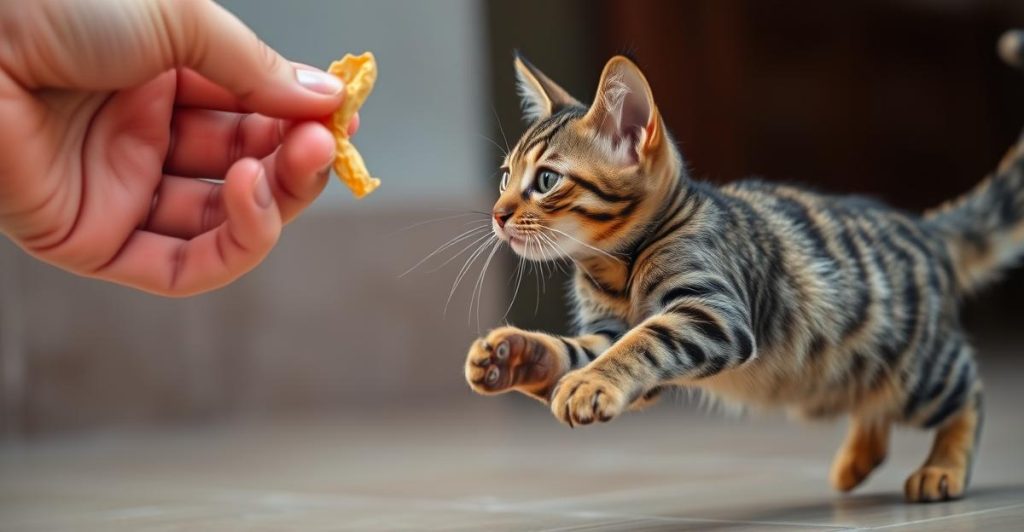
Yes. Use interactive toys, laser pointers, and climbing structures to simulate natural hunting and climbing behaviors. Aim for at least 15–20 minutes of active play twice a day.
How can I train a kitten to use the litter box?
Place the kitten in the litter box after meals and naps, praise them when they use it, and keep the box clean. Avoid scolding accidents; instead, gently guide the kitten to the box.
Are hairless cats like the Sphynx suitable for families with allergies?
While Sphynx cats lack fur, they still produce skin oils and dander. They may be better tolerated by allergy‑sensitive individuals, but a trial period is recommended before adoption.
What’s the best way to prevent hairballs in short‑haired indoor cats?
Regular brushing, a diet high in fiber, and occasional hairball‑control treats can reduce hairball formation, even in short‑haired breeds.
Do indoor cats need vaccinations?
Yes. Core vaccines protect against feline viral rhinotracheitis, calicivirus, and panleukopenia. Your veterinarian may also recommend non‑core vaccines based on lifestyle.
How often should I change my cat’s litter?
Scoop daily and completely replace the litter and clean the box with mild soap every 1–2 weeks. This maintains hygiene and encourages consistent litter box use.
Can I keep a Maine Coon strictly indoors?
Absolutely, provided you supply ample vertical space, interactive toys, and regular play to meet their high energy needs.
What are signs of urinary tract problems in indoor cats?
Frequent urination, straining, blood in urine, or urinating outside the litter box may indicate a urinary issue. Seek veterinary care promptly.