
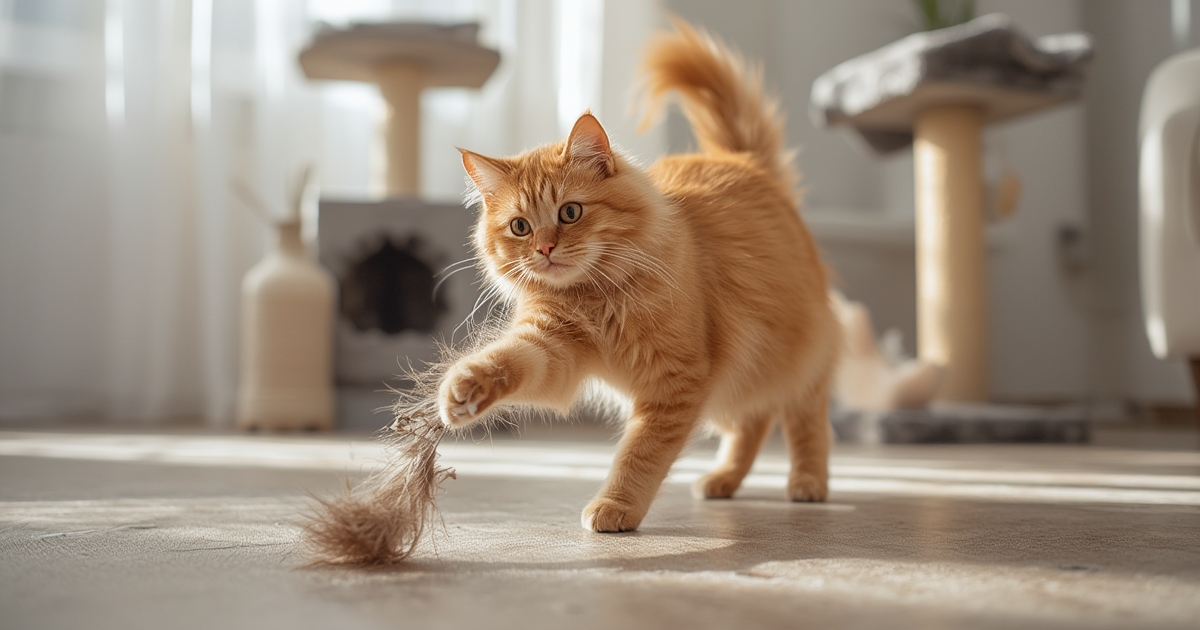
Understanding the Unique Needs of Indoor Cats
Living inside offers cats safety, comfort, and a climate‑controlled environment, but it also creates distinct challenges. Providing proper indoor cat care means recognizing that an indoor cat’s physical and mental health depends on more than just a cozy bed and a bowl of food. These felines need stimulation, exercise, and a routine that mirrors their natural instincts while keeping them safe from outdoor hazards.
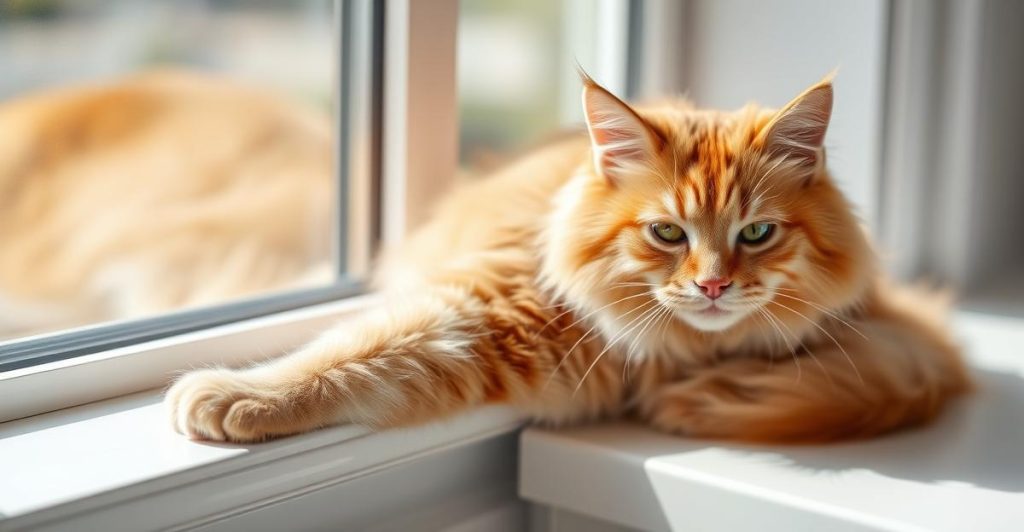
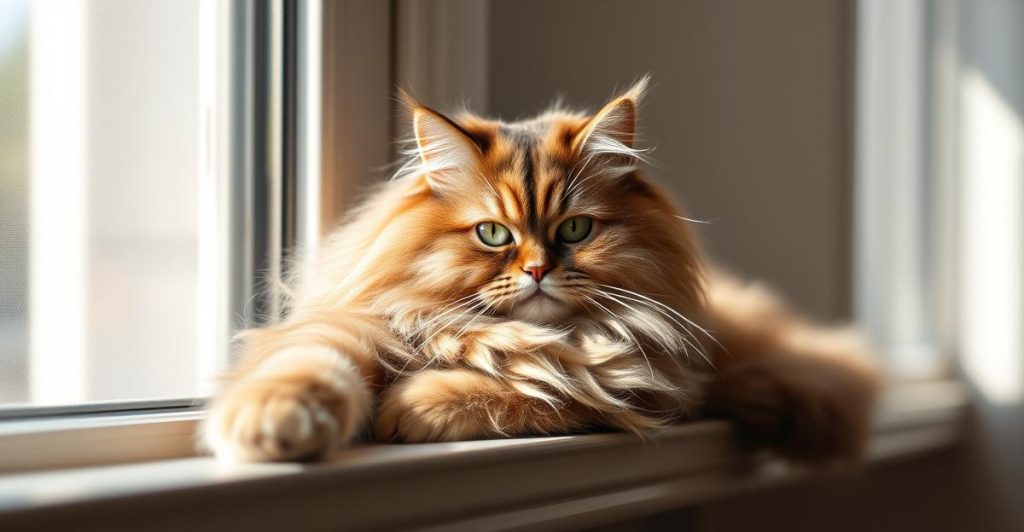
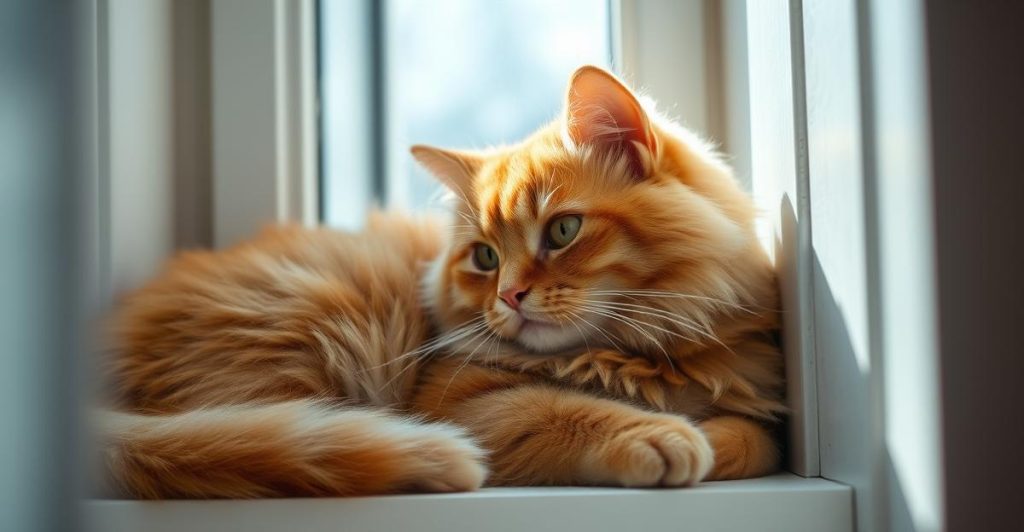
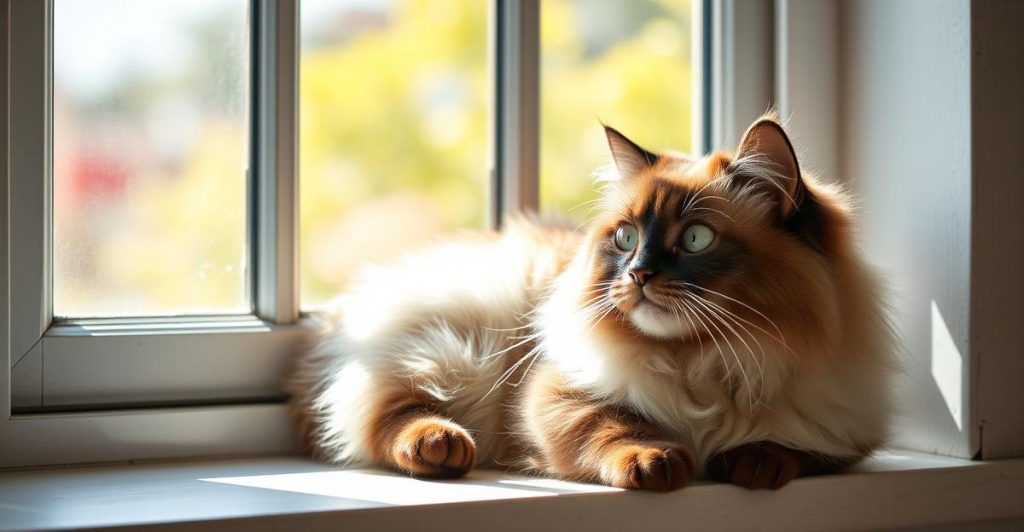
When you first adopt an indoor cat or kitten, observe how they interact with their surroundings. Do they pounce on shadows, stalk toys, or stare at windows? These behaviors are clues that guide your indoor cat care strategy, helping you create a home that satisfies both their hunting instincts and their need for security.
Feeding and Nutrition for Indoor Cats
Nutrition is the cornerstone of healthy indoor cat care. Because indoor cats expend less energy than their outdoor counterparts, they are prone to weight gain and related health issues. Selecting the right food and feeding schedule can prevent obesity, urinary problems, and diabetes.
Choosing the Right Food Type
- Dry kibble – convenient, helps with dental health, but lower moisture.
- Wet food – high moisture, great for urinary health, but more expensive.
- Raw or freeze‑dried diets – mimic natural prey, require careful handling.
Portion Control and Feeding Schedule
Measure meals with a kitchen scale or a calibrated scoop. Most adult indoor cats thrive on two meals per day, while kittens need three to four smaller meals.
- Use an automatic feeder for consistent timing.
- Monitor weight monthly; adjust portions by 5‑10% if gaining or losing too quickly.
- Offer fresh water alongside wet food to encourage hydration.
Essential Nutrients for Indoor Cats
Look for foods that contain:
- High‑quality animal protein (at least 30% of calories).
- Omega‑3 fatty acids for skin, coat, and joint health.
- Balanced taurine levels to support heart and eye function.
- Low carbohydrate content to reduce the risk of diabetes.
Enriching the Indoor Environment
Stimulation prevents boredom, anxiety, and destructive behavior—key components of effective indoor cat care. A well‑designed environment encourages natural hunting, climbing, and scratching, keeping your cat both physically fit and mentally sharp.
Vertical Space and Climbing Opportunities
Cats love to observe from high perches. Install cat trees, wall‑mounted shelves, or repurposed furniture to create a vertical playground.
- Place a perch near a sunny window for natural light.
- Use sturdy, non‑slip surfaces to ensure safety.
- Rotate climbing structures every few weeks to maintain novelty.
Interactive Play and Exercise
Daily play sessions mimic hunting cycles and burn calories.
- Use wand toys that mimic feathered prey for 10‑15 minutes, twice daily.
- Introduce puzzle feeders that require problem‑solving to release kibble.
- Schedule short “cat zoomies” periods with laser pointers or motorized toys.
Scratching Solutions and Territory Marking
Provide a variety of scratching posts—vertical, horizontal, and angled—to satisfy different preferences.
- Cover posts with sisal rope, carpet, or cardboard.
- Place a post near the cat’s sleeping area and another near the litter box.
- Refresh worn surfaces to keep them attractive.
Health Monitoring and Preventive Care
Regular health checks are vital for indoor cats, whose limited exposure to pathogens can mask early signs of disease. Preventive care reduces the risk of obesity, dental disease, and urinary tract issues.
Weight Management and Body Condition Scoring
Perform a simple body condition check each month:
- Feel the ribs—there should be a thin layer of fat, not a thick pad.
- Look from above; the waist should be visible.
- From the side, the abdomen should have a gentle upward slope.
If your cat scores higher than ideal, reduce calories by 10% and increase playtime.
Vaccinations and Parasite Prevention
Even indoor cats benefit from core vaccines (FVRCP and Rabies) and annual health exams.
- Discuss flea and tick preventatives with your vet—indoor cats can still encounter pests on shoes or visitors.
- Consider a yearly heartworm test if you live in an endemic area.
Dental Health
Dental disease is common in indoor cats due to a diet low in abrasive texture.
- Brush teeth weekly with a feline‑specific toothpaste.
- Offer dental treats or toys designed to reduce plaque.
- Schedule professional cleanings every 1‑2 years.
Routine Grooming and Behavior Management
Consistent grooming supports coat health and offers bonding time, while understanding behavior prevents stress and unwanted habits.
Coat Care and Shedding Control
Brush long‑haired breeds at least three times a week; short‑haired cats benefit from weekly brushing.
- Use a slicker brush for tangles, a rubber glove for short coats.
- Regular grooming reduces hairballs—a common indoor cat issue.
- Check ears for wax and debris; clean gently with a vet‑approved solution.
Litter Box Management
A clean litter box is essential for indoor cat happiness.
- Provide one box per cat plus an extra.
- Scoop daily; change litter completely every 1‑2 weeks.
- Choose low‑dust, clumping litter to minimize respiratory irritation.
Managing Common Behavioral Challenges
Understanding why cats exhibit certain behaviors helps you address the root cause.
- Nighttime vocalization: Ensure a play session before bed to expend energy.
- Scratching furniture: Offer appealing alternatives and use double‑sided tape on prohibited surfaces.
- Food aggression: Feed multiple small meals and separate feeding stations if multiple cats share a home.
Training and Positive Reinforcement
Indoor cats respond well to clicker training and treat rewards.
- Teach “come” by calling the cat’s name and rewarding with a favorite snack.
- Use a clicker to mark desired behavior, then follow with a treat.
- Keep training sessions short—5 minutes max—to maintain focus.
Creating a Safe Outdoor Experience
If you want a taste of the outdoors, consider a “catio” or harness training.
- Build a secure, screened enclosure attached to a window.
- Introduce a harness gradually, letting the cat wear it indoors before short supervised walks.
- Never leave a cat unattended in an unsecured outdoor space.
Comparison of Indoor vs Outdoor Cat Care Needs
| Aspect | Indoor Cat Care | Outdoor Cat Care | Key Consideration |
|---|---|---|---|
| Exercise | Structured play, climbing furniture | Natural hunting, roaming | Indoor cats need intentional enrichment |
| Nutrition | Portion‑controlled, lower calorie | Higher calorie, occasional prey | Monitor weight closely indoors |
| Health Risks | Obesity, urinary issues, dental disease | Parasites, injuries, infections | Preventive vet visits essential for both |
| Safety | Protected from traffic, predators | Exposure to traffic, predators, toxins | Indoor environment offers inherent safety |
| Behavior | Potential boredom, scratching issues | Territorial marking, hunting instincts | Enrichment reduces indoor stress |
Putting It All Together: A Daily Checklist for Optimal Indoor Cat Care
Consistency turns good habits into lifelong health benefits. Use this simple checklist to ensure you cover every aspect of indoor cat care each day.
- Morning: Offer fresh water, scoop litter, feed a measured portion of wet or dry food.
- Mid‑day: Rotate a toy or puzzle feeder, check scratching posts for wear.
- Afternoon: Short grooming session—brush coat, inspect ears and paws.
- Evening: Interactive play (10‑15 minutes), provide a high perch for relaxation.
- Night: Ensure litter box is clean, water bowl topped up, and a cozy sleeping spot is ready.
Review this list weekly, adjust based on your cat’s age, weight, and activity level, and you’ll create a thriving indoor environment that keeps your feline friend happy, healthy, and engaged.
Frequently Asked Questions (FAQ)
How often should I feed my indoor cat?
Adult indoor cats typically do well with two measured meals per day, while kittens need three to four smaller meals. Adjust portions based on weight and activity level, and always provide fresh water.
Why does my cat meow loudly at night?
Nighttime vocalization often stems from excess energy, hunger, or boredom. A vigorous play session before bedtime, a small late‑night snack, and a stimulating environment can reduce nighttime meowing.
Can I train my indoor kitten to use the litter box?
Yes. Place the kitten in the litter box after meals and after waking up. Use a low‑sided, unscented litter and reward the kitten with gentle praise or a treat each time it uses the box.
What are the signs of obesity in an indoor cat?
Key indicators include a lack of visible waist, difficulty feeling the ribs, and a round, “tub‑like” abdomen. If you notice any of these signs, consult your veterinarian and adjust diet and activity.
Is it safe to let my indoor cat use a harness outdoors?
Yes, if you introduce the harness gradually and supervise the cat at all times. Start with short, indoor sessions, then progress to brief, controlled outdoor walks in a quiet area.