
Understanding Cat Litter Box Problems: Why It Happens and How to Fix It
Every cat owner knows the dread of stepping into a kitchen and finding a missed deposit outside the tray. When a feline consistently avoids the litter box, it can feel like a personal failure—but the truth is that cat litter box problems are often signals of underlying needs. By decoding the behavior, you can turn a messy situation into a happy, healthy home for both you and your cat.
In this guide we’ll explore the most common reasons cats refuse to use their box, practical steps to resolve each issue, and long‑term strategies to keep indoor cats comfortable and confident. Whether you’re caring for a curious kitten or a seasoned senior, the solutions below will help you create a litter‑friendly environment.
Common Causes of Cat Litter Box Problems
Before you can solve the issue, you need to identify the root cause. Below are the top factors that lead cats to abandon their litter boxes.
1. Box Location and Accessibility
Cats prefer quiet, low‑traffic areas. A box placed near a noisy appliance, in a hallway with constant foot traffic, or behind a closed door can feel unsafe.
- Choose a secluded spot with good ventilation.
- Avoid placing the box near food and water dishes.
- For multi‑cat households, provide one more box than the number of cats (e.g., three boxes for two cats).
2. Litter Type and Cleanliness
Texture, scent, and cleanliness play huge roles. Some cats dislike clumping litter, while others are sensitive to scented varieties.
- Experiment with unscented, fine‑grain litters.
- Scoop at least once daily; change the entire litter every 1‑2 weeks.
- Consider a shallow box for kittens who may be scared of deep litter.
3. Health Issues
Medical conditions such as urinary tract infections, kidney disease, or arthritis can make elimination painful, prompting a cat to avoid the box.
- Watch for signs: frequent trips to the box, straining, blood in urine, or vocalizing while urinating.
- Any sudden change in litter habits warrants a veterinary check‑up.
4. Stress and Behavioral Triggers
Changes in the household—new pets, moving furniture, or loud noises—can cause stress‑related cat litter box problems.
- Maintain a consistent routine.
- Provide plenty of high perches and safe hiding spots.
- Use feline pheromone diffusers to calm anxious cats.
5. Inadequate Box Size or Design
Adults need a box that is at least as long as they are from nose to tail tip, while kittens may need a smaller entry.
- Choose a box with low sides for older cats with joint pain.
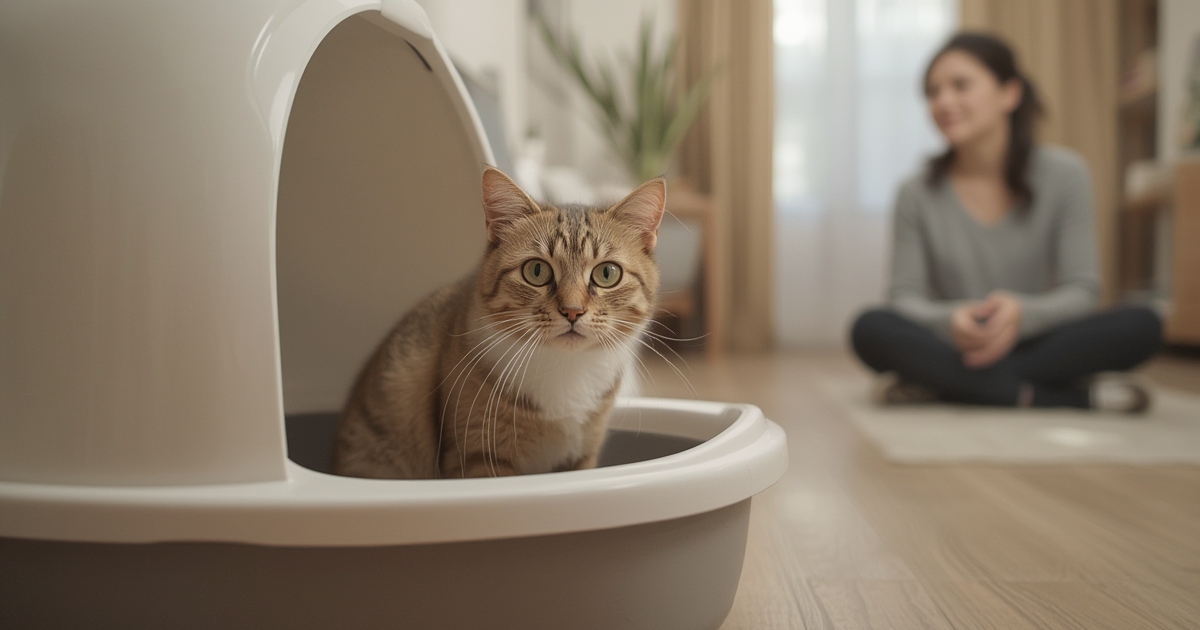
- A covered box can provide privacy but may trap odors; test both covered and uncovered options.
Practical Solutions to Resolve Litter Box Issues
Now that you know why your cat might be avoiding the tray, here are step‑by‑step actions you can take.
Step 1: Evaluate and Relocate the Box
Move the litter box to a quiet corner, away from loud appliances. If you have multiple cats, add extra boxes in different rooms.
Step 2: Choose the Right Litter
Start with an unscented, clumping litter made of fine granules. If your cat still refuses, try a paper‑based or wood pellet litter. Keep a small sample of each type and observe preferences over a week.
Step 3: Implement a Cleaning Schedule
Consistency is key. Scoop at least once a day, and completely replace the litter weekly. Use a mild, unscented cleaner to avoid lingering smells.
Step 4: Address Health Concerns Promptly
If you suspect a medical issue, schedule a vet visit. Common problems like urinary crystals can be resolved with diet changes and medication.
Step 5: Reduce Stress Triggers
Introduce new pets gradually using a scent‑swap technique: exchange bedding between the resident cat and newcomer for several days before face‑to‑face introductions.
- Provide separate feeding stations.
- Use vertical space (cat trees, shelves) to give each cat its own territory.
- Play calming music or white noise during loud events (e.g., construction).
Step 6: Optimize Box Design
For senior cats, a low‑entry box reduces the effort required to step inside. For kittens, a shallow tray prevents them from feeling trapped.
Step 7: Positive Reinforcement
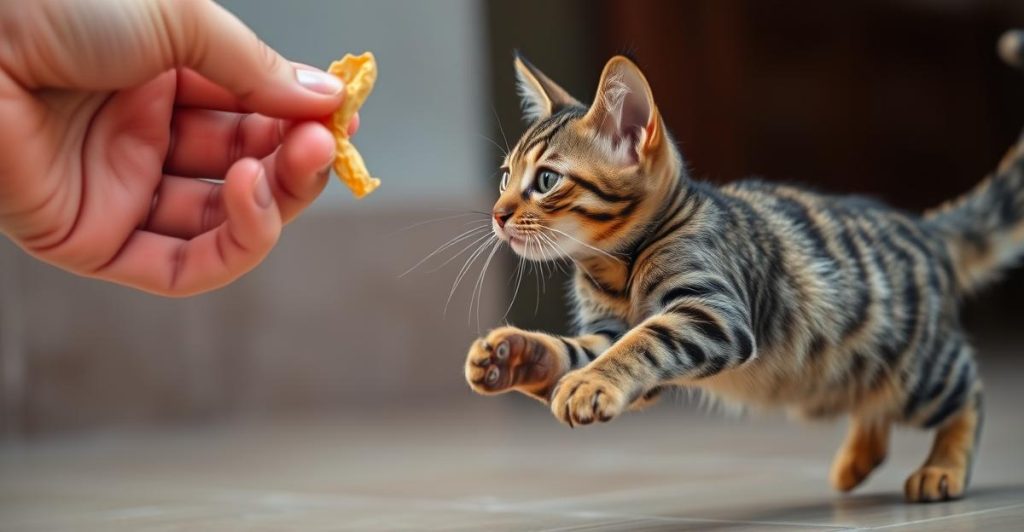
Reward your cat with treats or gentle praise immediately after they use the box. This creates a positive association.
Preventive Care for a Happy Indoor Cat Lifestyle
Preventing cat litter box problems starts with a holistic approach to indoor cat care. Below are daily habits and environmental tweaks that keep cats comfortable and reduce the chance of accidents.
Daily Routine Checklist
- Inspect the litter box each morning and evening; scoop any waste.
- Offer fresh water in a clean bowl; consider a water fountain for extra hydration.
- Provide a balanced diet tailored to your cat’s life stage (kitten, adult, senior).
- Engage in 10‑15 minutes of interactive play to reduce stress and encourage regular elimination.
- Check paws and fur for signs of parasites or injuries that could affect litter box use.
Nutrition Tips that Support Healthy Elimination
Proper nutrition can prevent urinary crystals and constipation, two common culprits behind litter box avoidance.
- Choose a high‑protein, low‑carbohydrate cat food approved by AAFCO.
- Wet food can increase water intake, especially for cats that don’t drink enough.
- For cats prone to urinary issues, look for foods with controlled magnesium and added moisture.
- Consult your vet before switching diets; gradual transitions reduce digestive upset.
Environmental Enrichment
Enriching the indoor environment reduces boredom‑driven stress.
- Install scratching posts near the litter box to encourage proximity.
- Rotate toys weekly to keep curiosity high.
- Provide a window perch for bird watching—mental stimulation can lower anxiety.
Seasonal Considerations
During colder months, cats may seek warmer spots, sometimes outside the box. Place a heated pad under a portion of the litter or choose a box with a insulated base.
When to Seek Veterinary Help for Litter Box Issues
While many cat litter box problems are behavioral, some require professional attention. Seek veterinary care if you notice any of the following:
- Blood, pus, or a strong odor in urine or feces.
- Frequent attempts to eliminate with no success (straining).
- Sudden change in litter habits for a previously reliable cat.
- Signs of pain: vocalizing, hissing, or flinching when approaching the box.
- Weight loss, decreased appetite, or increased thirst.
Early diagnosis of urinary tract infections, kidney disease, or arthritis can prevent chronic issues and keep your cat comfortable.
Comparison of Indoor vs Outdoor Cat Lifestyles
| Aspect | Indoor Cat | Outdoor Cat | Best For |
|---|---|---|---|
| Safety | Protected from traffic, predators, and disease | Exposed to cars, fights, parasites | Owners concerned about health risks |
| Exercise | Requires play toys, climbing trees, and enrichment | Natural hunting and roaming provide exercise | Active households vs rural settings |
| Litter Box Needs | Essential; regular cleaning critical | May use natural substrates outdoors | Indoor-only cats |
| Lifespan | Typically 12‑15+ years | Average 5‑7 years due to hazards | Owners seeking longevity |
| Behavioral Stress | Can arise from confinement; mitigated with enrichment | Stress from territory disputes | Cats with strong territorial instincts |
Putting It All Together: A Step‑by‑Step Action Plan
Use this concise roadmap to address cat litter box problems systematically.
- Observe: Note when and where accidents occur. Record any changes in diet, environment, or health.
- Assess: Check box location, size, and litter type. Ensure daily cleaning.
- Experiment: Switch to unscented, fine‑grain litter; try a different box design.
- Health Check: Look for signs of urinary or digestive issues; schedule a vet visit if needed.
- Reduce Stress: Add pheromone diffusers, increase playtime, and provide safe hideaways.
- Reward: Offer treats immediately after successful box use.
- Monitor: Continue daily checks for at least two weeks; adjust as needed.
Consistency and patience are the keys to success. Most cats respond positively within a few days when their basic needs are met.
Frequently Asked Questions
How often should I clean my cat’s litter box?
Scoop waste at least once a day and completely replace the litter every 1‑2 weeks. More frequent changes are recommended if you have multiple cats or a kitten.
Why does my cat scratch around the litter box before using it?
Scratching is a natural instinct to cover waste and mark territory. Providing a litter with a texture your cat likes can reduce excessive digging.
Can I use scented litter if my cat refuses unscented varieties?
Most cats prefer unscented litter because strong fragrances can be overwhelming. If a scented option is necessary, choose a mild, natural scent and observe your cat’s reaction.
My senior cat has arthritis—how can I make the litter box more accessible?
Select a low‑entry box or remove the cover to reduce the height needed to step inside. Adding a soft mat outside the box can also help with joint pain.
What should I do if my kitten is pooping outside the box?
Ensure the box is shallow enough for the kitten to climb in, keep it clean, and place it in a quiet area. Reward the kitten each time it uses the box, and consider a second box in a different room during the transition.
Is it normal for a cat to urinate on the floor after a move?
Moving is stressful and can trigger temporary litter box avoidance. Keep the box in a familiar location, maintain a regular cleaning schedule, and use pheromone diffusers to calm the cat.