
Understanding Your New Kitten
Bringing a tiny ball of fur home is a thrilling experience, but it also comes with a steep learning curve. Good kitten care starts with knowing what to expect during those first crucial weeks. From rapid growth spurts to the development of social skills, every moment is a chance to set a solid foundation for a healthy, happy cat.
New owners often wonder how to balance playtime with safety, or when to schedule the first vet visit. This guide breaks down the essential steps, so you can feel confident in providing the best possible environment for your newest family member.
Daily Kitten Care Routine
Consistency is the cornerstone of effective kitten care. Establishing a predictable daily schedule helps your kitten feel secure and reduces anxiety-related behaviors.
Morning Checklist
- Offer fresh water and a small portion of high‑quality kitten food.
- Inspect the litter box for cleanliness; scooping at least once a day prevents odor and encourages proper use.
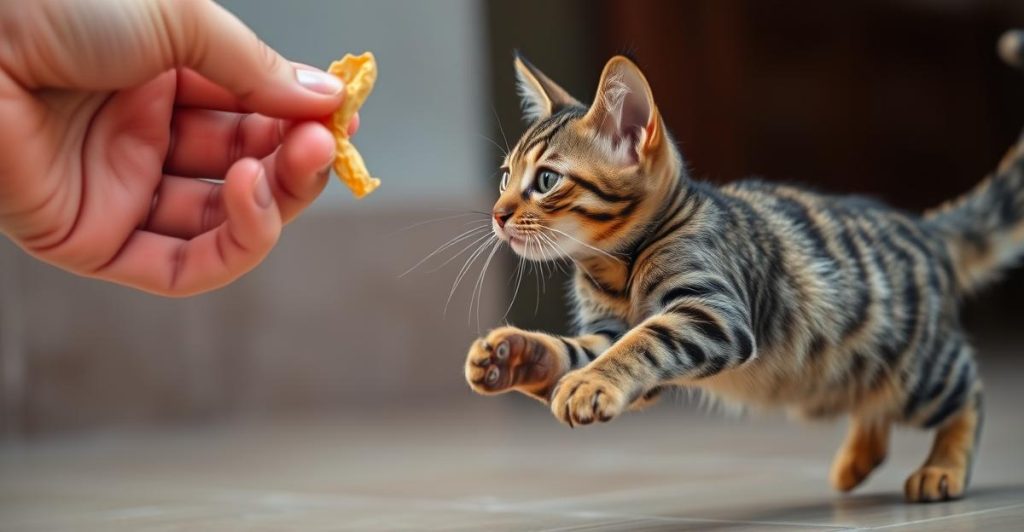
- Spend 10–15 minutes on gentle play using feather wands or laser pointers to stimulate hunting instincts.
Afternoon Activities
- Provide a safe, quiet spot for a short nap—kittens sleep 16–20 hours a day.
- Introduce short grooming sessions: brush the coat and check ears for wax buildup.
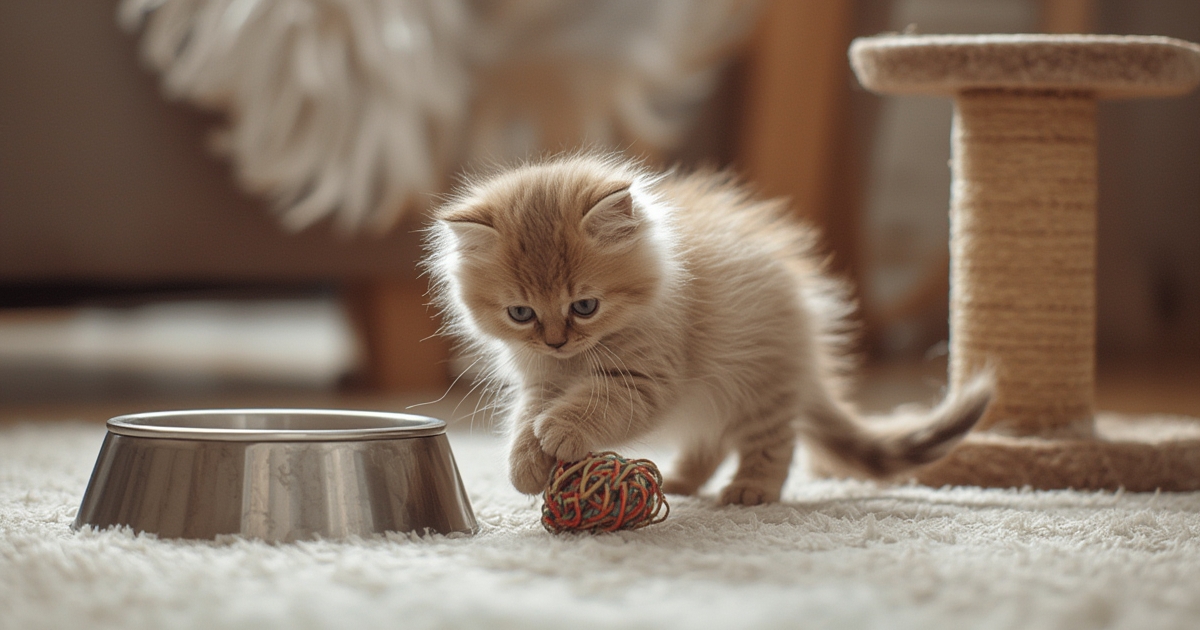
- Rotate toys to keep curiosity high and prevent boredom.
Evening Wind‑Down
- Offer a balanced dinner meal; this is also a good time to introduce a small treat for training.
- Engage in a calm interactive session to burn off excess energy before bedtime.
- Close the day with a brief cuddle session to reinforce bonding.
Nutrition and Feeding Guide
Proper nutrition fuels growth, supports immune function, and lays the groundwork for lifelong health. Selecting the right food and feeding schedule is a vital part of kitten care.
Choosing the Right Kitten Food
Look for products labeled “complete and balanced for growth” and containing a minimum of 30% protein from animal sources. Avoid foods with excessive fillers such as corn or wheat gluten, which can be hard for a developing digestive system.
Feeding Frequency
Kittens under six months should eat four small meals per day. Between six and twelve months, transition to three meals, and after the first year, most cats thrive on two meals daily.
Hydration Matters
Even though wet food provides moisture, always keep a bowl of fresh water within easy reach. Some kittens prefer a water fountain, which encourages regular drinking.
Comparison of Common Kitten Food Types
| Food Type | Main Benefit | Potential Drawback | Best For |
|---|---|---|---|
| Dry Kitten Food | Convenient, long shelf life, helps keep teeth clean | Lower moisture content, may be less palatable | Busy owners, travel-friendly feeding |
| Wet Kitten Food | High moisture, rich flavor encourages eating | Shorter shelf life after opening, can be messier | Kittens needing extra hydration, picky eaters |
| Raw or Fresh‑Prep Diet | Natural ingredients, mimics ancestral diet | Requires careful handling, higher cost | Owners comfortable with food prep, specific health needs |
| Homemade Cooked Meals | Control over ingredients, can address allergies | Time‑intensive, must be nutritionally balanced | Owners with dietary restrictions or veterinary guidance |
Health Checks and Preventive Care
Regular veterinary visits and preventive measures are non‑negotiable components of responsible kitten care. Early detection of issues can save both money and heartache.
Vaccination Schedule
- 6–8 weeks: FVRCP (Feline Viral Rhinotracheitis, Calicivirus, Panleukopenia)
- 10–12 weeks: Second FVRCP dose and FeLV (Feline Leukemia Virus) if at risk
- 14–16 weeks: Final FVRCP dose and rabies (required in many regions)
Parasite Prevention
Begin flea and tick preventatives as early as 8 weeks, using products specifically labeled for kittens. Deworming is typically recommended at 2, 4, and 6 weeks of age, then monthly until six months.
Spay/Neuter Timing
Most veterinarians suggest spaying or neutering between 4–6 months, though early‑age protocols (as young as 8 weeks) are safe and can reduce the risk of unwanted litters.
Common Health Red Flags
- Persistent diarrhea or vomiting—could signal parasites or dietary intolerance.
- Sudden weight loss or failure to gain weight—may indicate infection or metabolic issues.
- Changes in litter box habits—possible urinary tract infection or stress.
- Lethargy or loss of appetite—always warrant a veterinary check.
Behavior and Socialization
Understanding a kitten’s natural instincts helps you guide behavior in a positive direction. Early socialization reduces fear and aggression later in life.
Play as Training
Interactive toys mimic hunting and provide mental stimulation. Use play sessions to teach bite inhibition—if the kitten bites too hard, stop the game briefly to signal that rough play ends the fun.
Litter Box Success
- Place the box in a quiet, low‑traffic area.
- Use unscented, clumping litter; kittens are sensitive to strong fragrances.
- Show the kitten the box after meals and naps; gentle guidance reinforces the habit.
Handling and Gentle Touch
Accustom your kitten to being touched on paws, ears, and mouth for future grooming and veterinary exams. Short, calm sessions with treats create positive associations.
Introducing New Pets
When adding another cat or dog, keep introductions brief and supervised. Use a scent‑exchange method—swap bedding before face‑to‑face meetings—to reduce territorial stress.
Creating a Kitten‑Friendly Home
A safe, stimulating environment prevents accidents and encourages healthy exploration. Simple modifications can make a big difference in the quality of kitten care you provide.
Safe Spaces
- Provide a cozy cat bed or a covered hideaway where the kitten can retreat.
- Install low shelves or cat trees for climbing; vertical space satisfies natural instincts.
- Secure cords and small objects that could be swallowed.
Play Zones and Enrichment
Rotate puzzle feeders and treat-dispensing toys to keep curiosity alive. A simple cardboard box with a cut‑out entrance can become a favorite hideout for hours.
Cleaning Up Accidents
Use enzymatic cleaners on any soiled area to eliminate odor and discourage repeat incidents. Avoid ammonia‑based products, as they can mimic urine scent and attract the kitten back.
Temperature and Comfort
Kittens struggle to regulate body temperature. Keep the home between 68–75°F (20–24°C) and provide a soft blanket for extra warmth, especially during the first weeks.
Monitoring Growth and Development
Tracking milestones helps you ensure your kitten is thriving and alerts you to any potential concerns.
Weight Checks
Weigh your kitten weekly using a small kitchen scale. A healthy kitten should gain approximately 5–10 grams per day during the first three months.
Physical Milestones
- 2–3 weeks: Eyes and ears open, start to crawl.
- 4–5 weeks: Begins walking, exploring surroundings.
- 6–8 weeks: Starts weaning, shows interest in solid food.
- 12 weeks: Full coordination, can jump short distances.
Social Milestones
- Play biting reduces as bite inhibition improves.
- Begins to use the litter box consistently.
- Shows confidence in interacting with humans and other pets.
When to Seek Veterinary Advice
If growth stalls, the kitten appears lethargic, or you notice any abnormal behavior, contact your vet promptly. Early intervention often leads to better outcomes.
Long‑Term Planning
As your kitten approaches one year, transition to an adult cat diet that meets their activity level. Continue regular check‑ups at least annually to maintain optimal health.
Conclusion
Effective kitten care blends nutrition, health monitoring, behavioral guidance, and a safe environment. By following the routines and tips outlined above, new owners can nurture confident, healthy cats that bring joy for years to come.
Frequently Asked Questions
How often should I feed my kitten?
Kittens under six months need four small meals a day. Between six and twelve months, three meals are ideal, and after the first year, most cats do well with two meals daily.
Why does my kitten meow at night?
Nighttime meowing often signals a need for attention, hunger, or a desire to play. Ensure the kitten has a full dinner, plenty of play before bedtime, and a comfortable sleeping area.
How can I train a kitten to use the litter box?
Place the kitten in the litter box after meals and naps, use unscented clumping litter, and keep the box clean. Praise or treat the kitten each time it uses the box correctly.
When should I schedule my kitten’s first vet visit?
The first veterinary appointment should occur at 6–8 weeks of age for health screening, deworming, and the initial round of vaccinations.
Is it safe to give my kitten human food?
Some human foods are toxic to cats (e.g., onions, garlic, chocolate). Small amounts of plain cooked chicken or fish can be an occasional treat, but always consult your vet before introducing new foods.
What are the signs of a healthy kitten?
Bright eyes, clean ears, a shiny coat, steady weight gain, playful behavior, and regular litter box use are all indicators of good health.