
Teach Your Cat to Come When Called with Simple Play Tricks
Ever found yourself shouting, “Come here, kitty!” only to be met with a non‑committal flick of a tail and a confident stroll away? You’re not alone. Many cat owners struggle with getting their feline friends to respond reliably to a call. The good news is that, with the right approach, you can turn that dreaded “cat recall” moment into a fun, rewarding game for both you and your whiskered companion. By tapping into your cat’s natural love of play, you’ll build a strong bond, boost confidence, and create a reliable recall cue that works even in the busiest of households.
Why Cat Recall Matters for Everyday Happiness
Recall isn’t just a trick; it’s a practical skill that enhances safety, reduces stress, and deepens trust. When your cat knows that coming when called leads to positive experiences, they’ll feel more secure in new environments, whether it’s a vet visit, a trip to a friend’s house, or simply moving from the bedroom to the living room. A reliable cat recall also helps you manage daily routines—like bringing your cat inside before bedtime or during a sudden rainstorm—without resorting to forceful handling that can cause anxiety.
Understanding Your Cat’s Motivation
Unlike dogs, cats are independent hunters who respond best to incentives that match their innate drives. Before you start training, take a moment to observe what makes your cat’s ears perk up:
- Movement: A fluttering feather or a rolling ball can ignite a chase instinct.
- Sound: A crinkly paper bag or a gentle clicker often captures attention.
- Texture: Soft, plush toys mimic the feel of prey.
- Social Interaction: Some cats thrive on gentle petting and soothing voice tones.
By aligning your recall cue with these motivators, you’ll make the call feel like an invitation to play rather than an obligation.
Setting the Stage: The Ideal Training Environment
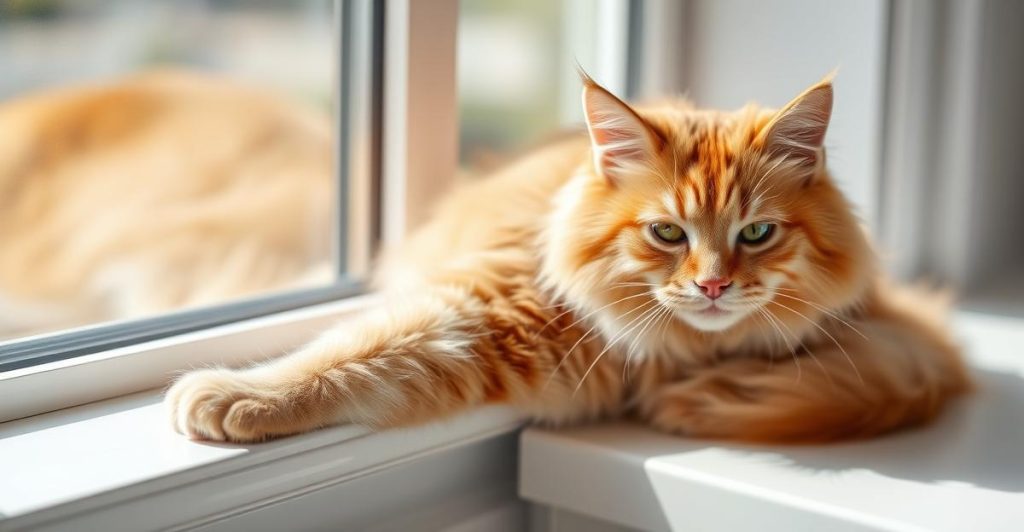
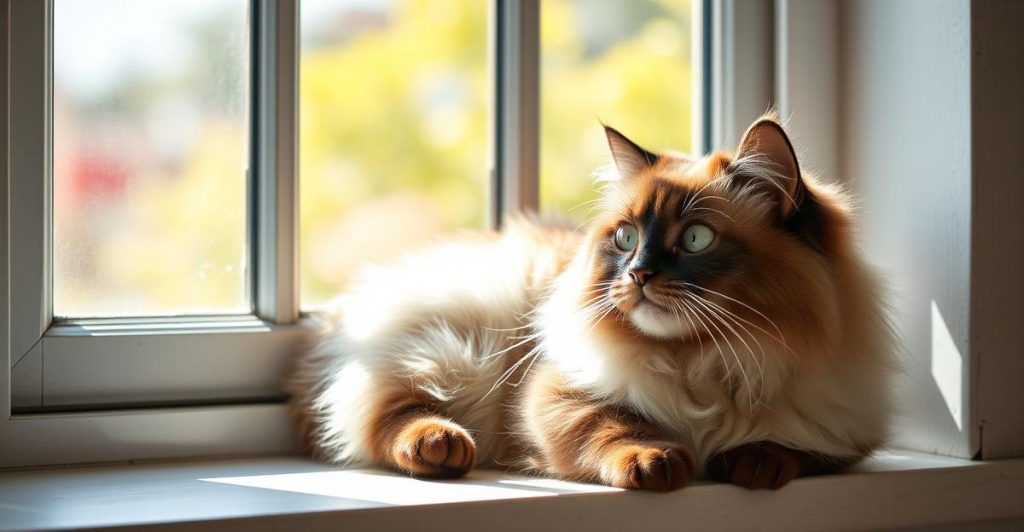
Success starts with a calm, distraction‑free zone. Choose a room where your cat feels comfortable—perhaps the favorite sun‑spot or a cozy corner with their bed. Keep other pets, loud noises, and high‑traffic areas out of sight until your cat reliably responds to the cue. A short, 5‑minute session once or twice a day is more effective than a marathon training marathon that ends in frustration.
Step‑by‑Step: Teaching the Recall Cue with Play
Below is a simple, repeatable routine that uses play as the primary reward. Feel free to adjust the timing and toys to suit your cat’s preferences.
- Choose a Distinct Cue: Pick a short word or sound—like “Here,” “Come,” or a gentle click—and use it consistently.
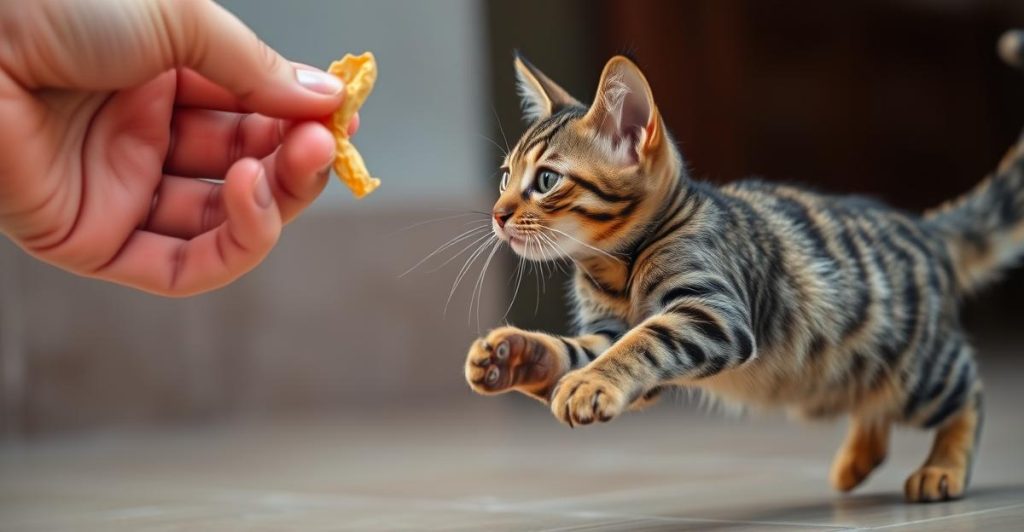
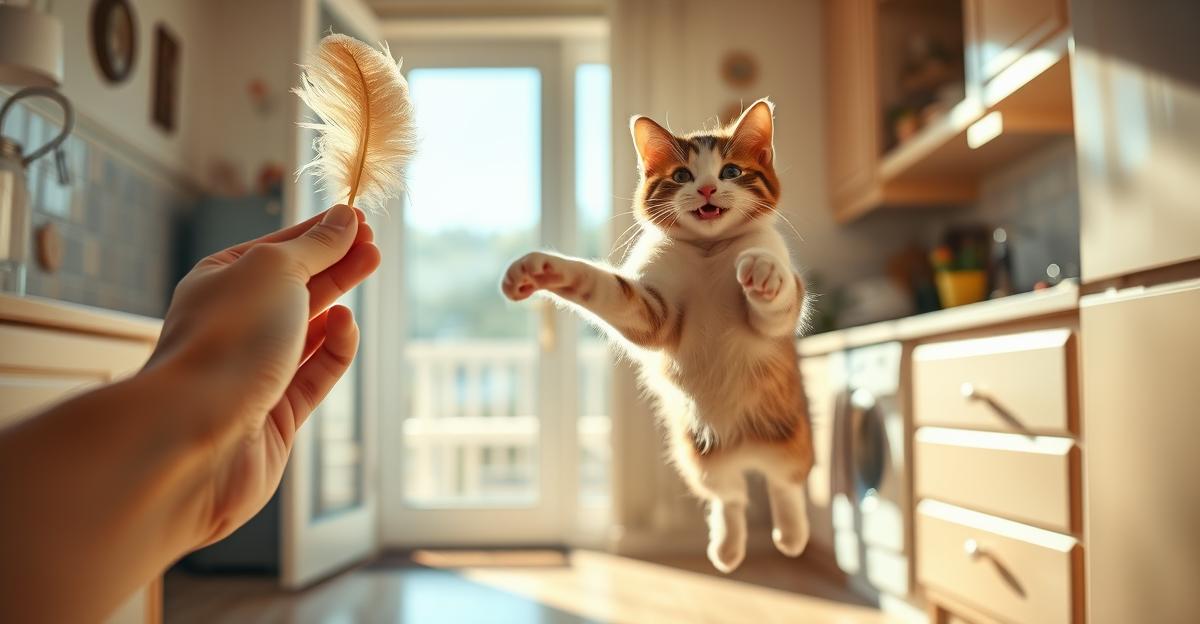
- Start Close: Sit a few feet away with a favorite toy in hand. Say the cue in a friendly tone, then immediately toss the toy a short distance.
- Reward the Approach: As soon as your cat moves toward you, praise them with a soft “Good kitty!” and let them pounce on the toy. The toy itself is the reward, reinforcing the association between the cue and a fun outcome.
- Gradually Increase Distance: Over several sessions, add a few more feet between you and the toy. Keep the cue consistent and the reward immediate.
- Introduce a Hand Signal (Optional): Pair the verbal cue with a simple hand motion—like an open palm facing the cat. This visual cue can be helpful in noisy environments.
- Practice Randomly: Once the cat reliably comes from short distances, start calling them at random times throughout the day, even when you’re not about to play. Offer a brief petting session or a gentle chin rub as a low‑key reward to keep the behavior strong.
Patience is key. Some cats may take a week to respond consistently; others might need a month. Celebrate small victories, and never punish a missed response—reset and try again.
Reinforcing the Recall: Keeping It Fun and Fresh
Even after your cat masters the basic cue, it’s important to keep the behavior lively. Here are a few ideas to maintain enthusiasm:
- Variable Rewards: Rotate toys, use feather wands, laser pointers, or crinkly tunnels to keep the reward unpredictable.
- Short “Recall Games”: Turn the cue into a quick game of “Hide and Seek.” Hide behind a piece of furniture, call your cat, and reward the successful find.
- Incorporate Treats Sparingly: While the focus is on play, occasional healthy treats can add extra excitement—just keep them as occasional bonuses.
- Mix Indoor and Outdoor Sessions: If your cat enjoys supervised outdoor time, practice the cue in a safe, enclosed patio. The novelty of the outdoors reinforces the cue’s reliability.
Choosing the Right Play Activities for Recall Training
Different play styles suit different cats. Below is a quick comparison to help you decide which activities align best with your cat’s personality and your training goals.
Play Activity Comparison
| Activity | Best For | Recall Reinforcement | Typical Duration |
|---|---|---|---|
| Feather Wand Chase | Active hunters, high energy | Strong visual cue; easy to pair with verbal cue | 3‑5 minutes per session |
| Laser Pointer Sprint | Cats that love fast movement | Great for quick response; avoid overuse to prevent frustration | 2‑4 minutes per session |
| Crinkle Tunnel Exploration | Curious, exploratory cats | Encourages coming out of hiding; good for indoor recall | 4‑6 minutes per session |
| Interactive Puzzle Toys | Problem‑solvers, slower paced | Provides mental reward; pair with cue after puzzle solved | 5‑10 minutes per session |
Common Challenges and How to Overcome Them
Even with the best intentions, you may encounter hiccups. Here’s how to navigate typical obstacles:
- Cat Ignores the Cue: Return to a shorter distance and increase the excitement of the toy. Gradually rebuild confidence.
- Distractions Pull Attention Away: Choose a quieter time of day, or temporarily block off high‑traffic zones.
- Over‑Excitement Leads to Jumping: Use a calm voice and a slower toy movement to keep the cat focused on the cue rather than the frenzy.
- Inconsistent Responses: Keep sessions short, consistent, and always end on a positive note. Consistency beats intensity.
Integrating Cat Recall into Daily Life
Once your cat reliably responds, weave the cue into everyday routines. Call them for meals, grooming sessions, or simply before you leave a room. The more the cue is associated with positive, low‑stress moments, the stronger the habit becomes. Over time, you’ll notice your cat glancing toward you when they hear the word—even before you throw a toy—signaling a true, happy association.
FAQ
How long does it usually take for a cat to learn the recall cue?
Training speed varies by personality. Some cats respond within a week of short daily sessions, while others may need three to four weeks of consistent practice. Patience and positive reinforcement are the most important factors.
Can I use food treats instead of toys for recall training?
Yes, occasional treats can be a useful supplement, especially for cats less motivated by play. However, the primary focus should remain on interactive play to keep the experience enjoyable and to reinforce natural hunting instincts.
What if my cat only comes when I’m about to give a treat?
That’s a sign the cat has linked the cue directly to food. To broaden the association, gradually replace treats with brief petting, chin rubs, or a quick play session. This helps the cat understand that the cue itself is rewarding.
Is it safe to practice recall outdoors?
Yes, as long as the area is secure (e.g., a fenced patio or a cat‑proofed garden). Start with short distances and ensure the environment is free of hazards like traffic or aggressive wildlife. Always supervise outdoor recall sessions.
Disclaimer: This article is intended for informational and entertainment purposes only. It does not replace professional veterinary advice. Always consult a qualified vet for your cat's health and dietary needs.