
Teach Your Cat to Come When Called with Fun Games
Ever felt the tiny thrill when your whiskered companion darts back to you at the sound of your voice? That magical moment of a successful cat recall is a blend of trust, curiosity, and a dash of playful motivation. Whether you’re a seasoned cat parent or a newcomer eager to deepen the bond, learning how to call your cat back can transform everyday interactions into rewarding games. In this guide we’ll explore practical, joy‑filled strategies that turn “come here” from a mystery into a delightful routine.
Why Cat Recall Matters for Everyday Wellness
Beyond the obvious convenience of knowing where your feline friend is, a reliable cat recall supports overall happiness and safety. Cats that respond to their name are more likely to join family activities, avoid risky spots (like open windows), and feel secure in their environment. The process also stimulates mental enrichment, keeping their sharp hunting instincts engaged in a safe, controlled way. Think of cat recall as a gentle mental workout that strengthens the bond between you and your pet while promoting confidence and calm.
Setting the Stage: Preparing Your Home for Training Success
Before you dive into the games, create a training-friendly atmosphere. A calm, distraction‑free zone helps your cat focus on the fun rather than the chaos. Here’s how to get started:
- Choose a dedicated space: A quiet corner of the living room, a hallway, or a spare bedroom works well. Ensure the area is free from loud noises, sudden movements, and other pets that might compete for attention.
- Gather simple tools: A few soft treats, a feather wand, and a clicker (optional) are all you need. Pick treats your cat loves—tiny bits of cooked chicken or commercial cat treats that melt quickly.
- Establish a consistent cue: Pick a word or phrase like “here,” “come,” or even a playful whistle. Consistency helps your cat associate the sound with the reward.
- Keep sessions short: Cats have short attention spans. Aim for 5‑10 minute sessions, two to three times a day, to keep enthusiasm high.
Game #1: The “Treat Trail” – Turning Recall into a Treasure Hunt
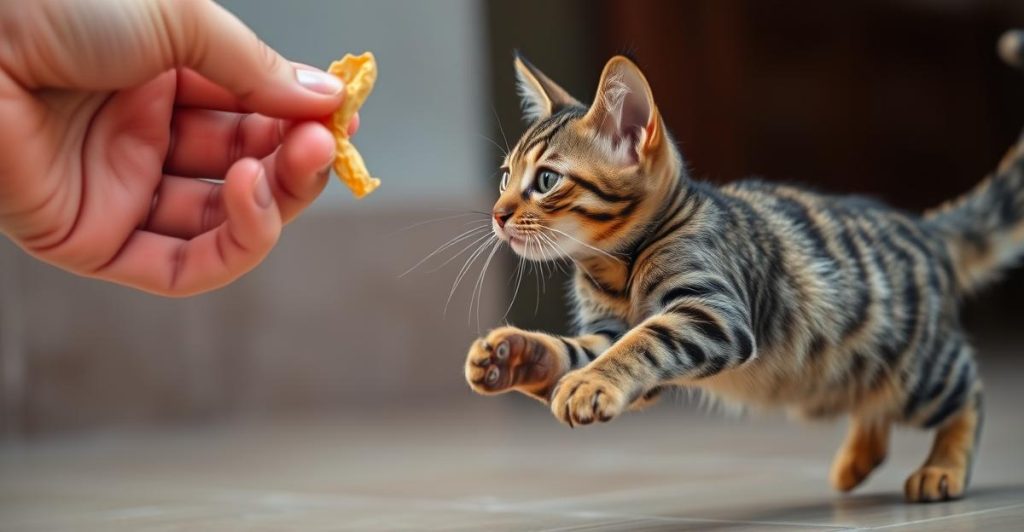
The “Treat Trail” is a classic, low‑stress game that taps into a cat’s natural love of hunting. By laying a breadcrumb path of tiny treats, you invite your cat to follow the scent and then call them back for the grand finale.
- Step 1 – Set the trail: Place a few treats a few feet apart leading toward a “home base” (your hand or a favorite pillow).
- Step 2 – Let your cat explore: Allow them to sniff and follow the trail at their own pace. Celebrate each step with gentle praise.
- Step 3 – Cue the recall: Once your cat reaches the final treat, say your chosen cue (“here!”) and reward them with a bigger treat or a quick petting session.
- Step 4 – Fade the trail: Gradually increase the distance between treats and reduce the number of treats, encouraging your cat to rely more on the verbal cue than the scent.
Game #2: The “Laser Tag Recall” – Adding Movement and Excitement
Laser pointers are a cat’s favorite toy, and they can also become a powerful recall trainer when used wisely. The key is to use the laser for a short burst, then transition to a verbal cue.
- Start with a chase: Point the laser on the floor and let your cat chase it for 15‑20 seconds.
- Introduce the cue: As the laser slows, say “come” in a friendly tone while gently guiding the beam toward you.
- Reward the response: When your cat looks up and moves toward you, switch off the laser, give a treat, and offer a brief cuddle.
- Repeat with variation: Change the starting location of the laser each round to keep the game unpredictable and engaging.
Game #3: The “Hide‑and‑Seek” Challenge – Building Confidence
Hide‑and‑seek turns recall into a confidence‑building adventure. By allowing your cat to discover you, you reinforce the idea that coming when called leads to positive outcomes.
- Pick a hiding spot: Choose a spot where you’re partially visible, like behind a curtain or under a low table.
- Call your cat: Use the cue (“here!”) in a calm voice. Wait patiently; curiosity will draw them in.
- Celebrate the find: When your cat spots you, reward with a treat and enthusiastic praise.
- Increase difficulty: Over time, choose more concealed spots, but always ensure your cat can see a hint of you to avoid frustration.
Reinforcing the Skill: Consistency, Praise, and Positive Rewards
Training is a marathon, not a sprint. The most effective way to cement cat recall is through consistent, positive reinforcement. Here are some best practices:
- Use high‑value treats sparingly: Reserve the tastiest morsels for successful recalls; this keeps the reward special.
- Pair verbal cues with body language: A gentle hand gesture (open palm) can help visual learners.
- End each session on a high note: Finish with a successful recall followed by a treat, then stop before fatigue sets in.
- Rotate games: Switching between “Treat Trail,” “Laser Tag,” and “Hide‑and‑Seek” prevents boredom and keeps motivation high.
Common Challenges and How to Overcome Them
Even the most enthusiastic cats can hit a snag. Below are typical roadblocks and simple solutions:
- Distraction overload: If your cat ignores the cue, reduce background noise and try training during a calm time of day.
- Short attention span: Keep sessions brief and end with a quick success. Multiple short sessions beat one long, tiring one.
- Reluctance to come indoors: Place a favorite blanket or a cozy bed near your “home base” to make the destination inviting.
- Overuse of treats leading to weight gain: Balance treat rewards with extra playtime or gentle petting to maintain overall wellness.
Maintaining the Recall Skill for the Long Term
Once your cat reliably responds to the cue, it’s important to keep the skill sharp. Regular “refresher” games, occasional surprise treats, and integrating the recall cue into daily routines (like feeding time) help cement the behavior for life. Remember, the goal is to make coming when called a joyful, low‑pressure experience—not a chore.
Indoor vs. Outdoor Play Activities – Which Boosts Recall the Most?
| Aspect | Indoor Play | Outdoor Play |
|---|---|---|
| Safety | Controlled environment, no traffic or predators. | Exposure to hazards; requires supervised enclosure. |
| Stimulus Variety | Limited to toys, climbing trees, and interactive puzzles. | Natural scents, varied terrain, and fresh air. |
| Recall Training | Easier to use verbal cues without wind or background noise. | Requires louder cues; distractions may reduce response. |
| Physical Exercise | Can be intense with laser toys, feather wands, and tunnels. | More space for running and jumping, natural sprinting. |
| Convenience | Available year‑round, weather‑independent. | Season‑dependent; may need protective gear. |
Frequently Asked Questions
How long does it usually take for a cat to learn recall?
Every cat is unique, but most cats show noticeable improvement after 2‑3 weeks of consistent, short training sessions. Patience and positive reinforcement are key; some cats may take longer, especially if they’re naturally independent.
Can I use a clicker instead of treats for recall training?
Yes! Clicker training works well for cats that respond to sound cues. Pair the click with a treat the first few times to create a strong association, then gradually phase out the treat if you prefer to use affection or play as the reward.
What if my cat only comes when I have food?
If your cat associates the cue solely with food, they may ignore it when treats aren’t offered. Mix up rewards—use a favorite toy, a gentle chin scratch, or enthusiastic praise. This teaches your cat that the cue leads to varied positive experiences, not just food.
Is it okay to train my cat outdoors?
Outdoor training can be beneficial for exercise, but ensure the area is secure (a fenced yard or a catio). Use a louder, clear cue to cut through background sounds, and keep sessions brief to avoid overwhelming your cat.
Disclaimer: This article is intended for informational and entertainment purposes only. It does not replace professional veterinary advice. Always consult a qualified vet for your cat's health and dietary needs.