
Understanding Hypoallergenic Cats and Allergy Triggers
Living with a cat can bring endless joy, but for allergy sufferers, the experience can be a delicate balance. Hypoallergenic cats are often the answer, offering the companionship of a feline friend while producing fewer allergenic proteins. Allergens primarily come from a protein called Fel d 1 found in a cat’s saliva, skin oils, and urine. When a cat grooms itself, the protein spreads to the fur and, eventually, to the surrounding environment.
Choosing a breed that naturally produces lower levels of Fel d 1, combined with smart home‑care practices, can dramatically reduce sneezing, watery eyes, and itchy skin. Below, we explore the science behind hypoallergenic cats and why they’re a viable option for many households.
Top 5 Hypoallergenic Cat Breeds for Allergy Sufferers in 2026
While no cat is completely allergen‑free, these five breeds consistently rank as the most tolerable for people with cat allergies. Each breed offers unique personality traits, grooming needs, and health considerations, so you can match a cat’s temperament to your lifestyle.
1. Siberian
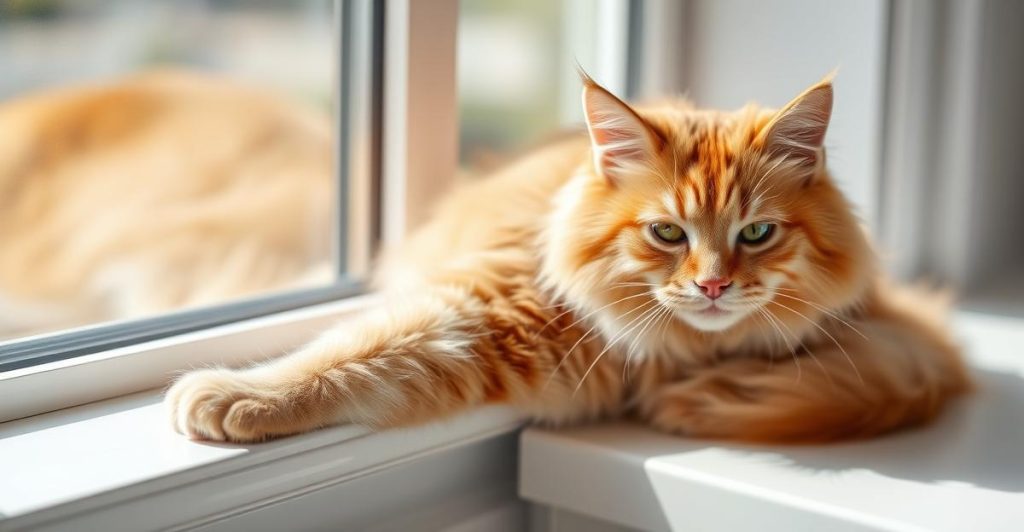
The Siberian’s long, silky coat may look like a potential allergen magnet, but research shows it produces up to 30% less Fel d 1 than many other breeds. Siberians are affectionate, playful, and adapt well to families with children.
- Coat: Semi‑long, requires weekly brushing.
- Temperament: Social, enjoys interactive play.
- Health notes: Generally healthy; watch for heart disease (hypertrophic cardiomyopathy).
2. Balinese
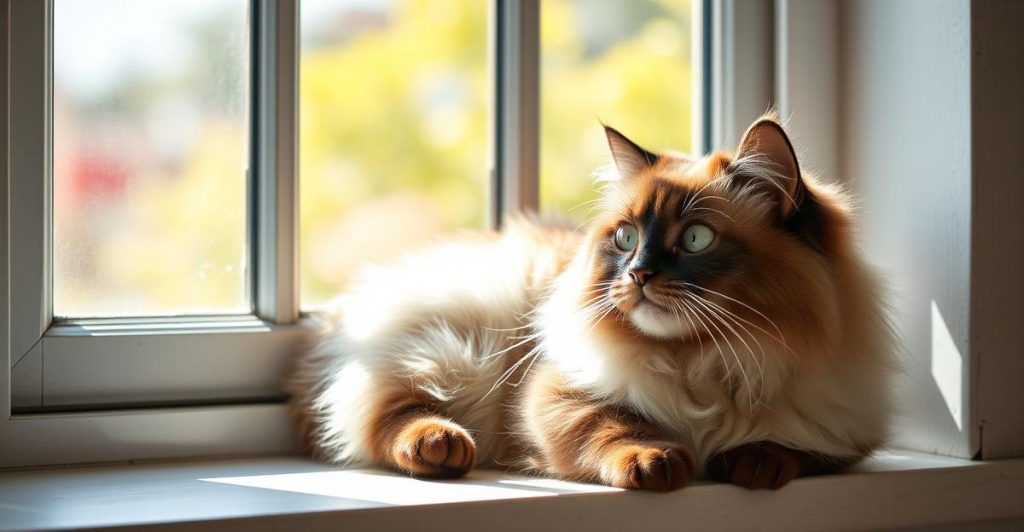
Often called the “long‑haired Siamese,” the Balinese has a sleek coat that sheds minimally. Their low‑shedding nature makes them a favorite among allergy sufferers.
- Coat: Medium‑length, needs gentle brushing twice a week.
- Temperament: Vocal, intelligent, thrives on mental stimulation.
- Health notes: Prone to dental issues; regular dental check‑ups recommended.
3. Russian Blue
The Russian Blue’s dense double coat traps allergens close to the skin, reducing the amount released into the environment. Their calm demeanor also means less frequent grooming, which can lower allergen spread.
- Coat: Short, plush; weekly grooming sufficient.
- Temperament: Reserved but loyal; enjoys quiet companionship.
- Health notes: Low incidence of genetic diseases; monitor weight.
4. Devon Rex
With its wavy, short coat and minimal shedding, the Devon Rex is another strong contender for allergy‑prone households. Their playful, mischievous nature makes them great for active owners.
- Coat: Soft, wavy; occasional brushing to remove loose hair.
- Temperament: Energetic, loves climbing and interactive toys.
- Health notes: Sensitive skin; avoid harsh shampoos.
5. Cornish Rex
The Cornish Rex’s unique curly coat is virtually hairless, which means fewer allergens are carried on fur. They are highly social and love to be the center of attention.
- Coat: Curly, fine; minimal grooming needed.
- Temperament: Extroverted, enjoys human interaction.
- Health notes: Prone to respiratory issues; keep the environment dust‑free.
Daily Care Routine for Hypoallergenic Cats
Even the most hypoallergenic breed benefits from a consistent care schedule. Proper grooming, nutrition, and environmental management help keep allergen levels low and your cat healthy.
Grooming Practices
- Brush your cat at least once a week using a stainless‑steel comb to remove loose hair and dander.
- Schedule monthly baths with a mild, hypoallergenic cat shampoo to wash away saliva residues.
- Trim nails regularly to prevent scratching, which can release additional allergens.
Nutrition and Hydration
A balanced diet supports a healthy coat and skin, reducing the amount of Fel d 1 produced. Look for high‑protein foods with omega‑3 fatty acids.
- Feed wet food 2–3 times daily to increase moisture intake.
- Supplement with fish oil or flaxseed oil (consult your vet for dosage).
- Provide fresh water in a filtered fountain to encourage drinking.
Health Monitoring
Regular veterinary visits are essential. Early detection of skin infections or respiratory issues can prevent allergen spikes.
- Schedule annual wellness exams.
- Vaccinate according to your vet’s recommendations.
- Watch for signs of itching, sneezing, or excessive grooming, which may indicate an allergen flare.
Home Environment Tips to Reduce Allergens
Creating an allergen‑friendly home can make living with hypoallergenic cats comfortable for both you and your feline companion.
Cleaning Strategies
- Vacuum daily using a HEPA‑filter vacuum to capture dander.
- Wash bedding, blankets, and cat toys in hot water (≥130°F) weekly.
- Use air purifiers with HEPA filters in rooms where the cat spends most of its time.
Designated Cat Zones
Limiting your cat’s access to bedrooms and upholstered furniture can dramatically lower allergen buildup.
- Provide a cozy cat bed or a designated cat tree in a low‑traffic area.
- Use washable slipcovers on sofas; replace them regularly.
- Keep cat litter boxes in well‑ventilated spaces and clean them daily.
Seasonal Adjustments
Allergen levels can rise during dry winter months. Adjust humidity to 40–50% with a humidifier, and increase cleaning frequency.
Comparison of Popular Hypoallergenic Breeds
Breed Characteristics at a Glance
| Breed | Coat Type | Allergen Level | Ideal Home |
|---|---|---|---|
| Siberian | Semi‑long, dense | Low (≈30% less Fel d 1) | Families, active households |
| Balinese | Medium‑length, silky | Low to moderate | Quiet homes, owners who enjoy conversation |
| Russian Blue | Short, plush | Very low | Calm environments, single adults |
| Devon Rex | Short, wavy | Low | Playful families, homes with climbing spaces |
| Cornish Rex | Curly, fine | Very low | Social households, apartments |
Practical Tips for Introducing a Hypoallergenic Cat to Your Home
Bringing a new cat into an allergy‑sensitive home requires preparation. Follow these steps to ensure a smooth transition.
- Pre‑arrival cleaning: Deep‑clean carpets, curtains, and upholstery.
- Set up a safe space: A quiet room with a litter box, water, and a comfortable bed.
- Gradual exposure: Allow the cat to explore one room at a time while you monitor allergen symptoms.
- Maintain routine: Keep feeding, playtime, and grooming on a consistent schedule to reduce stress, which can increase allergen production.
Long‑Term Management of Cat Allergies
Even with a hypoallergenic breed, allergy symptoms may flare during certain periods. Here’s how to keep them under control.
- Take antihistamines or prescribed allergy medication as directed by your doctor.
- Consider immunotherapy (allergy shots) for long‑term tolerance.
- Keep windows open for fresh air circulation, especially after cleaning.
- Schedule regular check‑ins with your veterinarian to adjust care plans as your cat ages.
Frequently Asked Questions
How often should I groom a hypoallergenic cat?
Brush your cat at least once a week to remove loose hair and dander. For breeds like the Siberian or Balinese, weekly brushing is ideal, while the Devon Rex and Cornish Rex may need less frequent grooming.
Can I keep a hypoallergenic cat in a small apartment?
Yes. Breeds such as the Cornish Rex and Russian Blue adapt well to apartment living. Provide vertical space with cat trees and ensure daily interactive play to meet their activity needs.
Do hypoallergenic cats still shed?
All cats shed to some degree, but hypoallergenic breeds typically shed less or have hair that traps allergens more effectively. Regular grooming and cleaning further minimize shedding impact.
Will my allergies disappear completely with a hypoallergenic breed?
Most owners experience a noticeable reduction in symptoms, but complete elimination is rare. Combining a low‑allergen breed with home‑environment strategies offers the best results.
Are there any special health concerns for hypoallergenic breeds?
Each breed has its own health profile. For example, Siberians may be prone to heart disease, while the Devon Rex can have sensitive skin. Regular veterinary care and breed‑specific monitoring are essential.