
Create the Perfect Indoor Playground for Your Cat
Imagine coming home after a long day to find your feline friend perched proudly atop a towering cat tree, batting a feather‑tipped wand, and lazily strolling along a winding tunnel that winds through a cozy reading nook. That picture‑perfect moment isn’t a fantasy—it’s the result of a thoughtfully designed indoor cat playground that speaks to your cat’s natural curiosity, love of climbing, and need for safe exploration. Whether you live in a bustling apartment or a spacious house, the key is to blend function, fun, and feline‑friendly aesthetics into a space that keeps your cat happy, active, and mentally sharp. Let’s dive into the step‑by‑step process of turning any room into a wonderland that your cat will adore, all while keeping the focus phrase “indoor cat playground” front and center.
Understanding Your Cat’s Play Instincts
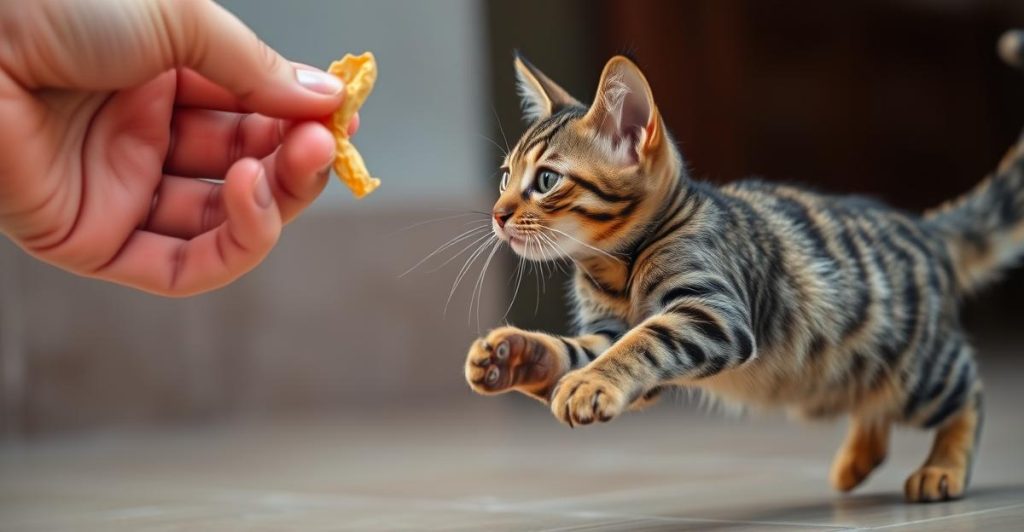
Before you start buying shelves, scratching posts, and toys, it helps to know why cats love to play the way they do. Play is more than a pastime; it’s a vital outlet for predatory instincts, a way to practice hunting skills, and a source of mental enrichment. When you understand these motivations, you can design a playground that feels instinctual rather than artificial.
- Hunting simulation: Cats are natural stalk‑and‑pounce predators. Toys that move unpredictably or can be “chased” along a track satisfy this urge.
- Vertical territory: In the wild, cats claim high perches to survey their surroundings. Providing vertical space lets them feel safe and in control.
- Texture exploration: Different surfaces—carpet, sisal, wood—invite scratching, kneading, and sensory discovery.
- Social interaction: Even solitary cats appreciate interactive play with their humans. A playground that encourages shared games strengthens the bond.
By aligning each element of your indoor cat playground with these core drives, you’ll create a space that feels intuitive and endlessly entertaining.
Choosing the Right Foundations: Space, Safety, and Style
Every successful indoor cat playground starts with a solid foundation. Think of the space as a canvas, safety as the frame, and style as the finishing touches that make the area blend seamlessly with your home décor.
- Assess the available area: Measure floor space, wall height, and any existing furniture you can incorporate. Even a small balcony can become a vertical playground with the right fixtures.
- Prioritize safety: Secure all shelves and climbing structures to the wall to prevent tipping. Avoid small detachable parts that could become choking hazards.
- Match your interior: Choose colors, materials, and shapes that complement your living room or bedroom. Neutral tones with natural wood can create a calming backdrop while still highlighting the play zones.
- Plan for flexibility: Modular components let you rearrange the playground as your cat’s preferences evolve or as you acquire new toys.
When you balance these three pillars—space, safety, and style—you set the stage for a playground that is both functional and aesthetically pleasing, encouraging you to spend time in the area alongside your cat.
Essential Play Elements for an Engaging Indoor Cat Playground
Now that you have a clear layout, it’s time to add the core components that will keep your cat moving, stretching, and exploring. Below is a checklist of must‑have elements, each paired with a brief description of why it matters.
- Climbing towers and cat trees: Offer multiple levels, platforms, and perches. Look for sturdy bases and a mix of solid wood and sisal-wrapped posts for scratching.
- Wall‑mounted shelves: Create a “cat highway” that lets your feline travel horizontally across the room. Use clear acrylic or thin wood to keep the look sleek.
- Interactive tunnels: Fabric or plastic tunnels mimic burrows and provide a secretive hideaway. Place them near windows for a view of the outside world.
- Scratching stations: Combine vertical posts, horizontal pads, and angled boards to satisfy different scratching preferences.
- Hanging toys: Feather wands, crinkly mice, or lightweight balls on strings stimulate pouncing and batting.
- Puzzle feeders: Simple treat-dispensing toys encourage problem‑solving while offering a light snack.
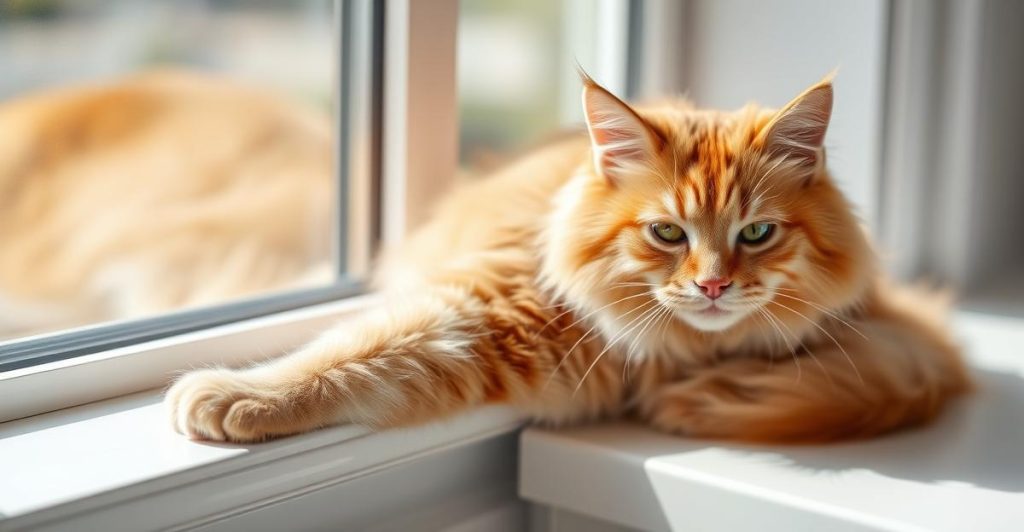
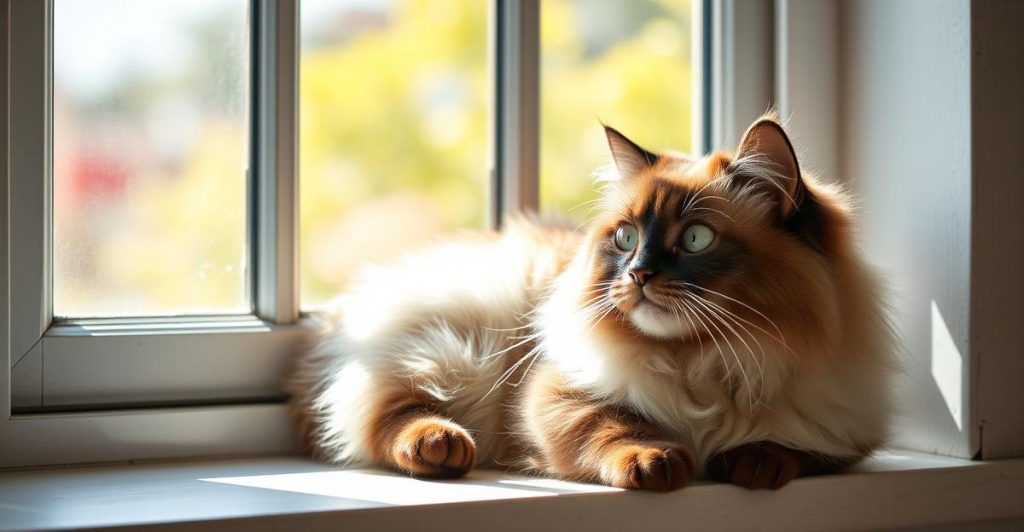
- Window perch: A cushioned ledge or suction‑mounted platform lets your cat watch birds, leaves, and passing clouds.
Mix and match these elements based on your cat’s personality. A highly active kitten may love a dense network of climbing routes, while an older cat may prefer a few soft, elevated resting spots.
DIY Projects and Budget‑Friendly Ideas
Creating a spectacular indoor cat playground doesn’t have to break the bank. Many cat lovers find joy in crafting custom pieces from everyday household items. Below are three DIY projects that add personality and savings to your playground.
DIY Cardboard Castle
- Gather several large cardboard boxes of varying sizes.
- Cut doorways and windows on each box, then stack them in a staggered formation.
- Secure the structure with non‑toxic glue or packing tape.
- Line the interior with a soft blanket or a piece of fleece for extra comfort.
This lightweight castle encourages climbing, hiding, and “king‑of‑the‑castle” moments without permanent installation.
Floating Shelf System from PVC Pipes
- Purchase ½‑inch PVC pipes and connectors from a hardware store.
- Assemble a frame that fits the width of your wall, then attach plywood or reclaimed wood shelves.
- Anchor the frame to the wall studs for stability.
- Finish with a coat of pet‑safe paint or a natural wood sealant.
The result is a sleek, industrial‑look cat highway that can be customized to any height or length.
Interactive Feather Wand on a Rotating Base
- Find an old lazy‑Susan turntable.
- Attach a sturdy dowel or wooden rod in the center.
- Tie a feathered toy to the end of the rod with a short length of string.
- Spin the base gently to create unpredictable movement.
This simple device provides endless batting fun and can be stored easily when not in use.
Maintaining a Fresh and Stimulating Environment
Even the most elaborate indoor cat playground can lose its charm if not kept fresh. Regular maintenance ensures safety, encourages continued interest, and prolongs the life of your investment.
- Rotate toys weekly: Swap out a few toys every few days to keep novelty high.
- Clean surfaces regularly: Wipe down shelves, tunnels, and perches with a damp cloth to remove dust and hair.
- Inspect for wear: Check scratching posts and climbing structures for fraying or loose parts and replace as needed.
- Refresh scent markers: Lightly rub a soft cloth over your cat’s favorite bedding and place it on a new perch to signal a “safe” spot.
- Seasonal updates: Add holiday-themed accessories—like a pumpkin‑shaped tunnel in fall—to keep the playground festive.
By treating your indoor cat playground as a living space that evolves with your cat’s needs, you’ll maintain high levels of engagement and happiness for years to come.
Indoor vs. Outdoor Play Activities: A Quick Comparison
| Aspect | Indoor Play | Outdoor Play |
|---|---|---|
| Safety | Fully controlled environment; no traffic or predators. | Exposure to traffic, other animals, and weather. |
| Space Utilization | Vertical space maximized; can be compact. | Expansive horizontal area; limited vertical structures. |
| Stimulation | Varied textures, puzzles, and interactive toys. | Natural scents, sunlight, and moving wildlife. |
| Maintenance | Regular cleaning of toys and surfaces. | Less frequent cleaning; focus on parasite prevention. |
| Bonding Opportunities | High—shared games and grooming on soft surfaces. | Moderate—walks or supervised free‑range time. |
Frequently Asked Questions
How many climbing levels does my cat need?
Most cats feel satisfied with at least three vertical levels spaced a few inches apart. This mimics natural tree branches and encourages gentle stretching.
Can I use regular household furniture as part of the playground?
Absolutely! A sturdy bookshelf, a low coffee table, or even a repurposed ladder can serve as safe climbing platforms, provided they are stable and free of sharp edges.
What’s the best way to introduce a new play area to a shy cat?
Start by placing a favorite toy or a cozy blanket on the new structure. Allow the cat to explore at its own pace, rewarding any curiosity with gentle praise or a treat.
How often should I rearrange the playground layout?
Every few weeks is ideal. Small changes—like moving a tunnel or swapping a toy—keep the environment fresh without causing stress.
Disclaimer: This article is intended for informational and entertainment purposes only. It does not replace professional veterinary advice. Always consult a qualified vet for your cat's health and dietary needs.