
Why Every Indoor Cat Deserves a Cozy Hideaway
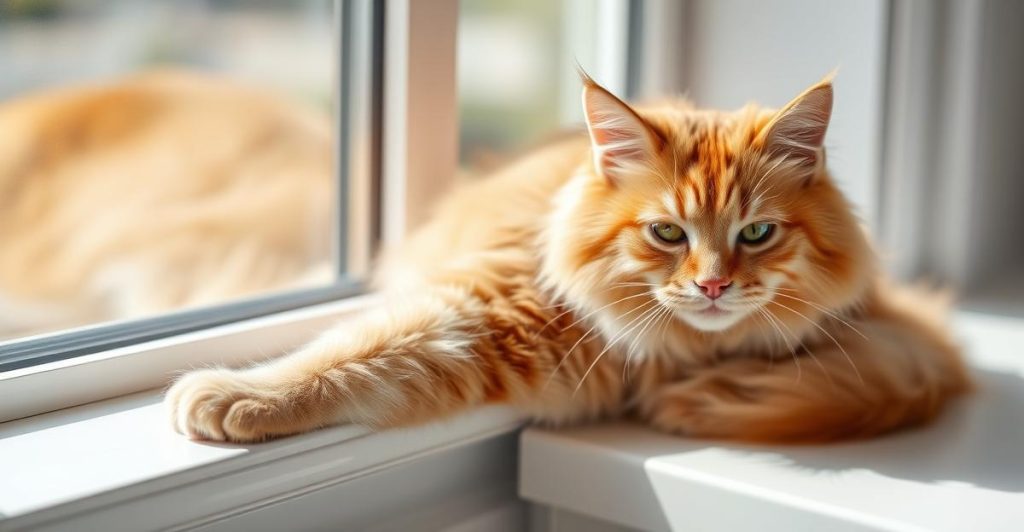
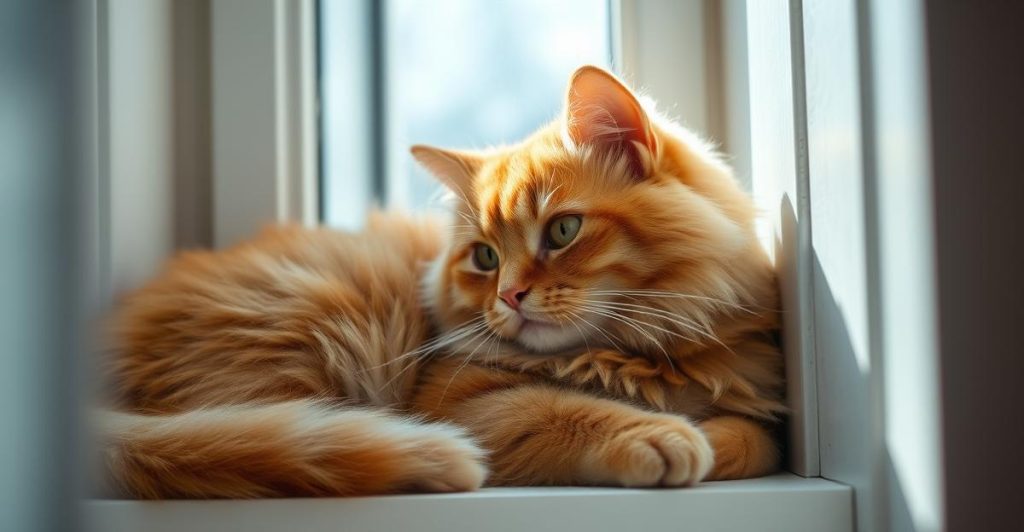
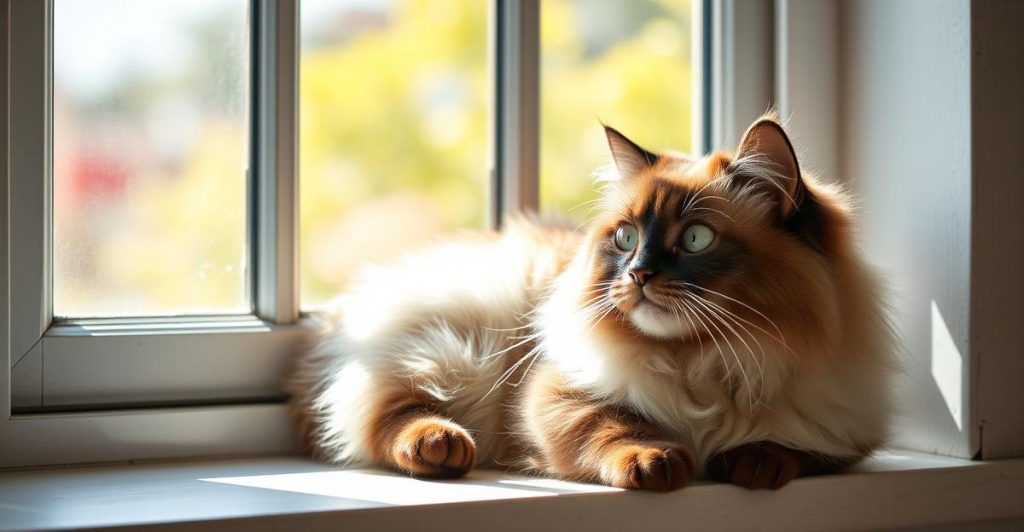
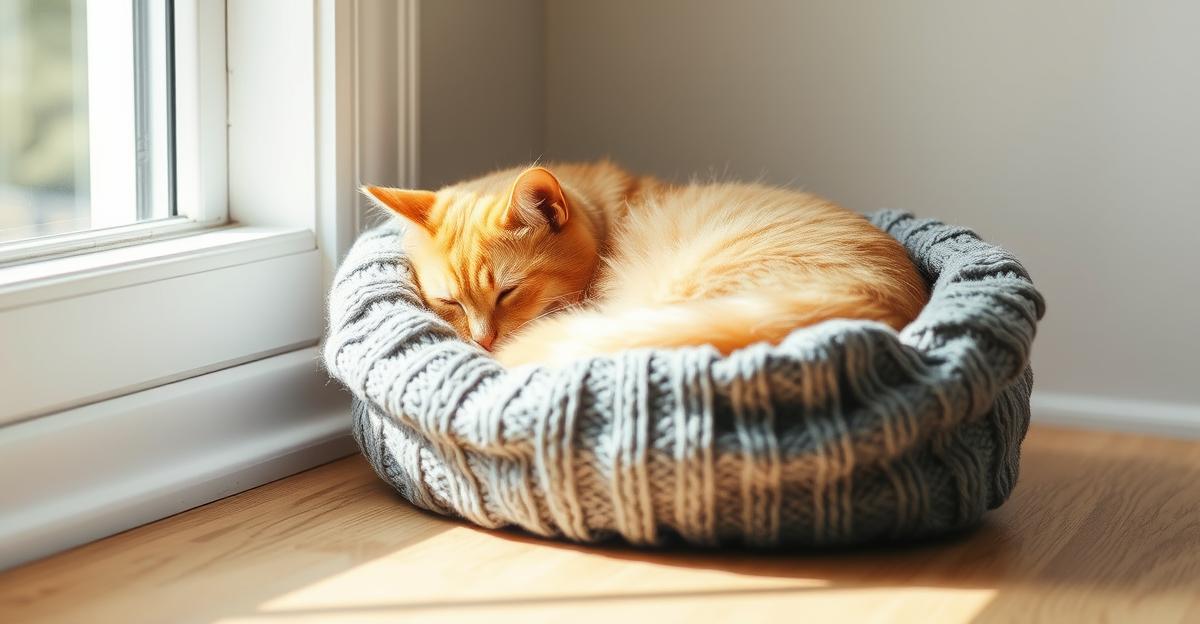
There’s nothing quite like the sight of a cat curling up in a sun‑lit corner, ears twitching, eyes half‑closed, and tail flicking lazily. When the winter chill settles in, those same feline friends start hunting for the warmest spot in the house, often turning a cardboard box or a pile of laundry into their personal sanctuary. A DIY cat bed not only satisfies that instinctual need for a snug retreat but also lets you showcase creativity while recycling old sweaters that would otherwise collect dust. By giving your indoor cat a dedicated cozy cave, you’re adding a touch of comfort, reducing stress, and reinforcing the bond that makes cat ownership so rewarding.
Understanding the Benefits of a Homemade Cat Cave
Commercial cat beds can be pricey, and they don’t always match the personality of your whiskered companion. A handmade cave lets you tailor size, texture, and scent to your cat’s preferences. It also promotes sustainable living—turning worn‑out sweaters into a warm, breathable nest reduces waste and saves money. For cats that love to knead, the soft knit of a sweater mimics the feeling of a mother’s fur, encouraging natural behavior that supports emotional health. Moreover, a DIY project gives you a chance to involve the whole family, turning cat care into a shared, enjoyable activity.
Choosing the Right Materials for Your DIY Cat Bed
Before you start stitching, it’s essential to pick fabrics and fillings that are safe, durable, and inviting. Natural fibers like cotton, wool, and fleece are breathable and gentle on a cat’s skin, while synthetic blends can add extra durability for high‑energy furballs. Avoid materials that shed loose threads, contain loose buttons, or have strong chemical odors, as these can irritate a cat’s sensitive nose and paws. Below is a quick guide to help you decide which fabrics to embrace and which to steer clear of.
Materials to Use vs. Materials to Avoid
| Material | Main Benefit | Potential Drawback | Best For |
|---|---|---|---|
| Wool Sweaters | Excellent insulation, natural odor resistance | Can be itchy for cats with sensitive skin | Cold climates, cats that love to burrow |
| Cotton T‑shirts | Soft, breathable, easy to wash | Less insulating than wool | Warm rooms, cats that prefer light bedding |
| Fleece Blankets | Very warm, low‑lint, machine‑washable | Can trap heat if the room is already warm | Winter months, senior cats needing extra heat |
| Polyester Fill | Lightweight, retains shape | May cause static, less eco‑friendly | Cats that like a firm structure |
| Old Denim | Durable, resistant to tearing | Stiff, may be rough on paws | Active cats that like a sturdy hideout |
| Loose Buttons/Beads | — | Swallowing hazard, can cause injury | — |
| Strongly Scented Fabrics (e.g., perfume‑treated) | — | Can irritate respiratory system | — |
Step‑by‑Step Guide to Crafting a Warm Winter Cat Cave
Gather your supplies, set a cozy playlist, and let’s transform those forgotten sweaters into a purr‑worthy retreat. This guide assumes you have basic sewing skills and a standard sewing machine, but you can also hand‑stitch if you prefer.
- Step 1 – Collect Materials: Two to three matching sweaters (same color or pattern works best), a pair of scissors, a sewing needle or machine, thread that matches the fabric, a zippered pillowcase or a small fabric bag for the filling, and stuffing (polyester fiberfill or shredded old sweaters).
- Step 2 – Prepare the Fabric: Lay the sweaters flat, one inside the other, with the inside seams facing outward. This creates a double‑layered wall for extra warmth. Trim any excess sleeves or cuffs you don’t need, leaving a rectangular shape about 12‑14 inches wide and 10‑12 inches tall.
- Step 3 – Cut the Opening: In the center of one short side, cut a half‑moon shaped opening about 4‑5 inches wide. This will serve as the entrance for your cat. Smooth the edges with a seam ripper or a small stitch to prevent fraying.
- Step 4 – Sew the Walls: With right sides together, sew around the perimeter, leaving the bottom edge open for the filling. Use a ½‑inch seam allowance and a straight stitch. Reinforce the corners with a backstitch for durability.
- Step 5 – Insert the Filling: Turn the sewn tube right‑side out through the bottom opening. Fill it with your chosen stuffing until the bed feels plush but still flexible enough for your cat to curl inside. For added insulation, layer a thin fleece blanket inside before stuffing.
- Step 6 – Close the Bottom: Fold the bottom edge inward about 1 inch, pin it, and sew a clean hem. If you prefer a removable cover for washing, attach a zippered pillowcase or Velcro strips instead of a permanent seam.
- Step 7 – Add Finishing Touches: Sew a small pocket on the outside to tuck a catnip sachet or a favorite toy. You can also embellish the exterior with a decorative patch or embroidery that matches your home décor.
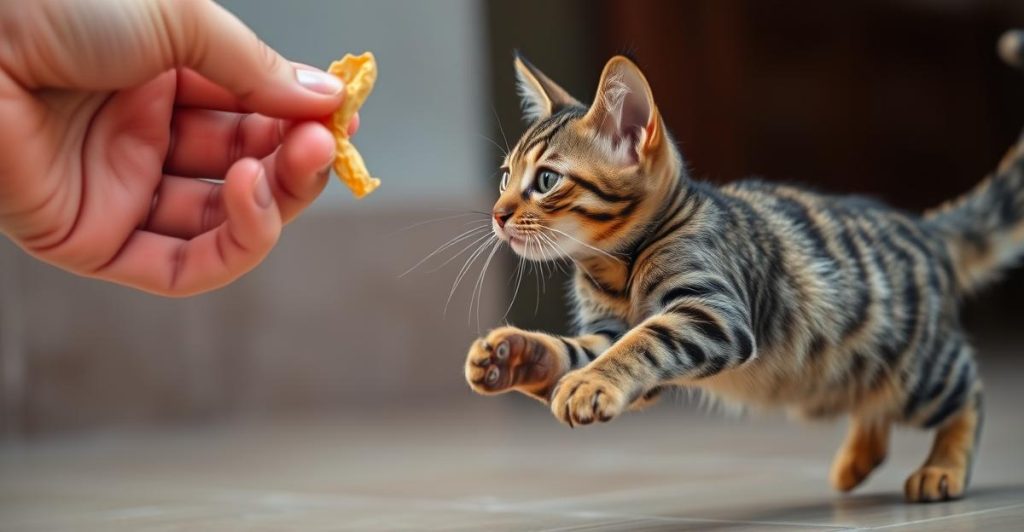
- Step 8 – Test the Fit: Gently place the cave on the floor and coax your cat inside with a treat or a gentle tap. Adjust the stuffing if needed to ensure the cave isn’t too tight or too loose.
And there you have it—a snug, sustainable cat cave ready to become the centerpiece of your indoor cat’s winter kingdom.
Personalizing Your Cat Cave: Style, Scent, and Safety
Every cat has a distinct personality, and the perfect DIY cat bed reflects that individuality. Consider adding a few personal touches that make the cave both functional and Instagram‑worthy.
- Color Coordination: Choose sweaters that complement your living room palette. Neutral tones blend seamlessly, while bold patterns add a pop of fun.
- Cat‑Friendly Scents: Lightly rub a dry lavender sachet (ensure it’s safe for cats) or sprinkle a pinch of dried catnip inside the cave. Cats are drawn to familiar, soothing aromas, which can encourage them to use the bed more often.
- Safety Checks: Before giving the cave to your feline friend, double‑check for loose threads, exposed seams, or small decorative items that could be swallowed. Use a fabric glue for any added embellishments if you’re worried about stitching durability.
- Temperature Regulation: If your home tends to get warm, place the cave near a window with indirect sunlight or on a cool tile floor. For extra chill protection, add a thin fleece liner that can be removed for washing.
Maintaining the Cave: Cleaning, Rotation, and Longevity
Even the coziest cat cave needs regular upkeep to stay fresh and inviting. A clean sleeping spot reduces the risk of skin irritations and keeps your home smelling pleasant.
- Spot‑Cleaning: Use a lint roller or a soft brush to remove hair and debris daily. This simple habit keeps the interior tidy without a full wash.
- Full Wash: If the outer cover is removable, toss it in the washing machine on a gentle cycle with cold water. Air‑dry or tumble‑dry on low heat to preserve the fabric’s softness.
- Rotate Locations: Cats love variety. Move the cave to different rooms or change its orientation weekly. This keeps the environment stimulating and encourages exploration.
- Inspect for Wear: Every few weeks, examine seams and stitching for signs of fraying. Reinforce any weak spots with a quick hand‑sewn patch to extend the cave’s life.
By integrating these maintenance habits into your regular cat care routine, the DIY bed will remain a beloved fixture for months, even years.
Beyond the Bed: Enriching Indoor Cat Lifestyle
A comfortable bed is just one piece of the puzzle when creating a thriving indoor cat environment. Pair your new cat cave with other simple, low‑cost enrichment ideas to keep your whiskered companion mentally and physically stimulated.
- Vertical Play Zones: Install a few wall‑mounted shelves or a cat tree near the cave. Cats love to observe from above, and a nearby perch makes the cave feel like a secure hideout within a larger territory.
- Interactive Toys: Rotate feather wands, laser pointers, and puzzle feeders weekly. This prevents boredom and promotes natural hunting instincts, supporting overall cat health.
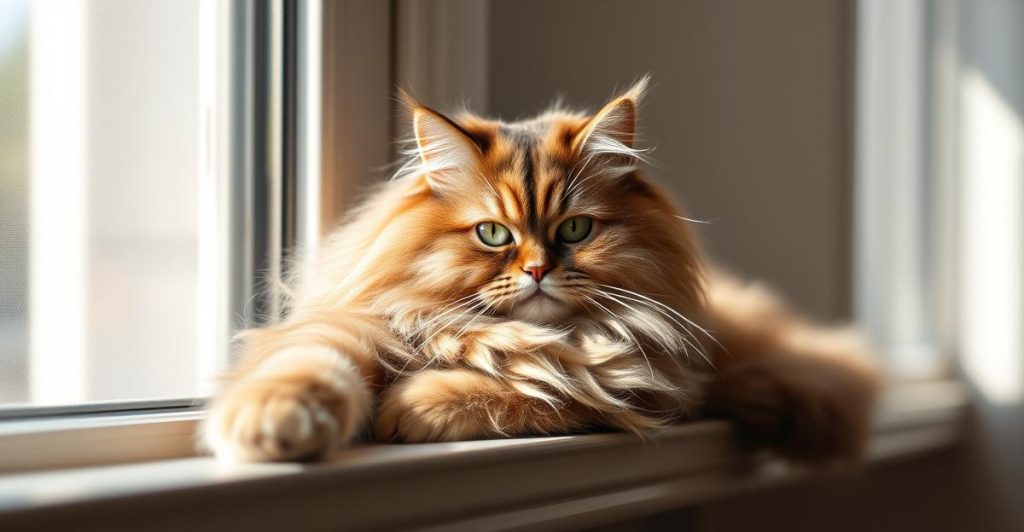
- Window Perches: Attach a suction‑cup perch to a sunny window. Cats can bask in the light while keeping an eye on the outside world, which reduces stress and encourages gentle exercise.
- DIY Scratching Posts: Use sisal rope wrapped around a sturdy cardboard tube or a reclaimed wooden crate. Place the post near the cave to give your cat a place to stretch before settling down.
- Gentle Background Noise: Soft classical music or nature sounds can calm anxious cats, especially during thunderstorms or fireworks. A calm cat is more likely to use the cozy cave for relaxation.
Combining a warm, personalized bed with these enrichment strategies turns your home into a cat‑centric haven, ensuring your indoor cat enjoys a balanced lifestyle that meets both physical and emotional needs.
FAQ
Can I use any old sweater for the DIY cat bed?
Yes, as long as the sweater is clean, free of loose threads, and made from cat‑safe fibers like cotton, wool, or fleece. Avoid sweaters with heavy embellishments, strong fragrances, or synthetic fabrics that may cause static.
How often should I wash the cat cave?
Spot‑clean daily and give the outer cover a full wash every two to three weeks, or sooner if it becomes soiled. If the interior is not removable, air it out regularly and vacuum the lint to keep it fresh.
My cat prefers a cooler spot—should I still use a warm sweater cave?
Absolutely. You can line the interior with a thin cotton sheet instead of fleece, or place the cave on a cool tile floor. Cats will self‑regulate and move in and out as they seek the perfect temperature.
Is it safe to add catnip inside the DIY bed?
Yes, a small amount of dried catnip or a catnip‑filled sachet can entice your cat to use the bed. Just ensure the sachet is securely sealed to prevent ingestion.
Can I make the cave larger for a multi‑cat household?
Sure! Use larger sweaters or combine multiple garments to create a bigger tunnel. Just keep the entrance wide enough for all cats to slip in comfortably, and reinforce seams for added durability.
Will the DIY bed help my cat with anxiety?
Providing a private, warm space can reduce stress for many cats, especially those prone to anxiety. Pair the bed with calming pheromone diffusers or gentle background music for an extra soothing effect.
Note: This article is for entertainment and lifestyle purposes only. Always consult a licensed veterinarian for any health-related concerns regarding your feline friend.