
Imagine coming home after a long day and finding your feline friend already curled up in a little nook that feels like a miniature sanctuary. A space where soft textures, gentle lighting, and just the right amount of stimulation invite your cat to stretch, purr, and truly relax. Designing a cozy cat haven isn’t about extravagant purchases; it’s about understanding a cat’s natural instincts and translating them into simple, thoughtful touches throughout your home. In this guide we’ll walk through the essential steps to transform ordinary rooms into a warm, inviting retreat that keeps your whiskered companion happy, active, and content—all while fitting seamlessly into your lifestyle.
Assessing Your Space: Where to Start
Before you rush out for the latest cat furniture, take a moment to observe how your cat currently uses the house. Cats love to claim high spots, hidden corners, and sunny patches. By mapping these favorite zones, you can pinpoint where a cozy cat retreat will feel most natural.
- Watch the patterns: Notice where your cat naps, watches the world, and stalks toys.
- Identify traffic flow: Choose areas that are quiet but still within sight of household activity.
- Measure dimensions: Ensure any new pieces fit comfortably without blocking pathways.
Start with a single focal point—perhaps a sunny windowsill or a quiet corner—and build outward. This step-by-step approach prevents clutter and keeps the design intentional.
Choosing the Right Furniture and Fabrics
Comfort is king when it comes to a cozy cat environment. The right mix of soft bedding, sturdy perches, and tactile surfaces can make all the difference.
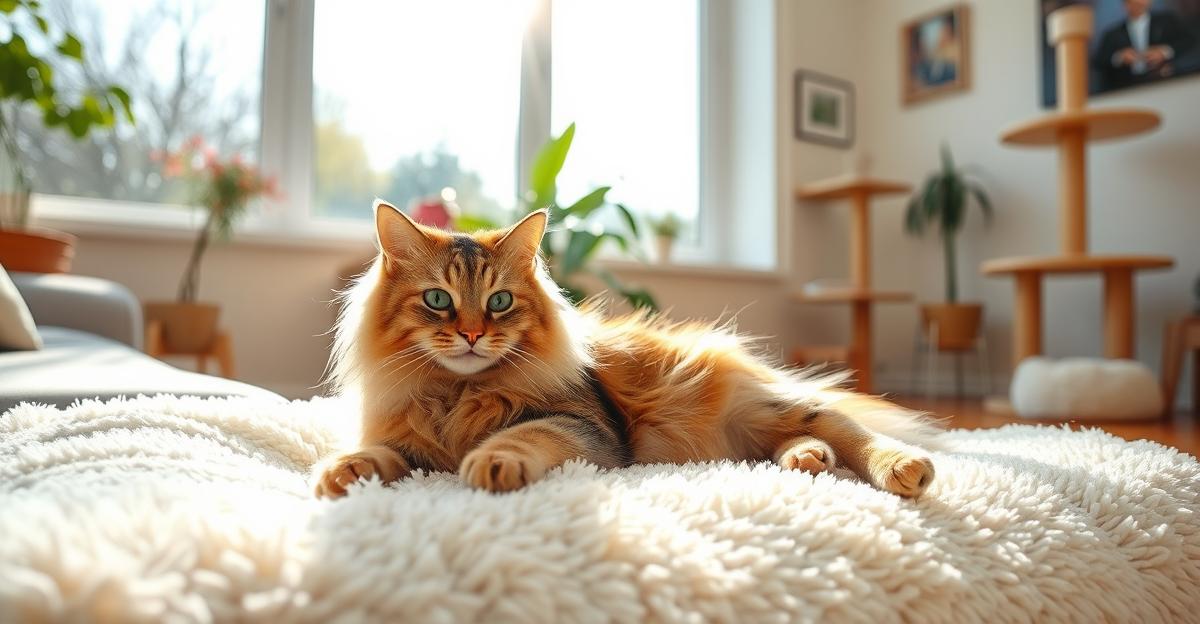
- Soft bedding: Opt for plush, washable blankets or fleece pads that retain warmth.
- Elevated perches: Cats love to observe from a height. A sturdy cat tree or wall-mounted shelf provides a sense of security.
- Hidden hideaways: A small cat cave, a cardboard box, or a woven basket offers a private retreat.
- Natural textures: Incorporate sisal rope, woven wicker, or wooden platforms for varied tactile experiences.
When selecting fabrics, prioritize those that are easy to clean and resistant to claws. A combination of smooth surfaces for lounging and rougher textures for scratching keeps your cat engaged and satisfied.
Creating Enriching Play Zones
Play is a cornerstone of a cat’s wellbeing. By integrating interactive elements into your cozy haven, you encourage exercise, mental stimulation, and bonding.
- Interactive toys: Feather wands, laser pointers, and puzzle feeders can be placed near the lounging area.
- Vertical pathways: Install a series of climbing steps or a modular wall system that lets your cat hop from one level to another.
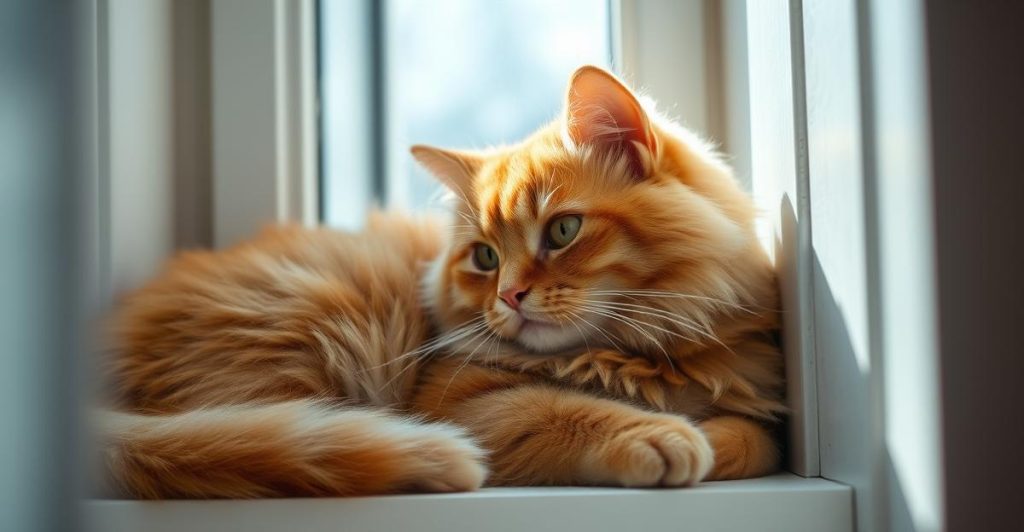
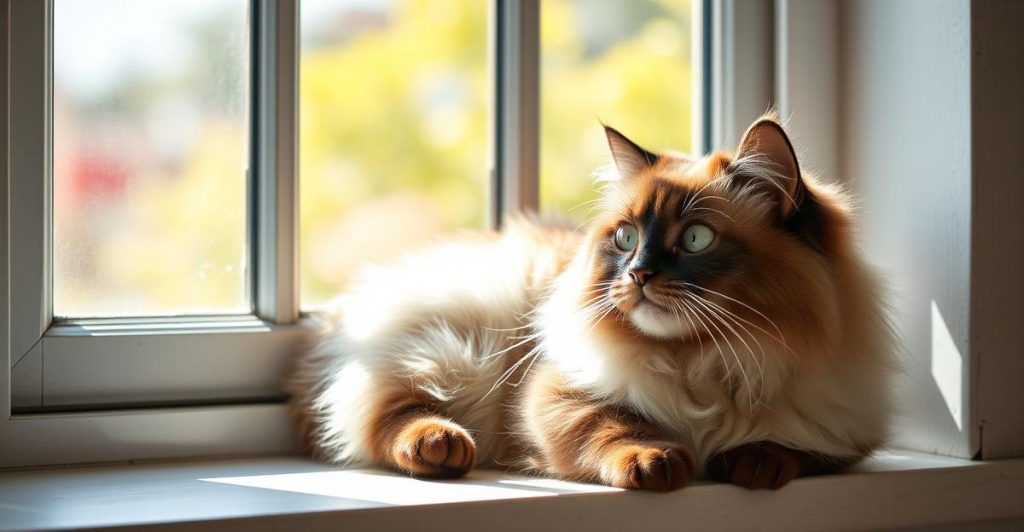
- Window views: Secure a perch near a window so your cat can watch birds, squirrels, and passing traffic.
- Rotating toys: Swap out toys weekly to keep curiosity alive.
Remember, the goal isn’t to overwhelm the space with clutter but to sprinkle in purposeful play items that invite gentle activity throughout the day.
Incorporating Scent and Sound for Calm
Our feline friends have highly developed senses, and subtle environmental cues can enhance a cozy cat atmosphere.
- Gentle aromatherapy: A few drops of cat‑safe essential oil (such as valerian or catnip) on a cloth can create a soothing scent.
- Soft background noise: Low‑volume nature sounds or classical music can reduce stress and promote relaxation.
- Familiar scents: Place a piece of your worn clothing or a blanket that carries your scent near the retreat.
These sensory touches are subtle yet powerful, helping your cat feel safe and content even when the house is bustling with activity.
Maintaining a Clean and Safe Environment
Cleanliness is essential for any cat’s happiness. A tidy space not only looks inviting but also prevents unwanted odors and potential hazards.
- Regular grooming: Brush your cat’s coat weekly to reduce shedding and keep the bedding fresh.
- Easy‑clean fabrics: Choose removable, machine‑washable covers for blankets and cushions.
- Secure cords and plants: Hide electrical cords and keep toxic houseplants out of reach.
- Routine inspection: Check perches and toys for loose parts or wear and replace as needed.
By integrating a simple cleaning routine, your cozy cat haven stays fresh, inviting, and safe for years to come.
Comparison Table: Indoor Play vs. Outdoor Exploration
| Aspect | Indoor Play | Outdoor Exploration |
|---|---|---|
| Safety | Controlled environment, no traffic or predators. | Exposure to traffic, other animals, and weather. |
| Stimulation | Can be enhanced with toys, puzzles, and climbing structures. | Natural scents, sounds, and varied terrain. |
| Maintenance | Easy to clean; toys can be washed or replaced. | Requires monitoring, possible wear on paws. |
| Exercise Level | Depends on owner engagement and toy variety. | Often higher due to open space and natural chase. |
| Social Interaction | Can include human playtime and other indoor pets. | Potential encounters with other cats or wildlife. |
FAQ
What type of bedding is best for a cat that likes to knead?
Soft, slightly textured fabrics such as fleece or a low‑pile faux‑shearling work well. They provide enough resistance for kneading while remaining gentle on the paws.
How often should I rotate toys in the cozy cat area?
Switching toys every 7‑10 days keeps curiosity high. You can store a few favorites in a basket and swap them out regularly.
Can I use a heated pad in my cat’s haven?
Yes, a low‑temperature, cat‑specific heating pad can add extra warmth, especially in cooler months. Always follow the manufacturer’s safety guidelines.
Is it okay to let my cat sleep on my bed as part of the cozy space?
Absolutely! Sharing a sleeping spot can strengthen the bond between you and your cat. Just make sure any bedding on your bed is easy to clean.
Disclaimer: This article is intended for informational and entertainment purposes only. It does not replace professional veterinary advice. Always consult a qualified vet for your cat's health and dietary needs.