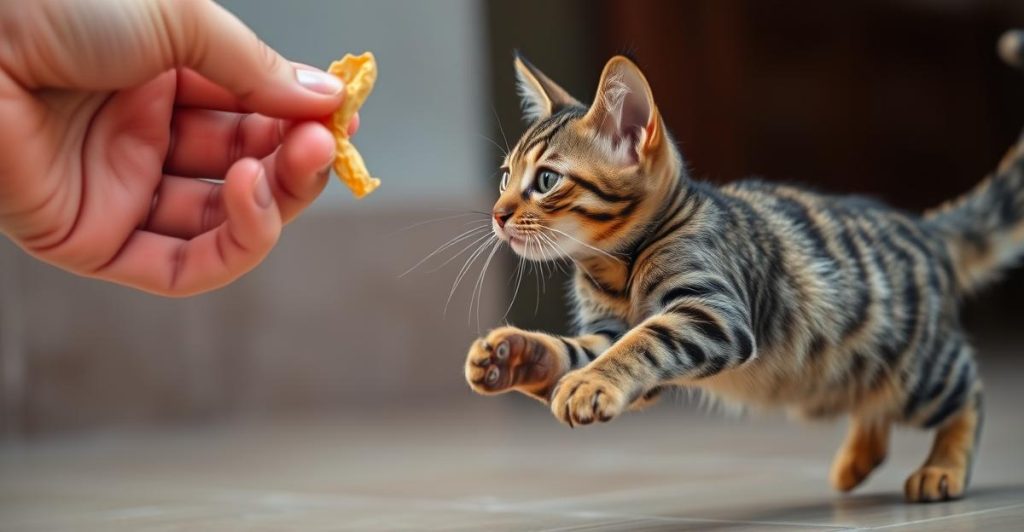


Welcome to the Adventure of Raising a Confident Kitten
Bringing home a tiny bundle of fur is like opening a door to a world of curiosity, mischief, and endless love. As you watch those bright eyes dart around the room, you’ll notice an instinctual desire to explore every nook and cranny. Nurturing that natural curiosity while keeping your new kitten safe is the secret to shaping a confident kitten who will grow into a bold, happy adult cat. In this guide, we’ll share practical, heart‑warming steps to turn those tentative paws into sure‑footed explorers, all while fostering a bond that lasts a lifetime.
Understanding Your Kitten’s Natural Curiosity
Kittens are born explorers. Within weeks of opening their eyes, they begin to test the limits of their environment, using their whiskers, paws, and ears to gather information. Recognizing the stages of their developmental curiosity helps you provide the right support at the right time.
- Week 2‑4: Eyes open, first wobbly steps, and a fascination with moving shadows.
- Week 5‑8: Pouncing on toys, climbing small obstacles, and experimenting with different textures.
- Week 9‑12: Increased confidence, social play with humans, and a budding desire to investigate higher surfaces.
By aligning your care routine with these milestones, you’ll encourage your confident kitten to tackle new challenges without feeling overwhelmed.
Creating a Safe Exploration Space
Safety and freedom go hand‑in‑hand when it comes to fostering exploration. A well‑designed environment lets your kitten satisfy its curiosity while protecting it from potential hazards.
- Kitten‑Proof the Room: Secure cords, remove small objects that could be swallowed, and block access to toxic plants.
- Vertical Real Estate: Install low shelves or a cat tree. Height gives kittens a sense of control and a safe perch to observe.
- Soft Landing Zones: Place plush rugs or foam mats near climbing areas to cushion any inevitable tumbles.
- Rotate Toys: Change the location of toys every few days to keep the environment fresh and intriguing.
When a kitten feels secure, its willingness to explore skyrockets, laying the groundwork for a confident, adventurous personality.
Playful Training Techniques for Bold Behavior
Play isn’t just fun—it’s a powerful learning tool. By turning everyday activities into training moments, you can shape a confident kitten that knows how to navigate the world with poise.
- Target Training: Use a small wand or a feather teaser to guide your kitten toward a specific spot. Reward with gentle praise or a soft pet.
- Obstacle Courses: Create simple tunnels using cardboard boxes, or line up cushions for a mini “parkour” track. Celebrate each successful jump.
- Hide‑and‑Seek: Hide a favorite toy under a blanket and encourage your kitten to “find” it. This boosts problem‑solving confidence.
- Positive Reinforcement: Offer a brief cuddle or a treat when your kitten tries something new, even if the result isn’t perfect.
These games teach your kitten that trying new things leads to positive outcomes, reinforcing a fearless mindset.
Socializing with People and Other Pets
A confident kitten thrives on healthy social interactions. Early exposure to a variety of gentle experiences builds trust and reduces fear later in life.
- Gentle Hand‑Handling: Spend a few minutes each day holding your kitten’s paws, ears, and tail. Keep sessions short and soothing.
- Calm Voices: Speak in a soft, steady tone. Sudden loud noises can startle a young explorer.
- Introduce One Guest at a Time: Allow visitors to sit quietly, offering a treat if the kitten approaches.
- Pet‑to‑Pet Introductions: If you have other cats or dogs, use a barrier (like a baby gate) for the first meeting, swapping scents with a blanket before face‑to‑face contact.
These strategies ensure your confident kitten feels comfortable around humans and fellow animals, expanding its social horizons.
Building Confidence Through Routine
Predictable routines give kittens a sense of security, which paradoxically fuels their willingness to explore. When the basics are reliable, they can focus their energy on discovery.
- Consistent Feeding Times: Offer meals at the same times each day. A satisfied belly translates to a more relaxed mind.
- Scheduled Play Sessions: Two short play periods (10‑15 minutes) each day keep energy levels balanced and prevent boredom.
- Quiet Downtime: Provide a cozy hideaway where your kitten can retreat when it needs a break.
- Regular Grooming: Gentle brushing not only reduces shedding but also reinforces trust and body awareness.
When your confident kitten knows what to expect, it can channel curiosity into purposeful exploration rather than anxiety‑driven sprinting.
Indoor vs. Outdoor Play Activities: Choosing the Right Balance
| Aspect | Indoor Play | Outdoor Play |
|---|---|---|
| Safety | Fully controlled environment; no traffic or predators. | Exposure to weather, insects, and potential hazards. |
| Stimulation | Can be enhanced with toys, tunnels, and interactive puzzles. | Natural scents, varied terrain, and sunlight provide rich sensory input. |
| Physical Exercise | Requires deliberate play sessions to meet activity needs. | Opportunities for spontaneous running, climbing, and jumping. |
| Social Interaction | Easy to supervise and integrate with human family members. | Potential encounters with other animals; may need gradual introductions. |
| Training Focus | Ideal for structured target training and obstacle courses. | Great for confidence‑building in real‑world navigation. |
Transitioning to Controlled Outdoor Adventures
If you decide your confident kitten is ready for a taste of the outdoors, start slow and keep safety front‑and‑center.
- Leash Training: Begin with a lightweight harness indoors, rewarding calm walking before stepping outside.
- Secure Enclosure: A “catio” or fenced yard provides fresh air while keeping your kitten contained.
- Short Sessions: Limit first outdoor outings to 5‑10 minutes, gradually extending as confidence grows.
- Weather Awareness: Avoid extreme heat or cold; bring a blanket for warmth if needed.
These steps let your confident kitten experience the wonders of the outside world without compromising its well‑being.
Celebrating Milestones and Maintaining Momentum
Every new skill—whether it’s mastering a high perch or greeting a neighbor—deserves celebration. Acknowledging progress reinforces positive behavior and motivates continued exploration.
- Milestone Journal: Keep a simple log of new achievements; revisit it to see growth over time.
- Special Treats: Offer a favorite snack (in moderation) after a breakthrough.
- Photo Sessions: Capture cute moments; sharing them can inspire other kitten parents.
- Rotate Challenges: Introduce fresh puzzles or new climbing structures every few weeks.
By turning each step into a celebration, you keep the journey exciting for both you and your confident kitten.
Frequently Asked Questions
How long does it take for a shy kitten to become confident?
Each kitten develops at its own pace. With consistent, gentle encouragement, many kittens show noticeable confidence gains within 4‑6 weeks, though full comfort can continue to evolve up to a year.
Is it okay to let my kitten roam outdoors unsupervised?
While some cats thrive outdoors, unsupervised roaming carries risks such as traffic, predators, and disease exposure. For a confident kitten, consider supervised leash walks or a secure catio to balance freedom with safety.
What are the best toys for building confidence?
Interactive toys that mimic prey (feather wands, laser pointers) encourage hunting instincts. Puzzle feeders and simple obstacle courses also promote problem‑solving and physical agility.
How can I help my kitten get along with an older cat?
Start with scent swapping—exchange bedding between the two. Then allow brief, supervised visual contact through a baby gate. Gradually increase interaction time, rewarding calm behavior from both cats.
Disclaimer: This article is intended for informational and entertainment purposes only. It does not replace professional veterinary advice. Always consult a qualified vet for your cat's health and dietary needs.