
Imagine coming home after a long day and finding your whiskered companion perched beside a sparkling fountain, tail flicking with delight as she laps at the cool water. That happy, hydrated moment isn’t a coincidence—it’s the result of thoughtful, playful habits you’ve built into her daily routine. In this article we’ll explore a treasure trove of cat hydration tips that turn ordinary drinking into an engaging adventure, keeping your feline friend refreshed and content from sunrise to sunset. Whether you’re a seasoned cat parent or just beginning your journey, these ideas will help you create a water‑rich environment that feels as natural as a sun‑lit nap.
Why Hydration Matters for a Happy Cat
Water is the silent hero of a cat’s everyday wellness. While cats are famous for their sleek, low‑maintenance reputation, they still thrive on a steady supply of fresh moisture. Proper hydration supports glossy coats, playful energy, and a calm demeanor—key ingredients for a purring household. When cats have easy access to clean water, they’re more likely to stay active, explore their surroundings, and engage in the curious antics that make them such beloved companions.
Beyond the obvious, regular sipping helps maintain healthy kidney function and supports digestion, both of which contribute to a cat’s overall happiness. By focusing on simple, enjoyable ways to encourage drinking, you’re laying the groundwork for a contented cat who loves to chase toys, lounge in sunny spots, and greet you with a soft, satisfied meow.
Creative Water Stations: Turning Drinking into Play
One of the most effective cat hydration tips is to transform water sources into interactive stations. Cats are natural explorers, and a static bowl can quickly become boring. Here are several ideas to make water a focal point of fun:
- Multi‑Level Water Towers: Stack shallow, wide dishes at varying heights. Cats love climbing, and a tiered setup invites them to investigate each level, pausing to sip along the way.
- Rolling Water Bowls: Place a lightweight bowl on a smooth surface and gently roll it with a treat nearby. The moving bowl sparks curiosity, and the cat often stops to investigate the source of the sound—and the water inside.
- Cat‑Safe Ice Cubes: Freeze low‑sodium broth or plain water into small cubes. Dropping a few into a bowl creates a gentle clinking sound that attracts attention, while the slow melt provides a steady flow of fresh liquid.
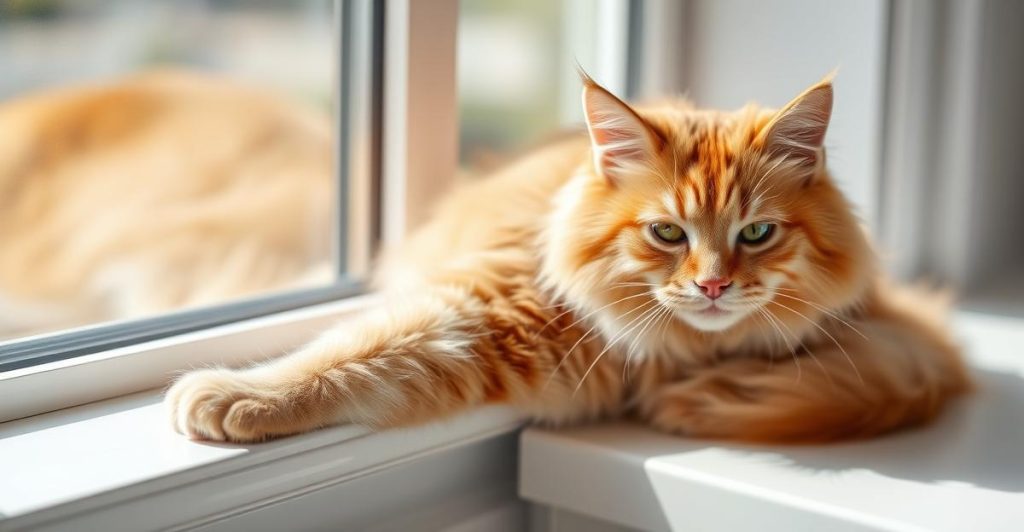
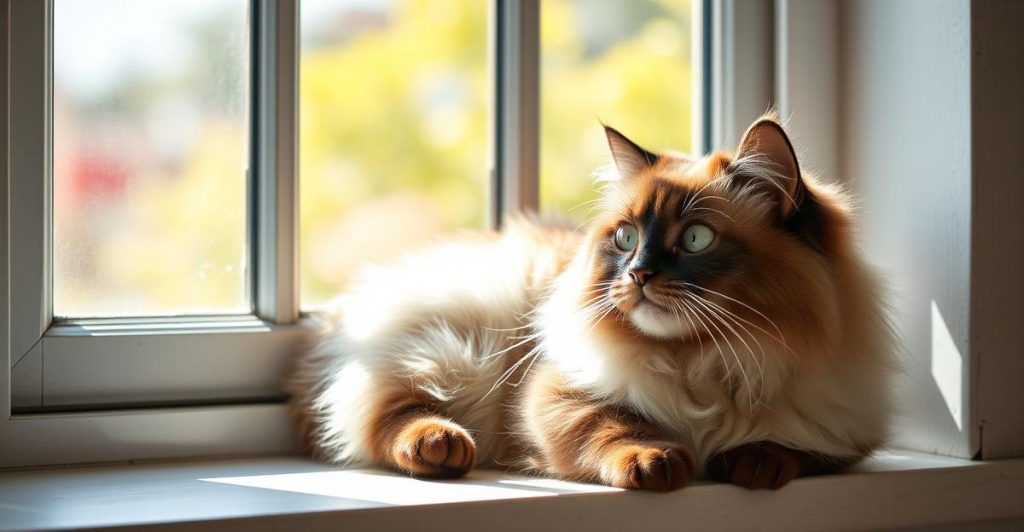
- Window‑Side Water Garden: Set a shallow dish on a sunny windowsill where dew forms naturally. The glistening droplets act like a miniature pond, enticing your cat to lap at the shimmering surface.
- Travel‑Ready Water Bottles: Keep a portable, leak‑proof bottle with a built‑in dispenser in your bag. When you head out for a stroll or a trip to the vet, a quick pour creates a fresh water source that feels like an adventure.
By incorporating these playful stations, you turn hydration into a game, encouraging your cat to drink more often without any pressure.
Flavorful Add‑Ons: Making Water Irresistible
While pure water is essential, a subtle flavor boost can make a big difference. The key is to keep it simple, natural, and safe. Below are cat hydration tips that add a splash of excitement to the everyday bowl:
- Fresh Herb Sprigs: A tiny leaf of cat‑safe herbs such as catnip or cat thyme placed in the water can release a gentle aroma that piques curiosity.
- Low‑Sodium Broth: A spoonful of warm, unsalted chicken or fish broth diluted with water creates a savory sip. Ensure the broth contains no onions, garlic, or added salts.
- Water‑Infused Treats: Freeze small pieces of tuna or cooked chicken in water cubes. As they melt, they release a faint flavor that keeps the water fresh and enticing.
- Fruit‑Infused Water (Rarely): A thin slice of cucumber or a few berries can add a light, refreshing taste. Use only cat‑safe fruits and keep the portion tiny to avoid any upset stomach.
Rotate these add‑ons every few days to keep the water experience novel. Remember, the goal is to entice, not to replace the need for plain water entirely.
Interactive Games that Encourage Sipping
Playtime is the perfect opportunity to weave hydration into your cat’s routine. Below are engaging games that double as cat hydration tips, ensuring your feline friend stays both active and well‑moistured.
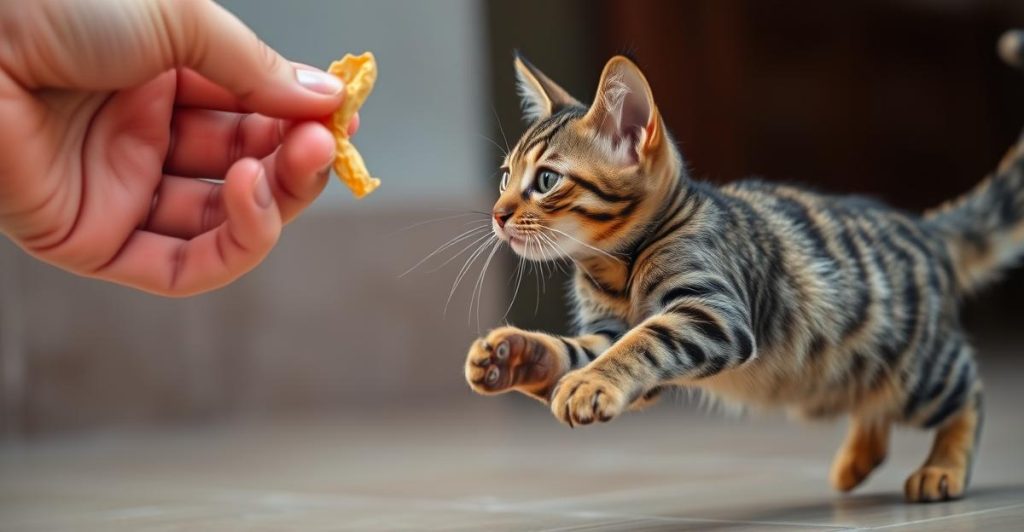
- Laser‑Light Chase: Direct a laser pointer near a water bowl. As the dot skitters across the floor, your cat will sprint, pause, and often investigate the nearby bowl out of curiosity.
- Feather‑Toss Splash: Toss a feather toy into a shallow dish of water. The gentle splash creates movement, prompting the cat to bat at the feather and sip the surrounding water.
- Treasure Hunt: Hide a few of your cat’s favorite treats around a water fountain. The hunt encourages exploration, and the fountain’s gentle flow provides continuous drinking opportunities.
- Rolling Ball Challenge: Use a lightweight ball that rolls across a water‑filled tray. The cat’s pursuit of the ball naturally leads to pauses for drinking.
- Puzzle Water Dispenser: Invest in a puzzle feeder that releases a small amount of water each time your cat solves a simple task. This merges mental stimulation with hydration.
These games turn the act of drinking into a rewarding part of play, reinforcing positive habits without any forced coaxing.
Seasonal Strategies: Keeping Hydration Up Year‑Round
Weather changes can influence a cat’s drinking patterns. In cooler months, cats may sip less, while warm days can increase their thirst. Adjusting your approach seasonally ensures consistent hydration.
Winter Warm‑Up: Place water bowls near sunny spots or near a gently heated pet mat. The slight warmth can make the water more inviting. Additionally, using a heated water fountain prevents the water from becoming too cold, encouraging more frequent laps.
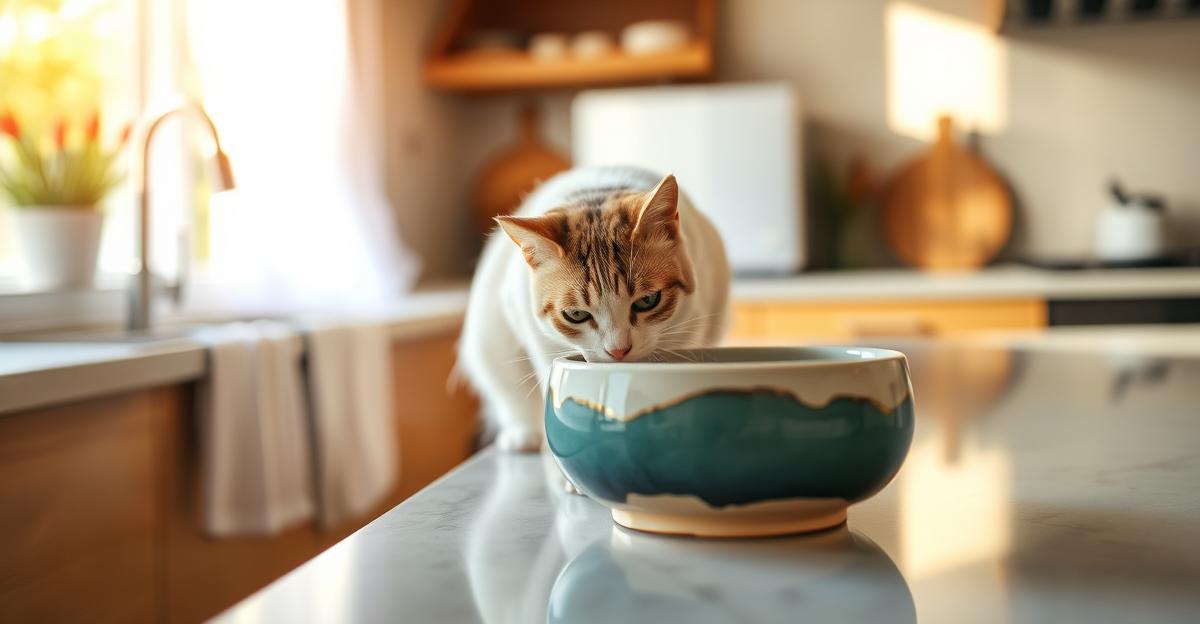
Summer Cool‑Down: Offer multiple shallow dishes with ice cubes or chilled water. A ceramic bowl placed in a shaded area stays cooler longer. Outdoor cats especially appreciate a misting station or a shallow kiddie pool filled with fresh water.
Holiday Hydration: During busy holiday seasons, set up an extra water station in a quiet corner away from the hustle and bustle. Cats often seek calm spaces to drink, and a dedicated spot reduces competition with other pets.
By tailoring your cat hydration tips to the season, you maintain a steady intake of water, supporting a lively, contented companion all year long.
Comparison Table: Water Bowls vs. Water Fountains
| Feature | Traditional Water Bowl | Water Fountain |
|---|---|---|
| Ease of Cleaning | Simple hand‑wash; may need daily refilling | Removable pump parts; filters need weekly change |
| Water Freshness | Stagnates quickly, especially in warm rooms | Continuous circulation keeps water moving and cool |
| Cat Appeal | Preferred by cats who like still water | Attracts curious cats with gentle sound and flow |
| Placement Flexibility | Lightweight; can be moved easily | Heavier; best placed on stable surfaces |
| Cost | Low initial cost; minimal accessories | Higher upfront cost; occasional filter replacements |
| Maintenance Frequency | Daily water change recommended | Weekly filter change; daily water level check |
Frequently Asked Questions
How often should I change my cat’s water?
Refreshing the water at least once a day keeps it tasting clean and inviting. If you use a fountain with a filtration system, follow the manufacturer’s guidelines for filter changes and top‑up water.
Can I add flavor to my cat’s water without harming them?
Yes—small amounts of low‑sodium broth, a sprig of cat‑safe herb, or a frozen treat cube can add a subtle taste. Always avoid onions, garlic, excessive salt, or artificial sweeteners.
My cat seems to prefer running water. Should I switch to a fountain?
Many cats are attracted to moving water, so a fountain can be a great addition. If your cat is hesitant, place the fountain next to a familiar bowl and let them explore at their own pace.
What if my cat still drinks very little?
Offer multiple water sources in different locations, try chilled water in summer, and incorporate water‑rich foods like wet cat food or homemade broth. If the low intake persists, consult a veterinarian for personalized guidance.
Disclaimer: This article is intended for informational and entertainment purposes only. It does not replace professional veterinary advice. Always consult a qualified vet for your cat's health and dietary needs.