
Set the Stage for Everyday Joyful Cat Activity
There’s nothing quite like watching your feline friend leap, pounce, and chase with pure delight. When a cat feels safe, curious, and engaged, those moments of playful energy become a daily celebration of life. In this guide we’ll explore ten simple, budget‑friendly ways to keep your cat joyfully active every day. From clever environmental tweaks to routine habit changes, each tip is designed to spark curiosity, boost confidence, and promote a happy, healthy lifestyle for the whiskered companion you adore.
1. Design a Cat‑Friendly Playground at Home
Cats are natural explorers, and a well‑designed space can turn an ordinary room into a wonderland of discovery. By adding vertical and horizontal elements, you give your cat multiple pathways to climb, perch, and observe the world.
- Cat trees and shelves: Install sturdy wall‑mounted shelves or a tall cat tree. Cats love to survey their domain from a height.
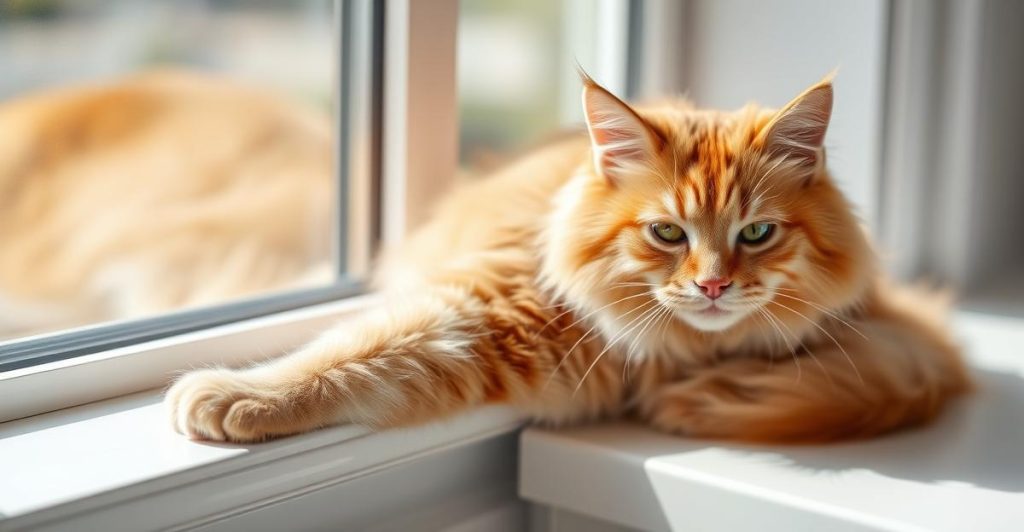
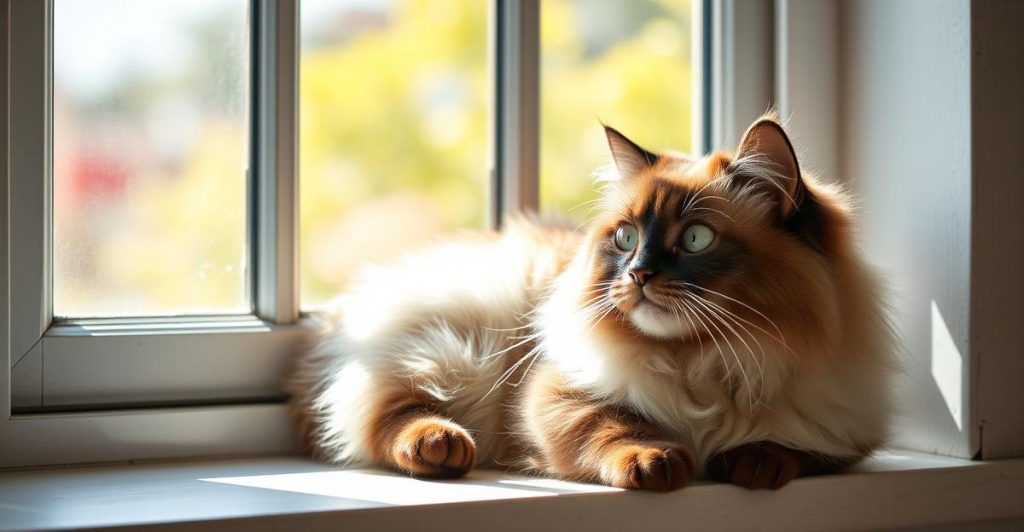
- Window perches: A soft cushion attached to a sunny window provides a perfect spot for bird‑watching and daydreaming.
- Hidden tunnels: Cardboard or fabric tunnels mimic the secret passages cats adore in the wild.
- Interactive mats: Place a textured mat near feeding areas to encourage gentle scratching and movement.
When these elements are arranged in a flow that encourages movement from one area to another, your cat will naturally weave through them, staying active without any extra effort from you.
2. Rotate Toys and Games to Keep Curiosity Alive
Even the most beloved toy can lose its sparkle after a few weeks. The secret to sustained interest is variety. By rotating toys every few days, you reset the novelty factor, prompting your cat to investigate with fresh enthusiasm.
- Weekly rotation: Keep a stash of 5–6 toys hidden and swap them out weekly.
- DIY options: Simple household items like crumpled paper balls, feather‑tied sticks, or a ping‑pong ball in a shallow dish can become instant hits.
- Interactive play: Use wand toys to mimic the movement of birds or insects, encouraging your cat to leap and chase.
- Puzzle feeders: Simple treat‑dispensing toys add a mental challenge while promoting gentle activity.
Remember, the goal isn’t just to entertain—it's to engage the cat’s hunting instincts, which naturally drive joyful movement.
3. Incorporate Short, Frequent Play Sessions
Cats thrive on bursts of high‑energy activity followed by periods of rest. Instead of a single long playtime, aim for several 5‑ to 10‑minute sessions spread throughout the day. This mirrors the natural hunting rhythm of a wild cat and keeps the body limber.
- Morning sprint: Start the day with a quick chase of a feather wand.
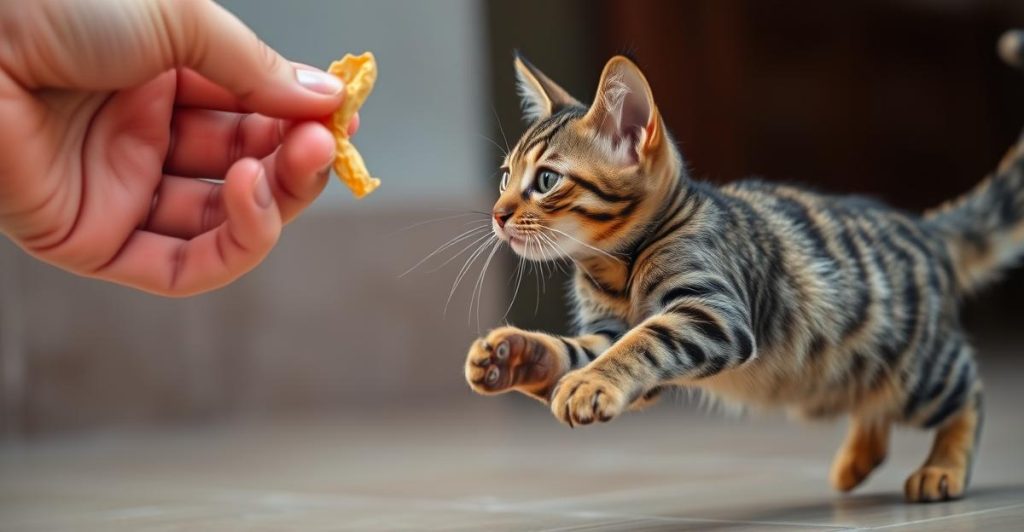
- Mid‑afternoon surprise: Hide a small treat under a cup and let your cat investigate.
- Evening wind‑down: Use a laser pointer for a gentle chase, ending with a calming cuddle.
- Use timers: Set a gentle alarm on your phone to remind you to engage in these mini‑sessions.
These bite‑size play intervals keep muscles engaged, prevent boredom, and reinforce the bond between you and your cat.
4. Encourage Natural Hunting Behaviors with Food‑Based Games
Feeding time can double as an activity session. By turning meals into a gentle hunt, you satisfy both nutritional needs and the instinct to stalk and pounce.
- Scattered kibble: Sprinkle dry food across a safe play mat, prompting your cat to forage.
- Ice cube treats: Freeze a small amount of broth in an ice cube tray; as it melts, your cat will bat at it, creating a cool, moving target.
- Paper bag hunt: Place a few treats inside a paper bag and let your cat figure out how to retrieve them.
- DIY foraging box: Fill a shallow box with shredded paper and hide bits of kibble or small treats throughout.
These activities keep the mind sharp and the body moving, all while reinforcing positive feeding habits.
5. Harness the Power of the Great Outdoors (Safely)
If you have a secure, cat‑friendly yard or balcony, consider supervised outdoor time. Fresh air, natural scents, and gentle breezes add a new dimension to daily activity.
- Leash training: Introduce a lightweight cat harness and practice short leash walks on a quiet patio.
- Enclosed catios: A safe, netted enclosure allows free roaming without the risk of escape.
- Bird‑friendly window screens: Install screens that let your cat watch birds safely from a perch.
- Seasonal rotation: Change the placement of outdoor toys or climbing structures to keep the environment fresh.
Even a few minutes of supervised outdoor exploration can boost confidence, stimulate senses, and provide a natural outlet for activity.
6. Create a Routine of Gentle Stretching and Mobility
Just like humans, cats benefit from regular, low‑impact movement that maintains joint flexibility. Simple stretch‑encouraging games can be woven into daily life.
- Laser pointer “slow chase”: Move the dot slowly across the floor, prompting your cat to stretch its body as it follows.
- Feather wand “high reach”: Lift the wand upward, encouraging your cat to stretch its front paws and back.
- Soft ball roll: Gently roll a plush ball across a carpeted area, inviting a low‑intensity chase.
- Morning yawning ritual: Mimic a cat’s natural yawning stretch by gently guiding your cat’s front paws forward with a soft toy.
These subtle movements promote flexibility and can help prevent stiffness as your cat ages.
Indoor vs Outdoor Play Activities – Quick Comparison
| Aspect | Indoor Play | Outdoor Play |
|---|---|---|
| Safety | Fully controlled environment; no traffic or predators. | Requires secure enclosure or leash; potential exposure to hazards. |
| Stimuli Variety | Limited to toys, scents, and visual windows. | Natural sounds, scents, sunlight, and live prey (birds, insects). |
| Space Requirements | Can be compact; utilizes vertical space. | Needs a safe, fenced area or balcony. |
| Weather Dependence | Unaffected by rain, heat, or cold. | Playtime may be limited by extreme weather. |
| Exercise Intensity | Can be high with interactive toys. | Often more vigorous due to natural chasing opportunities. |
7. Use Sound and Scent to Spark Curiosity
Beyond visual toys, sound and scent are powerful motivators for feline play. Introducing gentle auditory cues or enticing aromas can turn ordinary moments into exciting adventures.
- Crinkly paper: The rustle of a paper bag or tissue paper can trigger a chase response.
- Catnip or silvervine: A light sprinkle on a toy can boost interest for many cats.
- Soft jingles: Toys with tiny bells provide auditory feedback that many cats find irresistible.
- Nature recordings: Play low‑volume bird calls or gentle water sounds near a perch to encourage attentive listening.
These sensory additions are simple, inexpensive, and can be rotated to keep the environment fresh.
8. Encourage Social Play with Other Pets (If Appropriate)
If you have multiple cats or a cat‑friendly dog, supervised social play can add a new layer of excitement. Positive interactions promote mental stimulation and physical movement.
- Parallel play zones: Set up separate but adjacent play areas where cats can observe each other.
- Shared toys: Use long, sturdy toys that multiple pets can bat at together.
- Gentle introductions: Allow short, supervised sessions and reward calm behavior.
- Observe body language: Ensure all participants are comfortable; stop if signs of stress appear.
When managed well, inter‑species play can become a joyful routine that enriches each pet’s day.
9. Schedule Regular “Cat‑Friendly” Household Activities
Even routine chores can be turned into opportunities for movement. By integrating your cat into everyday tasks, you create spontaneous play moments.
- Laundry basket chase: Toss a soft toy into a laundry basket and let your cat pounce.
- Kitchen counter exploration: Place a feather wand on a low counter and encourage a gentle climb.
- Vacuum “tunnel” game: When the vacuum is off, let your cat explore the cord or the space behind it.
- Doorway dash: Open a doorway slightly and let your cat dash through, mimicking a sprint.
These micro‑activities add up, providing a steady stream of low‑stress exercise throughout the day.
10. Celebrate Achievements with Positive Reinforcement
Every time your cat engages in a new activity or masters a playful challenge, celebrate it! Positive reinforcement not only strengthens the behavior but also deepens your bond.
- Gentle praise: Use a soft, upbeat tone to acknowledge successful jumps or solves.
- Special treats: Offer a tiny, healthy treat as a reward for a completed game.
- Extra cuddle time: A brief, soothing petting session can be the perfect “after‑play” reward.
- Play‑time extension: Add a few extra minutes of favorite activity as a bonus.
Consistent, loving feedback turns each activity into a positive experience, encouraging your cat to seek out joyful movement again and again.
Frequently Asked Questions
How often should I change my cat’s toys?
Rotating toys every 5–7 days keeps them feeling new and exciting. Store a few favorites out of sight and swap them in weekly to maintain curiosity.
Can indoor cats get enough exercise without going outside?
Absolutely. By providing vertical spaces, interactive toys, and multiple short play sessions, indoor cats can achieve a balanced level of activity that supports joint health and mental stimulation.
My cat seems uninterested in play after a certain age. What can I do?
Older cats may prefer gentler activities. Focus on low‑impact games such as slow‑moving laser pointers, feather wands that encourage stretching, and puzzle feeders that engage the mind without demanding high‑energy bursts.
Is it safe to use catnip for encouraging activity?
Catnip is safe for most cats and can boost enthusiasm for play. Use it sparingly—just a light sprinkle on a favorite toy—and observe your cat’s reaction. If they seem overly excited, reduce the amount or try a milder alternative like silvervine.
Disclaimer: This article is intended for informational and entertainment purposes only. It does not replace professional veterinary advice. Always consult a qualified vet for your cat's health and dietary needs.