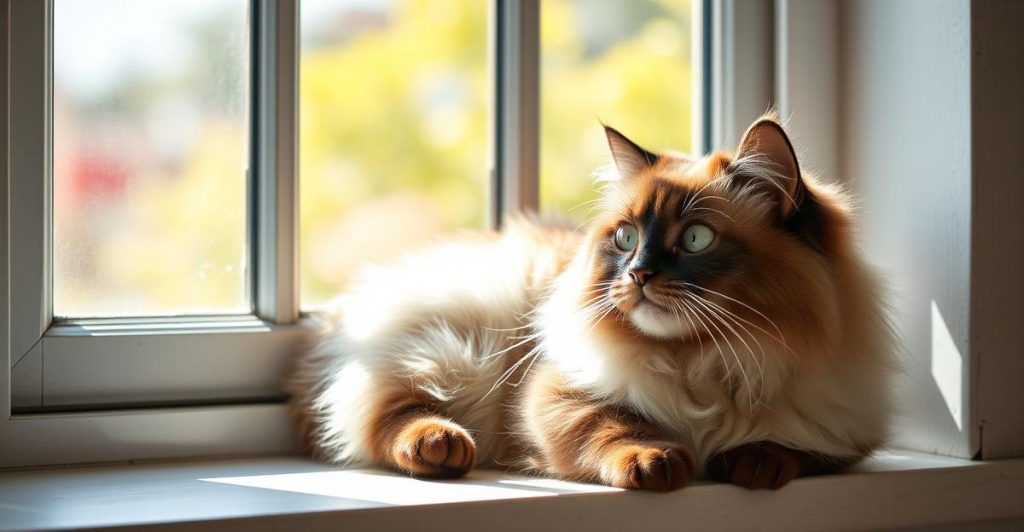

Ever caught your feline friend fixated on you, eyes wide and unblinking, as if you were the most fascinating TV show on the planet? You’re not alone. Many cat owners wonder why their cat seems to stare at them for minutes on end, and what that lingering gaze really says about their mood and well‑being. In this article we’ll explore the many layers behind the cat staring phenomenon, decode the subtle messages hidden in those amber eyes, and share practical tips to turn those moments into deeper connection and everyday happiness for both you and your whiskered companion.
The Mystery Behind the Gaze: Why Cats Lock Eyes
Cats are natural hunters, and their eyes are finely tuned tools for spotting movement, judging distance, and reading subtle cues. When a cat chooses to stare at you, it’s rarely random; it’s a deliberate act shaped by instinct, curiosity, and the unique bond you share.
- Instinctive Observation: In the wild, a cat watches prey to anticipate the perfect strike. At home, you become the “prey” they monitor—especially when you’re moving, opening a treat jar, or simply breathing.
- Safety Check: A cat’s world revolves around safety. By keeping you in view, they ensure the environment feels secure and that the “pack leader” (you) is calm and approachable.
- Learning Mode: Kittens spend hours watching their mothers to learn hunting and social skills. Adult cats continue this habit, studying human behavior to better predict your actions.
Understanding these underlying motives helps you see the cat staring not as a weird habit, but as a natural, purposeful behavior rooted in their evolutionary past.
Communication 101: What Your Cat Is Telling You
Unlike dogs, cats rarely bark or wag their tails to convey feelings. Their eyes become a primary language. Decoding the cat staring signal can give you insight into their emotional state.
- Affectionate Gaze: Slow, soft blinking while staring usually means “I trust you.” This is often called a “cat kiss.”
- Focused Curiosity: A steady, unblinking stare accompanied by perked ears suggests the cat is intrigued by something you’re doing.
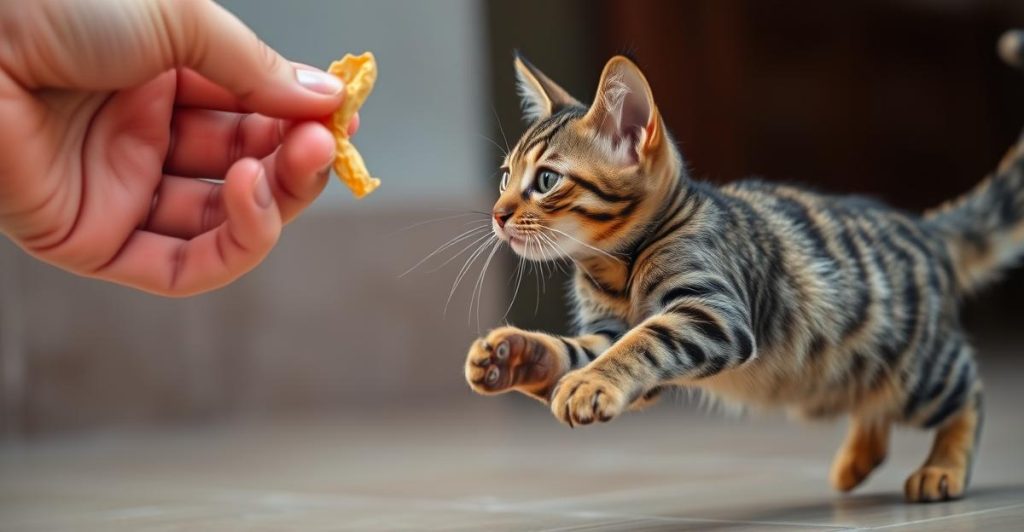
- Play Invitation: A quick, wide-eyed stare followed by a pounce-ready posture often precedes a play session.
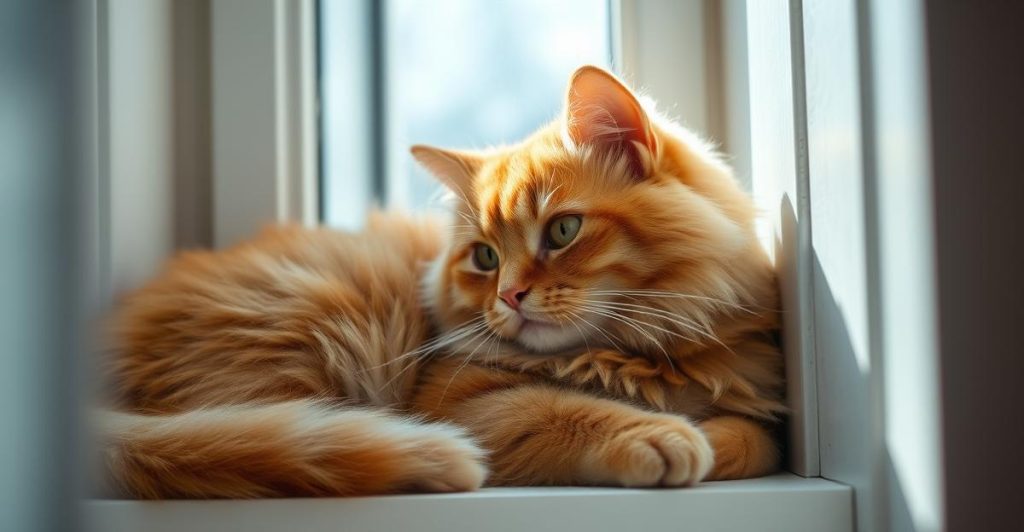
- Comfort Check: When a cat watches you while you relax, it may be confirming that you’re calm and safe, which in turn makes them feel secure.
Notice the context—time of day, surrounding activity, and your own body language—to interpret the cat staring moment correctly.
Happiness Signals: When Staring Means Contentment
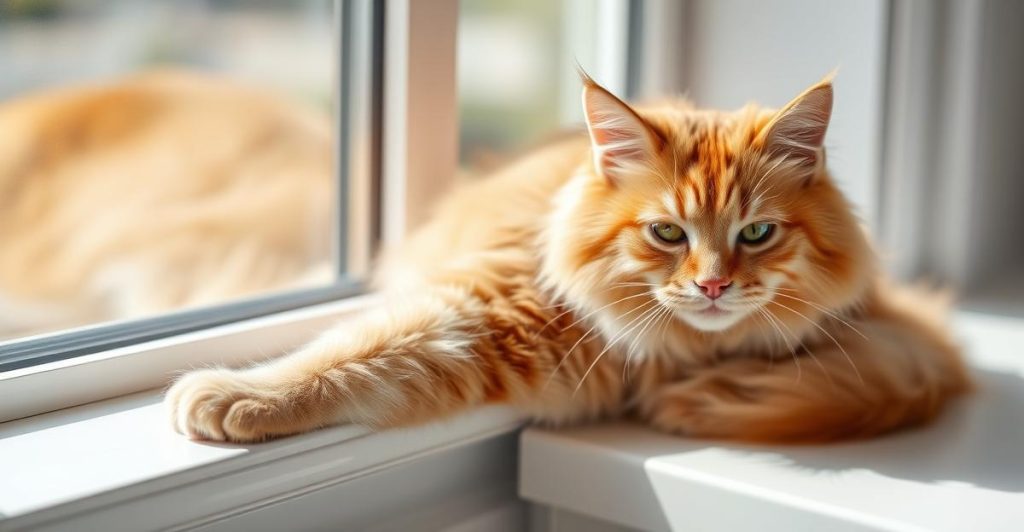
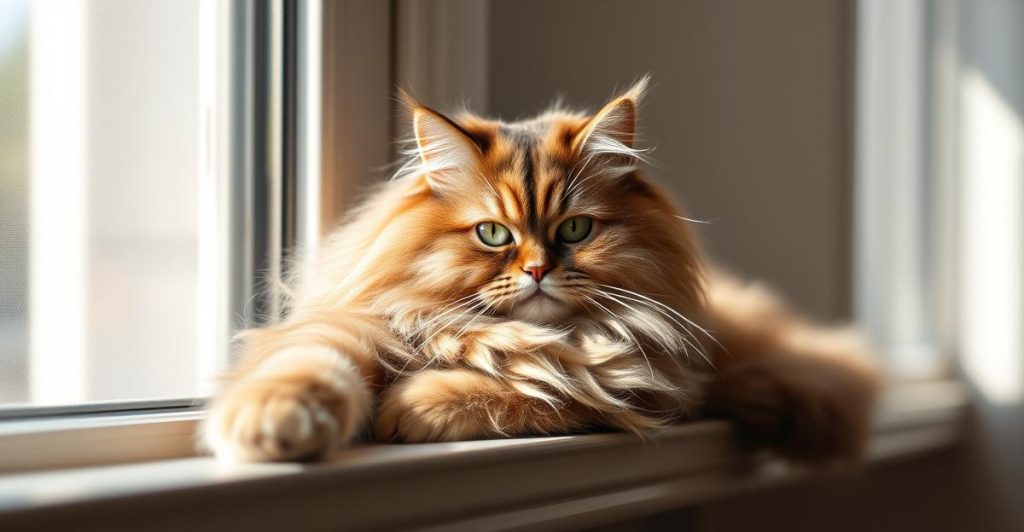
Not every stare is a call to action. Sometimes, the cat simply enjoys being in your presence. Here are the tell‑tale signs that a cat staring you is a happy, relaxed cat:
- Soft, relaxed posture—body lying down or perched comfortably.
- Gentle, rhythmic breathing, often accompanied by a faint purr.
- Slow blinking or half‑closed eyes, indicating trust.
- Occasional tail flicks that are calm rather than twitchy.
If you see these cues alongside the cat staring, you can safely assume your feline is feeling safe, loved, and content. Responding with a soft voice or a gentle pet can reinforce that positive emotional loop.
Enhancing the Bond: Positive Ways to Respond
Now that you understand the meanings behind the cat staring, you can turn those moments into opportunities for deeper bonding. Below are actionable ways to respond that promote happiness and wellbeing.
- Return the Slow Blink: Mimic your cat’s slow blink. Look at them, close your eyes gently for a second, then open. This silent “I love you” often elicits a reciprocal blink.
- Speak Softly: A calm, soothing voice reassures the cat that you’re attentive and non‑threatening.
- Offer a Gentle Touch: If your cat enjoys petting, lightly stroke the head or chin. Avoid the belly unless you know they love it.
- Engage in Light Play: Use a feather wand or laser pointer to channel that focused energy into a fun activity.
- Provide a Cozy Spot: Place a soft blanket near where you sit. Cats love to be near you while staying in a comfortable nook.
These simple gestures reinforce trust, encourage positive emotions, and make the cat staring a shared moment of connection rather than a mysterious stare‑off.
Playful Perspectives: Turning Stares into Interactive Fun
Many cat owners notice that a stare often precedes a sudden burst of energy—a classic “zoomies” episode. By recognizing the pattern, you can set up play sessions that satisfy their hunting instincts while strengthening your relationship.
- Pre‑Play Routine: When you catch the cat staring, grab a favorite toy and invite them to “hunt.” The anticipation heightens excitement.
- Interactive Feeding: Hide a small portion of kibble in a puzzle feeder. The cat’s focused gaze will turn into a rewarding problem‑solving challenge.
- Environmental Enrichment: Rotate toys weekly. Fresh objects keep the cat’s curiosity alive, reducing boredom‑induced staring.
- Scheduled Play Times: Consistent daily play (morning and evening) aligns with natural hunting peaks, making the cat’s stare a sign of anticipation rather than frustration.
By channeling the cat staring energy into structured activities, you promote physical exercise, mental stimulation, and overall happiness.
Indoor Play vs. Outdoor Exploration: Which Boosts Happiness More?
| Aspect | Indoor Play | Outdoor Exploration |
|---|---|---|
| Safety | High – controlled environment, no traffic or predators. | Variable – exposure to cars, other animals, and weather. |
| Stimulation | Can be enhanced with toys, puzzles, and climbing structures. | Natural scents, varied terrain, and wildlife sightings. |
| Exercise Level | Depends on owner engagement; can be scheduled. | Often more spontaneous, with bursts of running and climbing. |
| Bonding Opportunities | Frequent interaction with owner during play sessions. | Occasional shared outings; may involve harness training. |
| Impact on Cat Staring | Reduces boredom‑related staring by providing mental outlets. | Provides novel stimuli that can transform staring into curiosity. |
Frequently Asked Questions
Why does my cat stare at me when I’m eating?
Food is a strong motivator for cats. When you’re eating, your cat may stare to gauge whether a tasty morsel might be shared. It’s a blend of curiosity, anticipation, and a gentle reminder that you’re the provider of treats.
Is a prolonged stare a sign of aggression?
Not usually. Aggressive cats tend to display a rigid body, flattened ears, and a direct, unblinking stare accompanied by a low growl. A calm, relaxed cat that simply watches you with soft eyes is usually expressing affection or curiosity, not hostility.
My cat follows me room to room and watches me intently. Should I be concerned?
Most likely, your cat enjoys your company and feels secure when you’re nearby. This behavior is common in cats that have formed a strong attachment bond. Providing regular play, grooming, and quiet cuddle time will reinforce that sense of security.
Can I train my cat to stop staring?
Because staring is often a neutral or positive behavior, “training” to stop isn’t necessary. Instead, redirect the attention with a toy or a treat if the stare becomes excessive or seems to stem from boredom. This keeps the cat mentally engaged while preserving the affectionate connection.
Disclaimer: This article is intended for informational and entertainment purposes only. It does not replace professional veterinary advice. Always consult a qualified vet for your cat's health and dietary needs.