
10 Simple Ways to Keep Your Cat Joyfully Healthy
There’s nothing quite like the soft purr of a content cat curled up in a sunny spot, eyes half‑closed, tail gently flicking. That picture of pure feline bliss is the goal of every cat parent who wants to nurture cat wellness in everyday life. Whether you’re a seasoned cat lover or a new adopter, the path to a happy, thriving companion is built on small, consistent actions that honor a cat’s natural instincts and needs. Below, we’ll explore ten easy‑to‑implement ideas that turn ordinary routines into joyful experiences, keeping your whiskered friend feeling safe, active, and loved—all without stepping into medical territory.
Design a Cat‑Friendly Home
Cats are natural explorers, climbers, and hide‑seekers. When their environment mirrors these instincts, they exude confidence and calm. A well‑thought‑out home layout can transform ordinary rooms into a playground of curiosity and comfort.
- Vertical real estate: Install sturdy cat trees, wall‑mounted shelves, or repurposed bookshelves. Even a simple piece of furniture with a sturdy backing can become a perch where your cat surveys the kingdom.
- Cozy hideaways: Cardboard boxes, soft fabric tunnels, and covered beds give shy cats a place to retreat. Rotate these hideouts occasionally to keep the novelty alive.
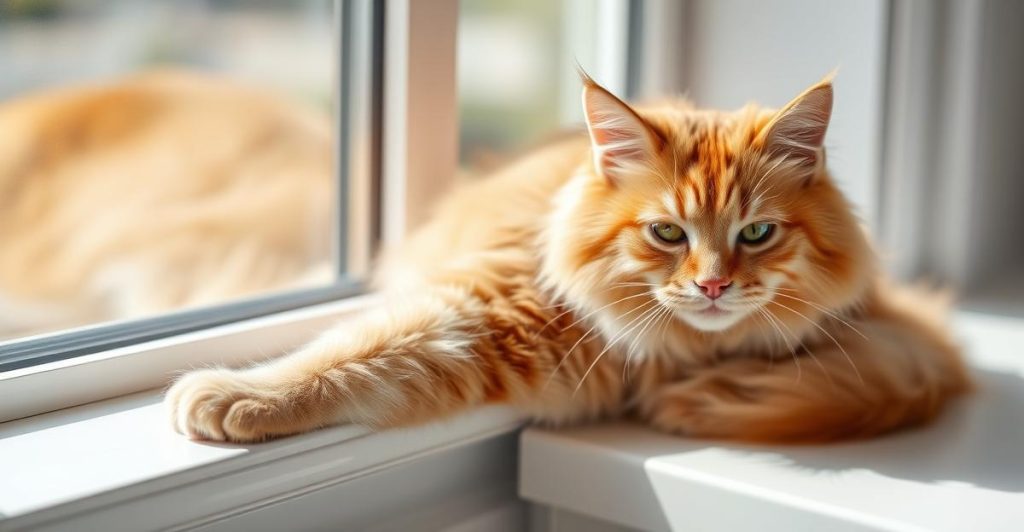
- Safe windows: Secure screens and a sunny window seat invite your cat to watch birds, clouds, and the world outside—an effortless source of mental stimulation.
- Non‑toxic décor: Choose plant varieties that are safe for cats, such as spider plants or cat grass, and keep any potentially harmful items out of reach.
When you tailor your living space to a cat’s natural preferences, you lay the foundation for everyday happiness. The simple act of adding a new perch or a fresh hideaway can spark a burst of playful curiosity that lasts for weeks.
Make Play and Exercise a Daily Joy
Playtime isn’t just a way to burn off energy; it’s a vital component of cat wellness that nurtures hunting instincts, strengthens muscles, and deepens the bond between you and your feline friend. The key is variety and consistency.
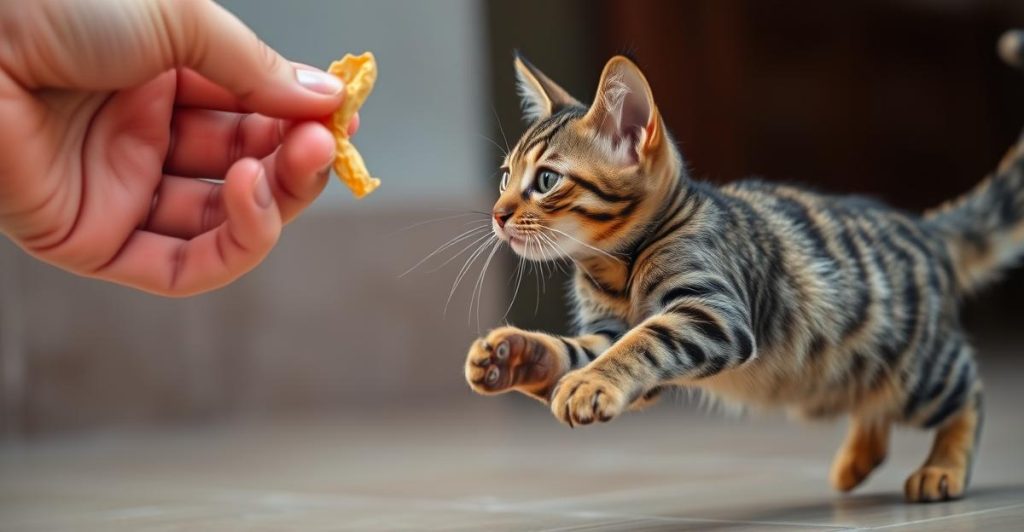
- Interactive toys: Wand teasers, feather sticks, and laser pointers mimic the quick movements of prey. Short, frequent sessions (5‑10 minutes) keep excitement high without overwhelming your cat.
- DIY play objects: Crumpled paper balls, empty toilet paper rolls, and homemade feather wands are inexpensive ways to keep the fun rolling.
- Scheduled play bursts: Set aside specific times each day—morning, evening, or after meals—to create a predictable routine that your cat can look forward to.
- Rotate toys: Swap out toys every few days to maintain novelty and prevent boredom.
Remember, the goal isn’t to exhaust your cat but to provide a satisfying outlet for natural predatory drives. A few minutes of focused play can turn a lethargic afternoon into a lively, confidence‑boosting adventure.
Indoor vs Outdoor Play: A Quick Comparison
| Aspect | Indoor Play | Outdoor Play |
|---|---|---|
| Safety | Controlled environment; no traffic or predators. | Exposure to weather, traffic, and wildlife. |
| Stimulation | Can be enriched with toys, puzzles, and climbing structures. | Natural scents, sounds, and moving prey. |
| Exercise Intensity | Varies with interactive toys; can be high‑energy. | Often more vigorous due to open space. |
| Supervision | Easier to monitor and intervene. | Requires secure fencing or harnesses. |
| Convenience | Available year‑round, regardless of weather. | Season‑dependent; may need shelter. |
Maintain Grooming and Hydration Habits
Regular grooming and proper hydration are cornerstones of everyday cat comfort. They support a glossy coat, healthy skin, and a sense of well‑being without venturing into medical territory.
- Gentle brushing: Short‑hair cats benefit from a quick brush once or twice a week, while long‑hair breeds may need daily sessions. Use a soft‑bristle brush to remove loose fur and reduce hairballs.
- Self‑grooming encouragement: Provide scratching posts and textured mats that stimulate natural grooming behaviors.
- Fresh water stations: Cats often prefer moving water. A small cat fountain encourages frequent sipping and helps maintain proper hydration.
- Multiple water bowls: Place bowls in various rooms, especially near feeding areas and favorite resting spots, to make water readily accessible.
By turning grooming into a shared, soothing ritual and ensuring water is always inviting, you reinforce daily habits that keep your cat feeling clean, comfortable, and content.
Establish Consistent Feeding and Litter Routines
Predictability is a silent hero of cat wellness. When meals and litter care follow a steady schedule, cats experience reduced stress and a stronger sense of security.
- Meal timing: Offer meals at the same times each day. Whether you feed dry kibble, wet meals, or a combination, consistency helps regulate energy levels and promotes a calm demeanor.
- Portion control: Use a measuring cup to serve appropriate portions based on age and activity level. This supports a healthy weight without the need for detailed dietary advice.
- Litter box placement: Keep the box in a quiet, low‑traffic area. Cats appreciate privacy, and a calm location encourages regular use.
- Cleanliness routine: Scoop waste daily and perform a full litter change weekly. A fresh box contributes to a pleasant bathroom experience and reduces unwanted accidents.
These simple steps transform routine tasks into reassuring signals that your cat can rely on, fostering a stable and happy home environment.
Foster Positive Social Connections and Wellness Checks
Even the most independent feline thrives on positive interaction—whether it’s a gentle chin rub, a soothing voice, or a calm presence. Building trust and monitoring overall happiness are essential components of holistic cat care.
- Gentle handling: Approach your cat calmly, let them sniff your hand, and use slow, rhythmic strokes. Respect their boundaries; if they move away, give them space and try again later.
- Quality time: Set aside a few minutes each day for quiet companionship—reading aloud, watching TV together, or simply sitting side‑by‑side.
- Environmental enrichment: Rotate toys, introduce new scents (like cat‑safe herbs), and provide puzzle feeders that make mealtime a mental adventure.
- Wellness observations: Keep an eye on behavior cues such as playfulness, appetite, litter habits, and vocalizations. Noticing subtle changes early can guide you toward timely, preventive care.
While these practices don’t replace professional veterinary advice, they empower you to create a nurturing atmosphere that celebrates the everyday joys of cat ownership.
Frequently Asked Questions
How often should I change my cat’s water?
Fresh water is most appealing when changed at least once daily. If you use a fountain, clean it according to the manufacturer’s instructions and refill it with fresh water every 24‑48 hours.
What’s the best way to introduce a new toy?
Show the toy by moving it slowly across the floor or dangle it with a string to spark curiosity. Let your cat investigate at their own pace, and reward any interest with gentle praise or a treat.
Can indoor cats stay healthy without outdoor access?
Absolutely. By providing vertical spaces, interactive play, and mental enrichment, indoor cats can enjoy a rich, fulfilling life that meets their natural instincts.
How can I tell if my cat is feeling stressed?
Signs of stress may include hiding more than usual, reduced play, excessive grooming, or changes in vocalization. Offering a quiet retreat, maintaining routine, and providing gentle reassurance can help alleviate tension.
Disclaimer: This article is intended for informational and entertainment purposes only. It does not replace professional veterinary advice. Always consult a qualified vet for your cat's health and dietary needs.