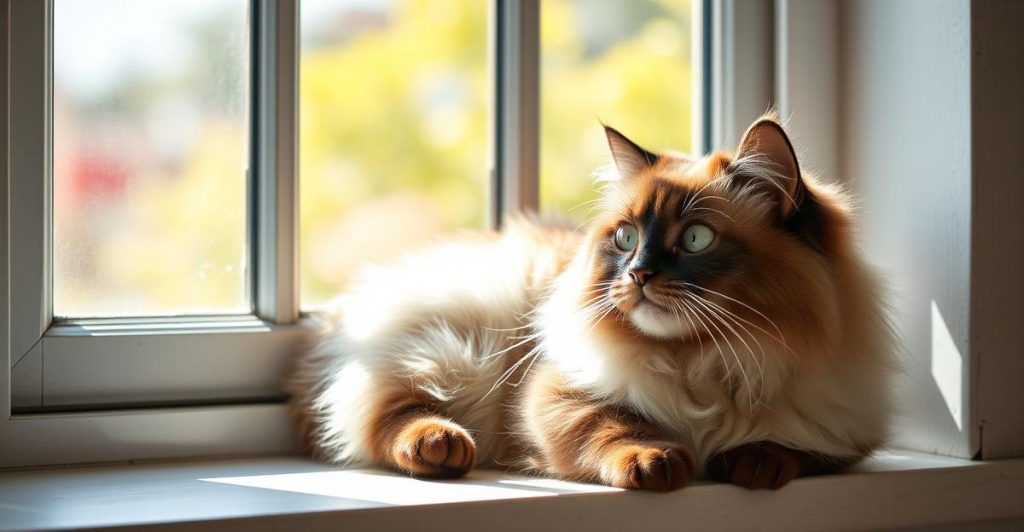

Ever caught your feline friend batting at a feather wand and thought, “What if I could turn that playful pounce into a real trick?” You’re not alone. Many cat owners discover that with a little patience, a sprinkle of curiosity, and the right approach, teaching cat tricks can be as rewarding as it is entertaining. From a simple high‑five to a graceful spin, these cat tricks not only deepen the bond you share but also keep your whiskered companion mentally sharp and physically active. Let’s dive into a step‑by‑step guide that will have your cat showing off fun tricks in minutes, all while fostering a happy, healthy lifestyle.
Why Teach Your Cat Tricks?
Training isn’t just for dogs. Cats are natural problem‑solvers who love a good challenge. When you introduce cat tricks, you’re providing mental stimulation that mirrors their instinctual hunting games. This mental workout helps reduce boredom‑related mischief, encourages gentle exercise, and strengthens the trust between you and your pet. Moreover, successful training sessions release feel‑good hormones for both of you, turning ordinary moments into joyful celebrations.
- Boosts confidence: Mastering a new trick gives your cat a sense of achievement.
- Enriches daily routine: Short training bouts fit easily into morning or evening schedules.
- Promotes physical activity: Many tricks involve jumps, spins, or brief sprints, supporting overall wellness.
- Deepens the bond: Positive interaction builds mutual respect and affection.
Essential Tools & Environment
Before you start, gather a few simple items that will make the learning process smooth and enjoyable. The key is to create a low‑stress, distraction‑free zone where your cat feels safe and motivated.
- Treats: Small, soft morsels that your cat loves (think freeze‑dried chicken or tuna bits). Use them as rewards, not as a diet staple.
- Clicker (optional): A clicker can mark the exact moment your cat performs the desired behavior, making communication crystal clear.
- Target stick or wand: A lightweight stick with a feather or ribbon can guide your cat’s movements.
- Quiet space: Choose a room with minimal foot traffic and no loud appliances.
- Patience timer: Set a timer for 5‑minute training blocks to keep sessions short and sweet.
Step‑by‑Step Simple Cat Tricks
Here are three beginner‑friendly cat tricks that you can teach in just a few minutes each. Remember to keep sessions upbeat, end on a positive note, and always reward your cat’s effort.
1. The High‑Five
This classic trick is a crowd‑pleaser and perfect for cats that enjoy pawing at objects.
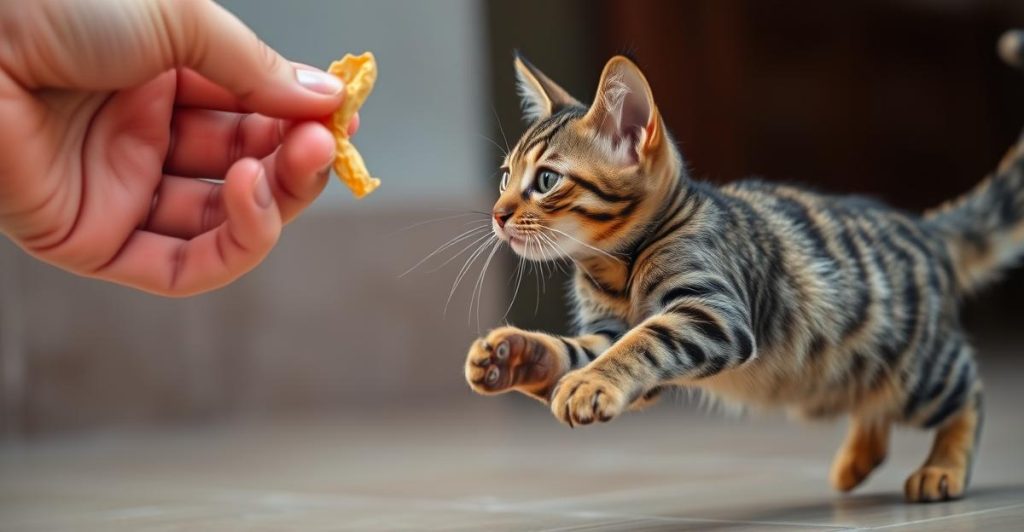
- Hold a treat in your closed hand and let your cat sniff it.
- When your cat paws at your hand, say “Yes!” or click the clicker, then give the treat.
- Gradually add a verbal cue like “High‑five” right before presenting the hand.
- Practice a few repetitions, then switch to an open hand and reward only when the cat lifts its paw to touch your palm.
2. The Spin
Spinning taps into your cat’s natural love for chasing moving objects.
- Use a wand with a feather and move it in a small circle on the floor.
- When your cat follows the feather and completes a full circle, click or say “Yes!” and reward.
- Introduce the cue “Spin” just before you start the circular motion.
- Practice until the cat begins to spin on cue, even without the feather.
3. The Target Touch
Teaching your cat to touch a target with its nose or paw opens the door to more complex tricks later.
- Place a small sticky note or a flat silicone mat on the floor.
- Hold a treat just above the target; your cat will likely reach for it.
- When the cat’s nose or paw contacts the target, click or say “Yes!” and give the treat.
- Add a cue word like “Touch” and practice from different distances.
Keeping Training Fun and Positive
The secret to lasting success lies in maintaining a light‑hearted atmosphere. Cats are keen observers and can sense frustration, so it’s vital to keep the vibe upbeat.
- End on a win: Finish each session with a trick your cat performs easily, followed by a treat.
- Mix it up: Rotate between tricks to keep curiosity alive.
- Use varied rewards: Alternate treats with extra playtime or gentle chin scratches.
- Stay consistent: Practice at the same time each day so your cat knows what to expect.
Troubleshooting Common Hurdles
Even the most enthusiastic cat owners encounter obstacles. Below are typical challenges and simple solutions.
- Short attention span: Keep sessions under five minutes and incorporate frequent breaks.
- Disinterest in treats: Try a different flavor or texture, or use a favorite toy as a reward.
- Fear of new objects: Introduce the target stick or wand gradually, letting your cat sniff and explore it before training.
- Regression after a break: Return to the basics, reinforce the cue, and celebrate small successes.
Indoor vs. Outdoor Play: Which Boosts Training Success?
| Aspect | Indoor Play | Outdoor Play |
|---|---|---|
| Safety | Controlled environment; no traffic or predators. | Potential exposure to hazards; requires supervision. |
| Stimuli Variety | Limited natural stimuli; relies on toys and interactive play. | Rich sensory input (birds, scents, sunlight). |
| Training Focus | Easier to maintain focus; fewer distractions. | Higher distraction level; may need shorter sessions. |
| Physical Exercise | Can be tailored with climbing trees, tunnels, and laser pointers. | Natural running and jumping opportunities. |
| Bonding Opportunities | Close, one‑on‑one interaction with owner. | Shared exploration can strengthen trust, if supervised. |
Putting It All Together: A Sample Weekly Training Plan
Consistency beats intensity. Below is a simple schedule you can adapt to your cat’s personality and your own calendar.
- Monday & Thursday – High‑Five: Two 5‑minute sessions, focusing on the cue and reward.
- Tuesday – Spin: Short warm‑up with a feather wand, then practice the spin cue.
- Wednesday – Target Touch: Place the target in different spots to generalize the behavior.
- Friday – Mix & Match: Combine all three tricks in a playful “cat talent show.”
- Weekend – Free Play: Use the same toys and environments to reinforce the learned tricks in a low‑pressure setting.
Remember, the goal isn’t perfection; it’s creating joyful moments that enrich both your lives.
FAQ
Can I teach my older cat new tricks?
Absolutely! While kittens may learn quickly, older cats can still pick up new behaviors. Keep sessions brief, use high‑value rewards, and be patient. Their life experience often translates into a calm, focused learning style.
How often should I train my cat?
Short, frequent sessions work best. Aim for 5‑minute bouts 2‑3 times a day. This respects your cat’s natural attention span and prevents burnout.
What if my cat loses interest halfway through?
Switch to a different activity or reward. Sometimes a change in treat flavor or a quick play break re‑engages curiosity. Always end on a positive note.
Do I need a clicker for successful training?
A clicker is a helpful tool but not mandatory. Verbal praise (“Yes!”) or a gentle tap can serve the same purpose as long as you’re consistent with the marker.
Disclaimer: This article is intended for informational and entertainment purposes only. It does not replace professional veterinary advice. Always consult a qualified vet for your cat's health and dietary needs.