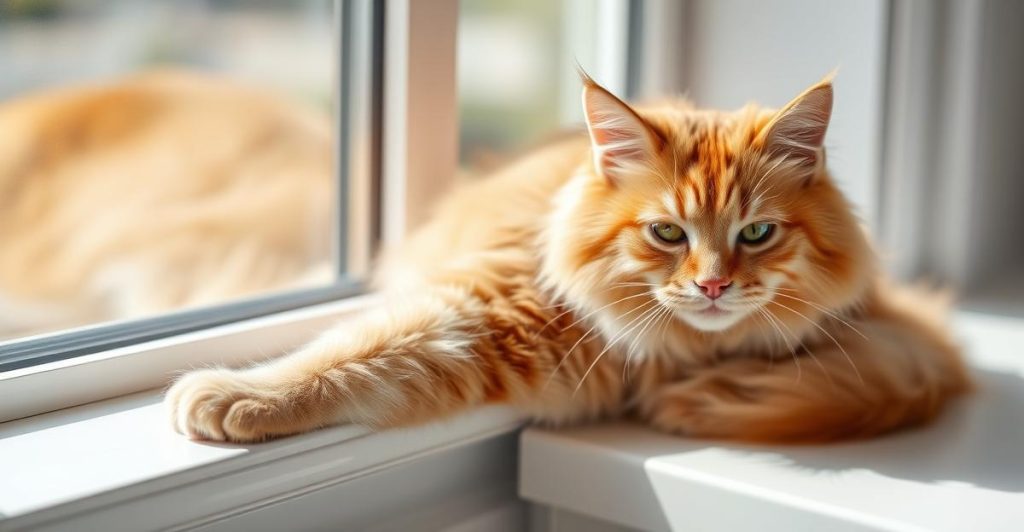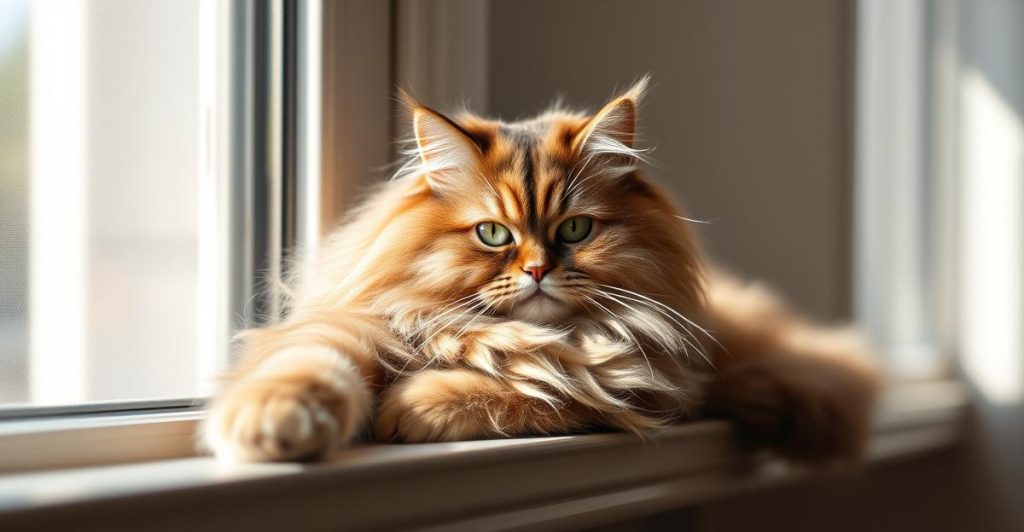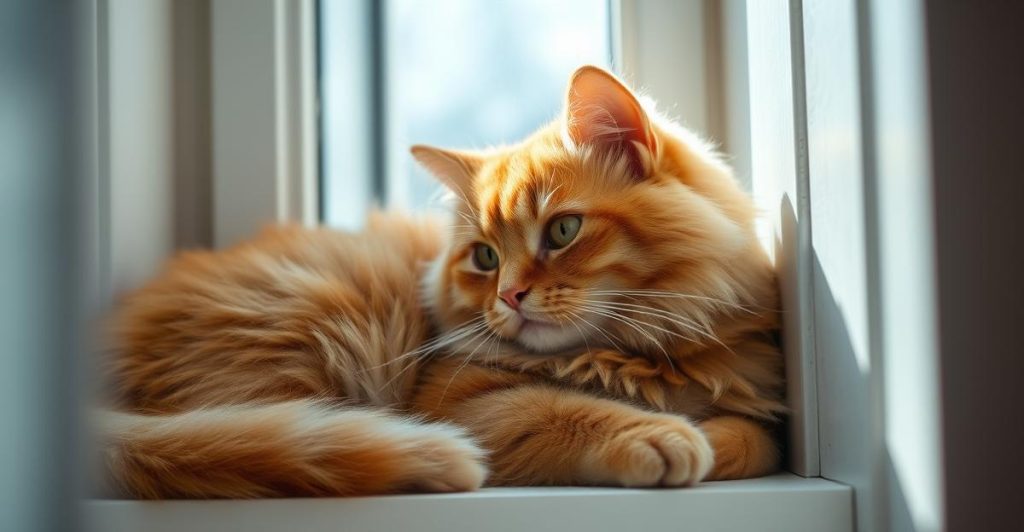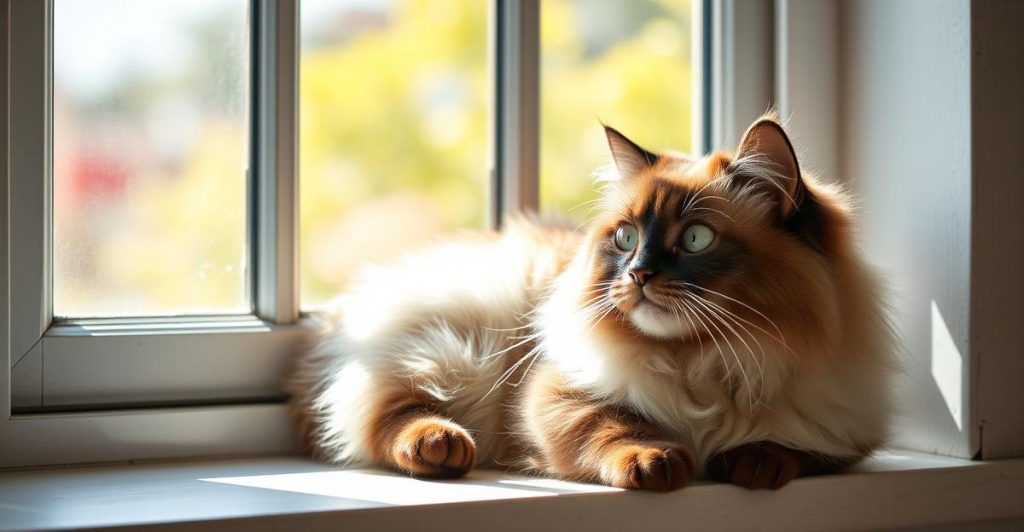

Imagine walking from the kitchen to the bedroom and finding a tiny, sun‑kissed nook where your feline friend can stretch, purr, and watch the world go by. A cozy cat haven isn’t just a luxury; it’s a simple way to boost your cat’s happiness, confidence, and overall well‑being. By thoughtfully arranging each room, you can turn ordinary corners into inviting retreats that satisfy a cat’s love of warmth, height, and hidden hideaways. Let’s explore how to transform every space in your home into a sanctuary that encourages gentle play, restful sleep, and endless curiosity—without the need for expensive remodels or professional designers.
Assessing Your Space: Mapping the Perfect Cat‑Friendly Zones
Before you start buying plush beds or climbing shelves, take a moment to observe how your cat currently uses the house. Cats are keen detectives; they instinctively seek out spots that feel safe, warm, and strategically positioned for a quick escape route. Follow these steps to create a mental blueprint:
- Watch the traffic flow. Notice where sunlight streams in during different times of day. Sunbeams on a windowsill become instant magnets.
- Identify high‑traffic pathways. Hallways and doorways often double as cat highways. A low‑profile rug or a soft mat can turn a simple passage into a comfy runway.
- Spot natural hideaways. Cardboard boxes, laundry baskets, or even a quiet corner behind a bookshelf can become secret retreats.
- Measure vertical space. Cats love to perch up high. Check for sturdy wall studs or existing furniture where a shelf or perch could be safely anchored.
- Consider safety. Remove loose cords, secure heavy objects, and ensure any decorative plants are non‑toxic.
By mapping these zones, you’ll know exactly where to place soft bedding, climbing structures, and interactive toys, turning each room into a purposeful part of your cat’s daily routine.
Soft Surfaces and Snuggle Spots: Textures That Invite Relaxation
Comfort is the cornerstone of any cozy cat haven. Cats are tactile creatures; the feel of a surface can make or break their desire to linger. Here are practical ways to introduce plushness without cluttering your décor:
- Layered blankets. Drape a lightweight fleece or a soft knitted throw over a chair or the foot of a couch. The layered look adds visual depth while offering a warm pad for kneading.
- Memory‑foam pads. Small, low‑profile memory‑foam cushions conform to a cat’s body, providing support for joints and encouraging longer naps.
- Heated mats (low‑temperature). A pet‑safe, low‑heat mat set to a gentle warmth can become a favorite spot during cooler months, mimicking the sun’s comforting heat.
- Window perch cushions. Attach a cushioned pad to a suction‑mounted window perch. The combination of fresh air, a view, and softness is irresistible.
- DIY fabric tunnels. Sew a simple tunnel from sturdy fabric and fill it with a rolled towel. Cats love the enclosed, soft environment for both play and rest.
Mixing textures—smooth satin, fluffy faux fur, and cool cotton—keeps the environment stimulating while ensuring your cat always has a soft place to curl up.
Vertical Real Estate: Shelves, Trees, and Perches for Exploration
When you think of a cozy cat haven, imagine not only floor space but also the skyward realm that cats naturally claim. Vertical territory offers a sense of security, a view of the household, and a chance for gentle exercise. Follow these guidelines to make the most of your walls and furniture:
- Wall‑mounted shelves. Install a series of staggered floating shelves at varying heights. Use sturdy brackets and anchor them to studs for safety.
- Cat trees with multiple levels. Choose a tree that blends with your interior style—natural wood finishes or sleek metal frames work well in modern homes.
- Convertible furniture. Opt for bookshelves with built‑in cat platforms or side tables that double as perch spots.
- Window ledges. Replace a narrow windowsill with a wider, cushioned ledge that can hold a small plant (non‑toxic) and a cozy blanket.
- DIY rope ladders. Secure a sturdy rope between two vertical surfaces to create a climbing ladder that encourages gentle exercise.
Remember to place a few perches near each room’s primary activity area—like a shelf above the living‑room sofa—so your cat can observe family life while feeling safely elevated.
Playful Corners: Interactive Toys and DIY Fun Zones
Play is essential for a cat’s mental sharpness and overall happiness. By dedicating small corners to interactive fun, you turn idle spaces into hubs of curiosity. Here’s how to set up engaging play zones without overwhelming the room’s aesthetic:
- Rotating toy stations. Keep a basket of feather wands, crinkle balls, and puzzle toys in a discreet corner. Rotate the toys weekly to keep interest high.
- Scratch‑and‑play posts. Combine a sturdy scratching post with an attached dangling toy. This dual function satisfies both claw maintenance and hunting instincts.
- Laser‑pointer projection. Install a low‑profile laser projector that creates gentle, moving dots on the floor. Set it on a timer for short, supervised sessions.
- DIY cardboard maze. Cut and connect cardboard boxes into a maze that winds around a coffee table. Add a few tunnels and hidden treats for extra excitement.
- Interactive feeder bowls. Use a slow‑feed bowl that encourages gentle pawing and problem‑solving during mealtime, turning feeding into a playful activity.
These playful corners not only keep your cat physically active but also provide mental enrichment, reducing the likelihood of boredom‑related mischief.
Calming Ambiance: Lighting, Sound, and Scent for a Serene Atmosphere
Beyond furniture and toys, the overall ambiance shapes how relaxed your cat feels. Soft lighting, gentle sounds, and subtle scents can transform any room into a tranquil retreat.
- Natural light cycles. Keep curtains partially open to let in morning sun, then dim lights in the evening to mimic twilight—a natural cue for winding down.
- Warm LED bulbs. Use warm‑tone LED bulbs (2700‑3000 K) to create a soothing glow without overheating the room.
- Background music. Play low‑volume classical or ambient nature sounds. Cats often respond positively to soft piano or gentle rain.
- Feline‑friendly diffusers. A few drops of cat‑safe pheromone spray or a diffuser with calming herbal blends (like valerian or chamomile) can reduce stress during transitions.
- Quiet corners. Designate a low‑traffic area with a plush rug and a soft blanket where your cat can retreat when the household is bustling.
By aligning lighting, sound, and scent with your cat’s natural rhythms, you reinforce the feeling of safety and contentment throughout the home.
Seasonal Adjustments: Keeping the Haven Cozy Year‑Round
Every season brings its own challenges and opportunities for enhancing a cozy cat haven. Simple tweaks ensure your cat stays comfortable whether it’s a chilly winter or a sweltering summer.
- Winter warmth. Add a fleece blanket to the favorite perch, place a low‑heat mat under a window seat, and consider a draft‑proof curtain to keep cold breezes out.
- Summer cooling. Position a ceramic tile or a chilled stone slab near a sunny window for a cool surface. Offer fresh water with ice cubes for extra refreshment.
- Spring freshness. Rotate toys with seasonal colors, and introduce a small indoor herb garden (cat‑safe herbs like catnip or catmint) for gentle stimulation.
- Autumn coziness. Swap bright summer cushions for deeper, earth‑tone throws. A soft, plush rug near a fireplace (real or electric) adds extra warmth.
- All‑season safety checks. Regularly inspect climbing structures for loose screws, replace worn fabrics, and ensure any scented products remain non‑toxic.
These seasonal touches keep the environment fresh, inviting, and perfectly attuned to your cat’s comfort needs throughout the year.
Comparison Table: Indoor Play vs. Outdoor Play Activities
| Aspect | Indoor Play | Outdoor Play |
|---|---|---|
| Safety | Controlled environment; no traffic or predators. | Potential exposure to traffic, wildlife, and parasites. |
| Stimuli Variety | Can be varied with toys, puzzles, and rotating stations. | Natural scents, sounds, and moving prey‑like insects. |
| Weather Dependence | Unaffected by rain, heat, or cold. | Limited during extreme weather conditions. |
| Space Requirements | Utilizes vertical space and compact corners. | Requires a secure, fenced area or supervised leash. |
| Exercise Intensity | Can be moderate; depends on toy engagement. | Often higher intensity due to open space and chasing. |
| Social Interaction | Can involve family members and other indoor pets. | May include other neighborhood cats or wildlife. |
Frequently Asked Questions
How many cozy spots does my cat need?
Most cats enjoy having at least two to three distinct resting places—one near a sunny window, one in a quiet corner, and one elevated perch. Offering a variety helps them choose based on mood and temperature.
Can I use any type of blanket for my cat’s haven?
Choose soft, washable fabrics that are free of loose threads or decorative buttons. Fleece, microfiber, and knitted cotton are excellent choices because they are gentle on paws and easy to clean.
Is it okay to let my cat roam outside for play?
Outdoor play can provide stimulating scents and natural exercise, but it also introduces safety risks. If you choose outdoor time, supervise your cat, use a secure enclosure, or equip them with a cat‑safe harness and leash.
How often should I rotate toys and bedding?
Rotating toys every 1‑2 weeks and swapping bedding textures monthly keeps the environment fresh and prevents boredom. This simple routine encourages exploration and maintains a sense of novelty.
Disclaimer: This article is intended for informational and entertainment purposes only. It does not replace professional veterinary advice. Always consult a qualified vet for your cat's health and dietary needs.