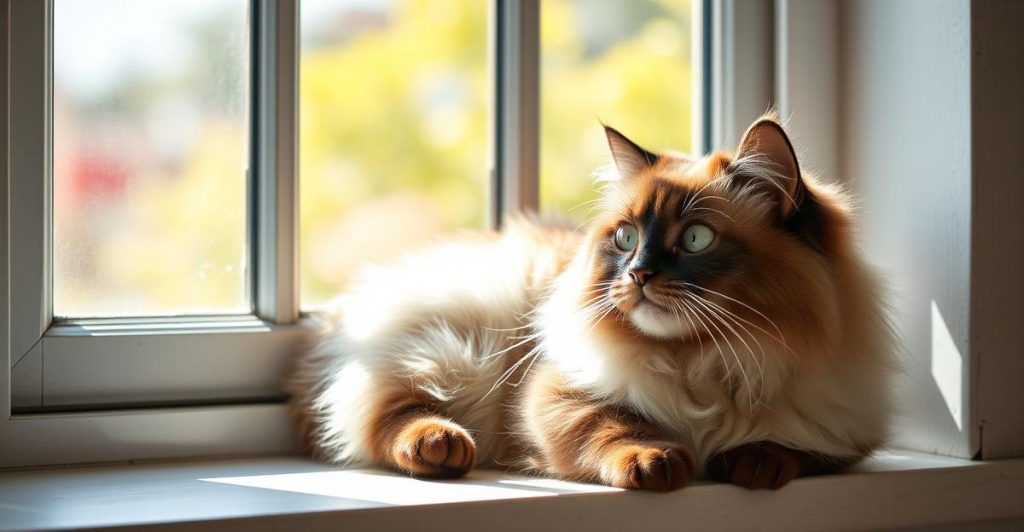

Why Your Cat Stares at Empty Walls and How to Keep Them Curious
Ever caught your feline friend fixated on a blank wall, tail twitching, ears perked, as if a secret movie is playing just for them? You’re not alone. Many cat owners have witnessed this mysterious behavior, and while it can feel puzzling, it’s actually a window into the wonderful world of cat curiosity. In this article we’ll explore why cats love to stare at seemingly “nothing,” what their senses are picking up, and—most importantly—how you can channel that curiosity into enriching activities that keep your kitty happy, active, and mentally sharp.
The Science Behind a Cat’s Unseen Perception
Cats have evolved as stealthy hunters, relying on acute senses to detect the faintest movement, the slightest sound, and even subtle changes in light. Their eyes contain a high concentration of rod cells, giving them superior night vision and the ability to notice motion that humans would completely miss. When your cat appears to be staring at an empty wall, they might actually be observing:
- Micro‑shifts in light: Sunlight filtering through a crack can create tiny reflections that dance across the surface.
- Insect activity: A lone moth or spider may be moving along the wall’s edge, invisible to our eyes but crystal clear to a cat’s keen vision.
- Air currents: Subtle drafts can make a hanging curtain ripple, producing a visual cue that sparks a cat’s attention.
- Sound vibrations: High‑frequency noises, like the hum of a refrigerator or the whir of a ceiling fan, can be detected by a cat’s sensitive ears, prompting them to investigate the source.
Understanding these sensory triggers helps us realize that a “blank” wall is rarely blank for a cat. Their natural curiosity drives them to explore every flicker and whisper, keeping their hunting instincts honed even when they’re comfortably indoors.
Common Triggers That Turn Walls Into Entertainment Zones
While the scientific explanations cover the sensory side, everyday household factors often turn a simple wall into a cat’s personal theater. Below are the most frequent triggers you might be overlooking:
- Sunlight patterns: Morning sun can create moving patches of light that slide across walls, mimicking the movement of prey.
- Electronic screens: The faint glow from a TV or computer monitor can cast reflections that dance across nearby surfaces.
- Shadow play: A passing pet, a swinging door, or even a plant moving in the breeze can cast shadows that intrigue a cat.
- Small pests: Mice, beetles, or even tiny ants can crawl along baseboards, creating a subtle, continuous motion that keeps a cat glued to the spot.
- Acoustic vibrations: The low rumble of a washing machine or the ticking of a wall clock may produce vibrations that a cat perceives as movement.
Identifying which of these triggers are active in your home can help you decide whether to embrace the wall‑watching habit or redirect the attention toward more interactive play.
Ways to Keep Your Cat Engaged and Satisfy Their Curiosity
Channeling your cat’s innate curiosity into purposeful play not only reduces the “wall‑staring” episodes but also promotes overall wellness. Below are practical, low‑stress strategies that fit seamlessly into a busy household.
- Rotate toys regularly: Instead of leaving the same ball or feather wand out all the time, swap them every few days. The novelty keeps the cat’s interest alive.
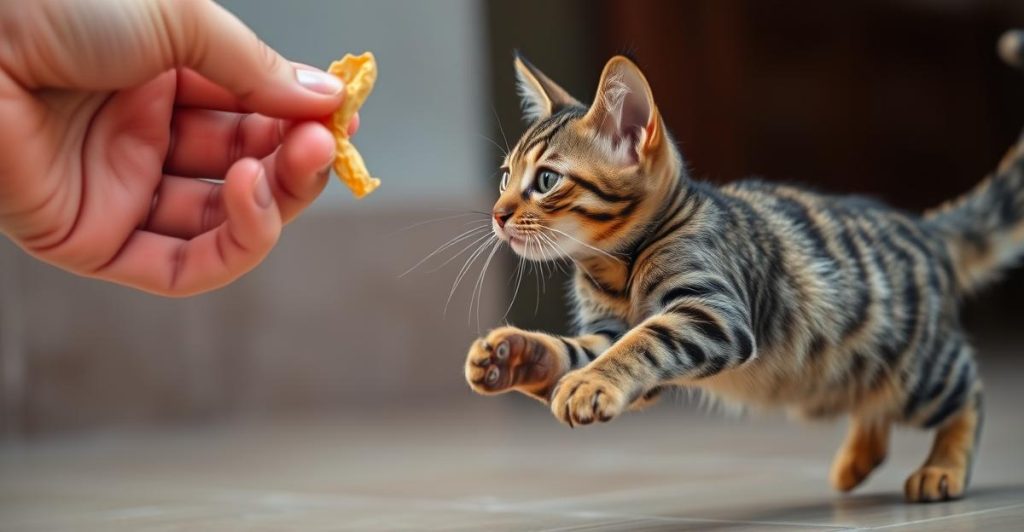
- Introduce puzzle feeders: Simple treat‑dispensing toys encourage problem‑solving and make snack time a mental workout.
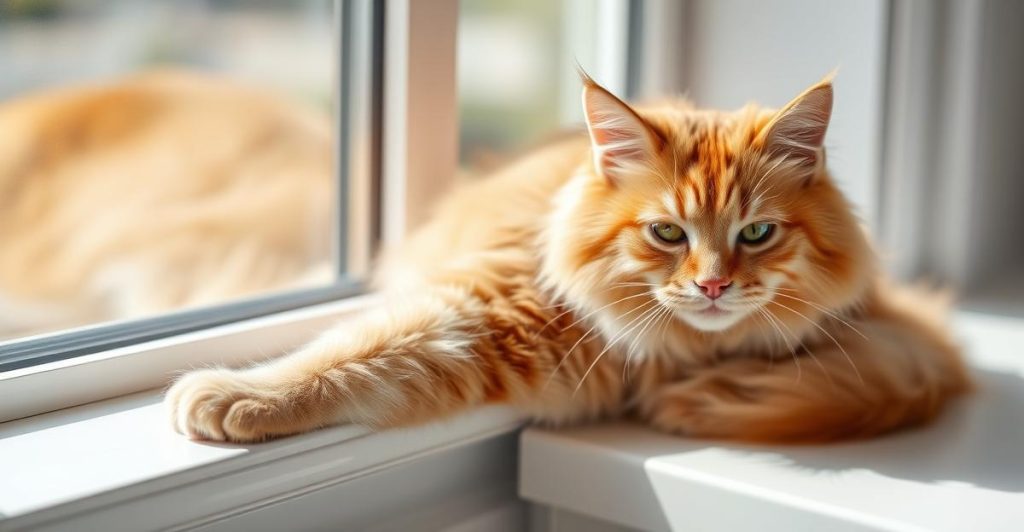
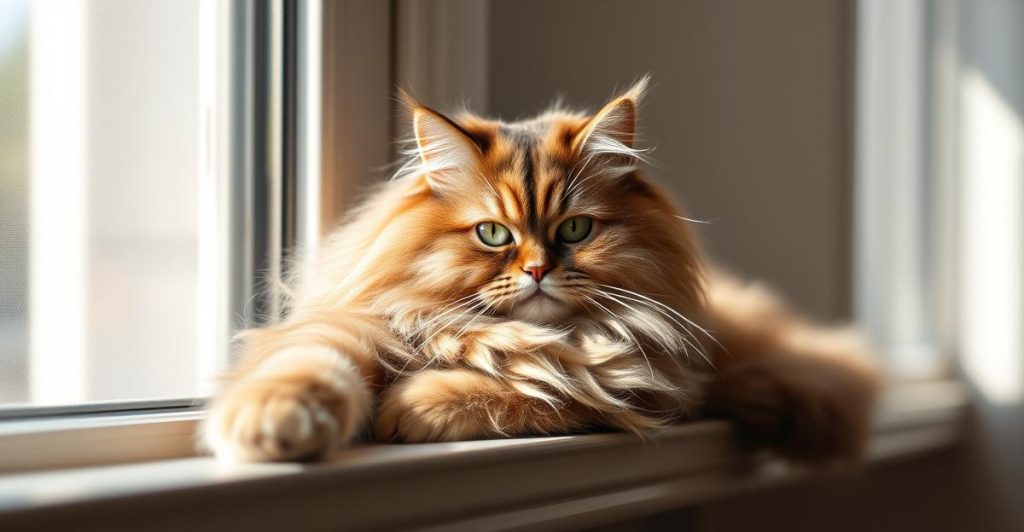
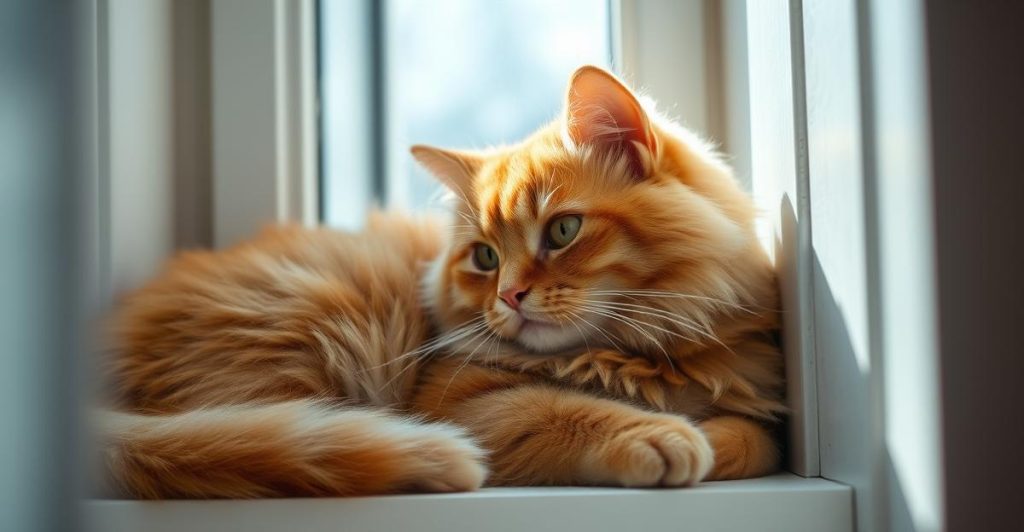
- Use window perches: Position a comfortable perch near a sunny window so your cat can watch birds, squirrels, and the ever‑changing sky—natural “cat TV.”
- Play hide‑and‑seek: Hide a favorite toy behind a pillow or under a blanket and let your cat discover it. The hunt satisfies their predatory instincts.
- Schedule short, frequent play sessions: Five‑minute bursts of interactive play (using wand toys or laser pointers) two to three times a day keep energy levels balanced.
- Provide climbing structures: Cat trees, shelves, or even a sturdy bookshelf give vertical space for exploration and a sense of territory.
These activities are not only fun but also reinforce the bond between you and your cat, turning curiosity into a shared adventure.
Creating a Curiosity‑Friendly Home Environment
Designing a home that fuels exploration doesn’t require a major renovation—just a few thoughtful tweaks. Below are room‑by‑room ideas that nurture cat curiosity while maintaining a stylish aesthetic.
- Living room: Place a few low‑profile shelves or a cat‑friendly coffee table where your cat can perch and observe the room’s activity.
- Kitchen: Secure a small, cat‑safe herb garden (like catnip or cat‑mint) on a windowsill. The scent and occasional nibble provide sensory enrichment.
- Bedroom: Hang a soft, lightweight blanket on the back of the door. Cats love the slight movement caused by drafts, and it doubles as a cozy hideaway.
- Hallways: Attach a series of interactive wall panels with hidden compartments for treats. This turns a simple passageway into a mini adventure trail.
- Bathroom: Keep a shallow dish of fresh water with a floating toy. The gentle ripples attract a cat’s attention and encourage hydration.
Remember, the goal is to provide safe, stimulating options that satisfy a cat’s investigative nature without overwhelming them.
Playtime Alternatives: Indoor vs. Outdoor Exploration
While many cats thrive as indoor companions, offering safe outdoor experiences can dramatically boost curiosity and physical fitness. Below is a quick comparison to help you decide which approach fits your lifestyle and your cat’s personality.
Indoor Play vs. Outdoor Exploration
| Aspect | Indoor Play | Outdoor Exploration |
|---|---|---|
| Safety | Fully controlled environment; no traffic or predators. | Potential hazards like cars, other animals, and weather. |
| Stimuli Variety | Limited to household items; requires creative enrichment. | Natural scents, varied terrain, live prey‑like insects. |
| Exercise Level | Depends on play intensity; may need scheduled sessions. | Often higher due to chasing, climbing, and exploring. |
| Supervision | Easy to monitor; quick intervention if needed. | Requires harness, leash, or secure outdoor enclosure. |
| Impact on Curiosity | Can be sustained with rotating toys and puzzles. | Naturally stimulates curiosity through unpredictable elements. |
If you choose to introduce outdoor time, start with a secure cat harness and a short, supervised walk. Even a brief glimpse of the backyard’s rustling leaves can invigorate a cat’s sense of wonder. For purely indoor households, invest in a variety of sensory toys—crinkly tunnels, scent‑infused pads, and interactive laser toys—to replicate the novelty of the outdoors.
Understanding When Wall‑Staring Is a Sign of Boredom
Not all wall‑gazing episodes are harmless curiosity. Occasionally, a cat may fixate on a wall because they’re lacking adequate mental stimulation. Signs that your cat’s stare is more boredom than intrigue include:
- Prolonged periods of inactivity after the stare.
- Repeatedly returning to the same spot without exploring other areas.
- Excessive vocalizations (meowing or chirping) while staring.
If you notice these patterns, it’s a cue to ramp up enrichment. Try adding a new puzzle feeder, introducing a rotating set of toys, or scheduling an extra play session before bedtime. The goal is to give your cat a fresh focus, turning idle curiosity into active engagement.
Celebrating Your Cat’s Unique Personality
Every cat expresses curiosity in its own way. Some will chase a laser dot for hours, while others prefer to sit and watch the world from a high perch. Embrace these differences by observing what triggers your cat’s interest most often. Keep a simple journal—note the time of day, the type of stimulus (light, sound, scent), and your cat’s reaction. Over weeks, you’ll spot patterns that help you tailor enrichment to your cat’s personal preferences.
By honoring your cat’s individuality, you not only nurture their mental health but also deepen the companionship that makes cat ownership so rewarding.
FAQ
Why does my cat stare at a wall even when there’s no obvious movement?
Cats have highly sensitive vision and hearing. They may be picking up subtle light shifts, tiny insects, or high‑frequency sounds that humans cannot detect. The stare is often a sign they’re processing these faint cues.
Can I train my cat to stop looking at walls?
Rather than trying to stop a natural behavior, it’s more effective to redirect the attention. Offer an interactive toy or a short play session when you notice the staring begin. Over time, your cat will associate the wall‑gazing moment with a fun activity.
Is it safe to let my indoor cat explore the backyard?
Outdoor exploration can be enriching, but safety is key. Use a well‑fitted harness, supervise initial outings, and consider a cat‑proof enclosure. Always assess local hazards like traffic, predators, and toxic plants before allowing free roam.
How often should I change my cat’s toys to keep them interested?
Rotating toys every 3–5 days works well for most cats. Keep a small stash of “new” toys hidden and swap them in regularly. This keeps the environment fresh without needing to purchase new items constantly.
Disclaimer: This article is intended for informational and entertainment purposes only. It does not replace professional veterinary advice. Always consult a qualified vet for your cat's health and dietary needs.