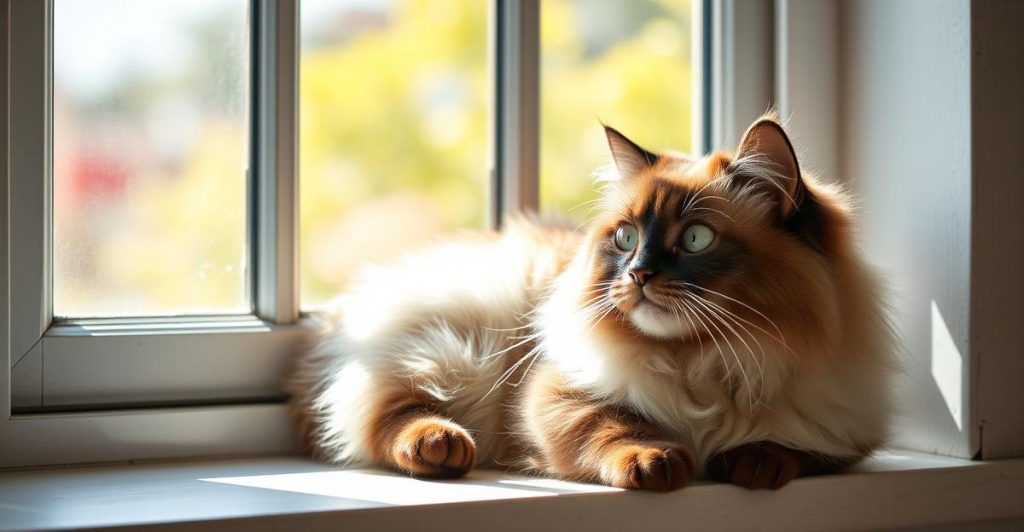

Bringing a new kitten into your home is like adding a tiny, whiskered whirlwind of curiosity and joy. From the first tentative pounce on a stray sock to the soft, contented purrs that echo through the living room, every moment offers a chance to shape a truly happy kitten. By tuning into their playful instincts, providing a nurturing environment, and establishing gentle routines, you’ll watch your little furball blossom into a confident, joyful companion who fills your days with endless entertainment and affection.
Creating a Safe and Stimulating Home Environment
Before the first ball of yarn rolls across the floor, make sure your home feels like a wonderland designed just for a kitten’s senses. Safety and stimulation go hand‑in‑hand; a secure space encourages exploration, while interesting textures and toys keep boredom at bay.
- Kitten‑proof the basics: Secure loose cords, remove small objects that could be swallowed, and block access to high shelves where a curious paw might cause a tumble.
- Vertical territory: Install low shelves or cat trees. Kittens love to climb, and vertical space gives them a sense of control and a perfect perch for observing their kingdom.
- Soft landing zones: Scatter plush blankets or a shallow cat bed in high‑traffic areas. A cushioned surface cushions those inevitable tumbles as they learn to coordinate their tiny limbs.
- Interactive corners: Dedicate a corner to rotating toys—feather wands, crinkle balls, and puzzle feeders keep the environment fresh and engaging.
When a kitten feels safe, they’re more likely to express their natural curiosity, leading to a happier, more confident companion.
Playtime Principles: Turning Everyday Moments into Fun
Play isn’t just a pastime; it’s the language kittens use to learn, exercise, and bond with you. By turning ordinary household items into interactive toys, you can weave play into daily routines without needing expensive gadgets.
- Chase the light: A simple laser pointer (used responsibly) can spark a high‑energy sprint that satisfies a kitten’s hunting instincts.
- Box treasure hunts: Cut a few slits in a cardboard box and hide a feather toy inside. The surprise element keeps the kitten engaged and encourages problem‑solving.
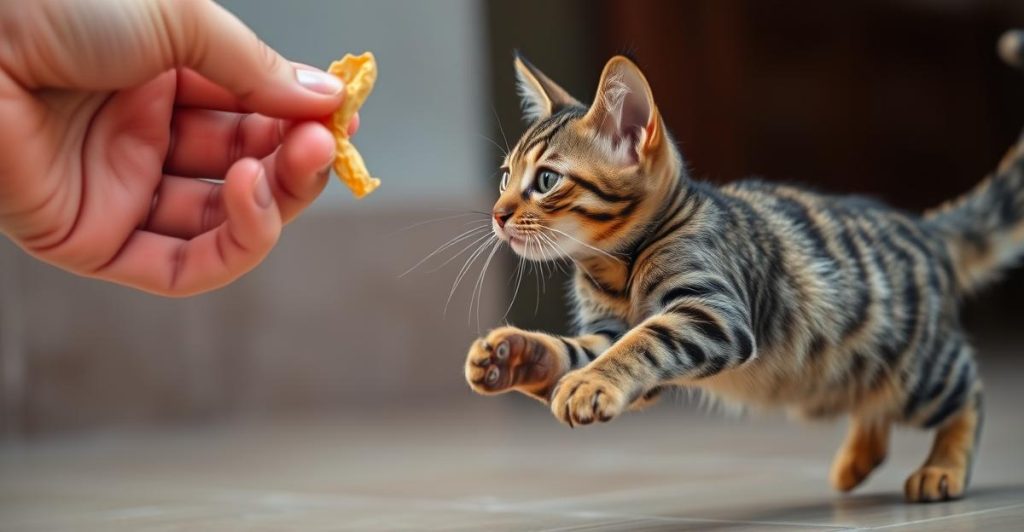
- Paper crinkle chase: A sheet of crinkly paper can become a mesmerizing target. Toss it gently and watch your kitten pounce with delight.
- Short, frequent sessions: Kittens have bursts of energy followed by naps. Aim for 5‑10 minute play bursts 3‑4 times a day to match their natural rhythm.
Remember, the goal isn’t to tire them out completely—just to channel their boundless energy into positive, confidence‑building activities.
Feeding Routines That Keep a Kitten Smiling
While we won’t dive into specific medical diets, establishing a consistent, joyful feeding routine supports overall wellness and reinforces the bond you share with your kitten.
- Scheduled meals: Offer small, frequent meals (about 4‑5 times daily) to match a kitten’s fast metabolism. Consistency helps them anticipate and look forward to mealtime.
- Fresh water stations: Place water bowls in multiple locations. Some kittens prefer a flowing fountain, which can encourage better hydration.
- Interactive feeding: Use a shallow puzzle feeder or scatter a few kibble pieces on a mat. This turns mealtime into a gentle mental workout.
- Positive reinforcement: Pair a soft “good job” tone or gentle petting with each successful bite, reinforcing a calm, happy eating experience.
When meals become a predictable, pleasant part of the day, your kitten learns to associate food with safety and affection, contributing to a happy kitten demeanor.
Grooming and Gentle Touch: Building Trust
Gentle grooming isn’t just about keeping a coat shiny; it’s an intimate ritual that deepens trust and provides a calming sensory experience.
- Introduce touch early: Begin with brief, soft strokes on the head and back while the kitten is relaxed. Gradually extend the session as they become comfortable.
- Playful brushing: Use a soft-bristle brush and turn it into a game—let the kitten “chase” the brush tip across the floor before you gently brush their fur.
- Ear and paw checks: Lightly massage the ears and paws during grooming. These areas are sensitive, so keep movements slow and soothing.
- Reward the calm: Offer a tiny treat or extra cuddle after a grooming session, reinforcing the idea that touch equals positive outcomes.
Consistent, low‑stress grooming sessions help a kitten feel secure, which is a cornerstone of overall happiness.
Socializing and Building Confidence
Kittens are social learners. Exposing them to a variety of gentle experiences early on helps them grow into well‑adjusted adult cats.
- Human interaction: Spend time each day holding, petting, and talking softly to your kitten. A calm voice can be reassuring.
- Other pets: If you have other animals, introduce them gradually using a barrier (like a baby gate) so the kitten can observe without feeling threatened.
- New sounds: Play low‑volume recordings of household noises—vacuum cleaners, doorbells, or gentle music—to acclimate the kitten to everyday sounds.
- Handling practice: Gently lift your kitten’s paws, ears, and tail for short periods. This prepares them for routine veterinary visits and grooming later on.
By weaving these confidence‑building moments into daily life, you set the stage for a resilient, happy kitten who navigates new situations with curiosity rather than fear.
Indoor vs. Outdoor Play Activities: A Quick Comparison
| Aspect | Indoor Play | Outdoor Play |
|---|---|---|
| Safety | Fully controlled environment; no traffic or predators. | Exposure to traffic, other animals, and weather. |
| Stimuli Variety | Limited to household items; can be enhanced with toys. | Natural scents, sounds, and moving objects provide rich stimulation. |
| Physical Exercise | Requires intentional play sessions to meet activity needs. | Opportunities for spontaneous running, jumping, and climbing. |
| Social Interaction | Easy to supervise and guide behavior. | Potential encounters with other cats and wildlife. |
| Convenience | Play can happen anytime, rain or shine. | Weather dependent; may need protective gear. |
Frequently Asked Questions
How often should I play with my kitten?
Short bursts of 5‑10 minutes, 3‑4 times a day, match a kitten’s natural energy cycles and keep them mentally and physically satisfied.
What are the best toys for a happy kitten?
Feather wands, crinkly paper, lightweight balls, and interactive puzzle feeders are excellent choices because they stimulate hunting instincts and encourage movement.
Can I let my kitten explore the outdoors?
While fresh air can be enriching, outdoor access should be supervised or provided via a secure, enclosed “catio” to keep the kitten safe from hazards.
How do I know my kitten feels comfortable during grooming?
A relaxed posture, slow blinking, and gentle purring are good signs. If the kitten flattens its ears or tries to move away, pause and try a shorter, softer session later.
Disclaimer: This article is intended for informational and entertainment purposes only. It does not replace professional veterinary advice. Always consult a qualified vet for your cat's health and dietary needs.