
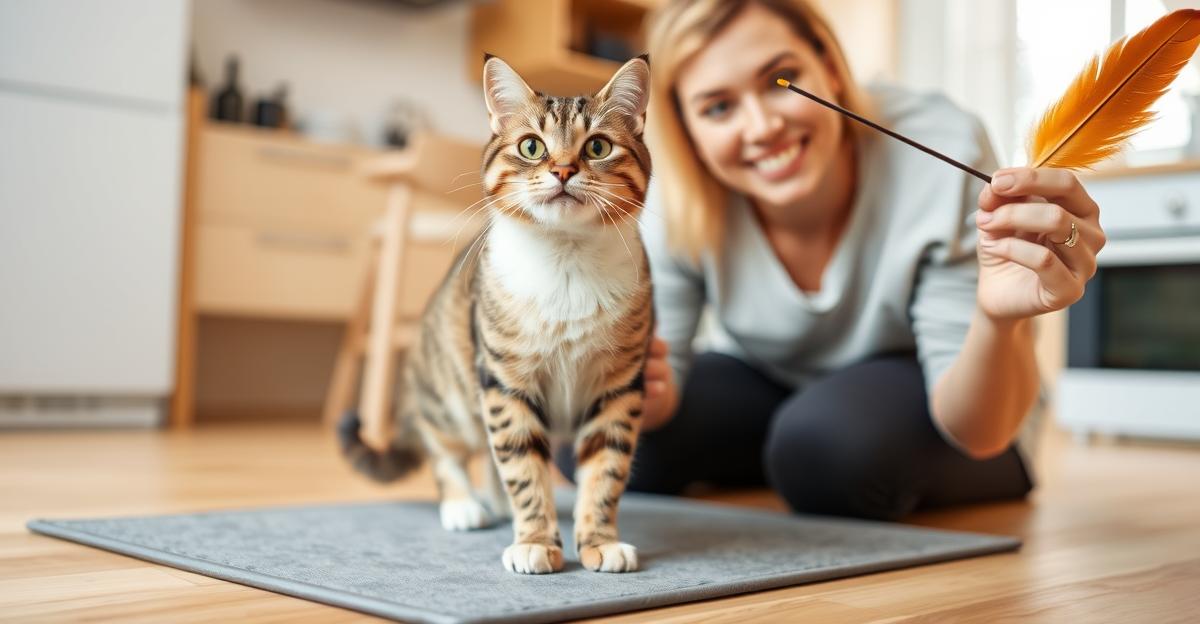
Ever watched a cat gracefully swipe a feather wand and thought, “If only I could teach my feline friend a real trick?” You’re not alone. Many cat owners believe that cats are too independent or aloof to learn anything beyond the classic “sit” or “high five.” The truth is, with just five minutes of playful patience, you can unlock a world of fun cat tricks that boost confidence, strengthen your bond, and keep your whiskered companion mentally sharp. In this guide, we’ll explore simple, step‑by‑step methods to teach cat tricks that feel like a game for both of you, all while promoting a happy, active lifestyle for your cat.
Why Teaching Tricks Is Good for Your Cat’s Wellness
Training isn’t just about showing off on social media; it’s a fantastic way to enrich your cat’s daily routine. When cats engage in short, rewarding challenges, they experience:
- Mental stimulation – problem‑solving keeps the brain active and reduces boredom.
- Physical activity – even a tiny jump or a quick spin gets muscles moving.
- Bonding time – positive interaction strengthens trust between you and your cat.
- Confidence building – mastering a new skill makes a cat feel accomplished.
All of these factors contribute to a happier, healthier cat who is less likely to develop stress‑related habits such as excess scratching or over‑grooming.
Setting the Stage: Preparing for a 5‑Minute Training Session
Before you dive into the tricks, create an environment that encourages focus and fun. Here’s how to set the perfect stage:
- Choose a quiet room – eliminate loud noises and distractions.
- Gather low‑stress treats – small pieces of cooked chicken, freeze‑dried fish, or commercial cat treats work well.
- Use a clicker or a consistent sound – a click, a soft “psst,” or a gentle tap can mark the exact moment your cat does the right thing.
- Keep sessions short – five minutes is ideal; cats have short attention spans.
- End on a positive note – always finish with a successful attempt and a treat.
Five Easy Cat Tricks You Can Teach in Just Five Minutes
1. The High Five
The high five is a crowd‑pleaser that looks impressive but is simple to teach.
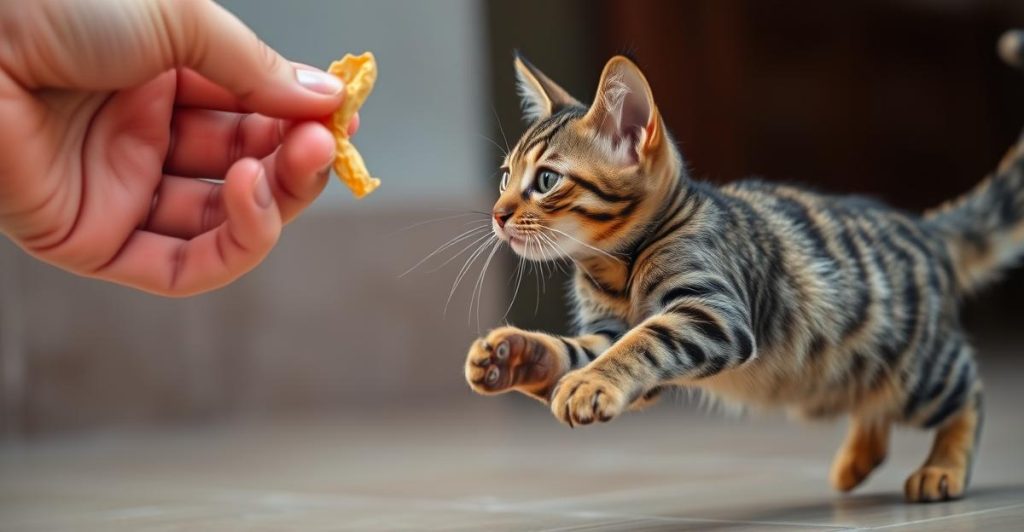
- Step 1: Hold a treat in your hand, palm up, and wait for your cat to paw at it.
- Step 2: When the paw touches your hand, click or say “yes!” and give the treat.
- Step 3: Gradually raise your hand a few inches higher, encouraging the cat to reach up.
- Step 4: Add the verbal cue “high five” just before offering the treat.
- Step 5: Practice for a few repetitions, then reward with extra playtime.
2. Spin Around
Spinning is a natural movement for cats who love to chase moving objects.
- Step 1: Hold a treat close to your cat’s nose, then slowly move it in a circle.
- Step 2: As the cat follows, click or say “yes!” the moment it completes a full circle.
- Step 3: Introduce the cue word “spin” just before you start moving the treat.
- Step 4: Reduce the treat’s visibility gradually, rewarding only the spin.
3. Sit on Command
Even though cats naturally sit, teaching a cue helps reinforce obedience.
- Step 1: Hold a treat above your cat’s head; the natural reaction is to sit.
- Step 2: As the cat sits, click and give the treat.
- Step 3: Add the word “sit” right before you present the treat.
- Step 4: Practice in short bursts, rewarding only when the cue is used.
4. Target Touch
Teaching your cat to touch a specific object (like a small wand) opens the door to more advanced tricks.
- Step 1: Place a sticky note or a small flat disc on the floor.
- Step 2: When the cat paws the target, click and reward.
- Step 3: Introduce a cue word such as “touch.”
- Step 4: Move the target to different locations to generalize the behavior.
5. Jump Through a Hoop
This trick adds a bit of circus flair without needing a full‑size hoop.
- Step 1: Use a lightweight hula hoop or a DIY cardboard ring.
- Step 2: Hold a treat on the other side of the hoop to lure the cat through.
- Step 3: As the cat passes, click and reward.
- Step 4: Add the cue “through” and gradually raise the hoop a few inches.
Choosing the Right Play Props for Quick Training Sessions
While treats and clicks are essential, the right toys and props can make a world of difference. Below is a quick comparison of two popular categories of training aids.
Prop Comparison: Interactive Toys vs. Simple Hand‑Held Tools
| Feature | Interactive Toys (e.g., laser pointer, feather wand) | Hand‑Held Tools (e.g., clicker, treat pouch) |
|---|---|---|
| Cost | Moderate – often $5‑$15 each | Low – clickers $3‑$7, pouch $2‑$5 |
| Portability | Variable – some require batteries | High – fits in pocket |
| Engagement Level | High – stimulates chase instincts | Medium – relies on treat motivation |
| Learning Curve | Requires timing coordination | Simple – click = mark |
| Best For | Active cats who love movement | Cats who respond well to food rewards |
Keeping Training Fun and Stress‑Free
Even a five‑minute session can become a source of frustration if the cat feels pressured. Follow these guidelines to ensure every training moment is a positive experience:
- Read body language – a relaxed tail, soft ears, and slow blinking mean your cat is comfortable.
- Stay patient – if your cat loses interest, pause and resume later.
- Mix in play – after a short training burst, let your cat chase a toy for a minute.
- Vary rewards – alternate treats with extra petting or a favorite crinkle ball.
- End with a win – always finish on a successful attempt to keep confidence high.
Building a Routine: From One Trick to a Full Cat Performance
Once your cat masters a single trick, you can string them together into a mini‑routine. Here’s a simple progression plan:
- Week 1: High five and sit – practice each for five minutes daily.
- Week 2: Add spin – integrate after the high five.
- Week 3: Introduce target touch – use it as a cue to start the routine.
- Week 4: Combine all tricks in a sequence, rewarding the whole performance.
By the end of the month, you’ll have a delightful cat showcase that not only entertains friends but also keeps your feline friend mentally agile and emotionally fulfilled.
FAQ
How long does it usually take for a cat to learn a new trick?
Most cats pick up a simple trick like “high five” within a few short sessions (5‑10 minutes each). Consistency and positive reinforcement are key; some cats may need a week or two to feel confident.
Can older cats learn tricks, or is this only for kittens?
Absolutely! Senior cats may move a bit slower, but they still enjoy mental challenges. Use gentler movements, extra patience, and reward with extra affection rather than only treats.
What if my cat loses interest during a session?
Take a break and try again later. Short, frequent sessions (2‑3 minutes) often work better than a single long one. Switching to a different toy or treat can rekindle curiosity.
Do I need special equipment to start training?
No fancy gear is required. A clicker or a small treat pouch, a few tasty treats, and a favorite toy are enough to begin. The comparison table above can help you decide which simple tools fit your cat’s personality best.
Disclaimer: This article is intended for informational and entertainment purposes only. It does not replace professional veterinary advice. Always consult a qualified vet for your cat's health and dietary needs.