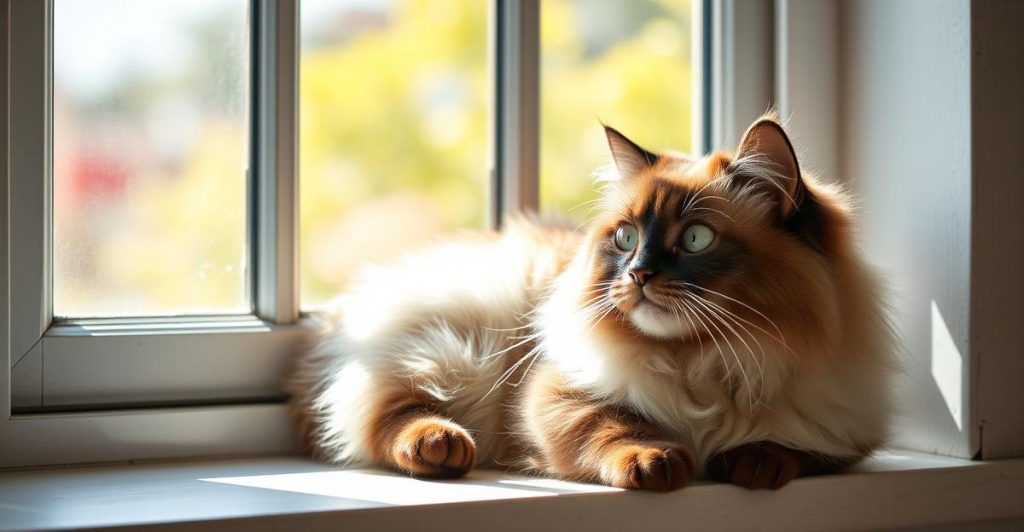

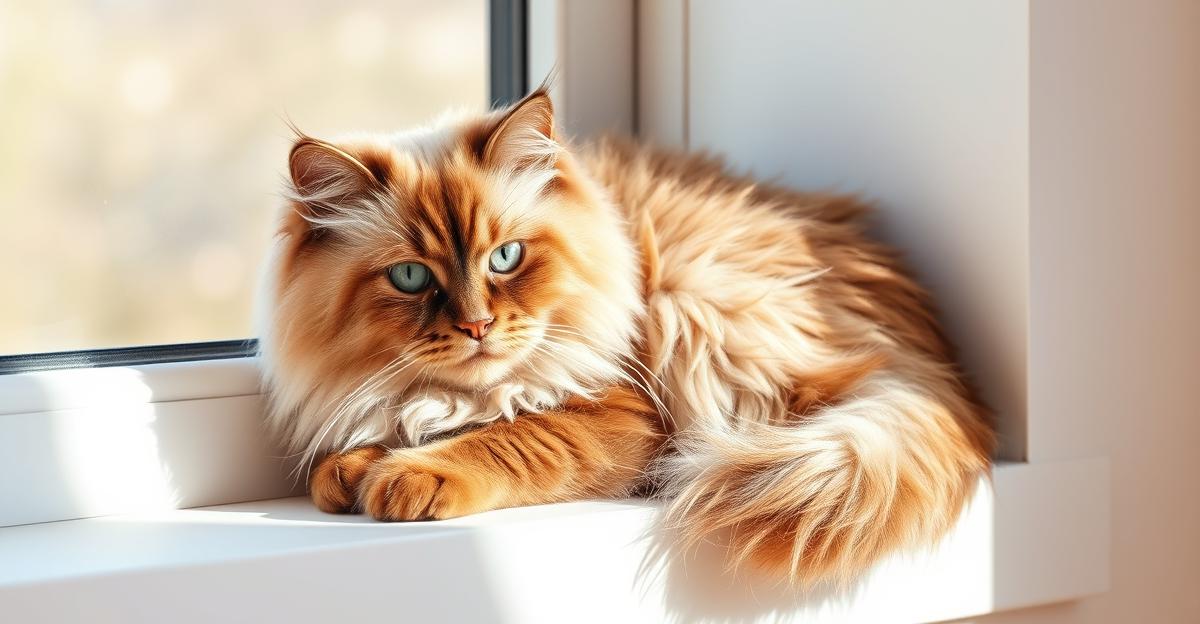
Discover the Playful Charm of the Ragdoll Cat Breed
Imagine a cat that greets you with a gentle “flop” onto your lap, eyes half‑closed in bliss, and a soft, plush coat that feels like a living pillow. That’s the everyday magic of a Ragdoll cat. Whether you’re a seasoned cat parent or just curious about this affectionate breed, you’re about to dive into a world of calm companionship, playful antics, and easy‑going charm. Let’s explore why the Ragdoll’s laid‑back personality and striking looks have captured the hearts of cat lovers everywhere.
History and Origins: From Hollywood Set to Living Room Star
The Ragdoll’s story begins in the 1960s with a California breeder named Ann Baker, who was inspired by a particularly docile male cat named Joseph. Joseph’s tendency to go limp when picked up reminded Baker of a rag doll—hence the name. Over the next few decades, selective breeding emphasized the breed’s signature traits: large size, striking blue eyes, semi‑long silky fur, and a temperament that leans toward gentle “dog‑like” behavior.
What started as a niche hobby quickly caught the attention of movie producers looking for a photogenic, calm cat that could stay still on set. By the 1980s, the Ragdoll was making cameo appearances in television commercials and family films, solidifying its reputation as a camera‑friendly companion. Today, the breed is recognized worldwide by major cat registries, and its popularity continues to soar thanks to its combination of striking looks and easy‑going personality.
Personality Traits that Make Ragdolls Irresistible
If you’ve ever watched a Ragdoll interact with its family, you’ll notice a few standout characteristics that set this breed apart from the typical feline archetype.
- Gentle “floppy” nature: When you pick up a Ragdoll, it often relaxes its muscles, giving the impression of a plush toy.
- People‑oriented: Ragdolls love being close to their humans, following them from room to room and seeking out laps for a snooze.
- Quiet vocalizations: Instead of loud meows, they tend to emit soft, melodic chirps when they want attention.
- Playful curiosity: Despite their relaxed demeanor, they enjoy interactive toys, feather wands, and puzzle feeders.
- Low aggression: They rarely display territorial aggression, making them excellent companions for other pets.
These traits make the Ragdoll a perfect fit for families, seniors, and anyone looking for a cat that blends playfulness with a calm, reassuring presence.
Living with a Ragdoll: Home Environment and Enrichment
A happy Ragdoll thrives in an environment that balances comfort with stimulation. Below are practical tips to create a cat‑friendly space that encourages both relaxation and healthy activity.
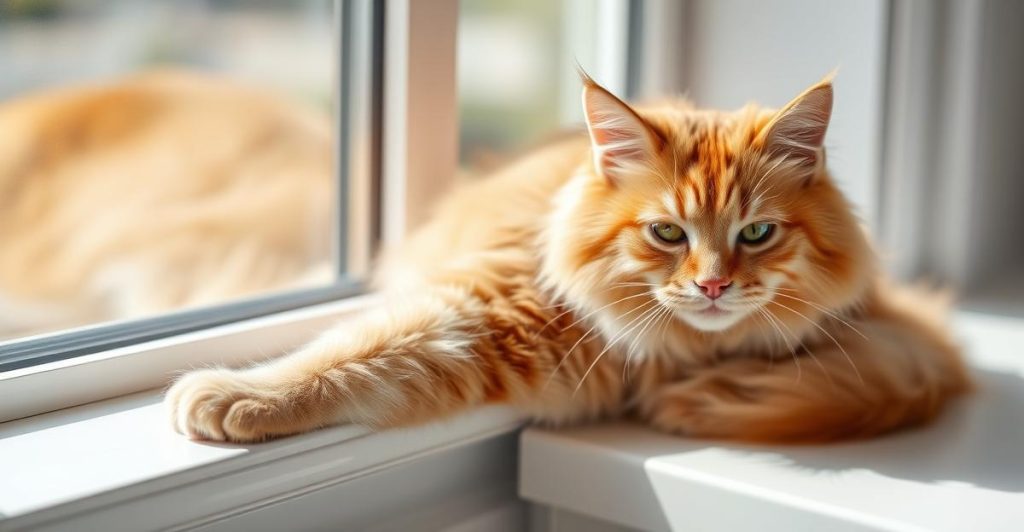
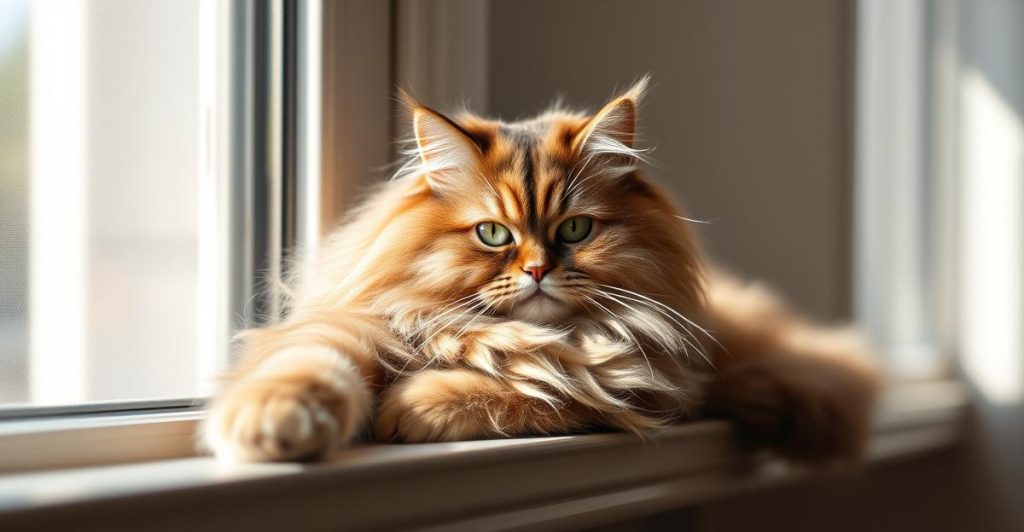
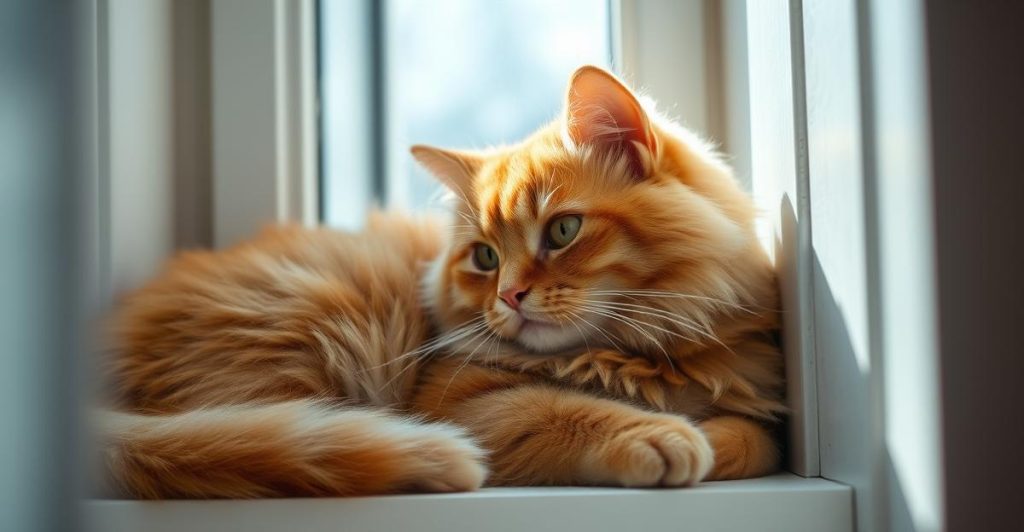
- Cozy resting spots: Provide multiple soft beds—think plush blankets, a padded window perch, or a cat cave—so your Ragdoll can choose its favorite napping nook.
- Vertical territory: Install sturdy cat trees or wall‑mounted shelves. Even though Ragdolls are not the most agile climbers, they enjoy observing from a height.
- Interactive play zones: Dedicate a corner for toys, feather wands, and laser pointers. Rotate toys weekly to keep curiosity alive.
- Safe indoor access: If you have a secure patio or balcony, consider a cat‑proof enclosure where your Ragdoll can enjoy fresh air without risk.
- Gentle background noise: Soft music or a white‑noise machine can create a calming atmosphere, especially during thunderstorms or fireworks.
Remember, Ragdolls love routine. Keeping feeding, play, and cuddle times consistent helps them feel secure and content.
Grooming and Daily Care for a Happy Ragdoll
One of the most rewarding aspects of caring for a Ragdoll is the ritual of grooming. Their semi‑long, silky coat is relatively low‑shedding, but regular attention keeps it looking glossy and reduces matting.
- Brushing schedule: Aim for a gentle brush 2–3 times per week using a wide‑toothed comb. This removes loose hair and distributes natural oils.
- Nail trimming: Trim the outer third of each nail every 2–3 weeks. Ragdolls are not heavy scratchers, but regular trims protect furniture and keep paws comfortable.
- Dental care: Offer dental treats or a soft silicone chew toy a few times a week to help maintain fresh breath and gum health.
- Hydration reminders: Place a fresh water bowl in a quiet corner and consider a cat water fountain to encourage sipping throughout the day.
- Regular check‑ins: Spend a few minutes each day observing your Ragdoll’s coat, eyes, and ears. A quick visual scan helps you catch any changes early.
These simple habits reinforce the bond between you and your cat while promoting overall wellness and a glossy appearance.
Playtime and Training Tips: Keeping Your Ragdoll Engaged
Although Ragdolls are known for their relaxed demeanor, they still have a playful side that flourishes with the right encouragement. Below are strategies to turn everyday moments into enriching experiences.
- Interactive wand toys: Use feather or ribbon wands to mimic the movement of birds. Ragdolls love the gentle chase and will often “catch” the toy with their paws.
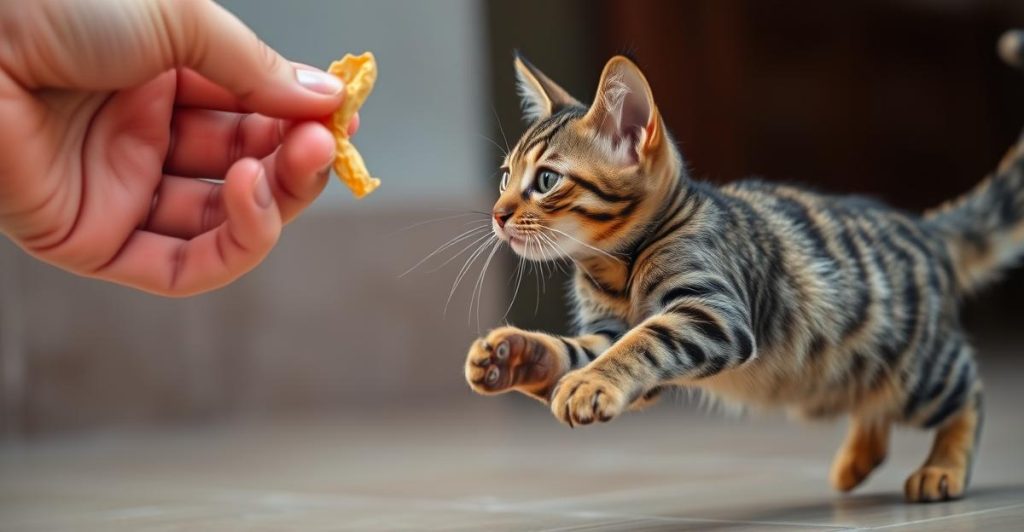
- Laser pointer fun: Move the dot slowly across the floor and let your cat pounce. End each session by pointing the laser to a treat, giving a sense of achievement.
- Puzzle feeders: Fill a treat‑dispensing ball with small kibble pieces. This provides mental stimulation and slows down eating.
- Clicker training: Teach simple commands like “sit” or “high five” using a clicker and a favorite treat. Ragdolls respond well to positive reinforcement.
- Gentle fetch: Some Ragdolls enjoy retrieving soft toys. Toss a lightweight plush mouse and encourage them to bring it back.
Consistency is key. Short, frequent play sessions (5–10 minutes) several times a day keep your Ragdoll’s muscles supple and mind sharp without overwhelming their calm nature.
Choosing the Right Ragdoll Companion: What to Look For
When you’re ready to welcome a Ragdoll into your home, consider the following factors to ensure a perfect match.
- Age: Kittens are adorable and full of energy, but adult Ragdolls often have already established their laid‑back temperament, making them easier to integrate.
- Color points: Ragdolls come in several point patterns—seal, blue, chocolate, lilac, and more. Choose a hue that resonates with your aesthetic preferences.
- Temperament assessment: Spend time with the cat before adoption. A true Ragdoll will relax in your lap and display a soft purr.
- Breeder reputation: Look for breeders who prioritize health screenings, socialization, and transparent lineage records.
- Compatibility with other pets: If you have other cats or dogs, arrange a supervised introduction. Ragdolls typically adapt well to multi‑pet households.
By taking the time to evaluate these aspects, you’ll set the stage for a lifelong friendship built on trust, affection, and endless cuddles.
Indoor vs. Outdoor Play Activities for Ragdoll Cats
| Activity | Benefits | Considerations |
|---|---|---|
| Window perch gazing | Stimulates curiosity, provides sunlight, gentle exercise for neck muscles | Ensure window is securely screened; avoid direct drafts |
| Interactive wand play | Improves coordination, strengthens bond, burns mild energy | Keep sessions short (5‑10 min) to match Ragdoll’s relaxed stamina |
| Cat tunnel exploration | Encourages natural hiding behavior, offers low‑impact cardio | Choose a tunnel with soft fabric to protect delicate paws |
| Secure balcony enclosure | Fresh air, natural scents, visual stimulation | Must be fully cat‑proofed; supervise initially |
| Gentle fetch with plush toys | Boosts mental focus, provides light physical activity | Use lightweight toys to avoid strain on joints |
Frequently Asked Questions
Do Ragdoll cats get along with other pets?
Yes, Ragdolls are known for their sociable nature. They usually get along well with other cats and even gentle dogs, especially when introductions are done slowly and under supervision.
How much grooming does a Ragdoll need?
A Ragdoll’s semi‑long coat benefits from brushing 2–3 times per week to prevent tangles and keep the fur glossy. Occasional baths are optional and can be given if the cat gets particularly dirty.
Are Ragdolls good for families with children?
Absolutely. Their tolerant temperament and love of gentle handling make them ideal companions for kids who are taught to respect the cat’s space and signals.
What is the typical lifespan of a Ragdoll?
With proper care, regular wellness checks, and a balanced lifestyle, Ragdolls often enjoy a happy life of 12‑15 years.
Disclaimer: This article is intended for informational and entertainment purposes only. It does not replace professional veterinary advice. Always consult a qualified vet for your cat's health and dietary needs.