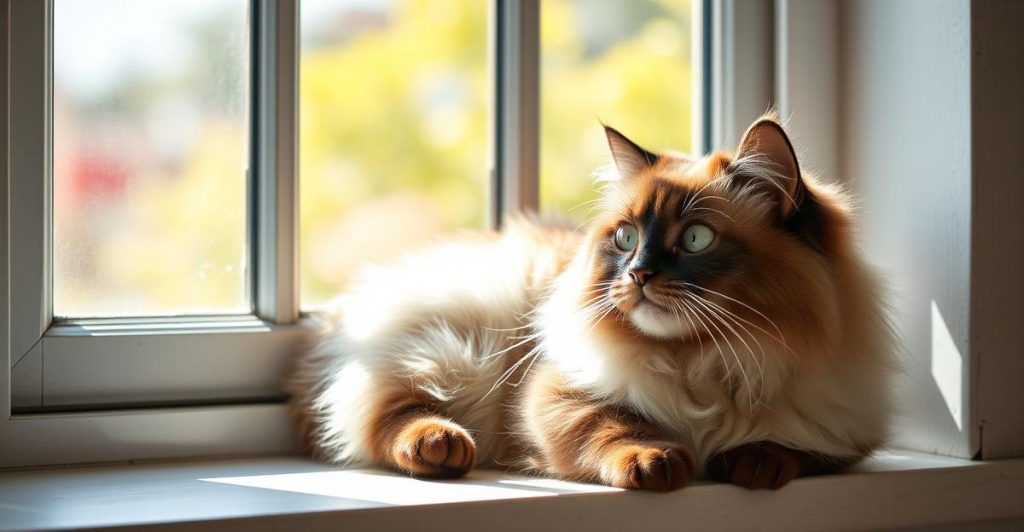

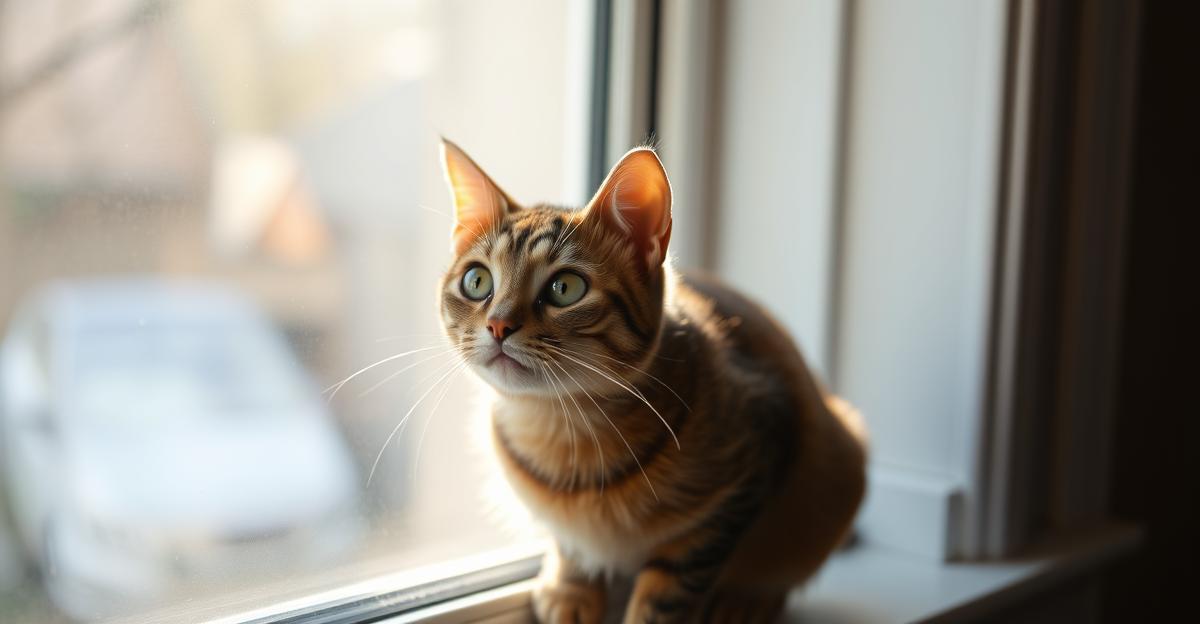
Ever caught your feline friend locked in a silent, unblinking gaze at an empty corner, a wall, or even the air? You’re not alone. Many cat owners have wondered why their whiskered companions can spend minutes—sometimes hours—engaged in what appears to be a mysterious “cat stare.” While it can feel puzzling, this behavior is often a window into your cat’s curious mind, natural instincts, and desire for mental stimulation. Understanding the reasons behind the stare not only deepens the bond between you and your cat but also opens up creative ways to turn those seemingly idle moments into enriching playtime that promotes happiness, confidence, and overall wellness.
The Mystery Behind the Cat Stare
Cats are natural hunters, and their ancestors spent countless hours watching prey from a distance before making a pounce. Even the most pampered indoor cat retains this instinctual habit. When a cat fixes its eyes on what looks like “nothing,” it may actually be focusing on subtle movements, sounds, or shadows that are imperceptible to us.
Key reasons for a cat stare include:
- Heightened senses: Cats can detect tiny vibrations, faint sounds, and minute changes in light that humans often miss.
- Territorial monitoring: A vigilant cat keeps an eye on its domain, ensuring no surprise guests (real or imagined) slip in.
- Play anticipation: The stare can be a prelude to a burst of energy, especially if the cat has been idle for a while.
- Comfort and curiosity: Some cats simply enjoy watching the world’s subtle dance, which can be soothing and mentally stimulating.
Recognizing these motivations helps you respond with appropriate enrichment, turning a mysterious moment into a chance for interactive fun.
What Your Cat Is Really Seeing
While it may seem like your cat is staring at empty space, their world is packed with stimuli that we often overlook. Here are a few hidden elements that might capture a cat’s attention:
- Micro‑movements: A tiny dust mote drifting in a sunbeam, a flicker of a spider’s web, or the subtle sway of a curtain can become a captivating target.
- Sound frequencies: Cats hear higher pitches than humans. A distant chirp, the hum of a refrigerator, or the faint rustle of a mouse in the walls can trigger a focused stare.
- Air currents: A gentle draft may cause a light object to move, prompting a cat to lock on and track the motion.
- Reflections and shadows: Sunlight reflecting off a polished floor or a shadow cast by a passing car can look like a moving “prey” to a cat.
Understanding that the “nothing” is often something subtle can guide you in creating more visible, engaging toys that mimic these natural triggers.
Turning the Stare into Interactive Play
When you notice a cat stare, you have a golden opportunity to spark a playful interaction. Below are practical steps to transform a passive stare into an active game that satisfies your cat’s hunting instincts while strengthening your bond.
- Use a wand toy: Gently wave a feather‑tipped wand in the direction of the stare. Move it slowly at first, then increase speed to mimic prey movement.
- Introduce laser pointers: A slow, deliberate laser dot can capture the same attention. Remember to end the session with a tangible toy so your cat can “catch” something.
- Play “peek‑a‑boo” with a cardboard box: Place a box nearby and slowly open a flap, revealing a hidden toy. Cats love the surprise element.
- Sound‑based toys: Toys that emit soft rustling or crinkling noises can replicate the auditory cues that often trigger a stare.
- Rotate toys regularly: Changing the type of toy every few days keeps the environment fresh and prevents boredom.
These activities not only channel the cat’s focus into constructive play but also provide essential exercise, mental stimulation, and a sense of achievement.
Enriching the Environment for Curious Cats
Beyond spontaneous play, a well‑designed environment can reduce excessive staring by offering constant, varied stimuli. Below are easy-to‑implement enrichment ideas that keep your cat’s senses engaged throughout the day.
- Window perches: Install a comfortable ledge near a sunny window. Add a bird feeder outside to create a live “nature show.”
- Vertical spaces: Cat trees, shelves, and climbing posts encourage climbing, surveying, and occasional “stare‑down” from higher ground.
- Interactive feeders: Puzzle bowls that release kibble slowly turn mealtime into a problem‑solving activity.
- Rotating scent stations: Place a few cat‑mint or valerian‑infused toys in different rooms each week to stimulate the olfactory sense.
- DIY “hunt” zones: Scatter crumpled paper balls or treat‑filled socks around the house for your cat to discover.
By diversifying the sensory landscape, you give your cat plenty of opportunities to explore, investigate, and satisfy the curiosity that often manifests as a cat stare.
Building a Routine That Keeps Their Eyes Happy
Consistency is key to a cat’s sense of security and overall wellness. A predictable daily rhythm helps reduce anxiety, which can sometimes manifest as prolonged staring. Here’s a sample routine that blends feeding, play, and relaxation:
- Morning (7–9 am): Offer a light breakfast, followed by a short interactive play session using a wand toy.
- Mid‑day (12–2 pm): Refresh water bowls, rotate a puzzle feeder, and open a window perch for sunlight and bird‑watching.
- Afternoon (3–5 pm): Engage in a brief “chase” game with a laser pointer or a motorized mouse.
- Evening (6–8 pm): Serve dinner, then settle into a calm cuddle session on a soft blanket or cat bed.
- Night (9–10 pm): Provide a final burst of play to expend any lingering energy, followed by a quiet environment for rest.
Adjust the timing to fit your lifestyle, but aim for at least two dedicated play periods daily. This structure not only satisfies physical needs but also gives mental outlets for the instinctual “watch‑and‑wait” moments that lead to the cat stare.
Indoor vs Outdoor Play Activities Comparison
| Activity | Indoor Benefits | Outdoor Benefits |
|---|---|---|
| Laser Pointer Chase | Safe, controlled environment; easy to clean up; perfect for small spaces. | Can be combined with fresh air; stimulates natural hunting instincts in a larger arena. |
| Bird‑watching Window Perch | Provides visual stimulation without leaving the house; reduces risk of escape. | Allows real‑time interaction with live birds; adds natural sounds and movement. |
| DIY Cardboard Fort | Encourages exploration and hide‑and‑seek; inexpensive and customizable. | Can be placed in a safe garden area for added scent variety and sunlight. |
| Interactive Puzzle Feeder | Promotes mental challenge during meals; easy to monitor portion sizes. | Can be used outdoors on a patio, adding fresh air while the cat works for food. |
| Fetch with Soft Toys | Great for limited spaces; easy to retrieve and store. | Provides more running distance; engages muscles in a varied terrain. |
Frequently Asked Questions
Why does my cat stare at a blank wall?
Walls can reflect subtle changes in light, temperature, or even the movement of insects behind the surface. Your cat’s keen senses pick up these cues, prompting a focused stare that is often a sign of curiosity rather than concern.
Can I use a laser pointer safely?
Yes, when used responsibly. Keep the laser moving slowly at first, then increase speed to mimic prey. Always finish the session with a physical toy so your cat can “catch” something, preventing frustration.
How often should I engage my cat in play?
Most cats benefit from at least two short play sessions (5–10 minutes each) daily. Adjust the frequency based on your cat’s age, energy level, and interest. Younger, more active cats may enjoy longer or more frequent sessions.
Is my cat’s stare ever a sign of stress?
Occasional staring is normal and usually harmless. However, if the stare is accompanied by other signs of anxiety—such as excessive grooming, hiding, or vocalization—consider evaluating the environment for stressors and consult a veterinarian for guidance.
Disclaimer: This article is intended for informational and entertainment purposes only. It does not replace professional veterinary advice. Always consult a qualified vet for your cat's health and dietary needs.