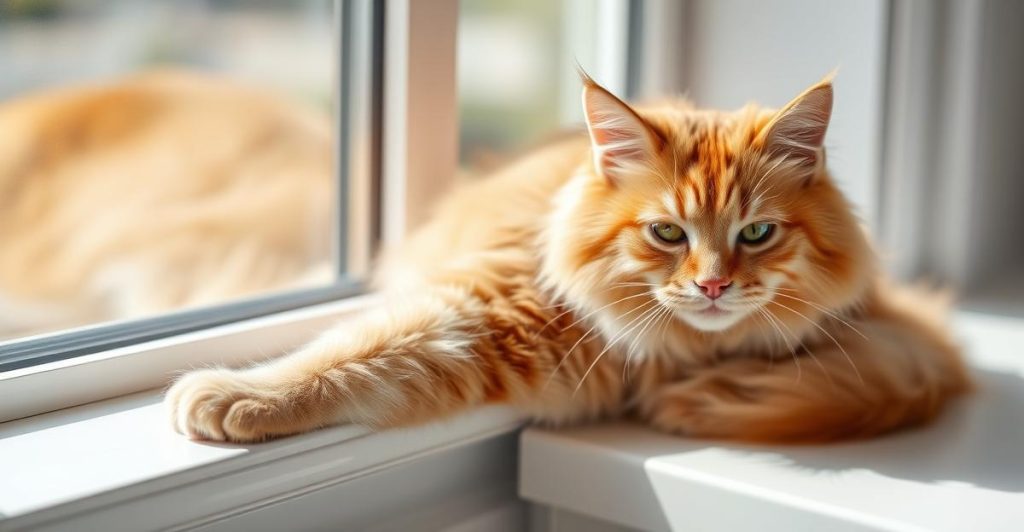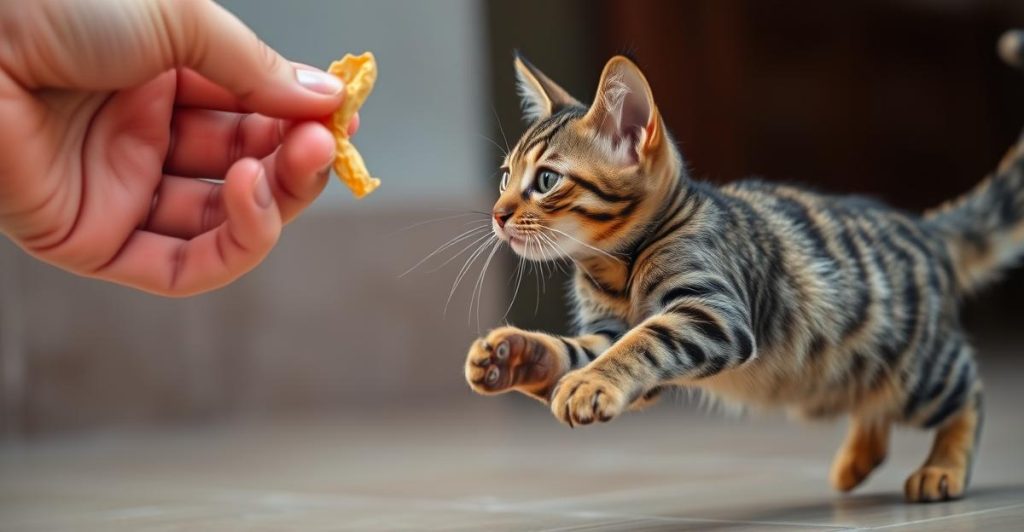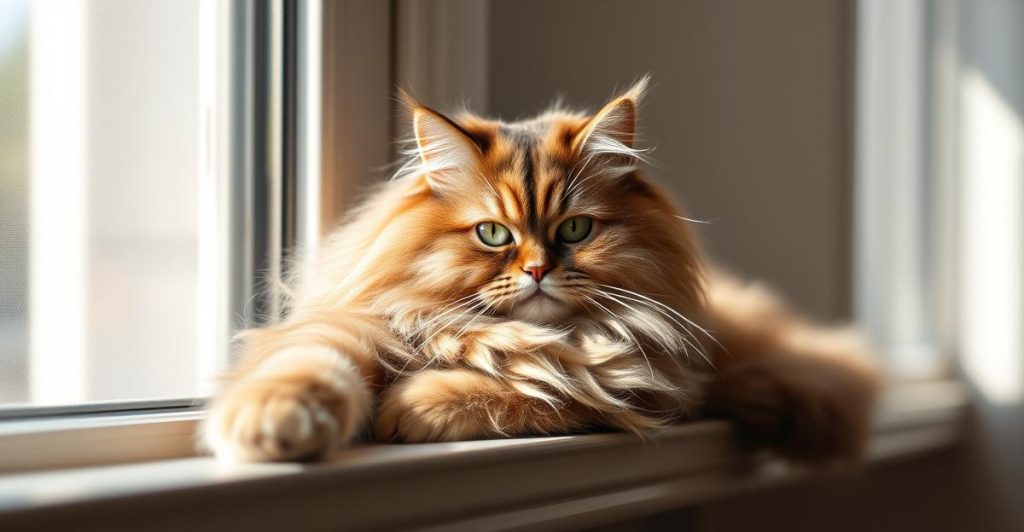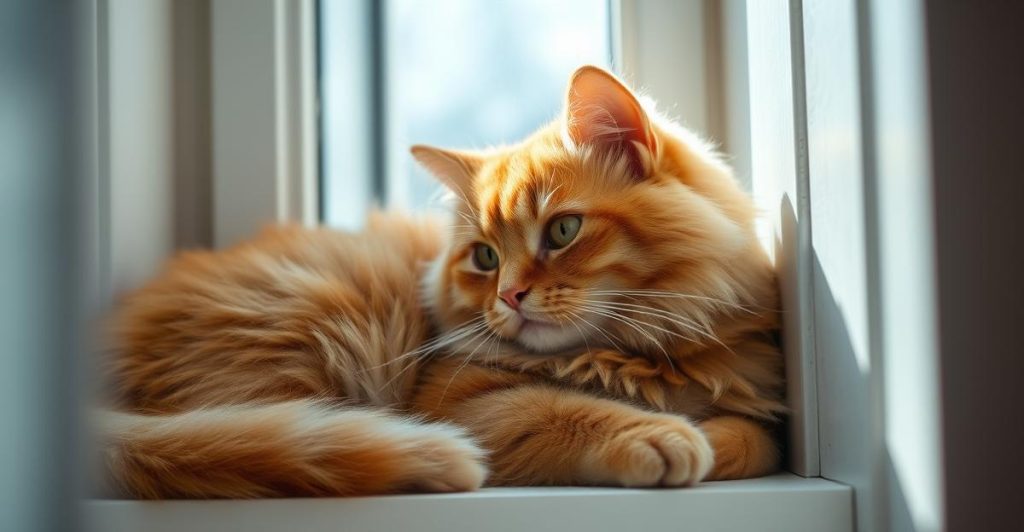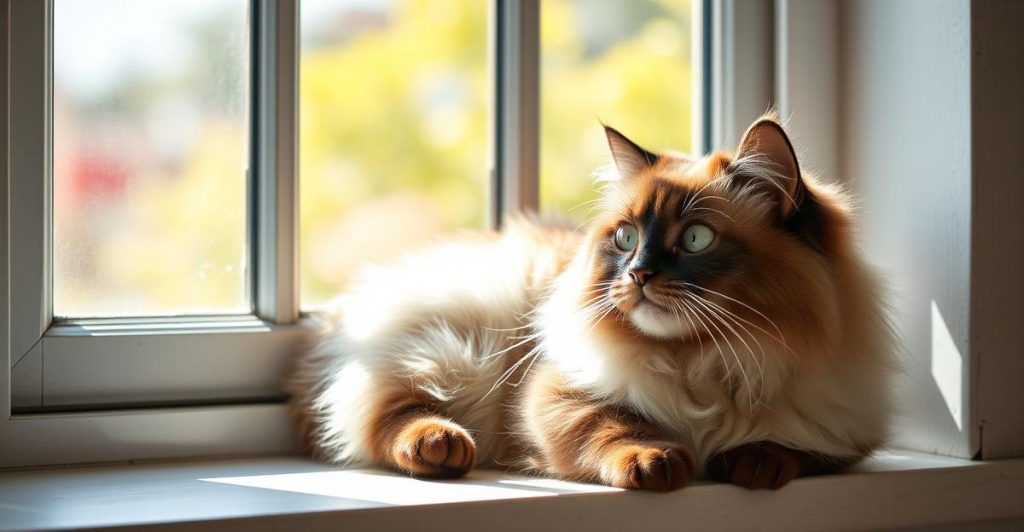

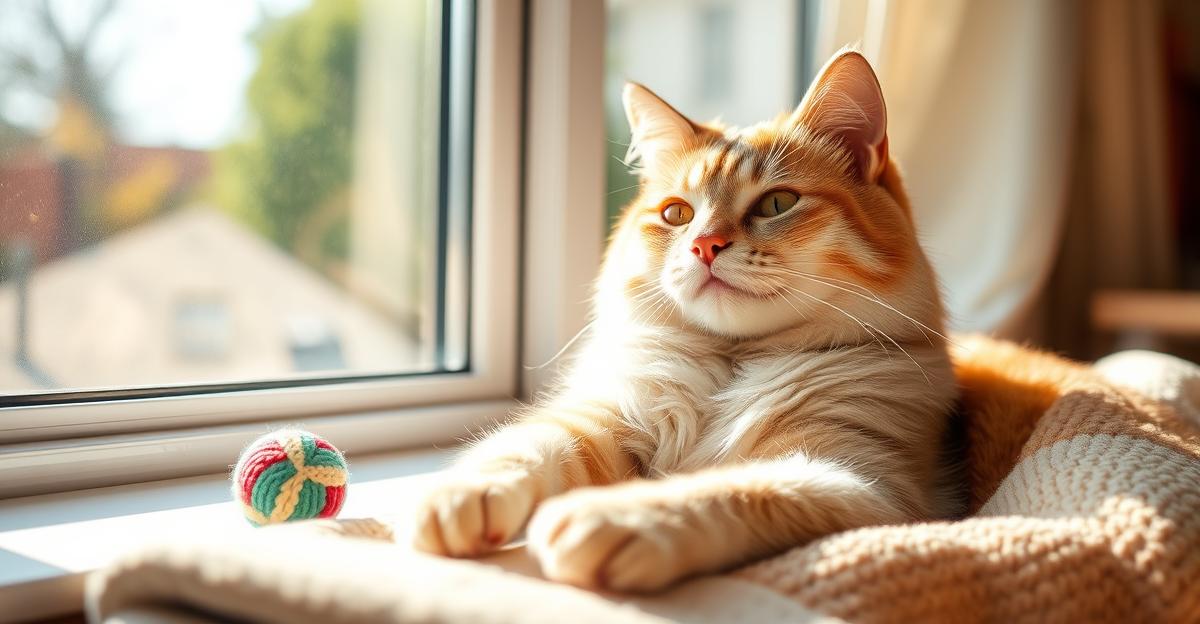
There’s nothing quite like the soft purr of a content cat curled up in a sunny spot, eyes half‑closed, tail gently swaying. That serene picture is the ultimate sign of cat happiness, and every cat parent wants to create more moments like it. Whether you’re a seasoned cat lover or a newcomer to feline companionship, the daily choices you make can turn ordinary routines into joyful experiences that keep your whiskered friend thriving. Below are ten simple, research‑backed ways to nurture a happy, healthy cat—no medical jargon, just practical, feel‑good tips that fit seamlessly into your life.
1. Create a Safe and Stimulating Environment
Cats are natural explorers, but they also cherish security. A balanced environment offers hidden nooks for retreat, vertical spaces for observation, and a variety of textures to satisfy their curious paws.
- Vertical territories: Install sturdy cat trees, wall shelves, or window perches. A high perch lets your cat watch the world, reducing stress and boosting confidence.
- Cozy hideaways: Cardboard boxes, fabric tunnels, or a soft blanket in a quiet corner become favorite “secret bases” where a cat can unwind.
- Varied textures: Scatter a mix of sisal rope, carpet runners, and smooth wood surfaces across the floor. Changing textures keeps paws engaged and encourages gentle stretching.
- Safe outdoor access: If you have a secure balcony or a catio, let your cat experience fresh air and sunshine while staying protected from hazards.
By thoughtfully arranging these elements, you give your cat the freedom to explore while feeling secure—a cornerstone of lasting cat happiness.
2. Playtime: The Heartbeat of Cat Happiness
Play isn’t just a pastime; it’s a vital outlet for a cat’s instinctual hunting drive. Regular, interactive sessions keep muscles toned, minds sharp, and spirits bright.
- Short, frequent bursts: Aim for 5‑10 minute play bouts 2‑3 times a day. Cats naturally prefer multiple quick sessions over one long marathon.
- Feather wands and laser pointers: These mimic the erratic movement of prey, encouraging pouncing, leaping, and sprinting.
- Puzzle toys: Treat‑dispensing balls or sliding puzzles stimulate problem‑solving skills while rewarding effort with a tasty surprise.
- Rotate toys: Keep the excitement fresh by swapping out toys every week. A familiar toy can become “new” again when reintroduced.
Remember, the goal is to let your cat’s natural hunter shine. Celebrate each triumphant capture with gentle praise or a soft “good job” to reinforce the positive experience.
3. Grooming Rituals That Strengthen Bond
Grooming is more than hygiene; it’s a soothing ritual that deepens trust between you and your cat. Regular brushing reduces loose fur, prevents matting, and provides a calming massage.
- Choose the right brush: A soft bristle brush works well for short‑haired cats, while a slicker or de‑shedding tool is ideal for longer coats.
- Gentle strokes: Follow the direction of hair growth, using slow, rhythmic motions. This mimics a mother cat’s grooming and signals safety.
- Make it a routine: Pick a consistent time—perhaps after dinner or before bedtime—so your cat knows what to expect.
- Include ear and nail care: Light ear wipes with a damp cloth and regular nail trims (if your cat tolerates them) round out a complete grooming session.
Many cats will start to purr or knead during a grooming session, signs that they’re relaxed and enjoying the attention—a clear indicator of cat happiness.
4. Feeding Routines that Boost Mood
Food is a daily celebration for cats. Structuring meals to align with their natural hunting rhythm can improve satisfaction and overall well‑being.
- Multiple small meals: Offer 2‑3 modest portions throughout the day instead of one large bowl. This mirrors the frequent, small catches a wild cat would make.
- Fresh water everywhere: Place water bowls in several locations, or consider a pet water fountain. Moving water entices cats to drink more, supporting hydration.
- Interactive feeders: Puzzle feeders turn mealtime into a mental challenge, slowing eating speed and adding enrichment.
- Occasional treats: Small, cat‑safe treats during training or play reinforce positive behavior without overfeeding.
Consistency is key—feed at the same times each day, and avoid sudden changes in food type or bowl placement. A predictable schedule helps your cat feel secure and content.
5. Enriching Social Interactions
While cats are often labeled as solitary, many crave meaningful connections—both with humans and, when appropriate, with other feline companions.
- Gentle petting zones: Most cats love chin, cheek, and forehead rubs. Observe your cat’s preferences and avoid the belly unless you know they enjoy it.
- Talk to your cat: Soft, calm vocal tones can be soothing. Some cats respond to their name or simple “hello” cues.
- Introduce a companion wisely: If you consider adding another cat, choose a compatible personality and allow a gradual, supervised introduction.
- Play with humans: Interactive games where you both move a toy encourage bonding and provide mental stimulation.
Positive social experiences reinforce a sense of belonging, a subtle yet powerful contributor to cat happiness.
6. Monitoring Mood Through Body Language
Understanding your cat’s subtle signals lets you respond proactively, keeping their emotional environment balanced.
- Tail language: A gently swaying tail often indicates curiosity, while a puffed tail signals alertness or mild excitement.
- Ears and eyes: Forward‑facing ears and slow blinking are signs of relaxation; flattened ears or wide pupils may suggest overstimulation.
- Vocal cues: Soft chirps or trills often accompany playful moods, whereas low‑growling tones may signal discomfort.
- Posture: A relaxed, stretched-out body on a favorite perch indicates contentment; a crouched, low‑to‑ground stance may mean the cat is feeling cautious.
By learning these cues, you can adjust the environment—perhaps offering a new toy, a quiet space, or a gentle petting session—to maintain a harmonious, happy home.
Comparison Table: Indoor vs. Outdoor Play Activities
| Aspect | Indoor Play | Outdoor Play |
|---|---|---|
| Safety | Controlled environment, no traffic or predators. | Exposure to cars, wildlife, and weather. |
| Stimulation | Variety of toys, puzzles, and interactive sessions. | Natural scents, birds, and moving shadows. |
| Exercise Intensity | Can be tailored with climbing structures and laser play. | Often higher due to open space and chasing insects. |
| Supervision | Easy to monitor closely. | Requires secure enclosure or harness for safety. |
| Impact on Mood | Consistent, predictable enrichment. | Exciting novelty, but may cause overstimulation. |
Frequently Asked Questions
What are the best signs that my cat is truly happy?
Look for slow blinking, relaxed posture, gentle purring, and a soft, swaying tail. A cat that kneads or lightly “head‑butts” you is also expressing contentment.
How often should I change my cat’s toys to keep them interested?
Rotate toys every 7‑10 days. Introducing a “new” toy after a short break can reignite curiosity and encourage more active play.
Can I use music or sounds to improve my cat’s mood?
Yes! Soft classical music or specially designed cat‑calming playlists can create a soothing atmosphere, especially during stressful events like moving or a visit to the vet.
Is it okay to let my cat sleep on my bed?
Absolutely—if both you and your cat enjoy the closeness. Sharing a sleeping space can strengthen the bond and provide a sense of security for your cat.
Disclaimer: This article is intended for informational and entertainment purposes only. It does not replace professional veterinary advice. Always consult a qualified vet for your cat's health and dietary needs.