
10 Simple Ways to Keep Your Cat Joyfully Active
There’s nothing quite like watching a happy cat dart across the living room, pounce on a feather wand, or curl up in a sun‑lit spot after a satisfying sprint. Those moments of pure feline bliss are the reward for any cat parent who invests a little time and creativity into daily routines. In this guide we’ll explore ten practical, low‑stress strategies that turn ordinary days into playful adventures, helping your whiskered companion stay lively, curious, and content. By focusing on enrichment, movement, and positive interaction, you’ll nurture a happy cat who thrives on both mental stimulation and physical activity.
1. Design a Play‑Friendly Environment
Before you even pick up a toy, think about the spaces your cat already loves. Cats are natural explorers, and a well‑thought‑out environment can turn a simple room into a wonderland of movement.
- Vertical real estate: Install sturdy cat trees, wall‑mounted shelves, or even a simple bookshelf that can double as a climbing perch. The higher the view, the more confident and active your cat feels.
- Safe pathways: Clear narrow corridors or create a “cat runway” using low‑profile ramps. This encourages your cat to stroll, stretch, and practice balance.
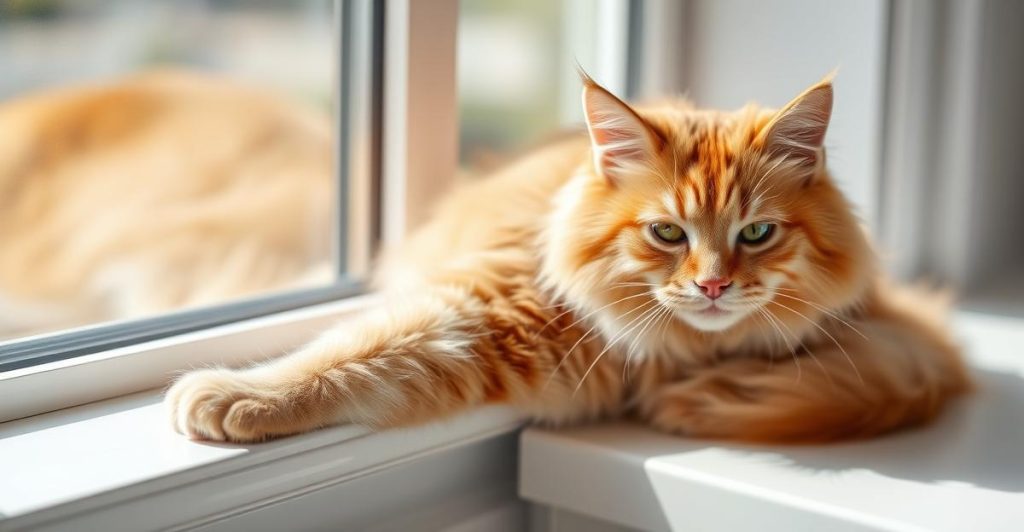
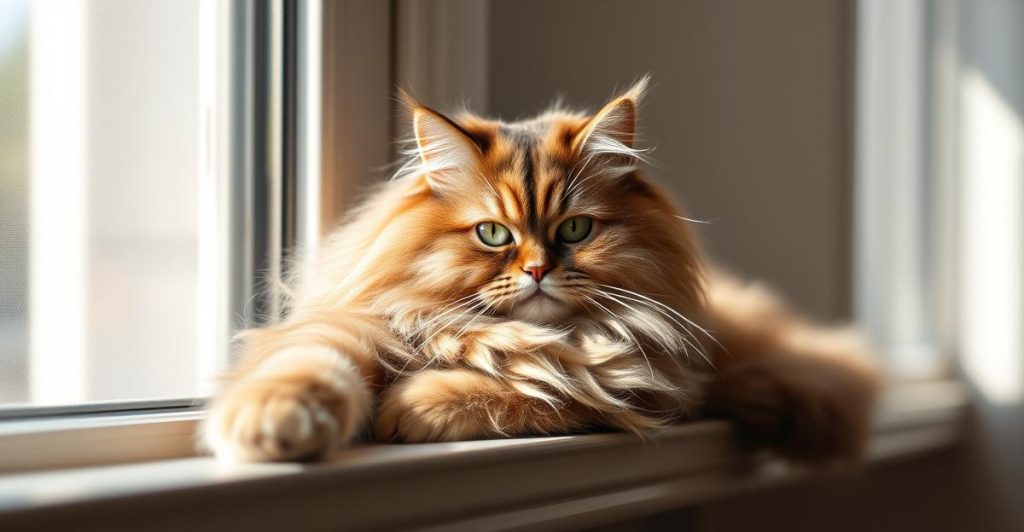
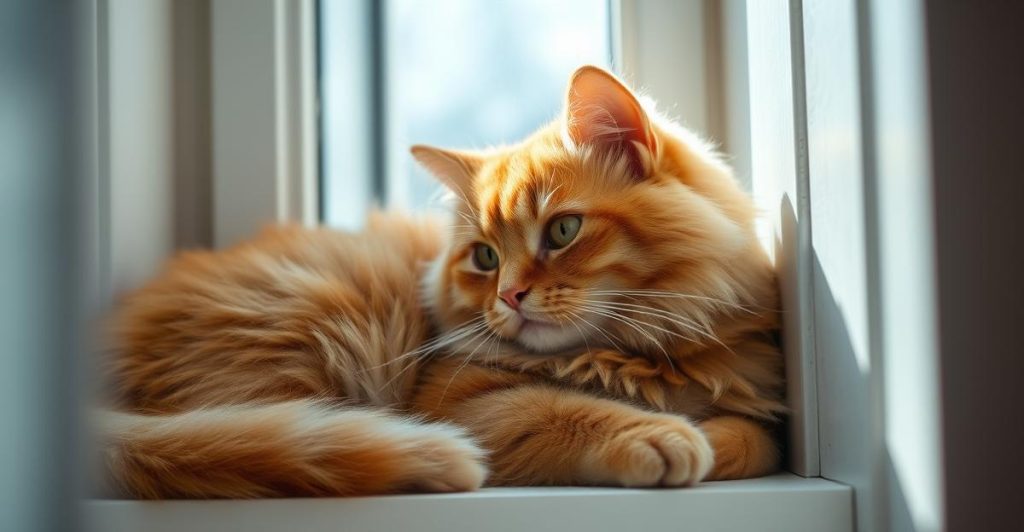
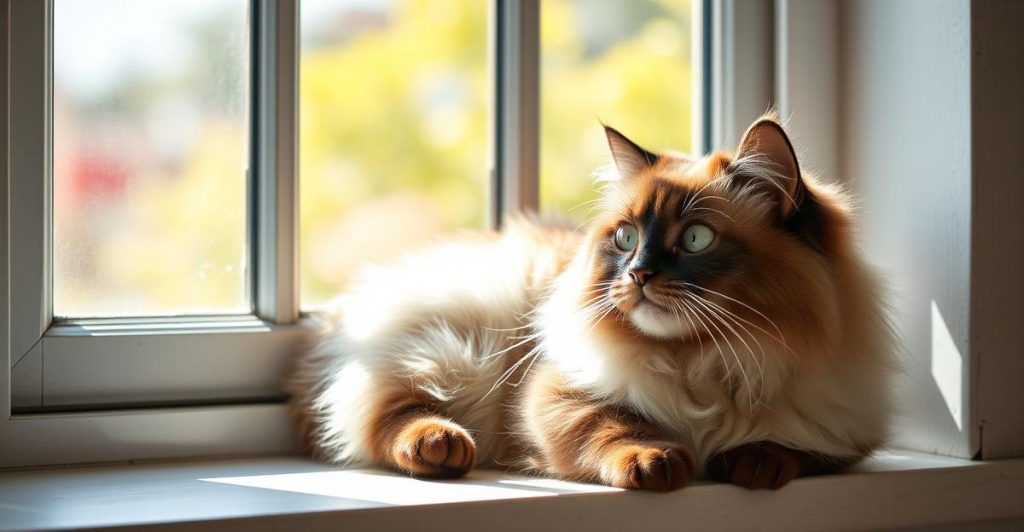
- Window attractions: Place a comfy perch near a sunny window and add a bird feeder outside. Watching feathered visitors can inspire gentle swats and playful lunges.
- Soft landing zones: Scatter plush mats or folded blankets in high‑traffic areas. A cushioned surface reduces the fear of jumping and promotes confidence in leaping.
2. Schedule Interactive Play Sessions
Consistency is key. By setting aside short, daily play windows, you create a rhythm that your cat will look forward to, reinforcing the association between movement and joy.
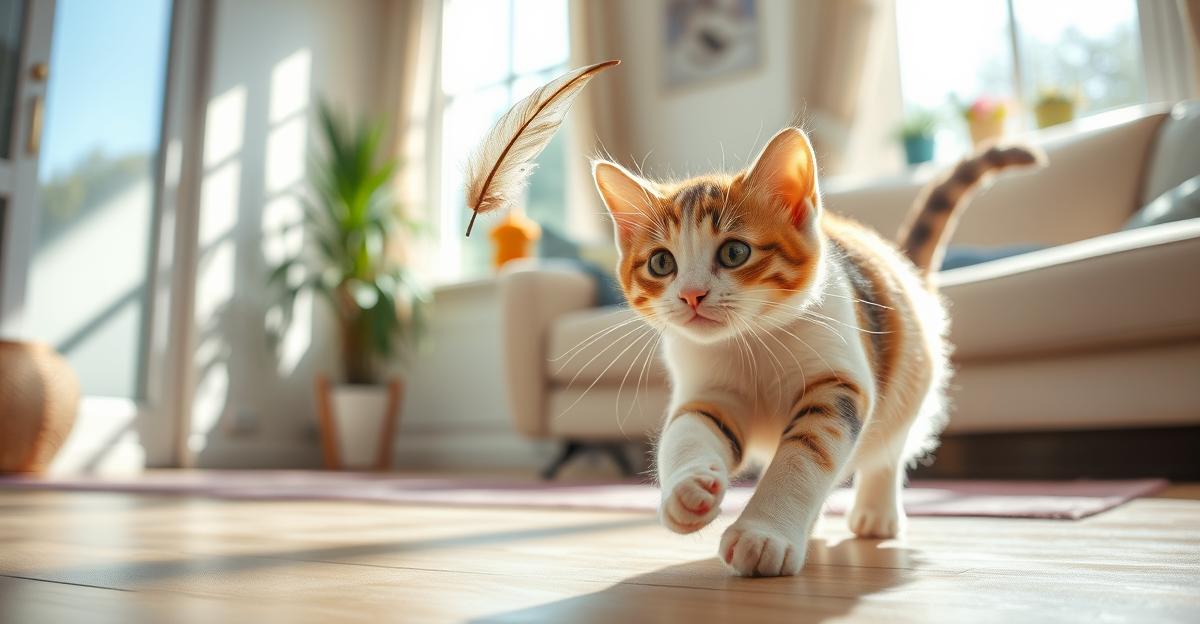
- Morning burst: Begin the day with a 5‑minute feather wand chase. Cats often have a surge of energy after a night of rest, making this the perfect time for a quick sprint.
- Mid‑day mystery: Hide a treat‑filled puzzle toy for a brief discovery session. The mental challenge adds excitement without demanding intense physical exertion.
- Evening wind‑down: Use a laser pointer for a low‑impact chase that lets your cat burn off remaining energy before bedtime.
- Short and sweet: Keep each session to 5–10 minutes. Cats appreciate variety and are more likely to stay engaged when activities are brief but frequent.
3. Rotate Toys to Keep Curiosity Alive
Even the most beloved toys can become background noise if they’re always within reach. Rotating toys mimics the thrill of discovering something new, sparking fresh bursts of activity.
- Weekly swap: Store a few toys in a closed box and pull out a new set each week. This simple trick makes each toy feel novel.
- Mix textures: Combine crinkly bags, soft plush mice, and interactive wand toys. Different textures stimulate varied hunting instincts.
- DIY fun: Create simple toys from household items—like a cardboard tube or a feather tied to a string. The novelty of a handmade object often excites a cat more than store‑bought versions.
- Solo play options: Include toys that move on their own, such as battery‑operated rolling mice. These encourage independent activity when you’re busy.
4. Encourage Natural Hunting Behaviors
Domestic cats retain the same predatory drive as their wild ancestors. Channeling this instinct into safe, indoor activities keeps them mentally sharp and physically active.
- Hide‑and‑seek: Tuck a feather wand under a couch cushion and let your cat discover it. The surprise element triggers a pounce response.
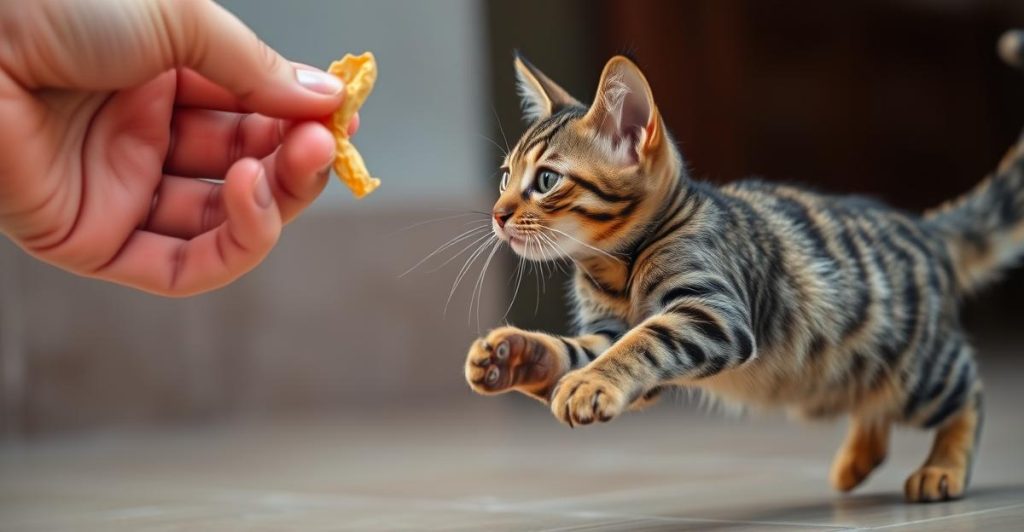
- Chase the “prey” line: Drag a ribbon or a soft string along the floor, mimicking the erratic movements of small animals. Cats love the unpredictable darting.
- Food‑as‑play: Scatter a few kibble pieces (or a small portion of dry food) across a play mat. The foraging activity encourages gentle movement and mental focus.
- Interactive feeders: Use a puzzle feeder that requires pawing or nudging to release treats. This combines feeding time with light exercise.
5. Incorporate Movement Into Everyday Routines
Even the most mundane household chores can become opportunities for your cat to stay active. By weaving play into daily life, you reinforce the habit of movement without needing extra time.
- Cooking companion: Place a rolling ball of paper near the kitchen counter while you prep meals. Your cat can bat it around as you stir.
- Laundry line fun: Hang a lightweight wand toy from a drying rack. When you open the dryer, the gentle sway invites a quick swat.
- Cleaning chase: Drag a lightweight brush across the floor while vacuuming. The rhythmic motion mimics a moving target.
- Doorway dash: When you open a door, let a small toy slip just ahead of the threshold. Your cat will sprint to retrieve it, turning a simple exit into a mini‑workout.
Indoor vs. Outdoor Play Activities: A Quick Comparison
| Aspect | Indoor Play | Outdoor Play |
|---|---|---|
| Safety | Fully controlled environment; no traffic or predators. | Exposure to weather, traffic, and wildlife. |
| Stimulus Variety | Can be enhanced with toys, puzzles, and window views. | Natural scents, sounds, and moving objects. |
| Space for Movement | Limited by room size; vertical structures help. | Open areas allow longer sprints and jumps. |
| Supervision | Easy to monitor; quick intervention possible. | Requires secure fencing or a harness for oversight. |
| Seasonal Impact | Consistent year‑round; climate‑controlled. | Weather‑dependent; may need indoor alternatives. |
6. Foster Social Play With Fellow Felines
If you have more than one cat, their natural social dynamics can be a wonderful source of activity. Encouraging positive interaction not only keeps each cat physically moving but also strengthens bonds.
- Shared toys: Offer a long wand or a rolling ball that both cats can chase together. This promotes cooperative play and gentle competition.
- Parallel feeding stations: Place food bowls a short distance apart, encouraging a light dash to the bowl and a quick return.
- Cat‑friendly tunnels: Install a series of connected tunnels where cats can chase each other through twists and turns.
- Monitor body language: Ensure play stays friendly—watch for signs of overstimulation and give each cat space when needed.
7. Celebrate Small Wins With Positive Reinforcement
Positive reinforcement is the secret sauce that turns a simple activity into a rewarding habit. By pairing movement with gentle praise or a tiny treat, you reinforce the joy of being active.
- Verbal praise: A soft “good job” or a gentle “well done” after a successful pounce builds confidence.
- Gentle petting: Light strokes behind the ears or under the chin after a play session create a soothing end‑note.
- Mini treats: Offer a single kibble or a small piece of cat‑safe fruit as a celebration—not as a medical solution, but as a happy moment.
- Play‑time cue: Use a consistent phrase like “playtime!” before each session so your cat learns to associate the words with fun.
8. Keep Hydration Fun and Accessible
While hydration isn’t a direct exercise, a well‑hydrated cat is more likely to have the energy needed for spontaneous bursts of activity. Turning water into an enjoyable experience supports overall wellness.
- Running water: A cat water fountain encourages sipping and adds a soothing sound that many cats love.
- Multiple stations: Place shallow dishes in various rooms, especially near favorite play zones.
- Ice cube treats: Drop a cat‑safe ice cube into a bowl for a refreshing twist on regular water.
- Flavor splash: Occasionally add a splash of low‑sodium chicken broth (unsalted, no onions) to the water for a tasty incentive.
9. Use Music and Sound to Spark Movement
Believe it or not, certain sounds can trigger a cat’s curiosity and prompt a playful response. Soft, rhythmic tunes or nature recordings can become a background cue for gentle activity.
- Birdsong playlists: Play recordings of chirping birds near a window perch; the auditory stimulus often leads to paw swats and head tilts.
- Soft instrumental: Light piano or harp music can create a calm atmosphere that encourages slow, graceful stretching.
- Interactive sound toys: Toys that emit crinkling or rustling noises when batted keep cats engaged without human involvement.
- Volume control: Keep sounds at a moderate level to avoid startling your cat; the goal is gentle encouragement, not stress.
10. Embrace the Power of Routine
Finally, remember that cats thrive on predictability. A well‑structured daily schedule that weaves in play, feeding, grooming, and quiet time creates a sense of security, allowing your cat to explore activity with confidence.
- Morning ritual: Light a small toy session after breakfast.
- Midday pause: Offer a quick grooming brush to stimulate blood flow and encourage movement.
- Evening wind‑down: End the day with a calm cuddle and a gentle stretch session.
- Consistency: Stick to similar times each day; cats will learn to anticipate and look forward to each activity.
Frequently Asked Questions
How often should I play with my cat to keep them happy?
Short, frequent sessions work best. Aim for 5–10 minutes of interactive play 2–3 times a day. This keeps energy levels balanced without overwhelming your cat.
What are some low‑cost toys that still provide great exercise?
Simple items like crumpled paper balls, feather sticks, and cardboard tunnels can be just as engaging as pricey gadgets. The key is variety and movement.
Can indoor cats get enough exercise without going outside?
Absolutely. By combining vertical spaces, rotating toys, and daily interactive sessions, indoor cats can achieve a full range of motion and mental stimulation comparable to outdoor explorers.
My cat seems disinterested in toys after a while. What should I do?
Try rotating toys weekly, introducing new textures, or using food‑based puzzles that add a tasty incentive. Changing the environment and the way toys are presented often reignites curiosity.
Disclaimer: This article is intended for informational and entertainment purposes only. It does not replace professional veterinary advice. Always consult a qualified vet for your cat's health and dietary needs.