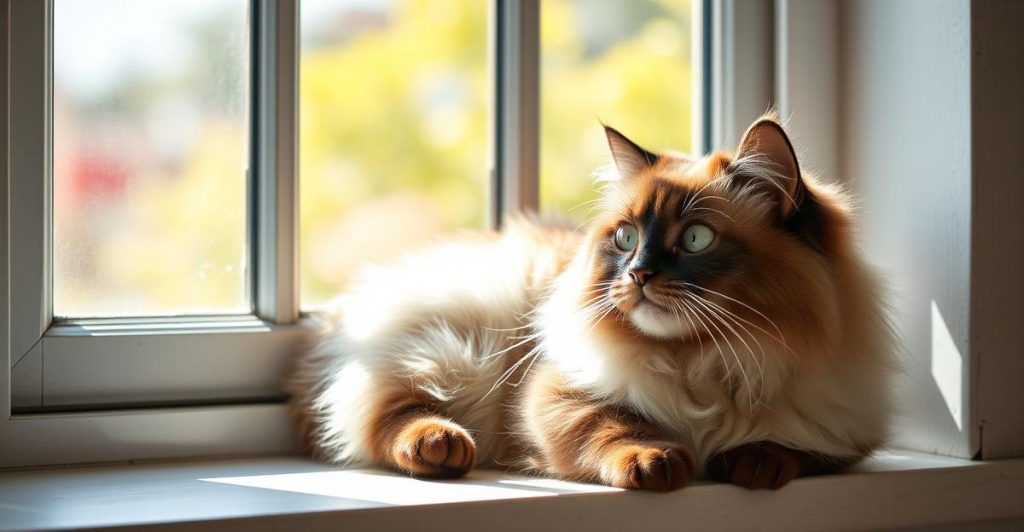

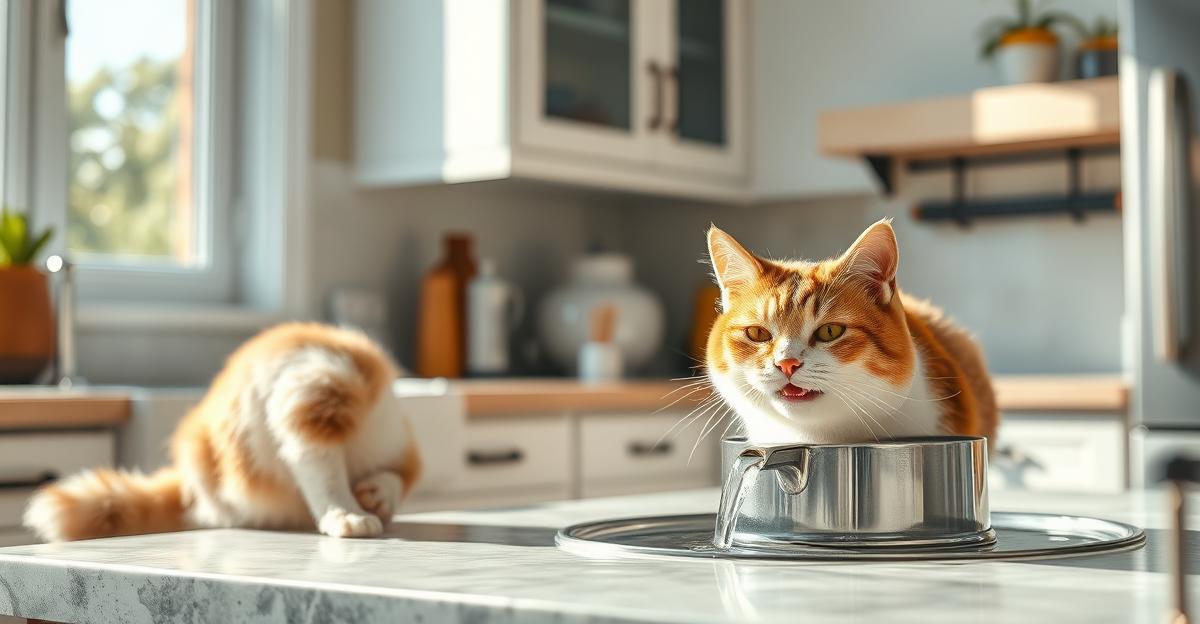
There’s nothing quite like watching a cat splash, sip, and pounce around a bowl of fresh water, especially when you know that each playful lick is a step toward a happier, healthier life. Cats are natural hunters who love to explore, and their curiosity can be channeled into fun feeding routines that keep them hydrated and content. In this article we’ll dive into creative, cat‑centric ideas that turn ordinary water breaks into delightful experiences, all while reinforcing the focus phrase cat hydration in a way that feels natural and enjoyable for both you and your feline friend.
Why Cat Hydration Is a Cornerstone of Everyday Wellness
Even the most independent cat thrives when its water needs are met. Proper cat hydration supports everything from glossy coats to lively play sessions. When cats drink enough, they stay active, maintain a healthy weight, and enjoy better digestion. While you’ll never see a cat schedule a doctor’s visit for dehydration, you can notice the signs of a well‑hydrated companion: bright eyes, a soft, supple fur, and a willingness to engage in games. By making water a central part of daily routines, you’re setting the stage for a cat that feels great and shows it through playful behavior.
Creative Water Bowls That Invite Exploration
Standard water dishes are functional, but they can also become a canvas for fun. Here are some ideas to turn a simple bowl into an interactive hydration station:
- Tiered Fountain Systems: Small fountains create moving water that mimics a stream, enticing many cats to drink more often.
- Ice Cube Add‑Ons: Pop a few ice cubes into the bowl on hot days; the slow melt adds a fresh taste and a bit of entertainment.
- Multi‑Level Bowls: Place shallow dishes at different heights to accommodate cats that love to perch while they sip.
- Hidden Water Sources: Use a shallow dish hidden behind a plant pot or a decorative stone to encourage curiosity.
Rotate these setups weekly to keep your cat’s interest high. The novelty of a new water “landscape” can spark curiosity and lead to more frequent drinking without any pressure.
Playful Hydration Games to Keep the Fun Flowing
Turning water time into a game can reinforce positive habits while providing mental stimulation. Try these simple, low‑mess activities:
- Laser‑Pointer Splash: Direct a laser dot toward a shallow water tray, prompting your cat to chase the light across the surface.
- Rolling Water Balls: Place a small, cat‑safe ball in a shallow dish of water; the gentle movement invites paw swats and curiosity.
- Water Trail Puzzle: Lay a thin line of water across a non‑slip mat leading to a bowl; cats love following the trail to the source.
- Interactive Treat Drops: Freeze a favorite treat in a block of water and let your cat “dig” for it, rewarding both play and drinking.
These activities not only boost water intake but also enrich your cat’s environment, reducing boredom and encouraging natural hunting instincts.
Incorporating Wet Food and Broths for Extra Moisture
While fresh water is essential, adding moisture‑rich foods can be a tasty shortcut to better cat hydration. Here’s how to weave wet meals and cat‑friendly broths into everyday feeding:
- Mix‑In Method: Add a spoonful of low‑sodium chicken broth to dry kibble for a burst of flavor and extra liquid.
- Layered Bowl: Place a thin layer of wet food at the bottom of a dry food bowl; the moisture draws the cat’s attention and encourages licking.
- Scheduled “Soup” Sessions: Offer a small bowl of warm water with shredded cooked fish a few times a week as a special treat.
- DIY Hydration Pops: Blend water with a tiny amount of tuna juice, pour into ice‑cube trays, and freeze for a refreshing snack.
These ideas keep meals interesting while subtly increasing fluid intake, especially for cats that prefer a drier diet.
Hydration‑Boosting Treats That Double as Playtime
Treats don’t have to be purely about flavor; they can also serve as mini hydration stations. Consider these options:
- Water‑Infused Catnip Toys: Soak a catnip‑filled plush toy in water, wring out excess, and let your cat bat it around while it releases a tiny amount of moisture.
- Gelatin Cubes: Make cat‑safe gelatin using plain broth; the wobbly texture is both a chew and a source of liquid.
- Frozen Veggie Bites: Small pieces of cucumber or melon (in moderation) can be frozen and offered as a cool, hydrating snack.
- Moisture‑Rich Dental Chews: Choose chews that contain added water content; they support dental health while contributing to daily fluid goals.
When selecting treats, always prioritize quality ingredients and avoid added sugars or artificial flavors. Treats that double as hydration boosters keep your cat’s palate excited and their water balance steady.
Monitoring Water Intake Without Turning It Into a Test
Keeping an eye on how much your cat drinks doesn’t have to feel like a lab experiment. Simple, unobtrusive habits can give you a clear picture of your cat’s hydration status:
- Multiple Water Stations: Place several bowls around the home; a cat that drinks regularly will naturally gravitate toward the nearest source.
- Refill Rhythm: Refill water bowls at the same times each day; consistency helps you notice if a bowl goes untouched for longer than usual.
- Observation Journals: Jot down brief notes after each play session—did your cat pause for a sip? This informal tracking can highlight patterns.
- Weight Checks: Regularly weigh your cat; steady weight is a good indirect indicator that overall wellness, including hydration, is on track.
These gentle practices let you stay informed while allowing your cat to enjoy its water routine without feeling surveilled.
Wet Food vs. Dry Food: Hydration Benefits Comparison
| Aspect | Wet Food | Dry Food |
|---|---|---|
| Moisture Content | Approximately 75–80% water | Typically 8–12% water |
| Flavor Intensity | Richer, more aromatic | Milder, relies on kibble texture |
| Convenience | Requires refrigeration after opening | Long shelf‑life, easy to store |
| Dental Benefits | Less abrasive; may need supplemental dental care | Crunchy texture can help reduce plaque |
| Hydration Support | Provides a significant portion of daily fluid needs | Relies on separate water sources for hydration |
Seasonal Hydration Strategies for Year‑Round Wellness
Weather changes can influence a cat’s drinking habits. Here are season‑specific tweaks to keep hydration levels steady:
- Summer Coolers: Offer chilled water or add a few ice cubes to bowls; the refreshing temperature encourages frequent sipping.
- Winter Warmers: Slightly warm water (room temperature) can be more inviting when the house is chilly.
- Rainy Day Enrichment: Set up a small indoor “stream” using a pet fountain to mimic outdoor water sources.
- Spring Freshness: Incorporate fresh herbs like cat‑safe basil or mint into water for a subtle scent boost.
Adjusting the water experience to match the season keeps your cat’s curiosity alive and its hydration habits consistent.
Building a Hydration‑Friendly Home Environment
Beyond bowls and treats, the overall home layout can subtly encourage drinking. Consider these design ideas:
- Strategic Placement: Position water stations away from food bowls and litter boxes; cats often prefer separate zones.
- Quiet Corners: Choose low‑traffic spots where your cat can drink undisturbed.
- Elevated Platforms: Some cats enjoy drinking from a higher perch; a sturdy, cat‑safe stand can make a water bowl feel like a throne.
- Non‑Slip Mats: Place bowls on silicone or rubber mats to prevent sliding, making the drinking experience smoother.
When the environment feels safe and inviting, your cat will naturally incorporate more water breaks into its daily routine.
Frequently Asked Questions
How much water should an average adult cat drink each day?
While individual needs vary, a healthy adult cat typically drinks about 2.5 to 4.5 ounces (70‑130 ml) of water per 5 pounds of body weight. Providing fresh water throughout the day and incorporating moisture‑rich foods helps meet this range.
Why does my cat prefer running water over a still bowl?
Moving water mimics natural streams, which many cats find more appealing and instinctively fresher. A pet fountain or regularly refreshed bowl can satisfy this preference and encourage more frequent drinking.
Can I use flavored water or additives to entice my cat to drink more?
Adding a splash of low‑sodium chicken broth or a tiny amount of tuna juice can make water more enticing, as long as the additives contain no onions, garlic, or excessive salt. Always keep the flavor mild to avoid creating a dependence on flavored water.
My cat seems to ignore the water bowl. What should I do?
Try changing the bowl’s location, offering a fountain, or providing multiple water stations. Experiment with different bowl materials (ceramic, stainless steel, glass) and temperatures to discover what your cat prefers.
Disclaimer: This article is intended for informational and entertainment purposes only. It does not replace professional veterinary advice. Always consult a qualified vet for your cat's health and dietary needs.