
Why Your Cat Stares at Empty Walls and How to Keep Them Curious
Ever caught your feline friend glued to a blank wall, whiskers twitching, eyes wide as if they’ve spotted a secret portal? You’re not alone. Many cat owners have experienced those mysterious, unblinking moments that feel like a scene from a spy movie. While it might seem puzzling, this behavior is often a sign of a naturally inquisitive mind at work. In this article we’ll explore the science behind cat curiosity, decode the hidden cues behind those wall‑gazing sessions, and share practical, fun ways to keep your whiskered companion mentally stimulated and happily engaged every day.
Understanding the Mystery: What’s Really Going On?
Before diving into solutions, it helps to understand why cats sometimes fixate on seemingly empty spaces. Cats are predators by nature, equipped with highly attuned senses that constantly scan their environment for movement, sound, and even subtle changes in light. Here are a few common reasons behind the stare‑off:
- Micro‑Movements: Even the tiniest shift in a curtain or a speck of dust can catch a cat’s eye. Their peripheral vision is excellent at detecting motion that humans might miss.
- Sound Sensitivity: A faint squeak from a wall cavity, the hum of an appliance, or even the echo of a distant conversation can trigger a focused stare.
- Instinctual Hunting Mode: When a cat’s hunting instincts kick in, they may “lock on” to a spot where they anticipate prey, even if the prey is invisible to us.
- Environmental Enrichment Gaps: A bored cat may seek stimulation by inventing its own entertainment, turning a blank wall into a stage for imagined play.
Understanding these triggers is the first step toward turning those puzzling moments into opportunities for enrichment.
Boosting Cat Curiosity with Everyday Environments
Now that we know why the stare happens, let’s talk about how to channel that natural curiosity into positive, enriching experiences. Below are practical, low‑cost ideas you can start using today.
1. Rotate Toys and Play Zones
- Weekly Toy Rotation: Keep a stash of toys in a box and swap them out every 5‑7 days. The novelty of a “new” toy reignites hunting instincts.
- Designated Play Corners: Set up a small area with a climbing post, a feather wand, and a puzzle feeder. Change the layout regularly to maintain interest.
- DIY Interactive Props: Use cardboard tubes, paper bags, or crumpled paper balls. Cats love the unpredictable sounds and textures.
2. Add Visual Stimuli to Walls
- Wall‑Mounted Perches: Install a thin shelf or a cat‑friendly ledge a few inches off the wall. It gives your cat a new viewpoint and a place to “watch” the world.
- Safe Mirrors: A small, shatter‑proof mirror can intrigue a cat, especially if placed at cat height. Watch them investigate their reflection.
- Interactive Wall Decals: Peel‑off decals with feather or mouse silhouettes can spark a chase instinct without damaging paint.
3. Harness the Power of Sound
- Nature Sound Tracks: Play low‑volume recordings of birds, rustling leaves, or gentle water streams. Cats often respond to these natural cues.
- Crackle Toys: Toys that emit soft crinkling noises mimic the sound of small prey moving through foliage.
- Scheduled “Mystery” Sessions: Set a timer for 5‑minute “surprise” sound bursts (like a soft bell) to keep your cat alert and curious.
Creating Enrichment Zones: Indoor vs. Outdoor Play
Whether you live in a high‑rise apartment or a sprawling house with a garden, providing varied enrichment zones is key to satisfying cat curiosity. Below is a quick comparison of indoor and outdoor play activities, helping you decide which mix works best for your feline’s personality and your living situation.
Indoor vs. Outdoor Play Activities Comparison
| Aspect | Indoor Play | Outdoor Play |
|---|---|---|
| Safety Control | High – confined space, no traffic or predators. | Variable – requires supervision, secure enclosure recommended. |
| Stimulus Variety | Can be customized with toys, puzzles, and interactive walls. | Natural stimuli: birds, insects, wind, changing light. |
| Physical Exercise | Depends on space; climbing trees and tunnels help. | More room for sprinting, jumping, and exploring. |
| Weather Dependency | All‑year use, unaffected by rain or heat. | Seasonal; may need adjustments for extreme temperatures. |
| Enrichment Cost | Initial investment in toys and furniture. | Potential costs for secure catios or outdoor enclosures. |
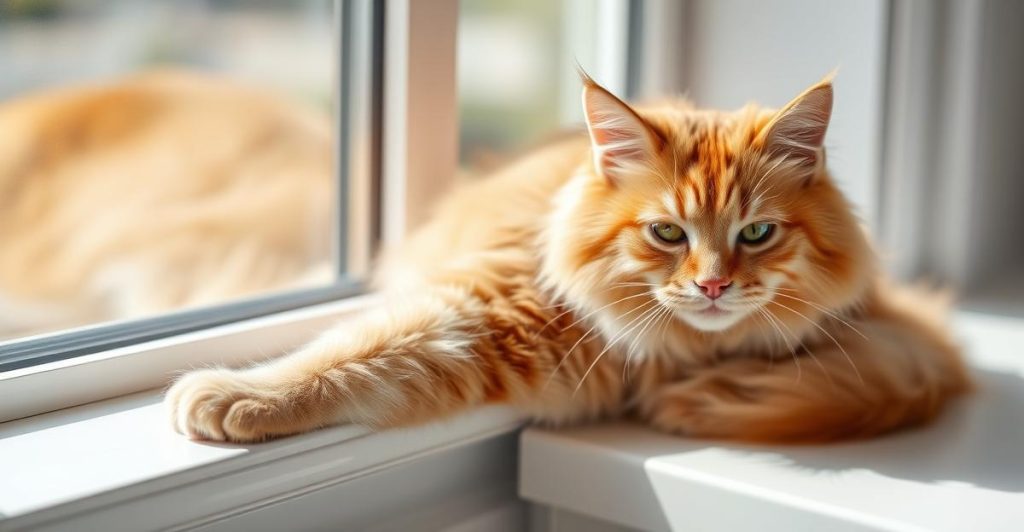
Mixing elements from both worlds often yields the most satisfied cat. For example, you might set up a sunny indoor perch that faces a window overlooking a bird feeder, combining indoor safety with outdoor excitement.
Mindful Routines to Keep Curiosity Alive
Curiosity thrives on novelty, but it also benefits from predictable routines that let a cat feel secure while exploring. Here are three routine‑based strategies that nurture a lifelong love of discovery.
Morning “Exploration” Ritual
- Open a curtain or blinds to let natural light flood the room.
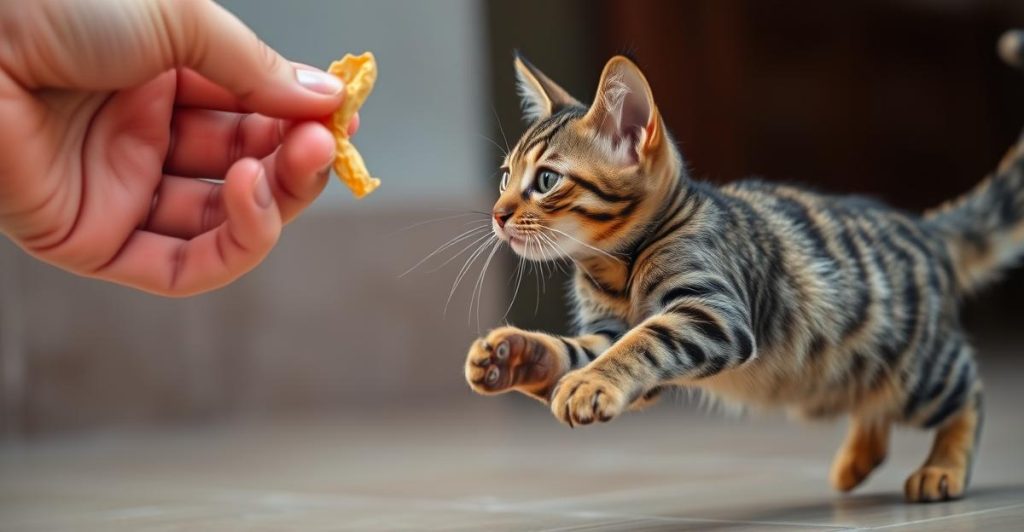
- Place a feather wand or laser pointer at the edge of the room and let your cat chase the moving point for 5‑10 minutes.
- Finish with a quick grooming session (brushing or gentle massage) to reinforce bonding.
Mid‑Day Puzzle Feeding
- Use a treat‑dispensing puzzle feeder for a small portion of the day’s kibble.
- Rotate the puzzle type weekly to keep the challenge fresh.
- Observe how your cat approaches the puzzle; a curious cat will investigate before solving.
Evening “Discovery” Walk
- Before bedtime, open a safe interior door to a new room or hallway.
- Scatter a few crinkly toys or catnip‑infused strips along the path.
- Allow your cat to explore at its own pace, rewarding confident steps with gentle praise.
When Curiosity Becomes a Concern: Red Flags to Watch
While most wall‑staring episodes are harmless, there are a few behaviors that may indicate stress or environmental frustration. Keeping an eye on these signs ensures your cat’s curiosity stays a source of joy rather than anxiety.
- Excessive Fixation: If your cat spends more than 30 minutes continuously staring at a spot without breaking focus, it could signal boredom or overstimulation.
- Destructive Behavior: Scratching walls, furniture, or doors may be a way to release pent‑up energy.
- Changes in Appetite or Grooming: While not a medical diagnosis, noticeable shifts in eating or self‑care habits can hint at emotional stress.
If you notice any of these patterns, consider adding more enrichment activities, rotating toys, or creating new vertical spaces for climbing and observing. A well‑stimulated cat is less likely to develop stress‑related habits.
Fun Projects to Turn Walls Into Curiosity Hubs
Ready to get creative? Transforming a blank wall into a cat‑friendly curiosity hub can be a weekend DIY project that both you and your feline will love. Below are three simple ideas that require minimal tools and budget.
1. The “Cat‑Cam” Corner
Mount a small, low‑profile webcam at cat height and connect it to a screen in another room. Cats love watching moving images, and you’ll get adorable footage of their reactions. Ensure the camera is securely attached and out of reach.
2. The “Feather‑Rail” System
Attach a thin, sturdy rail (like a picture‑hanging wire) horizontally near the ceiling. Clip lightweight feather toys or soft ribbons onto the rail. As air circulates, the feathers sway, creating a gentle, moving target for your cat to bat at.
3. The “Puzzle Wall Panel”
Use a shallow wooden board with cut‑out slots. Hide small treats or kibble pieces behind each slot. Your cat will paw and nudge the board, learning to retrieve the hidden rewards. Rotate the board’s position weekly for added intrigue.
Celebrating the Joy of Cat Curiosity
At its core, cat curiosity is a celebration of a cat’s natural instincts, intelligence, and playful spirit. By observing, understanding, and thoughtfully enriching their environment, you turn those mysterious wall‑gazing moments into a shared adventure. Remember, the goal isn’t to eliminate the stare but to give your cat a world full of engaging sights, sounds, and textures that satisfy that inner explorer.
When you provide varied enrichment, you’ll likely notice your cat’s eyes lighting up not just at walls, but at every new leaf fluttering outside, every crinkly bag, and every shadow that dances across the floor. A curious cat is a happy cat, and a happy cat makes a home feel even more alive.
Frequently Asked Questions
Why does my cat stare at a wall for minutes on end?
Cats have extremely sensitive vision and hearing. Small movements, distant sounds, or even changes in light can capture their attention. Often the stare is a sign of focused hunting instinct or simply a moment of mental stimulation.
How often should I rotate my cat’s toys?
Rotating toys every 5‑7 days keeps novelty high. This frequency prevents boredom while giving each toy enough time to feel “new” again when it reappears.
Can I let my indoor cat explore outdoors safely?
Yes, with proper precautions. A secure catio, a harness‑walk, or a supervised outdoor time in a fenced area can provide natural stimuli while keeping your cat safe.
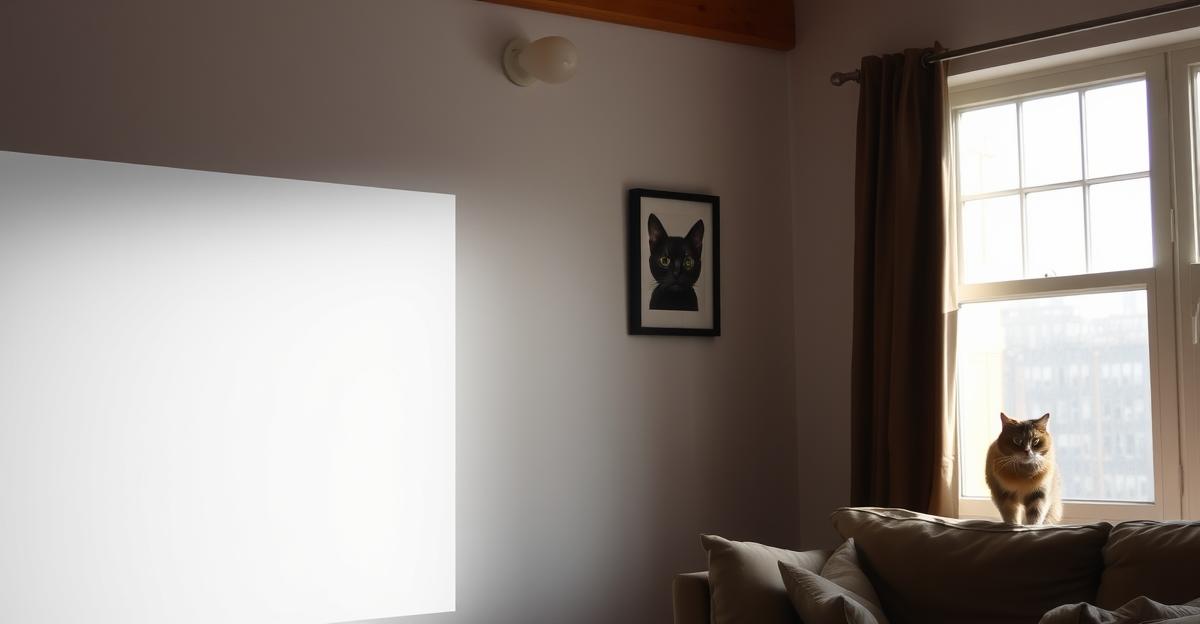
What’s the best way to make a blank wall interesting for my cat?
Consider adding wall‑mounted perches, safe mirrors, interactive decals, or a feather‑rail system. These additions create visual and tactile stimuli that invite exploration.
Disclaimer: This article is intended for informational and entertainment purposes only. It does not replace professional veterinary advice. Always consult a qualified vet for your cat's health and dietary needs.