
Why DIY cat toys are a game‑changer for indoor cats
Ever watched your feline friend stare at a crumpled piece of paper like it’s the most exciting thing on the planet? That’s the everyday magic of indoor cat life—every shadow, feather, or rustle can become a thrilling adventure. Incorporating DIY cat toys into your home not only fuels that natural curiosity but also gives you control over the materials, safety, and style of each play item. Plus, crafting your own toys is a budget‑friendly way to keep the litter‑box lounge feeling fresh and stimulating.
When you make toys by hand, you can tailor them to your cat’s unique personality, match your décor, and even repurpose household items that would otherwise gather dust. Below, we’ll explore the science behind feline play, walk through the safest materials, and share step‑by‑step projects that any cat lover can tackle in an afternoon.
Understanding the play instincts that drive indoor cats
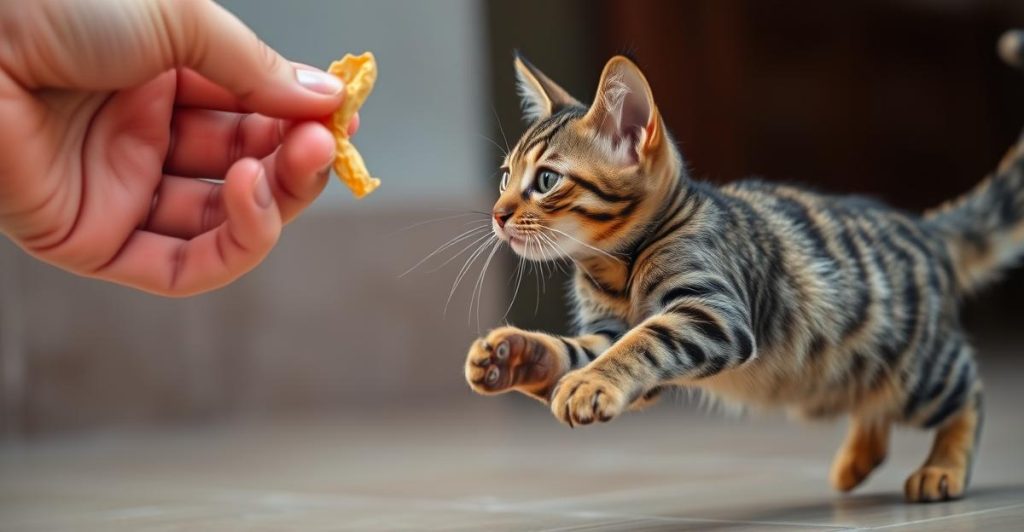
Domestic cats retain the hunting instincts of their wild ancestors. Even a well‑fed indoor cat will stalk, pounce, and bat at moving objects because those actions release dopamine and keep muscles limber. Recognizing the three core components of cat play—stalk, chase, and capture—helps you design toys that satisfy each instinct.
- Stalk: Cats love to crouch low, eyes locked on a target. Toys that move slowly or hide partially trigger this behavior.
- Chase: Once the “prey” is spotted, the cat will sprint after it. Lightweight toys that roll or glide across the floor are perfect.
- Capture: The final bite or claw swipe is the payoff. Toys with crinkly textures or dangling feathers give that satisfying finish.
By mixing these elements, you create a richer play session that mimics real hunting, which supports overall cat health, reduces stress, and curbs unwanted furniture scratching.
Safe and sustainable materials for your DIY cat toys
Before you dive into crafting, it’s essential to know which household items are safe for cat play and which should stay out of reach. Cats are notorious for chewing, chewing, and sometimes swallowing bits of their toys, so opting for non‑toxic, durable materials is a must.
Comparison of Materials to Use vs. Materials to Avoid
| Material | Main Benefit | Potential Drawback | Best For |
|---|---|---|---|
| Cotton fabric (unbleached) | Soft, washable, and safe if ingested in tiny pieces | May fray over time | Stuffed toys, feather wands |
| Felt sheets | Stiff enough for shaping, easy to cut | Can shed small fibers | Interactive puzzles, cat tunnels |
| Cardboard tubes (toilet paper rolls) | Readily available, recyclable | Can splinter if damaged | Roll toys, treat dispensers |
| Plastic bottle caps | Creates enticing crinkle sound | Sharp edges if broken | Noise‑making toys (supervised) |
| Rubber bands</td | Excellent for springy motion | Can become a choking hazard | Only for supervised play |
| String, yarn, ribbon | Highly engaging for batting | Risk of intestinal blockage if swallowed | Avoid as loose toys; use only under supervision |
Stick to natural fibers, untreated wood, and sturdy cardboard. Avoid anything with toxic dyes, glues, or small detachable parts that could be swallowed.
Step‑by‑step DIY cat toy projects
1. Feather‑Flick Wand
This classic toy satisfies the chase and capture phases with minimal effort.
- Materials: A wooden dowel (12‑inch), a piece of sturdy twine, 2–3 feathers, non‑toxic glue.
- Step 1: Cut the twine into a 6‑inch length and tie a secure knot at one end.
- Step 2: Apply a dab of glue to the knot and attach the feathers, arranging them so they fan out.
- Step 3: Let the glue dry completely (about 15 minutes).
- Step 4: Tie the other end of the twine to the dowel, leaving a short tail for you to hold.
- Step 5: Wave the wand slowly, then increase speed to mimic fluttering prey.
2. Cardboard Treat Maze
Turn a simple toilet‑paper roll into a brain‑boosting puzzle that encourages problem‑solving.
- Materials: Two empty cardboard tubes, scissors, non‑toxic tape, dry cat treats.
- Step 1: Cut a small “U” shape into the side of one tube to create a sliding door.
- Step 2: Insert the second tube into the first, aligning the opening with the sliding door.
- Step 3: Tape the tubes together at the base for stability.
- Step 4: Place a few treats inside the inner tube.
- Step 5: Show your cat how to slide the door to retrieve the treats, then let them explore.
3. Sock “Mousie” with Crinkle
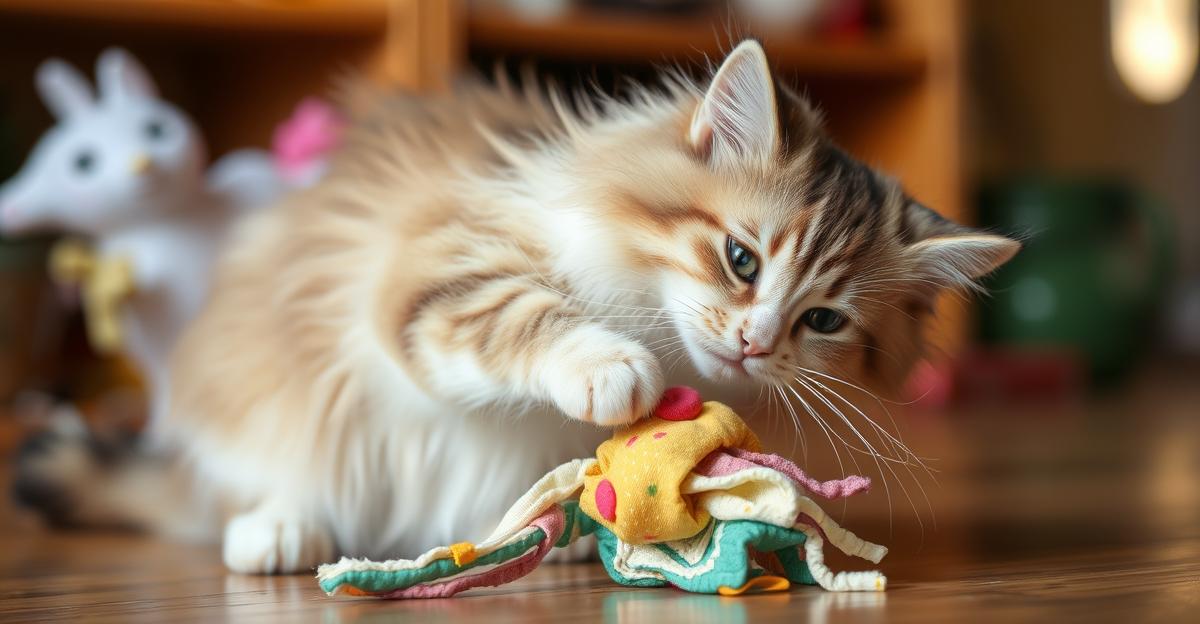
A plush, crinkly mouse that satisfies both texture and sound cravings.
- Materials: An old cotton sock, catnip, a piece of crinkly cellophane, needle and thread (or fabric glue).
- Step 1: Fill the sock with a pinch of catnip and a small scrap of crinkly cellophane.
- Step 2: Tie off the open end with a tight knot or sew it shut.
- Step 3: For extra durability, stitch a few decorative stitches around the knot.
- Step 4: Toss the “Mousie” across the floor and watch your cat pounce.
4. DIY Catnip Pillow
Perfect for lounging and gentle kneading, this pillow doubles as a cozy hideaway.
- Materials: Two squares of fleece (10×10 inches), catnip, sewing needle and thread (or a hot glue gun).
- Step 1: Place the two fleece squares together, right sides facing each other.
- Step 2: Sew three sides, leaving one edge open.
- Step 3: Turn the pillow right‑side‑out, sprinkle a generous amount of catnip inside.
- Step 4: Sew the final edge closed.
- Step 5: Position the pillow in a sunny spot or on a cat tree.
5. Interactive Feather‑and‑Ribbon Ladder
For multi‑cat households, a vertical play station keeps several cats entertained at once.
- Materials: A sturdy wooden ladder (or a repurposed step stool), strips of fleece, feathers, zip ties.
- Step 1: Cut fleece strips about 4 inches long.
- Step 2: Attach a feather to the end of each strip with a zip tie.
- Step 3: Secure each feather‑tipped strip to a rung of the ladder using additional zip ties.
- Step 4: Ensure all knots are tight and that the ladder is stable on the floor.
- Step 5: Encourage your cats to climb, bat, and swat at the dangling feathers.
Customizing toys for different breeds and personalities
Not all cats play the same way. While a Siamese may chase laser dots for hours, a Persian might prefer gentle swatting at soft plushies. Understanding breed tendencies helps you select the right DIY projects.
- Siamese & Oriental breeds: High energy, love fast‑moving toys. Opt for wand toys, laser‑pointer alternatives, and feather‑filled projectiles.
- Maine Coon: Large, muscular cats enjoy robust toys that can withstand rough play. Consider sturdy cardboard tunnels and weighted plush mice.
- British Shorthair: Calm, methodical hunters. Puzzle feeders and slow‑release treat toys keep them engaged without overstimulation.
- Ragdoll: Gentle and affectionate. Soft fabric toys, catnip pillows, and low‑impact interactive toys work best.
- Mixed‑breed indoor cats: Rotate a variety of textures—crinkly, feathered, plush—to discover what sparks their interest.
Observe your cat’s reaction during the first few minutes of play. If they bat aggressively, choose a sturdier material. If they lose interest quickly, add a scent like catnip or a crinkly element to maintain focus.
Maintaining and rotating your DIY collection
Even the best‑made toys can lose their novelty after a few weeks. A simple rotation schedule keeps playtime fresh and extends the life of each creation.
- Weekly rotation: Keep three sets of toys—active, rest, and wash. Switch the active set every 7 days.
- Cleaning routine: Wash fabric toys in warm water with mild detergent; air‑dry completely before re‑introducing.
- Inspection checklist: Look for frayed edges, loose threads, or cracked plastic. Repair or discard any damaged items immediately.
- Seasonal themes: Add holiday‑themed decorations (e.g., pumpkin‑shaped plush in fall) to keep the environment exciting.
By treating your DIY toys like a small “toy library,” you provide constant novelty, which is essential for indoor cat mental stimulation and overall well‑being.
FAQ
Can I use any fabric for DIY cat toys?
Choose natural, unbleached fabrics like cotton or fleece. Avoid synthetic materials that may melt or release harmful chemicals when chewed.
How often should I replace my homemade toys?
Inspect toys weekly. Replace any that show signs of wear, fraying, or broken parts. Generally, plush toys last 2–3 months with regular play.
Is catnip safe for all cats?
Most cats enjoy catnip, but some are genetically indifferent. Use it in moderation—too much can cause brief overstimulation.
My cat chews everything. Are DIY toys still a good idea?
Yes, but focus on sturdy materials like thick cardboard, untreated wood, or tightly sewn fabric. Supervise initial play sessions to ensure safety.
Can I involve my kids in making these toys?
Absolutely! Simple projects like sock mice or cardboard mazes are perfect for family bonding. Just supervise any cutting or gluing.
Note: This article is for entertainment and lifestyle purposes only. Always consult a licensed veterinarian for any health-related concerns regarding your feline friend.