
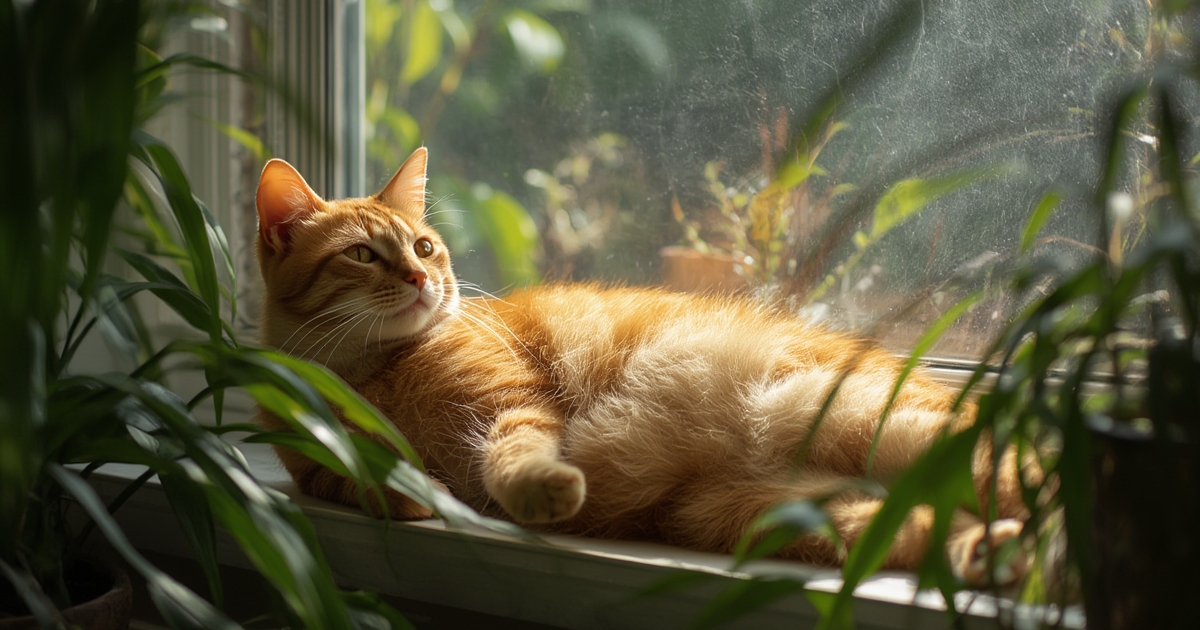
Imagine coming home after a long day to find your feline companion lounging on a sunny windowsill, tail gently swaying, eyes half‑closed in pure contentment. That serene picture is the goal of every cat owner, and achieving it starts with thoughtful indoor cat care. By providing the right environment, nutrition, and routine, you can keep your indoor cat happy, healthy, and mentally stimulated, no matter the size of your living space. Below you’ll discover practical, expert‑backed strategies that turn ordinary rooms into cat‑friendly havens while preventing common health and behavior problems.
Understanding the Basics of Indoor Cat Care
Why Keep Cats Indoors?
Indoor cat care isn’t just a safety measure; it’s a lifestyle choice that protects cats from traffic, predators, disease, and parasites. Studies show indoor cats live, on average, 2–3 years longer than their outdoor counterparts. The trade‑off is a higher risk of obesity, boredom, and stress, which can be mitigated with intentional planning.
Essential Health Checks
Regular health monitoring is the cornerstone of indoor cat care. Even though indoor cats face fewer external threats, they still need routine veterinary visits and daily observations.
- Weight: Weigh your cat weekly. A sudden gain or loss of more than 5% of body weight warrants a vet check.
- Coat & Skin: Look for dandruff, hair loss, or parasites. A glossy coat usually indicates good nutrition.
- Eyes & Ears: Clear eyes and clean ears without excessive wax are signs of health.
- Urination & Defecation: Consistent litter box use and normal stool consistency are key indicators.
Keep a simple health log on your phone or a notebook to track any changes over time.
Creating an Enriching Environment
Indoor cats thrive when they can express natural hunting, climbing, and exploring instincts. A stimulating environment reduces stress‑related behaviors such as over‑grooming or aggression.
Vertical Space and Safe Perches
- Install cat trees or wall‑mounted shelves near windows for sunbathing and bird‑watching.
- Use sturdy, non‑slip materials; safety brackets are essential for wall mounts.
- Rotate perches every few weeks to keep the environment fresh.
Interactive Toys and Play Zones
Rotate toys weekly to maintain novelty. Include a mix of:
- Feather wands for high‑energy chase sessions.
- Puzzle feeders that challenge problem‑solving skills.
- Laser pointers for short bursts of cardio (always end with a tangible toy to avoid frustration).
Safe Outdoor Views
Window seats or bird feeders placed outside a low window provide visual stimulation. Ensure windows have secure screens to prevent accidental escapes.
Designated Quiet Retreats
Every cat needs a private spot for rest. A covered cat bed, a soft blanket in a closet corner, or a cardboard box can serve as a safe haven.
Nutrition and Feeding Strategies for Indoor Cats
Indoor cats often have lower activity levels, making calorie control crucial to avoid obesity. However, they also need adequate moisture and high‑quality protein to support kidney health and muscle maintenance.
Choosing the Right Food
Understanding the differences between wet and dry cat food helps you tailor meals to your cat’s specific needs. Below is a quick comparison:
Wet vs. Dry Cat Food Comparison
| Option | Main Benefit | Potential Drawback | Best For |
|---|---|---|---|
| Dry Cat Food | Convenient, long shelf life, helps keep teeth clean | Low moisture content; can contribute to dehydration if water intake is insufficient | Busy owners, cats that graze throughout the day |
| Wet Cat Food | High moisture, palatable, supports urinary health | Shorter shelf life after opening, higher cost per serving | Cats needing extra hydration, picky eaters, weight management |
For indoor cats, a balanced approach often works best: feed a measured portion of high‑quality dry kibble twice daily and supplement with wet food once a day to boost moisture intake.
Portion Control and Feeding Schedule
- Calculate daily caloric needs based on ideal body weight (generally 20 kcal per pound for a neutered adult).
- Use a kitchen scale for precise portioning.
- Divide the total daily amount into two meals to mimic natural hunting cycles.
Special Nutritional Considerations
Indoor cats may benefit from diets enriched with:
- L‑carnitine for fat metabolism.
- Omega‑3 fatty acids for coat health and anti‑inflammatory effects.
- Controlled phosphorus levels to support kidney function.
Behavior Management and Mental Stimulation
Even the most well‑fed indoor cat can develop behavioral issues if mental needs aren’t met. Understanding why cats act the way they do is the first step toward effective management.
Common Indoor Behaviors and Their Meanings
- Excessive Meowing: May signal hunger, attention seeking, or medical pain.
- Scratching Furniture: Natural claw‑maintenance; provide sturdy scratching posts.
- Nighttime Activity: Cats are crepuscular; schedule play sessions before bedtime to expend energy.
- Over‑grooming: Could indicate stress, allergies, or skin irritation—consult a vet if persistent.
Play Sessions and Puzzle Feeders
Structured play is essential. Aim for at least two 10‑minute sessions daily:
- Use wand toys to mimic prey movement.
- Introduce treat‑dispensing puzzles that require the cat to roll or paw the toy to release food.
These activities satisfy hunting instincts and provide mental challenges, reducing boredom‑related behaviors.
Training Basics for Indoor Cats
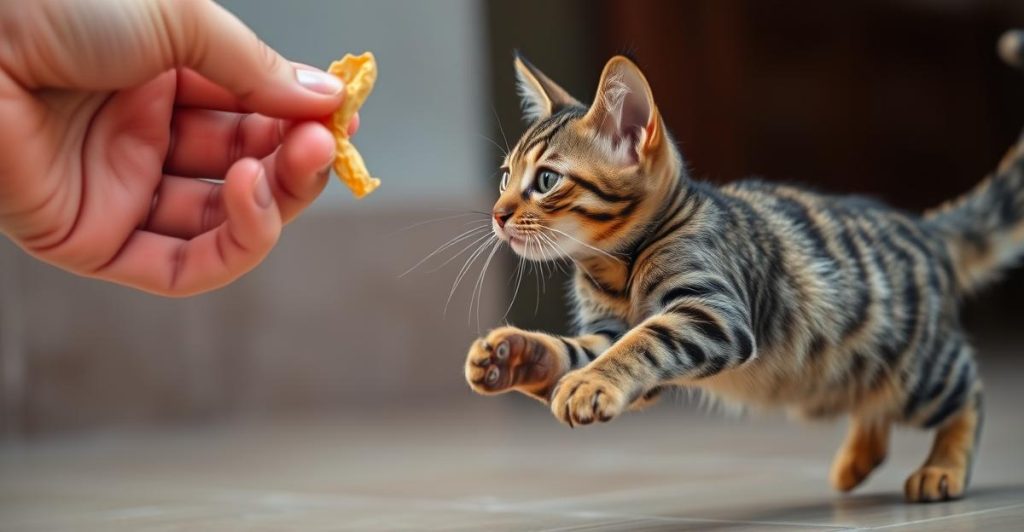
Positive reinforcement works well with cats. Use treats and gentle praise to teach:
- Using a scratching post instead of furniture.
- Coming when called (use a consistent cue word).
- Gentle play without biting.
Consistency and short training sessions (5 minutes) keep cats engaged without overwhelming them.
Preventive Health and Routine Veterinary Care
Proactive health measures are a vital component of indoor cat care, helping you catch issues early and maintain optimal wellness.
Vaccinations and Parasite Prevention
- Core vaccines: FVRCP (Feline Viral Rhinotracheitis, Calicivirus, Panleukopenia) and Rabies.
- Annual boosters or as recommended by your veterinarian.
- Even indoor cats can benefit from regular flea and tick preventatives, especially if they have occasional outdoor exposure.
Dental Health
Dental disease is common in indoor cats and can lead to systemic infections. Implement a dental care routine:
- Brush teeth weekly with cat‑specific toothpaste.
- Offer dental treats or toys designed to reduce plaque.
- Schedule professional cleanings at least once a year.
Weight Management and Exercise
Obesity is a leading health concern for indoor cats, increasing the risk of diabetes, arthritis, and heart disease. Monitor body condition score (BCS) monthly:
- BCS 1–3: Underweight – increase calorie intake with high‑protein foods.
- BCS 4–5: Ideal – maintain current diet and activity level.
- BCS 6–9: Overweight – reduce calories by 10–20% and increase playtime.
Regular Check‑Ups
Schedule veterinary exams at least once a year for healthy adults and semi‑annually for senior cats. During visits, the vet will assess:
- Blood work for kidney and liver function.
- Urinalysis to detect early urinary issues.
- Thyroid levels, especially in cats over 10 years.
Transitioning New Kittens into Indoor Life
Welcoming a kitten into an indoor environment requires patience and careful planning. Their developmental stage demands different care compared to adult cats.
Kitten vs. Adult Indoor Cat Care Needs
| Aspect | Kittens (0‑12 months) | Adult Indoor Cats (1 year+) |
|---|---|---|
| Nutrition | High‑protein, calorie‑dense food; multiple small meals daily. | Balanced maintenance diet; two meals daily. |
| Socialization | Intensive handling, play, and exposure to different stimuli. | Stable routine; occasional new experiences. |
| Vaccinations | Core series starting at 6–8 weeks, booster at 12 weeks. | Annual boosters as needed. |
| Litter Training | Frequent litter box access; gentle guidance. | Established habits; maintain clean box. |
| Play Needs | Short, high‑energy bursts; interactive toys. | Longer, moderate play sessions. |
Safe Introduction to the Home
- Start with a single quiet room equipped with food, water, litter, and a cozy bed.
- Gradually introduce other areas after a week, supervising for any signs of stress.
- Provide a variety of textures (soft blankets, sisal mats) to explore.
Socialization Tips
Expose kittens to gentle handling, different sounds, and brief, supervised visits from friends or family. Positive experiences during this critical period shape a confident indoor cat.
Monitoring Growth
Weigh kittens weekly; expect steady weight gain of 50–100 g per week. Sudden stagnation may indicate health issues and should prompt a vet visit.
Long‑Term Planning
Even as kittens mature, continue enrichment activities. Rotate toys, add new climbing structures, and maintain a consistent feeding schedule to reinforce good habits.
Conclusion
Indoor cat care is a rewarding blend of nutrition, environment, health vigilance, and behavioral enrichment. By implementing the strategies outlined above, you’ll create a safe, stimulating home that supports your cat’s physical and emotional well‑being for years to come.
Frequently Asked Questions
How often should I feed my indoor cat?
Most adult indoor cats thrive on two measured meals per day, spaced about 8–12 hours apart. Kittens require three to four smaller meals daily until they reach six months of age.
Why does my cat meow at night?
Nocturnal vocalization can stem from hunger, boredom, or a desire for attention. Provide a late‑evening play session, a small snack, and ensure the environment is enriched to reduce nighttime meowing.
How can I train a kitten to use the litter box?
Place the kitten in the litter box after meals, play, and naps. Use unscented, clumping litter and keep the box clean. Praise or gently reward the kitten each time it uses the box.
What are the signs of obesity in an indoor cat?
Key indicators include a visible waistline when viewed from above, difficulty feeling ribs without pressing, and a rounded abdomen. A body condition score of 6 or higher on a 9‑point scale suggests overweight.
Can indoor cats get fleas?
Yes, especially if you bring in guests with pets or if your cat occasionally goes outside. Use a veterinarian‑recommended flea preventive year‑round to protect your indoor cat.
Is it necessary to give my indoor cat supplements?
Most high‑quality commercial cat foods provide complete nutrition. Supplements may be needed for specific health concerns (e.g., joint support for senior cats) but should only be given under veterinary guidance.