
Understanding Indoor Cat Enrichment and Its Impact on Well‑Being
When cats spend most of their lives inside, the quality of their environment becomes the single biggest factor in their happiness. Indoor cat enrichment isn’t just about toys; it’s a holistic approach that satisfies a feline’s instinctual hunting, climbing, and exploring needs while keeping them safe from outdoor hazards. By thoughtfully designing daily routines and spaces, owners can prevent boredom, reduce stress‑related behavior, and promote lifelong health.
Research shows that cats with varied enrichment options are less likely to develop obesity, urinary problems, and anxiety. The following guide offers practical, veterinarian‑approved ideas that fit any budget and apartment size, ensuring your indoor cat thrives in 2026 and beyond.
Daily Enrichment Routines for a Happy Indoor Cat
Consistency is key. A predictable schedule of enrichment activities helps cats feel secure while still providing novelty. Below are simple daily habits that transform an ordinary living room into a feline adventure zone.
Morning Wake‑Up Play
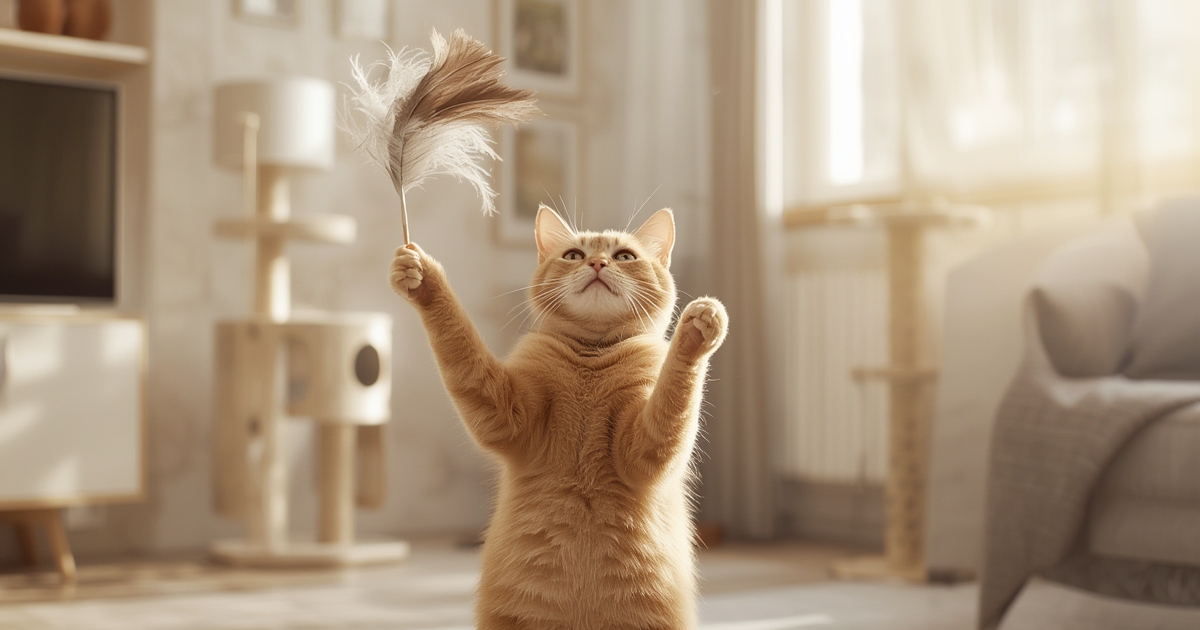
- Use a wand toy with feathers or a small plush mouse to mimic prey movement.
- Spend 5–10 minutes encouraging your cat to stalk, pounce, and chase.
- Rotate toys weekly to keep the hunt exciting.
Midday Exploration Break
- Set up a safe “cat corridor” using a hallway or a piece of furniture with a cardboard tunnel.
- Place a few crinkly bags or paper tubes for your cat to investigate.
- Offer a treat puzzle that releases a small kibble when the cat rolls or nudges it.
Evening Wind‑Down Session
- Introduce a low‑intensity interactive feeder that slowly dispenses food while your cat paws at it.
- End the day with a gentle grooming brush to promote bonding and reduce shedding.
These short, varied sessions add up to at least 30 minutes of purposeful activity each day, dramatically improving mental health and physical fitness.
Feeding and Nutrition: Tailoring Diet to an Enriched Indoor Lifestyle
Nutrition is the foundation of any enrichment plan. Indoor cats often have lower activity levels than their outdoor counterparts, so balancing calorie intake with the extra play you provide is essential.
Choosing the Right Food Type
Wet food offers hydration and a strong aroma that appeals to many indoor cats, while dry kibble can be used in puzzle feeders to extend feeding time. A combination of both can meet moisture needs and keep teeth clean.
Portion Control and Weight Management
- Calculate daily caloric needs based on your cat’s ideal weight, not current weight.
- Use a kitchen scale to measure portions accurately.
- Adjust portions upward on active play days and reduce them when activity is low.
Supplemental Enrichment Snacks
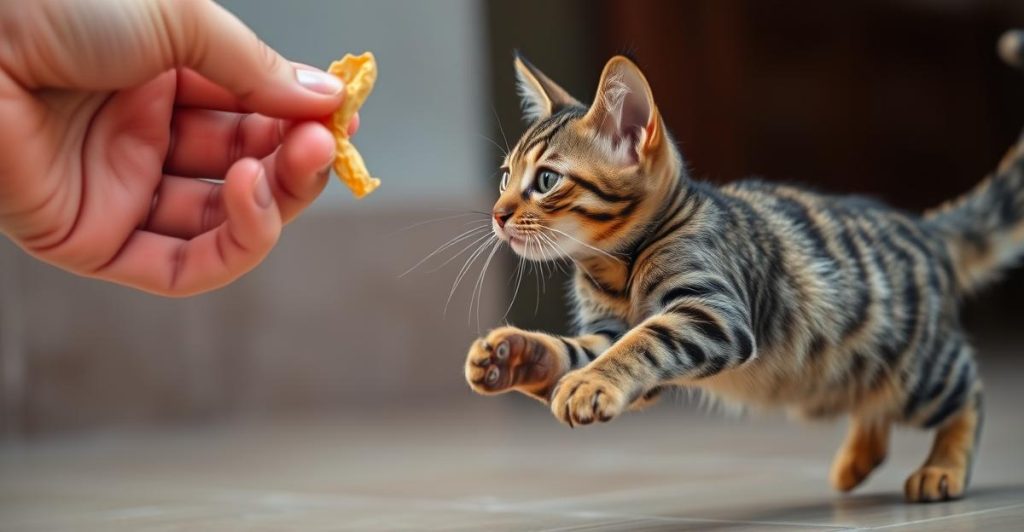
Healthy treats can double as training tools. Freeze‑dried chicken strips or small pieces of cooked salmon make excellent rewards during interactive play sessions.
Physical Exercise: Turning Playtime into Effective Workouts
Physical activity prevents obesity, strengthens muscles, and reduces the risk of joint disease. The goal is to mimic a cat’s natural hunting cycle: stalk, chase, pounce, and capture.
Best Toys for High‑Impact Exercise
- Laser pointers: Encourage rapid sprints across the room; always end with a tangible toy to avoid frustration.
- Motorized feather wands: Provide unpredictable movement that triggers the chase response.
- Cat trees with multiple levels: Allow climbing, jumping, and perching—essential for muscle tone.
Designing a Mini Agility Course
Use everyday items like low stools, cardboard boxes, and PVC pipes to create tunnels and jumps. Guide your cat through the course with a favorite toy, rewarding each successful leap.
Mental Stimulation and Environmental Enrichment
Beyond physical activity, mental challenges keep a cat’s brain sharp. Indoor cat enrichment should address sensory, cognitive, and social needs.
Sensory Enrichment
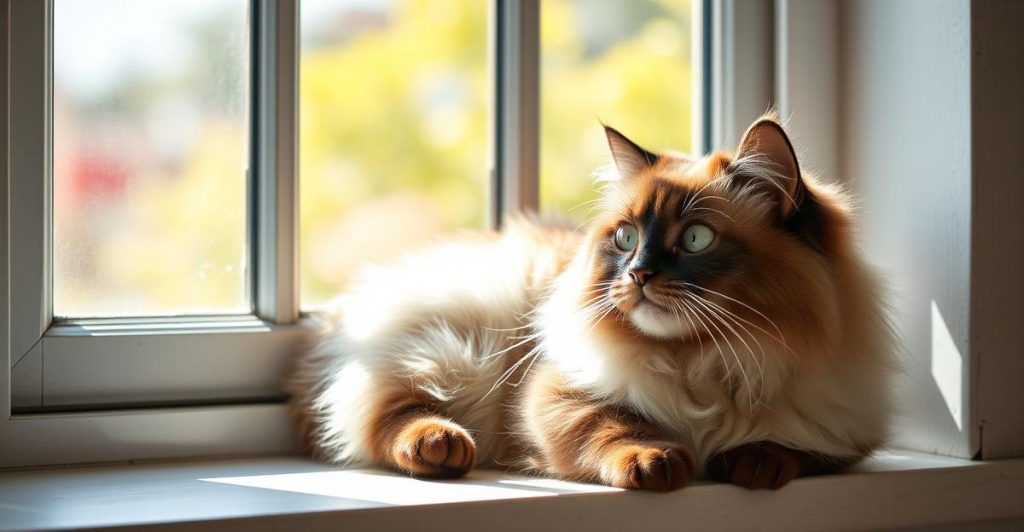
- Place a window perch with a view of birds or a squirrel feeder.
- Rotate scented objects such as dried catnip, valerian, or silvervine.
- Play soft nature sounds or low‑frequency music designed for felines.
Cognitive Enrichment: Puzzle Feeders and Interactive Toys
Puzzle feeders turn mealtime into a problem‑solving exercise. Choose devices with adjustable difficulty levels so you can increase the challenge as your cat improves.
Social Enrichment
- Schedule short, daily “cat‑talk” sessions where you speak softly and offer gentle petting.
- Consider a companion cat if your household can support two cats and you have the space.
- Use a pet camera with treat dispenser to interact while you’re away.
Comparison of Common Indoor Enrichment Options
| Option | Main Benefit | Potential Drawback | Best For |
|---|---|---|---|
| Interactive Puzzle Feeder | Combines feeding with mental stimulation | Requires initial training | Owners seeking weight control |
| Cat Tree & Perches | Provides climbing, scratching, and hiding spots | Can be bulky in small apartments | Active climbers and senior cats |
| Laser Pointer Play | High‑intensity cardio in short bursts | May cause frustration if not finished with a real toy | Owners with limited time |
| Window Perch with Bird Feeder | Passive visual enrichment | Requires sunny window and outside feeder setup | Cats who love watching outdoors |
Health Monitoring and Preventive Care for Enriched Indoor Cats
Enrichment is only effective when paired with regular health checks. Indoor cats can develop specific issues such as urinary tract disease, obesity, and dental problems, which can be mitigated with vigilant care.
Routine Veterinary Visits
- Schedule a wellness exam at least once a year.
- Discuss vaccination updates, parasite prevention, and dental cleaning.
- Ask your vet to evaluate body condition score (BCS) during each visit.
Spotting Early Signs of Health Problems
Changes in litter box habits, grooming frequency, or appetite can signal underlying issues. Keep a simple health log noting:
- Frequency of urination and stool consistency.
- Weight fluctuations (weekly weigh‑ins).
- Behavioral shifts such as increased aggression or withdrawal.
Dental Care as Part of Enrichment
Chew toys and dental treats help reduce plaque buildup. Offer a dental chew a few times a week and brush your cat’s teeth with a feline‑specific toothbrush and toothpaste whenever possible.
Creating a Sustainable Enrichment Plan for the Long Term
Successful indoor cat enrichment is a living plan that evolves with your cat’s age, health, and preferences. Review and adjust the following components every few months.
Seasonal Rotation of Toys and Activities
- Swap out toys every 4–6 weeks to maintain novelty.
- Introduce seasonal themes, such as feather toys in spring or scented pine in winter.
Age‑Appropriate Adjustments
Kittens need more high‑energy play, while senior cats benefit from gentle stretching stations and softer bedding. Reduce the intensity of physical challenges as joint health declines, but keep mental puzzles engaging.
Budget‑Friendly Enrichment Hacks
- Repurpose cardboard boxes into tunnels and hideouts.
- DIY feather wands using safe craft supplies.
- Rotate household items like paper bags or paper towel rolls as temporary toys.
By treating enrichment as a dynamic, personalized program, you’ll ensure your indoor cat remains curious, active, and content throughout every stage of life.
Frequently Asked Questions
How often should I feed my indoor cat?
Most adult indoor cats thrive on two measured meals per day, with total calories adjusted for activity level. Use a kitchen scale to portion food accurately and consult your vet for specific caloric needs.
Why does my cat meow loudly at night?
Nighttime vocalization often stems from boredom, hunger, or a desire for attention. Provide a late‑evening play session, a small snack, and a comfortable sleeping perch to reduce nocturnal meowing.
Can I train my kitten to use a litter box without a commercial litter?
Yes. Use a shallow tray with a thin layer of non‑clumping, natural material such as shredded newspaper or wood pellets. Place the tray in a quiet, accessible location and gently guide the kitten to it after meals and naps.
What are the best ways to prevent obesity in indoor cats?
Combine portion control, regular interactive play, and puzzle feeders to slow eating speed. Monitor weight monthly and adjust food portions based on activity levels and any weight changes.
How can I make my apartment cat‑friendly without damaging furniture?
Invest in sturdy cat trees, scratching posts, and protective covers for vulnerable furniture. Use double‑sided tape or furniture protectors on surfaces you want to keep cat‑free, and provide ample alternatives for scratching.