

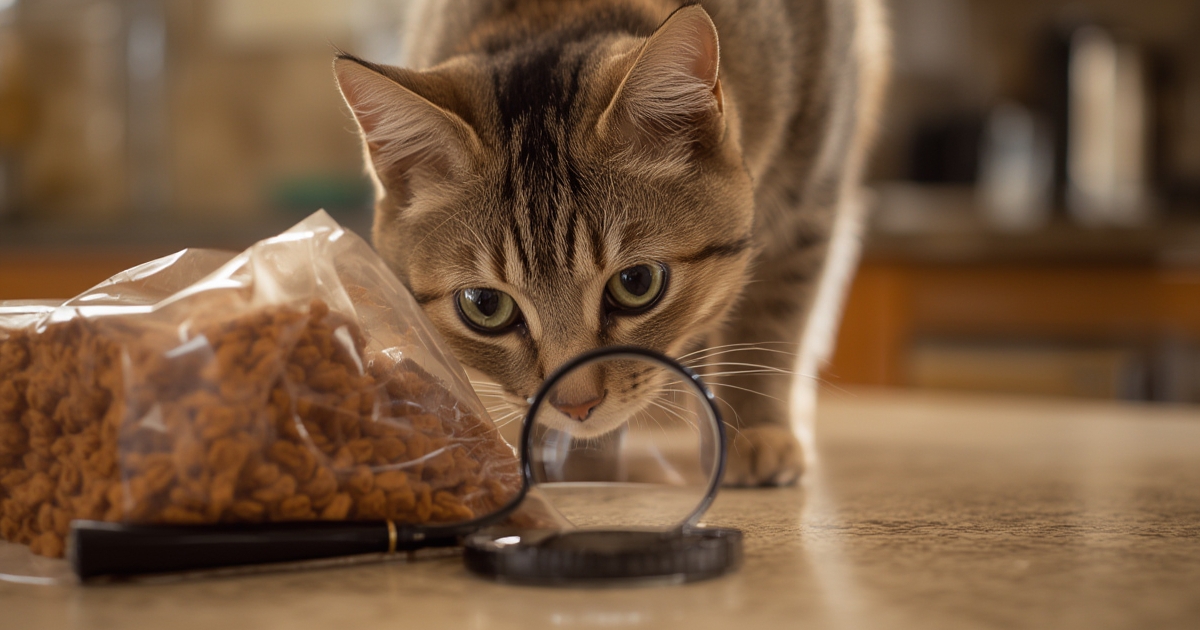
Why Decoding Cat Food Labels Matters for Your Cat's Nutrition
Every cat owner wants to feel confident that the bowl they fill each day is supporting their feline’s health, energy, and happiness. Yet the mystery of cat food packaging can turn a simple feeding routine into a guessing game. Understanding cat nutrition starts with reading the label—your roadmap to what’s really inside each serving. By learning how to interpret the details, you can avoid hidden fillers, spot quality protein sources, and choose a diet that matches your cat’s unique needs, whether they’re a playful kitten or a seasoned senior.
How to Read a Cat Food Label: The Essentials
Key Sections to Scan Quickly
- Product Name & Brand – Indicates the primary marketing claim (e.g., “Grain‑Free” or “Senior Formula”).
- Guaranteed Analysis – Shows minimum percentages of crude protein and fat, and maximum percentages of fiber and moisture.
- Ingredient List – Ordered by weight before cooking; the first three ingredients are the most influential for cat nutrition.
- Feeding Guidelines – Provides recommended daily portions based on weight and activity level.
- AAFCO Statement – Confirms the food meets the nutritional standards set by the Association of American Feed Control Officials.
What “Guaranteed Analysis” Really Means
The guaranteed analysis is often the first place owners look for protein and fat levels, but it tells only part of the story. A label might boast “30% protein,” yet if the protein comes from low‑quality meat by‑products, the cat may not receive the essential amino acids it needs. Look for a protein range of 30‑40% for adult cats and 35‑45% for growing kittens, and a fat content of 10‑20% to support healthy skin and coat.
Reading the Ingredient List: Spotting Quality Sources
- First Ingredient Matters – Ideally, a named meat source (e.g., “Chicken” or “Salmon”) should be the first ingredient.
- Avoid “Meat By‑Products” – These can include organ meats and bone meal of varying quality.
- Watch for Fillers – Corn, wheat, soy, and excessive plant proteins are often added for cost, not nutrition.
- Added Supplements – Look for specific vitamins, minerals, and omega‑3 fatty acids like DHA, which support eye and brain development.
Decoding Marketing Claims
Terms such as “grain‑free,” “limited ingredient,” or “holistic” are not regulated and can be misleading. A “grain‑free” label may simply replace grains with more carbohydrates from peas or potatoes, which do not necessarily improve cat nutrition. “Limited ingredient” often means fewer components, but it doesn’t guarantee higher quality. Focus on the actual nutrient content and ingredient quality rather than buzzwords.
Matching Food Types to Your Cat’s Life Stage and Health Needs
Kittens, Adults, and Seniors: Different Requirements
Kittens need a diet rich in protein (35‑45%) and fat (15‑20%) to fuel rapid growth and brain development. Adult cats thrive on a balanced 30‑35% protein and 10‑15% fat formula that maintains lean muscle mass. Senior cats (7+ years) may benefit from slightly lower calories but higher joint‑supporting nutrients like glucosamine and omega‑3s.
Special Dietary Considerations
- Weight Management – Look for reduced‑calorie formulas with high protein and fiber to keep cats feeling full.
- Urinary Health – Foods with controlled magnesium and added cranberry extract can help prevent crystal formation.
- Sensitive Stomachs – Limited‑ingredient or novel‑protein diets (e.g., duck or rabbit) reduce the risk of food‑related allergies.
- Dental Care – Crunchy kibble can aid plaque removal, but ensure the kibble size is appropriate for your cat’s jaw.
Wet vs Dry: Which Is Better for Your Cat?
Both wet and dry cat foods have distinct advantages, and the best choice often depends on your cat’s lifestyle, health status, and personal preferences. Understanding the trade‑offs helps you apply cat nutrition principles more effectively.
Comparison of Wet vs Dry Cat Food
| Option | Main Benefit | Potential Drawback | Best For |
|---|---|---|---|
| Wet Cat Food | High moisture content supports urinary health and hydration | Shorter shelf life after opening; higher price per serving | Cats that drink little water, seniors, or those with urinary issues |
| Dry Cat Food | Convenient, long shelf life, and helps with dental plaque | Lower moisture; can contribute to dehydration if not supplemented | Busy owners, multi‑cat households, or cats that prefer crunchy texture |
Blending Wet and Dry for Optimal Nutrition
Many veterinarians recommend a mixed feeding approach: dry kibble for convenience and dental benefit, complemented by wet meals to boost hydration and variety. When combining, keep an eye on total calorie intake to avoid unintended weight gain.
Practical Feeding Strategies Based on Label Insights
- Portion Control – Use the feeding guidelines as a starting point, then adjust based on your cat’s body condition score.
- Rotate Proteins – Switching between chicken, fish, and turkey every 4‑6 weeks can prevent food sensitivities and keep meals interesting.
- Store Food Properly – Keep dry kibble in an airtight container and refrigerate opened wet cans for up to three days.
- Monitor Water Intake – Even with wet food, provide fresh water daily; consider a cat fountain to encourage drinking.
- Track Health Changes – Note any changes in coat quality, energy levels, or litter box habits after switching foods; these are clues about how well the label’s promises match reality.
Common Label‑Reading Mistakes to Avoid
- Focusing Only on the Front Panel – The most detailed nutrition information is on the back; never skip the guaranteed analysis and ingredient list.
- Assuming “Natural” Means Healthier – “Natural” is not a regulated term and can still include low‑quality ingredients.
- Overlooking the AAFCO Statement – A food that meets AAFCO standards has been formulated to provide complete and balanced nutrition for its intended life stage.
- Ignoring Moisture Content – Cats evolved to obtain most of their water from prey; dry food alone may not meet their hydration needs.
- Relying on Marketing Buzzwords – Words like “premium” or “gourmet” do not guarantee superior cat nutrition; always verify the actual nutrient percentages.
FAQ
How often should I feed my adult cat?
Most adult cats do well with two meals per day, spaced about 12 hours apart. Adjust portion sizes based on your cat’s weight, activity level, and the calorie content listed on the label.
Why does my cat prefer wet food over dry kibble?
Wet food offers higher moisture, richer aroma, and a softer texture, which many cats find more appealing. It also mimics the natural moisture content of prey, making it more satisfying for some felines.
Can I feed my kitten the same food as my adult cat?
No. Kittens require higher protein and fat levels to support rapid growth. Look for formulas specifically labeled for “growth” or “kitten” and follow the feeding guidelines on the label.
What does “complete and balanced” mean on a cat food label?
This phrase indicates the food meets AAFCO nutrient profiles for the life stage it’s marketed for, meaning it contains all essential nutrients in the right amounts.
Is grain‑free cat food always better for my cat?
Not necessarily. Grain‑free diets often replace grains with additional carbohydrates from legumes, which may not improve cat nutrition. Focus on protein quality and overall nutrient balance instead.