
Understanding Your Lifestyle and the Best Cat Breeds
Choosing a feline companion is more than picking a cute face – it’s about finding a match that fits your daily rhythm, living space, and personality. The best cat breeds for you will thrive when their energy level, grooming needs, and social style align with your lifestyle. Whether you work long hours, have an active household, or need a low‑shedding friend for allergy concerns, the right breed can make cat care feel effortless and rewarding.
In this guide we’ll explore how different breeds suit various living situations, give practical care tips for each type, and help you create a happy, healthy home for your new cat.
Low‑Maintenance Breeds for Busy Professionals
For people who spend most of their day at the office or juggling a hectic schedule, a cat that is independent, low‑shedding, and easy to groom is ideal. These breeds often enjoy short play bursts and are content with lounging while you’re away.
British Shorthair
The British Shorthair is a calm, sturdy cat with a plush coat that requires only weekly brushing. They are known for their “teddy‑bear” demeanor and can entertain themselves with a simple puzzle feeder.
- Grooming: Brush once a week to remove loose hair.
- Exercise: Provide a few interactive toys; they’ll play briefly and then nap.
- Health: Generally healthy, but monitor for obesity due to their love of food.
Russian Blue
Russian Blues are quiet, intelligent, and have a short double coat that sheds minimally. They bond closely with one person, making them great for a single‑owner household.
- Grooming: Light weekly brushing keeps the coat glossy.
- Exercise: A feather wand or laser pointer a few times a week is enough.
- Health: Prone to dental issues; regular tooth brushing helps.
Active & Playful Breeds for Energetic Households
If your family enjoys games, outdoor adventures (even if just on a balcony), or has children who love to play, you’ll want a cat that can keep up. These breeds are curious, agile, and love interactive enrichment.
Abyssinian
The Abyssinian is one of the most energetic and inquisitive breeds. They love climbing, exploring, and will often “talk” with chirps and trills.
- Grooming: Minimal – a quick brush weekly.
- Exercise: Provide tall cat trees, climbing shelves, and daily play sessions.
- Health: Watch for hereditary kidney disease; regular vet checks are essential.
Turkish Van
Known as the “swimming cat,” the Turkish Van enjoys water and high‑energy play. They thrive in homes with plenty of space and safe indoor water features.
- Grooming: Their semi‑long coat benefits from weekly brushing.
- Exercise: Offer large climbing structures and a shallow water dish for splashing.
- Health: Generally robust, but keep an eye on joint health as they age.
Hypoallergenic and Allergy‑Friendly Breeds
Allergy sufferers often think they must avoid cats altogether, but several breeds produce fewer allergens and are considered more tolerable for sensitive owners. While no cat is truly hypoallergenic, these breeds can make a big difference.
Sphynx
The hairless Sphynx may seem like an odd choice, but its lack of fur means fewer allergens are trapped in the coat. Their warm skin requires regular bathing to remove oil buildup.
- Grooming: Bathe once a week with a gentle, fragrance‑free shampoo.
- Exercise: They love to curl up on laps and need short play sessions.
- Health: Prone to skin infections; keep skin moisturized and clean.
Balinese
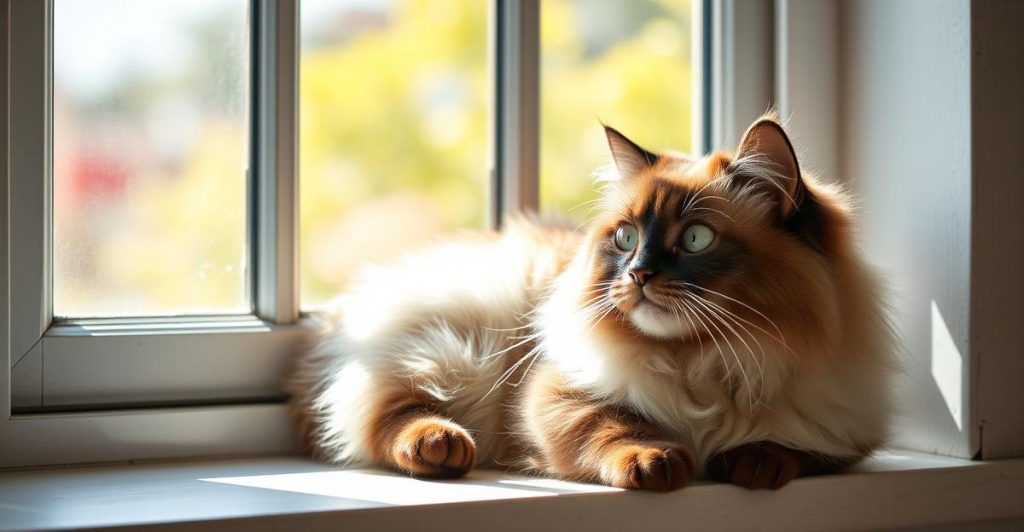
Often called the “long‑haired Siamese,” the Balinese has a silky coat that sheds less than many other long‑hair breeds. Their social nature makes them great companions.
- Grooming: Brush 2‑3 times a week to prevent matting.
- Exercise: Interactive toys and climbing posts keep them happy.
- Health: Monitor for progressive retinal atrophy; regular eye exams are advised.
Family‑Oriented Breeds for Kids and Multi‑Pet Homes
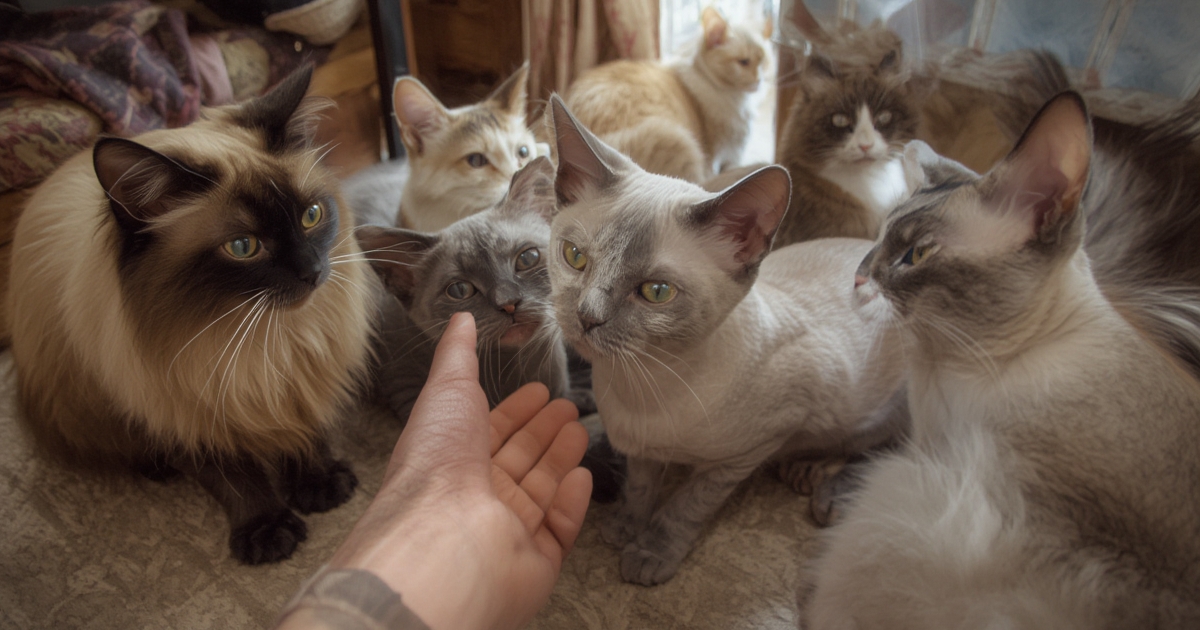
Families with children or other pets need a cat that is tolerant, playful, and patient. These breeds typically enjoy social interaction and can handle a bit of rough‑and‑tumble play.
Maine Coon
The Maine Coon is one of the largest domestic cats, known for its gentle giant personality. They get along well with dogs and kids, and their thick coat is perfect for colder climates.
- Grooming: Brush 2‑3 times a week to prevent tangles.
- Exercise: Provide sturdy climbing trees and large toys.
- Health: Screen for hypertrophic cardiomyopathy (HCM) during vet visits.
Ragdolls are famous for their floppy, relaxed demeanor when picked up. They are affectionate, patient, and love to follow owners from room to room.
- Grooming: Weekly brushing keeps their semi‑long coat manageable.
- Exercise: Simple wand toys and gentle play are sufficient.
- Health: Watch for urinary tract issues; ensure plenty of fresh water.
American Shorthair
This classic breed is adaptable, easygoing, and gets along with almost any household member. Their short coat is low‑maintenance, and they have a sturdy, healthy constitution.
- Grooming: Light weekly brushing.
- Exercise: Interactive toys and occasional outdoor harness walks.
- Health: Generally healthy, but maintain routine vaccinations.
Comparison of Common Cat Breeds by Lifestyle
| Breed | Ideal Lifestyle | Key Care Needs | Best For |
|---|---|---|---|
| British Shorthair | Busy professionals, low‑activity homes | Weekly brushing, moderate play | Single owners, apartments |
| Abyssinian | Active families, play‑focused households | Daily enrichment, climbing structures | Owners who love interactive play |
| Sphynx | Allergy‑sensitive owners | Weekly baths, skin moisturization | Allergy sufferers, indoor‑only homes |
| Maine Coon | Large families, cold climates | Frequent grooming, joint support | Kids, other pets |
| Balinese | Moderate activity, allergy‑aware homes | Regular brushing, social interaction | Families with mild allergies |
General Care Tips That Apply to All the Best Cat Breeds
No matter which breed you choose, a few universal practices keep every cat thriving. Incorporate these habits into your routine to ensure a long, healthy life for your feline friend.
- Nutrition: Feed a balanced diet appropriate for age, weight, and activity level. Look for high‑protein wet food combined with a measured portion of dry kibble for dental health.
- Hydration: Cats often prefer moving water; a pet fountain encourages regular drinking and supports kidney health.
- Routine Veterinary Care: Schedule annual check‑ups, vaccinations, and dental cleanings. Early detection of common issues like dental disease or obesity makes treatment easier.
- Environmental Enrichment: Provide scratching posts, climbing shelves, and puzzle feeders to satisfy natural hunting instincts.
- Litter Box Management: Keep the box clean, use low‑dust litter, and place it in a quiet, accessible area to prevent accidents.
- Grooming: Even short‑haired breeds benefit from weekly brushing to reduce hairballs and keep coats shiny.
- Safety: Keep windows screened, use break‑away collars, and consider microchipping for added security.
FAQ
How often should I feed my cat?
Adult cats typically do well on two meals per day, spaced about 12 hours apart. Kittens need three to four meals daily until they are six months old, then transition to the adult schedule.
Why does my cat meow at night?
Nocturnal meowing can be caused by hunger, boredom, or a desire for attention. Ensure your cat has a full belly before bedtime, plenty of playtime during the day, and a comfortable sleeping area.
How can I train a kitten to use the litter box?
Place the kitten in the litter box after meals, play sessions, and naps. Use a non‑clumping, unscented litter and keep the box in a quiet location. Praise the kitten with gentle words when it uses the box correctly.
Are hypoallergenic cats truly allergen‑free?
No breed is completely allergen‑free, but breeds like the Sphynx, Balinese, and Russian Blue tend to produce fewer allergenic proteins. Regular grooming and cleaning can further reduce allergen levels.
What signs indicate my cat might be ill?
Watch for changes in appetite, litter box habits, weight loss or gain, excessive grooming, lethargy, or vocalization. Any sudden change warrants a veterinary check‑up.